Author: admin

  • Spotting the Signs of Ovarian Cancer

    transparent_ribbonAn estimated one in 70 women will develop ovarian cancer in her lifetime and more than 15,000 American women are expected to lose their lives this year as a result. To raise awareness about the risks and signs of ovarian cancer, The Ovarian Cancer Coalition has named September Ovarian Cancer Awareness Month.

    Throughout the month, women are encouraged to learn the signs of ovarian cancer and take action should they experience them. Dr. David Stoneking is an OB/GYN at the White-Wilson Center for Women’s Health and warns of the risk to women in our community.
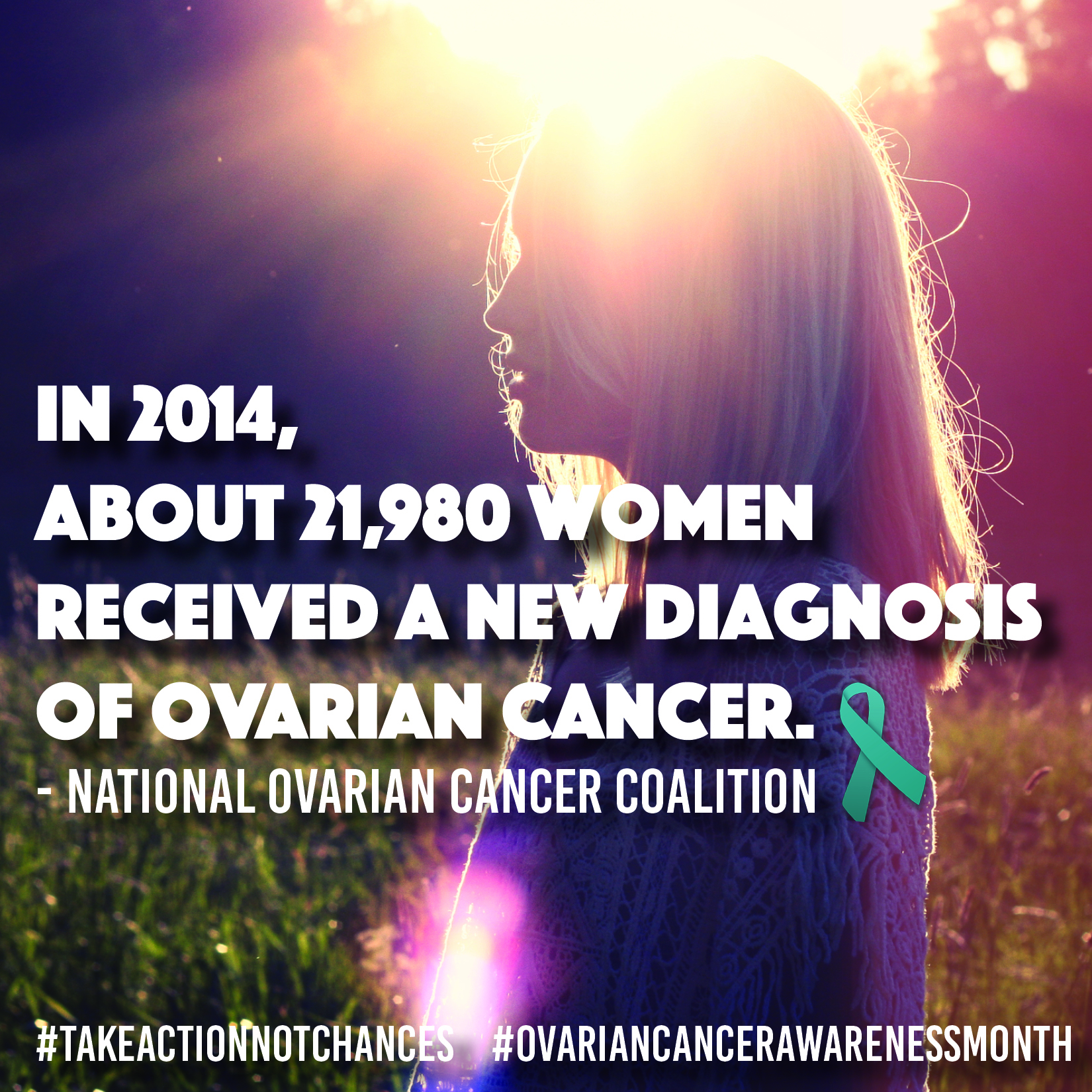
    Ovarian Cancer Diagnosis Post“Ovarian cancer is the 5th leading cause of cancer deaths in women and affects many in our community,” says Dr. Stoneking. “Its signs often go overlooked, so it is vital that women of all ages know what to look for and take action should they experience warning signs.”

    Signs of ovarian cancer include:

    • Discomfort in the pelvis
    • Abormal bleeding
    • Pain in the abdomen
    • Pain during intercourse
    • Unexplained indigestion, gas or bloating

    “Staying attuned to changes in your body, talking with you doctor about your concerns and receiving annual exams are key in protecting yourself,” advises Dr. Stoneking. “If you are suspicious of any unexplained gastrointestinal symptoms, it is important to discuss those symptoms with your physician right away. Early detection drastically increases your chances of winning the fight against this aggressive form of cancer.”

    While ovarian cancer can happen at any age, it is most common in women ages 50 – 75 and may be detected through pelvic exams or ultrasound. Once detected, treatment plans may include surgical staging, removal of the ovaries, fallopian tubes or uterus and chemotherapy.

    Information about the National Ovarian Cancer Coalition and Ovarian Cancer Awareness Month can be found at www.ovarian.org. For more information about Dr. David Stoneking and the White-Wilson Center for Women’s Health or to schedule an appointment, call 850-863-8264. Information on all White-Wilson health care providers is available at www.white-wilson.com

  • Tips for a Better School Year

    S059QDGBOGAs families prepare for a new school year, keeping children in the classroom and out of the nurse’s office is a top priority. Dr. Evan Meeks, a pediatrician at White-Wilson Medical Center’s Niceville Clinic, offers 10 tips for a happy, healthy, and successful school year!

    1. Get back into a school routine. Set a bedtime and wake time schedule, and stick to it. Children need 8-10 hours of sleep per night.
    2. Plan for sick days. Discuss with your health care provider your concerns and plan for medical issues that may arise during the year.
    3. Schedule a checkup. An annual checkup helps monitor your school-aged child’s growth and development.
    4. Be sure eye glasses and contact lenses are up-to-date, before classes start. Consider having a spare pair to avoid missed school due to mishaps.
    5. Wash your hands. Discuss with children the importance of hand washing, and lead by example. Show them that washing hands before and after eating or visiting the bathroom is smart.
    6. Arm your entire family with a flu vaccine. Children should begin receiving the vaccine at 6 months of age.
    7. Learn to control asthma. Asthma causes much of the missed school and work in our community. Consider attending one of our Asthma Group Appointment Project (AGAP) sessions to learn to control flare ups.
    8. Take a vitamin. An age-appropriate multivitamin will provide you with all you the supplemental vitamins you need.
    9. Put it on your calendar. Being organized and prepared for a busy school year can help relieve stress. Families need to carve out time for what is important – work, play, sports, exercise, rest, holidays and fishing!
    10. Create a launchpad designated for homework, backpacks and sports equipment. Nothing is worse than doing your homework and forgetting it at home.

    Dr. Meeks is an American Board of Pediatrics certified physician currently accepting new patients. He leads AGAP sessions in Niceville and Fort Walton Beach each month. Sessions are open to asthmatic adults, children and caregivers and you do not have to be a White-Wilson patient to enroll. Participants receive an Asthma Control Test™ and assessment, participate in group discussion and create an asthma action plan.

    To schedule an appointment with Dr. Meeks or other White-Wilson providers, call 850.863.8100. For a complete list of providers, visit www.white-wilson.com.

  • Beat the August Heat

    As residents of the sunshine state, we bypass extreme temperatures all winter long; however, it is important to be aware that extreme summer temperatures are dangerous. According to the Center for Disease Control and Prevention (CDC), an average of more than 600 people die from complications related to extreme heat each year.

    Processed with VSCOcam with m6 preset

    As summer temperatures remain high through August, so does the risk for heat-related illness. Current forecasts predict temperatures remaining in the 80s and 90s, offering little relief for locals. It is important to know the signs and symptoms of heat exhaustion and heat stroke so that you can respond quickly in an emergency.

    “Extreme heat can pose very serious health risks,” said White-Wilson Medical Center Family Medicine Physician, Dr. Christopher Hansen. “Signs of heat exhaustion include muscle cramping, heavy sweating, vomiting or fainting, and heat stroke signs include a body temperature above 103°F, lack of sweat, dry skin, rapid pulse or unconsciousness.”

    Dr. Hansen recommends that you move indoors to air-conditioning and seek medical attention immediately if you experience any symptoms of heat-related illness.

    These steps can help you beat the heat this summer:

    • Stay in an indoor air-conditioned location as much as possible. Air conditioning is the number one factor against heat-related illness and death, according to the CDC.
    • Drink more water than usual, and avoid sugary drinks and alcohol. Do not wait until you are thirsty to drink water.
    • WaterAvoid heat exposure during the hottest hours of the day, usually 10 a.m. – 4 p.m. Those who work outdoors should adjust their workday to limit over exposure during these hours.
    • Wear light colored and loose fitting clothing that covers your arms and legs.
    • Don’t forget your wide-brimmed hat and sunscreen.
    • Pace your physical activity, starting slow.
    • Stay informed of local weather and extreme heat warnings.
    • Take a cool shower or bath to cool down.
    • Never leave children or pets in cars.
    • Know the signs of heat exhaustion and heat stroke, and respond quickly in an emergency.

    “Heat-related illnesses are serious, but something we can avoid by using caution. Young children, the elderly and people with chronic disease or mental illness are at the highest risk for heat-related illness,” said Dr. Hansen. “It is important to be aware of the symptoms of heat-related illness and closely monitor the people that are dependent on you for their care.”

    Dr. Christopher Hansen is certified by the American Board of Family Medicine and is currently accepting new patients at the White-Wilson Family Medicine Clinic in Fort Walton Beach. White-Wilson offers Family Medicine Clinics in Destin, Fort Walton Beach, Navarre and Niceville. For more information on White-Wilson Family Medicine providers or to schedule an appointment, call 850.863.6600 or visit www.white-wilson.com.

  • Keeping Blood Pressure in Check

    Have you checked your blood pressure lately?

    Uncontrolled high blood pressure increases your risk of heart disease, the nation’s #1 cause of death.

    Also known as hypertension, high blood pressure is one of the most common medical conditions Americans experience and a major contributor to heart attacks and stroke.

    So, what exactly is blood pressure? Blood pressure is determined by the amount of blood your heart pumps and how blood flows through your arteries. The more blood your heart pumps and the narrower your arteries, the higher your blood pressure.

    People with hypertension commonly have no symptoms, so screening is essential. The American Heart Association recommends that adults get screened for hypertension at least once every two years.

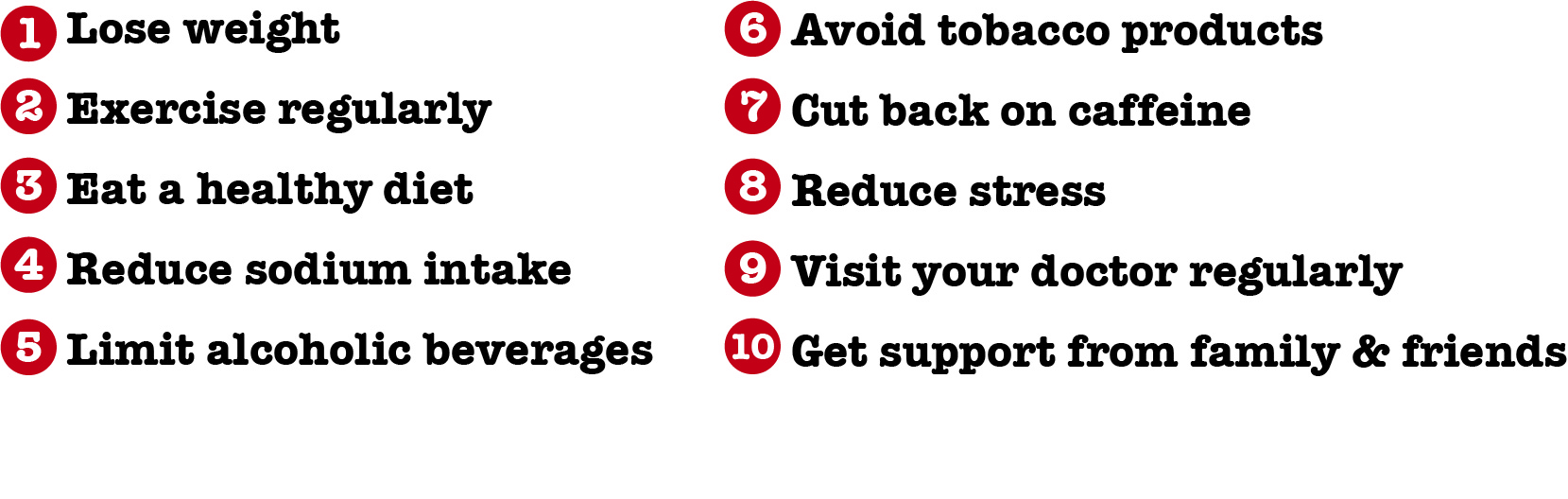
    Hypertension risk factors are usually external and include obesity, drinking too much alcohol, smoking, and stress. This means most adults can easily prevent and control high blood pressure on their own. The Mayo Clinic recommends these simple steps to prevent hypertension:

    Blog - Blood PressureVisit your family doctor once a year to discuss your risk of hypertension, and manage your overall health and wellness. White-Wilson offers primary care doctors in Fort Walton Beach, Destin, Navarre and Niceville. To find a primary care doctor or cardiologist, click here.

  • Bug Off!

    Avoiding and Treating Insect Bites and Stings4.2.15 Blog Photo_smaller

    Spring has sprung! And with warm weather comes tulips, daises… and unwanted pests.

    White-Wilson has some tips to help prevent stings and bites, as well as what to do if you are stung.

    In Florida, it’s nearly impossible to avoid bug bites and stings.

    Tips to avoid the itch:

    • Apply insect repellent that contains DEET before going into heavily wooded areas. Be sure to watch DEET amounts with young children! The American Academy of Pediatrics recommends using repellents that contain no more than 30% DEET on children, and never applying on babies younger than 2 months.
    • Avoid large beds of flowers, standing puddles and ponds.
    • You are not the only one that loves some sugar! Try to keep sugary snacks or drinks inside.
    • Wear neutral colored clothing, since vibrant colors attract certain insects.

    Although insect stings can be irritating, most cases are mild with little stinging, itching, redness and swelling.

    Here are some tips to take care of mild reactions:

    • First and foremost, move to a safe area—indoors if possible.
    • If needed, remove the stinger in a quick, scraping motion.
    • Wash the area several times with soap and water.
    • Apply an ice pack or a cold, wet washcloth to reduce swelling.
    • Apply a topical ointment to the effected area. Products containing ingredients such as hydrocortisone, or pramoxine can assist in pain management. Creams such as calamine lotion or baking soda will help relieve the itch.

    Signs of a bite or sting should disappear in a day or two. If symptoms remain longer, call your doctor or go to an immediate care facility.

    Take immediate action if the following occurs after a sting:

    • Difficulty breathing, wheezing, tight chest.
    • Hives or swelling of the face or mouth.
    • Dizziness, fainting or rapid heartbeat.
    • Nausea, cramps or vomiting.

    If you’re ever unsure about the condition of an insect sting or bite, contact your doctor or call 911 in an emergency. White-Wilson Immediate Care Clinic offers same day appointments and accepts walk-ins.


  • Heart Attack and Stroke

    Know the signs before it’s too late!

    heart_rate_graphic

    Heart disease is the nation’s #1 killer of men and women. Each year we recognize February as Heart Month! It’s a great time to raise awareness about heart disease and work to prevent the 1.5 million heart attacks and strokes that take place in the United States this year.

    Heart attacks and strokes are life-threatening emergencies, meaning every second counts! It is important to know the signs of each and act quickly.

    Heart attack warning signs include:

    • Chest discomfort – it hurts or feels squeezed
    • Discomfort in other areas of the upper body, such as arms, back, shoulders, neck or jaw
    • Shortness of breath
    • Other signs may include cold sweat, nausea, or feeling light-headed or tired
    • Stroke is currently the fourth leading cause of death in the U.S.
    • Stroke can affect anyone, but the risk increases as you get older.

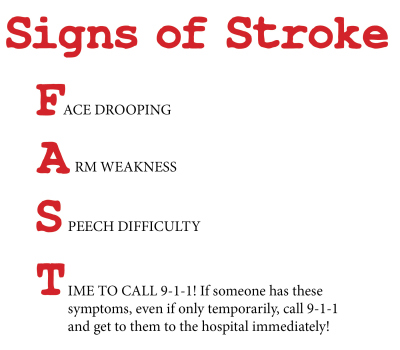
    F.A.S.T. is an easy way to remember the sudden signs of stroke. If you spot these signs, you’ll know that you need to call 9-1-1 right away:

    fast-stroke-signs

    About 7 million people who have had strokes are alive today, thanks to education and preventive care.

    For more info on heart attacks and strokes and ways you can recognize the signs, visit the American Heart Association.

  • Immediate Care vs. Emergency Room

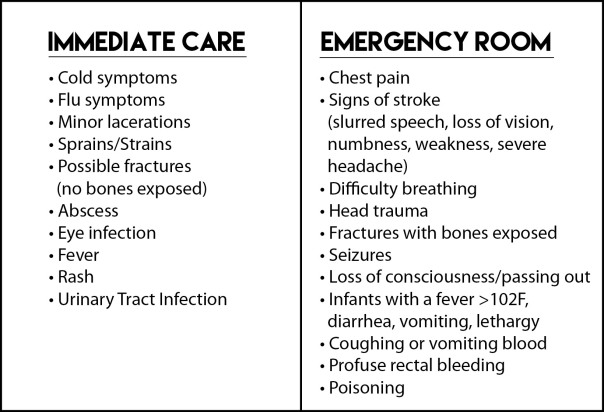
    Many of us have been faced with deciding where to go for urgent care; Immediate Care or the Emergency Room. Immediate Care provides medical care for urgent but non-emergent needs.

    The following list can help you decide where to go:

    imc-v-er-list

    Regular visits with your primary care provider can help detect potential issues before they surface.

    If you’re still unsure of which facility is most appropriate, call ahead with any questions or concerns you may have.

  • Cold weather can really be a pain!

    walkerWe all have aches and pains, and this time of year can have you feeling them more than usual. During colder months, many decrease their activity, exercise less and experience joint pain more. That joint pain can be frustrating, as well as a sign of something serious.

    Osteoarthritis is one of the most common forms of arthritis and affects many. It occurs when the cartilage that cushions the joints wears down.

    Gregg Graham, ARNP, in Orthopaedics provides a few tips to help stay active when you live with osteoarthritis.

    Keep joints moving
    Research shows that the painful effects of osteoarthritis develop faster in less active individuals. It is important to keep your joints moving to prevent pain and stiffness from setting in. Think of your joints as a car engine. It’s important to start the engine and lubricate the moving parts frequently to keep them going.

    Choose the right activities
    When you have osteoarthritis it is important to participate in activities that keep you moving without aggravating your joints. The best exercise options are low impact and in-line movements like riding a stationary bike, swimming or water aerobics. Jogging or walking should be done in moderation and only to tolerance.

    Take care of your joints
    Be sure to take care your joints, even when you’re not exercising. Knee sleeves and braces can help provide a sense of stability to knees and ankles and cold and heat therapy can help relieve pain. Cold reduces swelling by constricting blood vessels and numbing deep pain, while heat stimulates blood circulation, reducing muscle spasms. Other options include topical creams (Icy Hot, Aspercreme or Biofreeze), or using a cane or walker when walking or standing for long periods.

    Fuel your bone health
    A healthy diet incorporating a variety of fruits and vegetables, including leafy greens, will provide essential vitamins and minerals important for bone health. A healthy diet will support weight loss which can help relieve arthritis knee pain.

    Select the appropriate remedies
    Joint pain related to osteoarthritis is caused by our bodies’ own process of inflammation. Non-steroidal anti-inflammatories work to counteract inflammation and alleviate pain. There are a variety of supplements that can help with joint paint, including chondroitin or fish oil. Consult your primary care physician prior to beginning supplements or medications.

    Despite the aches and pains, it is important to care for your joints by keeping your body moving!

  • How to beat cold weather blues!

    weather_graphicBundle up! It’s going to be chilly for the next few days. But don’t let the cold weather get you down.

    With winter, daylight is shorter and this can cause lethargy, irritability and depression. However, here are some tips to help boost your mood through this cold weather spell.

    Exercise: Did you know that working out at least three times a week can reduce symptoms of depression with almost the same effectiveness as antidepressants? Not to mention, you’ll have more energy throughout the day and in turn boost your metabolism.

    Eat Healthy: Eat foods that fuel your body with energy. The American Heart Association suggests consuming easily digested carbohydrates and lean protein, to avoid feeling lethargic. Eat healthy complex carbohydrates such as whole wheat breads, low-fat yogurt, brown rice, vegetables and fruits, and lean protein such as turkey, fish, quinoa and beans.

    Spend Time Outside: The sun provides Vitamin D and can also improve your mood – sunlight releases neurotransmitters in the brain that affect mood. With cold weather, many of us are prone to stay indoors and spend less time outside. However, lack of sunlight can make you feel depressed.

    If your busy schedule limits your chances at seeing sunlight try opening your blinds or updating your light bulbs to bulbs that mimic natural light.

    Become a Morning Person: Going to bed and waking up earlier during the months of shorter daylight can help you avoid the winter funk. You’ll see more sunlight, which can increase Vitamin D consumption as well as mood.

    Relax: Try to set aside time to relax each day. Try meditation, yoga or reading. Relaxation can decrease stress and create calm energy.

    And don’t forget we live in paradise! In just a few months, we’ll be back to warmer temperatures and sunny beach days.