As children grow into their pre-teen and teen years, an annual well-child visit remains an important part of their health and well-being. While many parents schedule regular checkups when their children are younger, an annual well-child visit is just as important during adolescence, as it is a time of rapid physical, emotional, and social development.
Why is a Well-Child Visit important?
Pre-teens and teens experience many changes between the ages of 10 and 18. An annual well-child visit helps pediatricians monitor growth, identify potential health concerns early, and support healthy habits that can help them in adulthood.
The visit also provides an opportunity for teens to ask questions about their health in a safe and confidential environment. Topics such as nutrition, physical activity, mental health, sleep, and personal safety can all be discussed with their pediatrician.
What to expect during a Well-Child Visit?
A well-child visit is much more than a sports physical. During the appointment, your teen’s pediatrician may:
Measure height, weight, and blood pressure
Track growth and development
Review medical history and current medications
Ensure vaccinations are up to date
Discuss nutrition and healthy eating habits
Evaluate sleep patterns and physical activity
Screen for vision or hearing concerns
Assess emotional and mental well-being
Discuss safety topics such as driving, social media use, and substance avoidance
For older teens, their providers may also discuss topics such as relationships, sexual health, and making healthy choices as they prepare for adulthood.
What Parents Should Know
Parents play a key role in supporting their teen’s health. Encourage your teen to go for their annual wellness visit, even if they seem healthy. Many health concerns, including anxiety, depression, high blood pressure, and nutritional deficiencies, may not have obvious symptoms.
It is also common for the pediatrician to spend a few minutes speaking with your teen privately. This helps build trust and encourages honest conversations about health concerns they may be hesitant to discuss in front of others.
Setting the Foundation for Lifelong Health
An annual well-child visit helps your teen stay on track physically, emotionally, and socially. By making preventive care a priority, you can help your teenager develop healthy habits, address concerns early, and gain the confidence they need to navigate adolescence and adulthood.
Schedule your teen’s annual well-child visit today and take an important step toward a healthier future for them.
This article is intended for general informational purposes only and does not constitute medical advice. Always consult a qualified healthcare provider with questions about your health.
When was the last time you scheduled a checkup? If you’re similar to most individuals, your busy schedule often pushes preventive care to the back of your priority list. Between work deadlines, family obligations, and daily responsibilities, it’s easy to put off that appointment. But here’s the truth: catching health issues early can make all the difference between a simple intervention and a serious health crisis.
· Routine Physical Exams are yearly visits that give your primary care provider a complete picture of your health. “During your physical, we review your medical history, discuss any concerns, perform a comprehensive examination, and catch potential problems before they become serious” explained APRN Avery.
· Blood Pressure checks are quick, painless, and absolutely important. High blood pressure often has no symptoms, yet it significantly increases your risk of heart disease, stroke, and kidney problems. Early detection and management of high blood pressure, through lifestyle changes or medication, can often prevent serious complications down the road.
· Blood Sugar Testing helps identify prediabetes and diabetes early, when lifestyle changes can have the biggest impact on your health. A simple blood test has never been more important. APRN Avery advises that early detection means you can take action before diabetes damages your eyes, kidneys, nerves, and blood vessels.
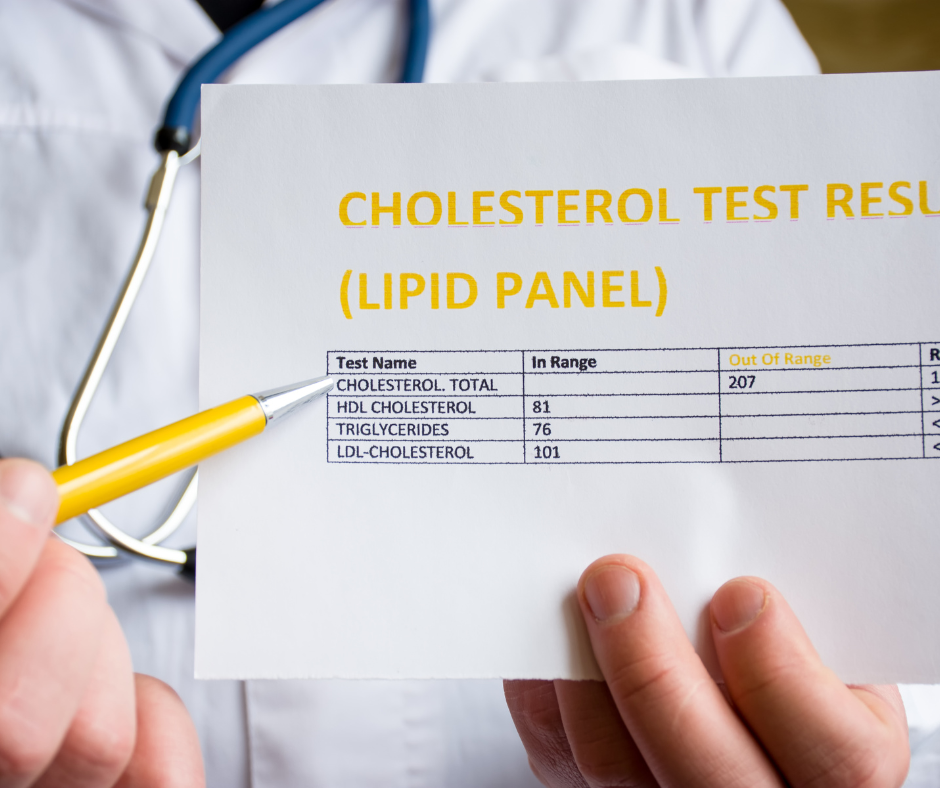
· Cholesterol Screening reveals your heart disease risk through a simple blood draw. Even if you feel perfectly fine, high cholesterol silently damages your arteries over time, setting the stage for heart attacks and strokes. Knowing your numbers empowers you to make informed decisions about diet, exercise, and treatment options.
Cancer Screenings Save Lives
When it comes to cancer, early detection is powerful medicine. When detected in their earliest stages, many cancers are highly treatable. APRN Margaret Avery explained age-specific and gender screenings.
· Cervical Cancer Screening through Pap smears has dramatically reduced cervical cancer deaths over the past several decades. Most women should start screening at age 21 and continue at regular intervals. Combined with HPV testing, this screening has become one of medicine’s greatest success stories in cancer prevention.
· Colorectal Cancer Screening should begin at age 45 for most people, though you may need to start earlier if you have a family history. Options include colonoscopy, stool-based tests, and other methods. While colonoscopy prep isn’t anyone’s favorite activity, this screening literally saves lives by detecting and removing precancerous polyps before they become dangerous.
· Mammograms are recommended annually or biennially for women starting at age 40-50, depending on your individual risk factors and family history. Breast cancer is highly treatable when caught early, and mammography remains our best tool for early detection.
· Skin Checks help catch melanoma and other skin cancers early, when they’re most treatable. During your appointment, your provider can examine any changes or suspicious moles. Between visits, perform self-checks monthly and watch for the ABCDEs: asymmetry, border irregularities, color changes, a diameter larger than a pencil eraser, and evolution or change over time.
· Prostate Exams are important for men, typically starting at age 50 or earlier if you have risk factors like family history. The conversation about prostate screening has evolved. Speak to your primary care provider to learn about the benefits and limitations, which will help you make an informed decision about what’s right for you.
Don’t forget these frequently overlooked tests.
· Bone Density Scans screen for osteoporosis, a condition that weakens bones and increases fracture risk. This is especially important for women over 65, but men can develop osteoporosis too. Risk factors include family history, small body frame, smoking, excessive alcohol use, and certain medications. “The earlier we identify bone loss, the more we can do to prevent devastating fractures,” says APRN Avery.
· Height and Weight measurements help track changes that might signal health concerns, from unexplained weight loss that could indicate an underlying condition to gradual weight gain that increases your risk for diabetes, heart disease, and joint problems. Height measurements are particularly important as we age, since significant height loss can indicate vertebral fractures or osteoporosis.
· Dental Checkups twice yearly keep your teeth healthy and can reveal signs of other health problems you might not expect. Your dentist might be the first to spot signs of diabetes, vitamin deficiencies, acid reflux, or even heart disease. There is growing evidence that that gum disease is linked to heart problems, making those cleanings more important than ever.
Making It Happen
The best screening schedule is one tailored to you based on your age, family history, lifestyle, and risk factors. Some tests you will need annually, others every few years, and some only once or twice in your lifetime.
“Don’t wait for symptoms to appear. Many serious conditions develop silently, which is exactly why preventive screenings are so valuable. Health screenings give us the power to intervene early, when treatment is most effective and outcomes are best,” advises APRN Avery.
Ready to get on track? Call your White-Wilson primary care provider today to schedule your next appointment. Your provider will review which screenings are right for you and create a personalized prevention plan. Your future self will thank you.
Imagine your body as a car. You wouldn’t drive it for years without a tune-up, right? Just like regular maintenance keeps your vehicle running smoothly, an Annual Wellness Visit (AWV) ensures your health stays on track. This often-overlooked appointment is a powerful tool for prevention, early detection, and personalized care. Let’s break down why your AWV is one of the smartest health moves you can make.
An Annual Wellness Visit is a yearly check-in with your healthcare provider, typically covered by Medicare and many private insurance plans at no out-of-pocket cost. Unlike a standard physical exam, the AWV focuses on preventive care and long-term health planning. It’s not about addressing immediate problems (like a sore throat or a sprained ankle) but about assessing your overall health, identifying risks, and creating a roadmap to keep you thriving.
During an AWV, your doctor will:
Review your medical history and medications.
Measure basics like height, weight, and blood pressure.
Assess your risk for conditions like diabetes, heart disease, or cancer.
Update vaccinations and recommend screenings (e.g., mammograms or colonoscopies).
Discuss lifestyle factors like diet, exercise, and mental health.
Develop a personalized prevention plan for the year ahead.
Benefits of an Annual Wellness Visit
Catch Problems Early The earlier a health issue is detected, the easier it is to treat. An AWV can spot red flags—like slightly elevated blood pressure or irregular blood sugar—before they turn into serious conditions like heart disease or diabetes. For example, a simple conversation about family history might prompt a screening that catches cancer in its earliest, most treatable stage. Early detection saves lives, and the AWV is your first line of defense.
Prevention Is Better Than Cure The AWV is all about staying ahead of trouble. Your doctor might recommend a flu shot, a cholesterol check, or a bone density test based on your age and risk factors. These small steps can prevent big problems down the road. For instance, staying up-to-date on vaccinations can protect you from diseases like pneumonia, which can be life-threatening for older adults. By focusing on prevention, you’re investing in a healthier, longer life.
Personalized Health Guidance Your provider will tailor advice to your unique needs. Struggling with stress? They might suggest mindfulness techniques. Gained a few pounds? They’ll offer practical tips for healthy eating. This visit is your chance to ask questions and get expert guidance without the rush of a sick-visit appointment. It’s like having a health coach who knows your medical history inside and out.
Saves Time and Money Skipping your AWV might seem like no big deal, but neglecting preventive care can lead to costly, time-consuming health problems later. Treating advanced conditions like heart failure or cancer is far more expensive (and stressful) than managing risk factors early. Since AWVs are often fully covered by insurance, they’re a budget-friendly way to stay proactive about your health.
Who Should Get an AWV?
While AWVs are especially important for adults over 65 (thanks to Medicare coverage), anyone can benefit from annual preventive care. Younger adults, seniors, and even those managing chronic conditions should make this visit a priority. No matter your age or health status, an AWV keeps you one step ahead.
How to Make the Most of Your Visit
Make a List: Jot down questions, symptoms, or lifestyle changes you want to discuss.
Bring Records: Share your medication list, vaccination history, or recent test results.
Be Honest: Open up about habits like smoking, drinking, or stress—your doctor’s there to help, not judge.
Follow Through: Act on your prevention plan, whether it’s scheduling a screening or starting a walking routine.
Your Annual Wellness Visit isn’t just another appointment—it’s a gift to your future self. It’s a chance to catch issues early, prevent disease, and get personalized advice to live your healthiest life. In less than an hour, you can set the stage for a year of vitality. So, make your AWV a non-negotiable part of your routine, and schedule an appointment with your provider. Your body (and your future self) will thank you.