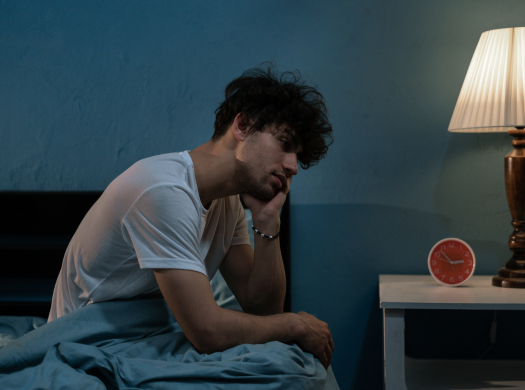
October 10th is World Mental Health Day, a global reminder that mental health is just as important as physical health. Yet too often, we ignore the warning signs or feel embarrassed to ask for help. Let’s change that conversation. Taking care of your mental health isn’t a luxury—it’s a necessity.
Recognizing the Signs
Mental health challenges don’t always appear as you’d expect. Sometimes they manifest through physical symptoms or subtle behavioral shifts. Watch for signs such as:
- Persistent sadness, anxiety, or feeling empty
- Loss of interest in activities you used to enjoy
- Changes in sleep patterns or appetite
- Difficulty concentrating or making decisions
- Withdrawing from friends and family
- Unexplained aches and pains
- Feeling overwhelmed or hopeless
If these feelings persist for over two weeks or disrupt daily activities, consider seeking support.
Simple Daily Habits for Better Mental Health
- Move your body: Exercise releases natural mood-boosting chemicals. Even a 10-minute walk can help reduce stress and anxiety.
- Prioritize sleep: Aim for 7-9 hours nightly. Good sleep improves mood, focus, and emotional resilience.
- Connect with others: Loneliness can significantly impact mental health. Call a friend, join a group, or simply chat with a neighbor.
- Practice mindfulness: Take five minutes daily to breathe deeply and focus on the present moment.
- Limit screen time: Too much social media can worsen anxiety and depression. Set boundaries around your phone use.
- Eat well: A balanced diet supports brain health. Don’t skip meals and stay hydrated.
Breaking the Stigma
Here’s the truth: nearly 1 in 5 adults experiences mental illness each year. You’re not weak for struggling, and you’re not alone. Asking for help takes courage, not weakness. Whether it’s talking to your doctor, calling a therapist, or confiding in someone you trust, reaching out is a sign of strength.
Breaking the Stigma
Early intervention leads to better outcomes. Mental health treatment works, and you deserve to feel better. Consider talking to a mental health professional if:
- Your symptoms interfere with work, relationships, or daily activities
- You’re using alcohol or drugs to cope
- You have thoughts of self-harm or suicide
- You feel stuck despite trying self-help strategies


Take the First Step
Your mental health matters. Taking that first step toward feeling better is one of the bravest things you can do. This World Mental Health Day, prioritize yourself:
- Check in with your own mental health honestly
- Schedule an appointment if you’ve been putting it off
- Learn the warning signs and share them with loved ones
- Practice one new healthy habit this week
If you’re in crisis: Call or text 988 for the Suicide and Crisis Lifeline, available 24/7. Help is always available.
Sources: National Institute of Mental Health, World Health Organization, Substance Abuse and Mental Health Services Administration