Tag: destin pediatrician

  • How Sick is Too Sick For School

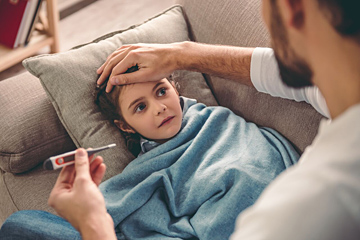
    It’s one of parenting’s many dilemmas – is my child well enough to go to school?  We all want our children to be resilient, but it is not uncommon for kids and teens to pretend to be ill in order to avoid something unpleasant at school like a test or a boring assembly.  So how is a parent to know when to send him versus when to keep him home?

    “Everyone, especially children, will experience illness from time to time. As parents, we not only want to do what is best for our children but also help minimize the spread of illness to others,” explains White-Wilson Medical Center Niceville Pediatrician Dr. Kyle Simmers. “Even once the symptoms have passed, it may still be best to keep your child at home.”

    According to Dr. Simmers, there are specific symptoms to look for when deciding whether or not your child should stay home from school or daycare.  These symptoms include:

    • A fever of 100.4° F or above – Many times, a fever means your child is fighting some kind of illness. A fever may also mean your child is contagious. Keeping them home until 24 hours after the fever breaks will make sure your child is on the mend and reduce the risk of spreading illness to other kids.
    • Vomiting or diarrhea – Multiple instances of vomiting or diarrhea within a short period of time usually mean something is up. While it could be something innocuous, consistent bouts of vomiting and/or diarrhea are a warning sign and can be very contagious. As is the case of a fever, a child should go 24 hours without an occurrence before returning to school.
    • Pain such as a headache, ear pain, abdominal pain or sore throat, especially when accompanied by other symptoms – Pain and discomfort can keep your child from concentrating during class, but more importantly, when accompanied by other symptoms like a fever, may be a sign of something bigger. Parents should monitor a child complaining of pain and visit a doctor immediately if you become concerned.
    • Uncontrolled coughing – As with some of the previous symptoms, uncontrolled coughing can make it difficult for a child to pay attention in class and may disrupt the classroom environment. Furthermore, an uncontrolled cough, or any other symptom that may affect your child’s breathing, should be watched closely in case something more serious is going on.
    • Rashes and red eyes – While a child may not complain about these symptoms, they could be a sign of something contagious. A pediatrician should always examine unexplained rashes and red eyes. They may not be particularly uncomfortable for a child at first, but they may worsen or spread.
    • Head lice – Lice can be transferred from child to child. Once lice are spotted it is important to treat your child with approved over the counter or prescription medications as soon as possible and to monitor lice activity. The Center for Disease Control offers guidelines on how to treat your family and home for lice and you should check with your child’s school regarding their policy for when a child may return after treatment.

    If you are unsure if your child should stay home or not, Dr. Simmers suggests contacting your pediatrician’s office. They can provide advice, and in many cases, see you the same day. It is best to work with your pediatrician to determine the appropriate steps to help your child feel better and to stop the spread of illnesses.

    Dr. Simmers is board-certified by the American Board of Pediatrics and practices at the White-Wilson Pediatric Clinic in Niceville, Florida. He is now accepting new patients. The White-Wilson Pediatric Clinic in Niceville is open 8 a.m. to 5 p.m. Monday through Friday and Saturday from 8 a.m. to noon. Same day appointments are available.
  • The Importance of Back-to-School Physicals

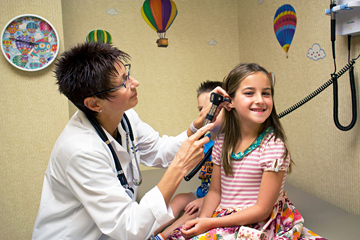
    School is out for summer! Although it may seem like the break has just begun, summer goes by in the blink of an eye and it is not too early to start planning for the school year ahead. From gathering supplies to meeting your child’s new teacher, there are many things for you to do before the year starts. One of the most importantis to schedule your child’s back-to-school physical and wellness visit.

    “Back-to-school physicals are an important part of your child’s health care,” White-Wilson pediatrician Dr. Irina Smith says.  “Getting a physical annually will help ensure your child stays healthy and starts off the school year off right.”

    Dr. Smith recommends that all school-age children visit their pediatrician for their back-to-school physical every year.

    “Pediatricians use these visits to measure your child’s growth and development,” she explains. “An annual physical is a time dedicated to tracking your child’s development and discussing any concerns. It is a time for pediatricians to work with parents to plan for the year ahead and discuss strategies for things like asthma control, ADHD management, vaccinations and sports readiness.”

    Other than a general health check-up, the back-to-school physicals also consist of a review of your child’s immunization records. In Florida, like many states, students are required to have specific vaccines before they begin kindergarten and others as they age. Failure to complete these immunizations may result in your child being unable to enroll. At your back-to-school appointment, your pediatrician can discuss vaccination requirements and answer any questions about them.

    “If your child does need a vaccination,” Dr. Smith says, “we will be able to administer it during the same visit and provide you with an updated record for your child’s school.”

    In short, back-to-school visits are essential because they prepare you and your child for the next year and help them put their best foot forward. It is a time to partner with your child’s pediatrician, to celebrate milestones and to create a plan that is best for your family.

    “Being active and attentive in school is an extremely important part of your child’s development,” Dr. Smith concludes. “Just like you, we want to see them succeed and it all starts with their health.”

    As the school year approaches, appointments do fill quickly. Beat the rush by scheduling your appointment now. Dedicated appointment spots are available each day in Fort Walton Beach, Destin, Navarre and Niceville. Call 850.863.8100 today to schedule.

  • 6 Things to Discuss with Your Pediatrician

    Dr. Irina Smith sees herself as both your pediatrician and a partner in your health care. In her practice, she has the opportunity to work alongside parents and children to provide the best care possible for her patients.

    “Just like any relationship, communication is key,” says Dr. Smith. “I am here to not only treat illnesses and injuries, but to also help parents and children navigate the ups and downs of childhood. Consistent and open communication allows us to work together closely and ensure the best outcomes.”

    Every parent knows, a visit to the pediatrician’s office can be hectic—especially with other children in tow! It is often long after the appointment that the parents remember the things they meant to ask the doctor.

    Below is a checklist Dr. Smith offers parents and caregivers to help get the most out of their next visit:

    1. Be sure to Discuss Over the Counter Medications – There can be serious side effects from prolonged or misuse of over the counter medications. Even though many over the counter drugs are approved for use in adults and children, your pediatrician can offer recommendations for the most effective medications as well as the most appropriate dosages.
     
    2. Supplements and Alternative Medications – While these drugs may be seen as low risk and even healthy, they aren’t without side effects and may counteract with medications. Always discuss supplements like vitamins, probiotics, herbal supplements and topical treatments your child is taking with your pediatrician.
     
    3. Healthy Weight – Your pediatrician can discuss recommended weight ranges for your child and provide you with healthy eating guidelines and recommendations that will work for your family’s needs.
     
    4. Changes in Behavior – At some point, most children will show changes in behavior and even experience issues at school. Your pediatrician can help put your mind at ease or discuss possible causes for the behavior, such as depression, abuse or mental health issues. Talking with your pediatrician about your concerns will allow you to address these changes and move forward confidently.
     
    5. Vaccinations –Talking with your pediatrician about the vaccinations and how they will protect your child will help you to feel confident about your decisions and your child’s health.
     
    6. Where to Get Information – These days our newsfeed is filled with “experts” promoting one thing or bashing another. This makes it hard for parents to know what to believe. Your pediatrician will point you to trusted sources, like the American Academy of Pediatrics, that offer scientifically backed information and tools.

    “It is important not to just bring your child to the doctor’s office when he or she is sick,” advises Dr. Smith. “By scheduling a wellness visit, you are setting aside a time to be proactive about your child’s health and taking time to track their development. This is how we can be true partners in health and work together to ensure your child’s health and wellness.”

    Dr. Irina Smith is board-certified by the American Board of Pediatrics with over 20 years of experience. She cares for pediatric patients ages 18 and under at the White-Wilson Pediatric Clinic in Destin where she is currently accepting new patients. Learn more about Dr. Smith here.