Tag: ENT

  • Sinusitis in Children- How do I know when my child has sinusitis?

    Your child’s sinuses are not fully developed until age 20. Although small, the maxillary (behind the cheek) and ethmoid (between the eyes) sinuses are present at birth. In contrast to adults, sinusitis may be difficult to diagnose because symptoms can be subtle and the causes complex.

    How do I know when my child has sinusitis?

    The following symptoms may indicate a sinus infection in your child:

    • a “cold” lasting more than 10 to 14 days, sometimes with a low-grade fever
    • thick yellow-green nasal drainage
    • chronic cough, especially at night
    • post-nasal drip, sometimes leading to or exhibited as sore throat, cough, bad breath, nausea and/or vomiting
    • headache, usually not before age 6
    • irritability or fatigue
    • swelling around the eyes
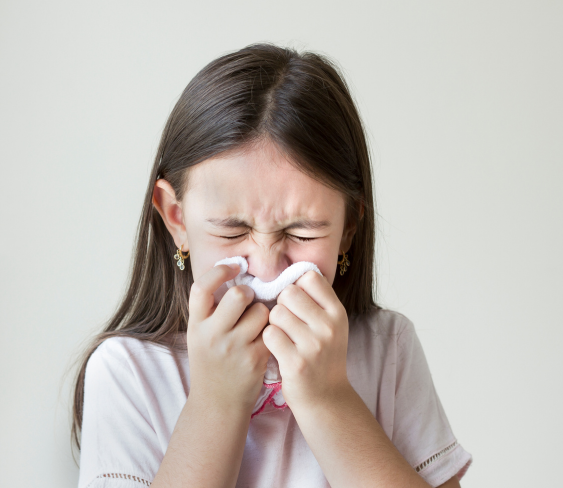
    Young children have immature immune systems and are more prone to infections of the nose, sinus, and ears, especially in the first several years of life. These are most frequently caused by viral infections (colds), and they may be aggravated by allergies. However, when your child remains ill beyond the usual week to ten days, a sinus infection is likely. You can reduce the risk of sinus infections for your child by reducing exposure to known environmental allergens and pollutants such as tobacco smoke, reducing his/her time at day care, and treating stomach acid reflux disease.

    How is sinusitis treated?

    Acute Sinusitis

    Most children respond very well to antibiotic therapy. Nasal decongestants or topical nasal sprays may also be prescribed for short-term relief of stuffiness. Nasal saline (saltwater) drops or gentle spray can be helpful in thinning secretions and improving mucous membrane function. If your child has acute sinusitis, symptoms should improve within the first few days. Even if your child improves dramatically within the first week of treatment, it is important that you continue therapy until all the antibiotics have been taken. Your doctor may decide to treat your child with additional medicines if he/she has allergies or other conditions that make the sinus infection worse.

    Chronic sinusitis

    If your child suffers from sinus symptoms that last for twelve weeks, this is known as chronic sinusitis. If your child has chronic sinusitis or recurrent episodes of acute sinusitis numbering more than four to six per year, your physician may recommend surgical treatment of the sinuses. Enlarged adenoids may be implicated as a cause of chronic sinusitis, and adenoidectomy is sometimes recommended.

    Diagnosis of sinusitis

    An Ear, Nose and Throat (ENT) specialist can usually make a correct diagnosis by examining your child’s ears, nose, and throat and taking a thorough history. Occasionally, a special instrument is used to look into the nose during the office visit. An X-ray called a CT scan may help to determine how your child’s sinuses are formed, where the blockage has occurred, and the reliability of a sinusitis diagnosis.

    If your child is exhibiting symptoms of a sinus infection or sinusitis, it is important to have them evaluated by a pediatrician or an ENT specialist. This will help prevent the condition from worsening and ensure that your child receives the appropriate treatment for a swift recovery.



  • Insight into Tinnitus – The Noise in Your Ear

    Nearly 36 million Americans suffer from tinnitus or head noises. It may be an intermittent sound or an annoying continuous sound in one or both ears. Its pitch can go from a low roar to a high squeal or whine. Before any treatment, it is important to undergo a thorough examination and evaluation by your otolaryngologist. An essential part of the treatment will be your understanding of tinnitus and its causes.

    What cause Tinnitus?
    Most tinnitus comes from damage to the microscopic endings of the hearing nerve in the inner ear. The health of these nerve endings is important for acute hearing, and injury to them brings on hearing loss and often tinnitus. If you are older, advancing age is generally accompanied by a certain amount of hearing nerve impairment and tinnitus. If you are younger, exposure to loud noise is probably the leading cause of tinnitus, and often damages hearing as well.

    There are many causes for “subjective tinnitus,” the noise only you can hear. Some causes are not serious (a small plug of wax in the ear canal might cause temporary tinnitus). Tinnitus can also be a symptom of stiffening of the middle ear bones (otosclerosis).

    Tinnitus may also be caused by allergy, high or low blood pressure (blood circulation problems), a tumor, diabetes, thyroid problems, injury to the head or neck, and a variety of other causes including medications such as anti-inflammatories, antibiotics, sedatives, antidepressants, and aspirin. If you take aspirin and your ears ring, talk to your doctor about dosage in relation to your size.

    While there is no universal cure, many people find relief through strategies like sound therapy, mindfulness, and stress management. Avoiding loud noises, reducing caffeine and alchohol intake, and managing underlying health issues can also help. For persistent or bothersome tinnitus, consulting with a White-Wilson audiologist or an Ear, Nose and Throat (ENT) specialist can provide personalized treatment options and coping strategies.


  • Hearing Loss : Signs and Symptoms

    Do you struggle to hear when you are talking on the phone? Do you find it challenging to pick up conversations when you’re in a group setting?

    Hearing loss is a medical condition. Surgery can only correct hearing loss in a small percentage of people, whereas medical devices and rehabilitation can significantly decrease hearing loss in many patients who cannot benefit from surgery.

    The most common cause of hearing loss in children is otitis media. For the elderly, which is the largest and most vulnerable group affected, excessive noise, medications, toxins, and genetics are the greatest contributing factors. 

    Dr. Tim Skinner, an audiologist at White Wilson Medical Center, explains the warning symptoms of hearing loss. The following are various indicators that you may be experiencing hearing loss.

    • Even with a minor hearing loss, the most common difficulty is understanding speech, especially in noisy situations or when multiple people are talking. Observe how you interact at the next family dinner and note any complaints you have about people mumbling.
    • The next sign is having difficulties hearing on the phone. You may frequently respond by requesting the person on the other end to speak louder or repeat themselves. Another clue could be the need to raise the TV’s volume above its normal level.
    • When you have hearing loss, you will find it more difficult to enjoy social interactions. When a person withdraws from activities they normally like and lacks confidence in social contacts, it indicates a more serious loss.

    If you or your elderly loved ones are experiencing any of these symptoms, contact your primary provider or visit the White-Wilson Audiology service for a hearing health evaluation. For more information, click here.


    The content of this article has been adapted and updated from our video library. If you wish to watch the video, click here.

  • Myth Busters: Only Allergists Can Treat Allergies

    With Spring in full bloom and summer just around the corner, we are seeing more than just tourists arriving here on the Emerald Coast. As is evident by the yellow dust showing up on our cars and, well, everywhere else, allergen levels are on the rise and with them often come an uncomfortable pressure in our heads and noses and itching in our throats. For some, these conditions are a seasonal nuisance, something to just grin and bear for a couple months, but for others, allergies have a serious effect on their overall wellbeing.

    In patients whose allergies result in more than a slightly stuffy nose and scratchy voice, seeking help from a medical professional can minimize or completely relieve these symptoms. When it comes to the medical treatment of allergies, most people generally think of Allergists, but did you know there is another type of doctor who can help?

    “Otolaryngologists specialize in the diagnosis and treatment of diseases and disorders of the ear, nose and throat, but otolaryngology is a mouthful, so you’ll most commonly hear us referred to as ENT doctors,” explains White-Wilson ENT physician, Dr. Roger Skiles. “As specialists we are very experienced in treating any type of inflammation or discomfort in these areas and that includes those caused by allergies.”

    According to Dr. Skiles, allergy symptoms can often be mistaken for other conditions. Visiting an ENT physician in cases where the symptoms last a long time or are reoccurring can help narrow down the cause.

    “Especially this time of year, you will see a lot of patients coming into doctors’ offices complaining of sinus pain and itchy throats,” he explains. “They think it’s nothing but a sinus infection or cold, but many times, there is a greater underlying cause – allergies. We are able to administer tests to patients, exposing them to common allergens and determine which triggers a response. Once we know what is causing the allergic reaction, we can make a plan to offer long term relief or, potentially, prevent symptoms from returning.”

    Today, we have more treatment options than ever before, so just because symptoms are reoccurring, doesn’t mean they have to be. If you are experiencing repeated allergy or sinus issues, Dr. Skiles recommends you first talk to your primary care provider so that they can recommend a specialist that is best suited for your needs.


    Dr. Roger Skiles is a fellowship-trained Ear, Nose and Throat specialist caring for patients at the White-Wilson Ear, Nose & Throat Clinic in Fort Walton Beach. Dr. Skiles is board-certified by the American Board of Otolaryngology and has more than 40 years of experience caring patients. Learn more about Dr. Skiles and his approach to patient care here.

  • Allergy Season Survival Guide

    Little cute girl blowing dandelion seeds on chalkboard - Hope an

    Flowers are blooming, the weather is warming up and spring is here! We were fortunate to have a mild flu season this year, but if you’re one of the 50 million people in the United States who suffer from nasal allergies, you are not in the clear just yet.

    According to White-Wilson Medical Center ENT Specialist, Dr. William Gross, “Seasonal allergies begin early on the Emerald Coast with tree pollens being the first allergens.”

    Dr. Gross_Jan 2016_Cropped
    Dr. William Gross, ENT Clinic

    Dr. Gross adds that we can become sensitized or allergic to many things other than pollen, including foods, house dust, pet dander and mold spores. Mold spore allergy is a major cause of many sinus problems.

    The most common allergy symptoms include sneezing, itchy nose, watery eyes or wheezing.  Occasionally, rashes, food sensitivities, headaches or severe swelling can be allergy related. Allergy symptoms are often mistaken for the common cold.

    “While the common cold may mimic allergy symptoms, the symptoms of a cold usually do not last more than 10 days,” said Dr. Gross. “Some people describe their allergy and sinus problems as the cold that never went away. You should seek medical attention when your symptoms are affecting everyday life.”

    According to the Asthma & Allergy Foundation of America, allergies are one of the country’s most common, but overlooked, diseases. Although there is no cure for allergies, they can be managed with prevention and treatment.

    “Allergies are treatable with allergy avoidance, medication and immunotherapy, such as allergy shots and drops,” said Dr. Gross. “You can also anticipate allergy season and begin treatment yourself with over the counter antihistamines and nasal sprays, such as Flonase or Nasacort, at the start of your allergy season

    For many on the Emerald Coast, allergies are a fact of life. Dr. Gross encourages individuals not to prolong suffering from seasonal or perennial allergies. Today’s medical treatment options can be very helpful and effective.

    “Surgery may be helpful for allergy and sinus problems, and endoscopic sinus surgery is available to help relieve chronic sinus problems,” said Dr. Gross. “There are now less invasive treatment options that can be done in a doctor’s office and require little or no downtime.”

    You do not have to suffer with allergy and sinus problems. Pay attention to when your allergies flare up, and be proactive in seeking medical treatment when avoidance or over the counter medications are not effective. Once you get your allergies under control, be sure to stop and smell the roses this spring!

    KKUZX97AQN

    To learn more about the White-Wilson ENT Clinic or to schedule an appointment with Dr. Gross, call (850) 863-8275.