
Tag: Health Screening

  • Breast Cancer Awareness Month: Early Detection Saves Lives

    October is Breast Cancer Awareness Month, and it’s the perfect time to focus on one of the most important things you can do for your health: early detection. While a breast cancer diagnosis can feel overwhelming, catching it early dramatically improves treatment outcomes. The good news? There are simple steps you can take today to protect yourself.

    Know Your Body

    Your breasts change throughout your life, and that’s completely normal. However, knowing what’s normal for you makes it easier to spot when something’s different. Get familiar with how your breasts usually look and feel. If you notice any changes—like a new lump, skin dimpling, nipple discharge, or unusual pain—don’t wait. Contact your doctor right away.

    Simple Screening Guidelines

    Mammograms save lives by detecting cancer before you can feel it. Here’s what most women should know:

    • Ages 40-44: Talk with your doctor about when to start mammograms based on your personal risk factors.
    • Ages 45-54: Annual mammograms are recommended.
    • Ages 55 and older: Mammograms every two years or continue yearly if you prefer.

    If you have a family history of breast cancer or other risk factors, your doctor may recommend starting screenings earlier or more frequently.

    What you Healthy Habits That Help

    While you can’t control every risk factor, certain lifestyle choices can lower your risk:

    • Stay active: Aim for at least 150 minutes of moderate exercise weekly—even brisk walking counts!
    • Maintain a healthy weight: Extra body weight, especially after menopause, increases risk.
    • Limit alcohol: Keep it to one drink per day or less.
    • Don’t smoke: Smoking is linked to many cancers, including breast cancer.
    • Breastfeed if possible: Women who breastfeed may have a slightly lower risk.

    You’re Not Alone

    If you’re diagnosed with breast cancer, remember that you’re joining a community of millions of survivors. Treatment options have never been better, and support is available every step of the way. From support groups to counseling services, you don’t have to face this journey alone.

    Take Action This Month

    Taking care of yourself isn’t selfish—it’s essential. Your loved ones need you healthy and strong. This October, make your health a priority:

    1. Schedule your mammogram if you’re due for one
    2. Do a self-check and note any changes
    3. Talk to your family about their health history
    4. Share this information with the women in your life

    Early detection is your best defense. One simple screening could save your life. Don’t put it off—schedule your mammogram or discuss any concerns with your healthcare provider.


    Sources: American Cancer Society, National Cancer Institute, Centers for Disease Control and Prevention
  • Why Does My Doctor Order Blood Tests?

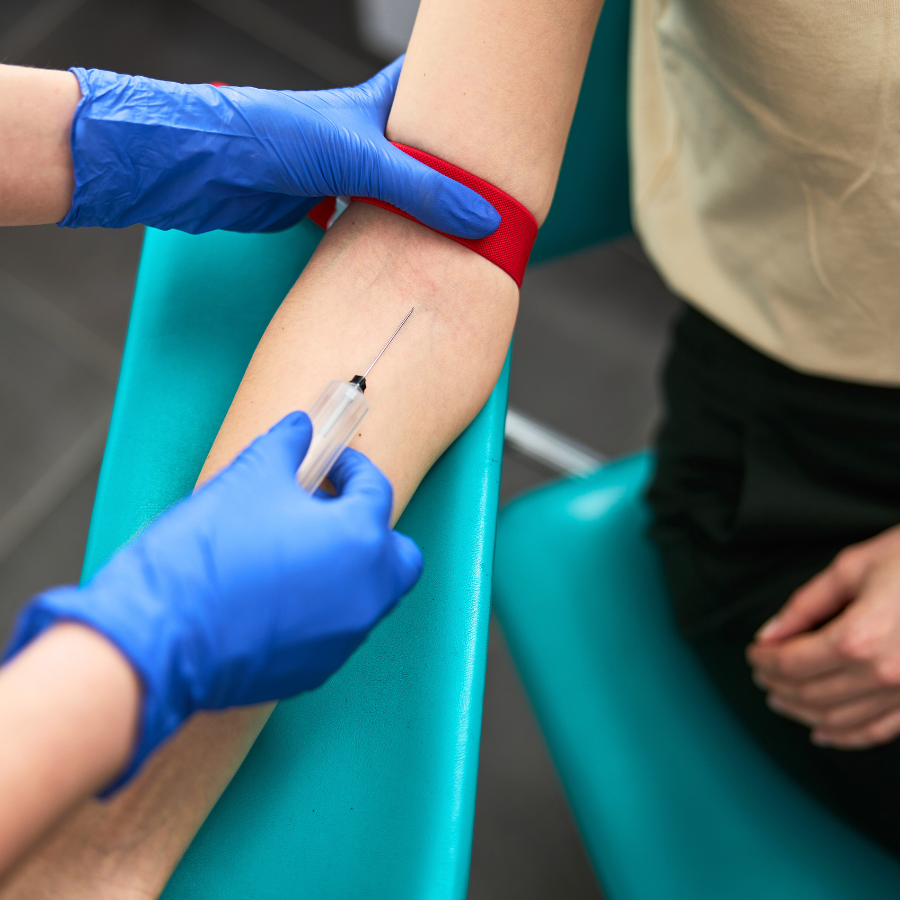
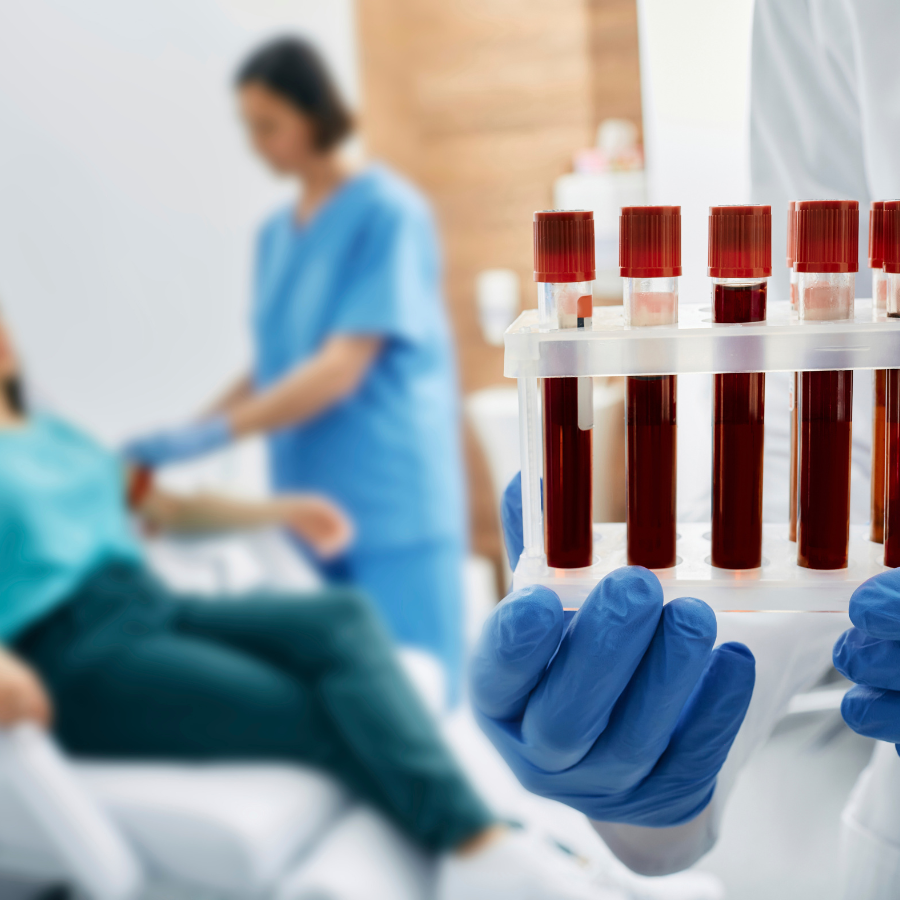
    The three words “let’s do bloodwork” will either make you nervous or make you question what your doctor is looking for. One of the most effective diagnostic methods in medicine is blood testing, that provides your doctor with a comprehensive picture of your internal health.

    Your blood carries vital information about nearly every organ system. Blood tests can help your doctor diagnose a variety of health conditions, including infections, anemia, high cholesterol, vitamin deficiencies, organ failure, HIV, cancer, and diabetes.  Think of them as your body’s personal progress report, helping you and your healthcare team stay one step ahead.

    Common Reasons for Blood Work

    • Maintaining Health – Regular health screenings such as annual physicals often include a complete blood count (CBC) and a comprehensive metabolic panel. These assessments are essential for establishing baseline health markers and identifying potential issues at an early stage.
    • Detection – During a physical checkup, doctors often request blood tests to screen for various conditions, including heart disease, thyroid disease, cancer, diabetes, and sexually transmitted infections. If you are experiencing an unexpected level of fatigue? Your doctor may test for anemia or thyroid problems.
    • Prevention and Monitoring – Many medications require regular blood monitoring to ensure they’re working effectively and not causing harmful side effects. They can also monitor the effectiveness of treatments. Medications for diabetes, blood thinners, and cholesterol frequently fall under this testing.
    • Chronic Disease Management: Conditions like diabetes, kidney disease, and heart conditions require ongoing blood monitoring to track disease progression and treatment effectiveness.

    What you need to know before your blood test.

    Most regular blood tests require an 8-12 hour fast, which means no food or beverages other than water. Your provider will guide you on how to prepare for your blood tests. It is essential that you follow your doctor’s specific instructions because certain procedures have different requirements.

    Understanding Your Results

    While your doctor goes over the results with you, don’t be concerned if anything appears “abnormal”. Many factors, including recent illness, medicines, and even the time of day, can influence results. Your doctor considers your overall medical history, not just specific statistics. Don’t be hesitant to ask your doctor questions to ensure you understand what your blood test results mean and what you should do next.

    The Bottom Line

    Blood tests are not to be feared; they are your doctor’s method of being thorough and proactive about your health. These tests can detect problems before you notice symptoms, monitor existing illnesses, and check that treatments are working effectively.

    Remember, regular blood tests are an investment in your long-term health. When your doctor recommends it, the result will give you valuable insights into your body’s inner workings.


    Always consult with your healthcare provider about your specific medical needs and test results. This information is for educational purposes only.