
When was the last time you scheduled a checkup? If you’re similar to most individuals, your busy schedule often pushes preventive care to the back of your priority list. Between work deadlines, family obligations, and daily responsibilities, it’s easy to put off that appointment. But here’s the truth: catching health issues early can make all the difference between a simple intervention and a serious health crisis.
APRN Margaret Avery, an Internal Medicine specialist at White-Wilson Internal Medicine in Fort Walton Beach, gives us a rundown of the essential health screenings.
The Foundation: Annual Basics
· Routine Physical Exams are yearly visits that give your primary care provider a complete picture of your health. “During your physical, we review your medical history, discuss any concerns, perform a comprehensive examination, and catch potential problems before they become serious” explained APRN Avery.
· Blood Pressure checks are quick, painless, and absolutely important. High blood pressure often has no symptoms, yet it significantly increases your risk of heart disease, stroke, and kidney problems. Early detection and management of high blood pressure, through lifestyle changes or medication, can often prevent serious complications down the road.
· Blood Sugar Testing helps identify prediabetes and diabetes early, when lifestyle changes can have the biggest impact on your health. A simple blood test has never been more important. APRN Avery advises that early detection means you can take action before diabetes damages your eyes, kidneys, nerves, and blood vessels.
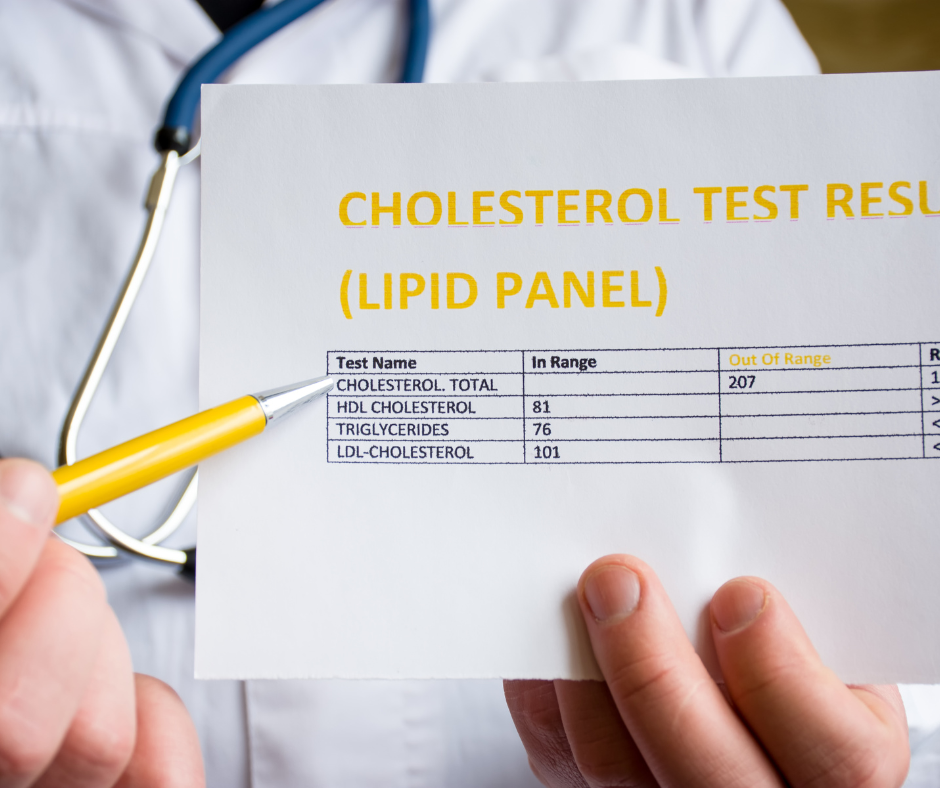
· Cholesterol Screening reveals your heart disease risk through a simple blood draw. Even if you feel perfectly fine, high cholesterol silently damages your arteries over time, setting the stage for heart attacks and strokes. Knowing your numbers empowers you to make informed decisions about diet, exercise, and treatment options.
Cancer Screenings Save Lives
When it comes to cancer, early detection is powerful medicine. When detected in their earliest stages, many cancers are highly treatable. APRN Margaret Avery explained age-specific and gender screenings.
· Cervical Cancer Screening through Pap smears has dramatically reduced cervical cancer deaths over the past several decades. Most women should start screening at age 21 and continue at regular intervals. Combined with HPV testing, this screening has become one of medicine’s greatest success stories in cancer prevention.
· Colorectal Cancer Screening should begin at age 45 for most people, though you may need to start earlier if you have a family history. Options include colonoscopy, stool-based tests, and other methods. While colonoscopy prep isn’t anyone’s favorite activity, this screening literally saves lives by detecting and removing precancerous polyps before they become dangerous.
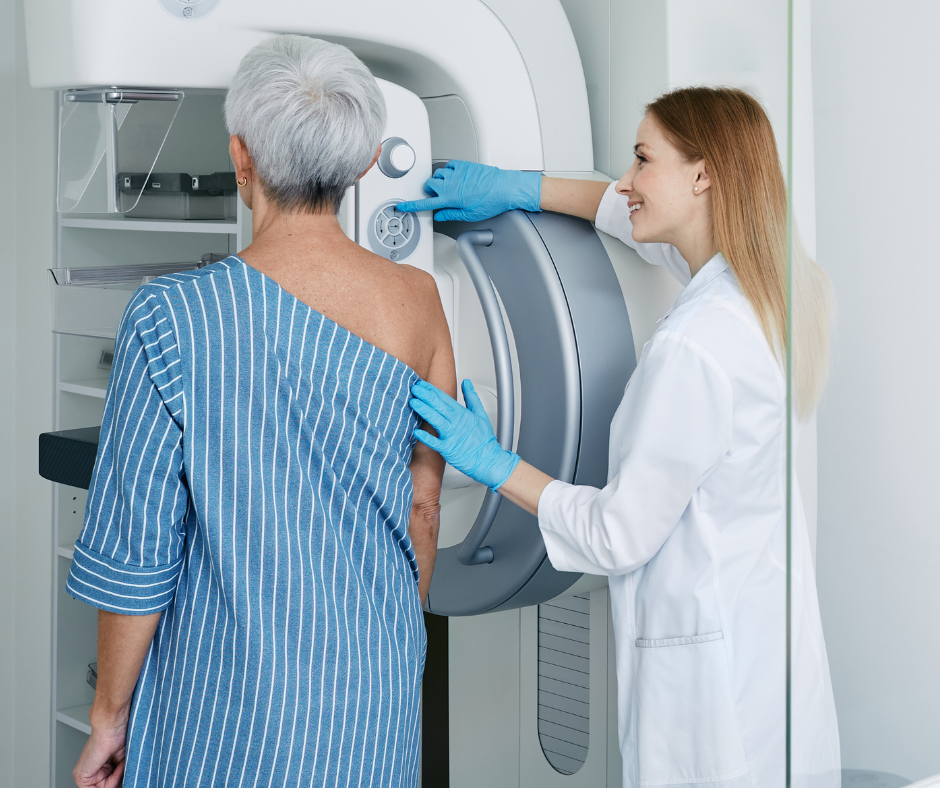
· Mammograms are recommended annually or biennially for women starting at age 40-50, depending on your individual risk factors and family history. Breast cancer is highly treatable when caught early, and mammography remains our best tool for early detection.
· Skin Checks help catch melanoma and other skin cancers early, when they’re most treatable. During your appointment, your provider can examine any changes or suspicious moles. Between visits, perform self-checks monthly and watch for the ABCDEs: asymmetry, border irregularities, color changes, a diameter larger than a pencil eraser, and evolution or change over time.
· Prostate Exams are important for men, typically starting at age 50 or earlier if you have risk factors like family history. The conversation about prostate screening has evolved. Speak to your primary care provider to learn about the benefits and limitations, which will help you make an informed decision about what’s right for you.
Don’t forget these frequently overlooked tests.
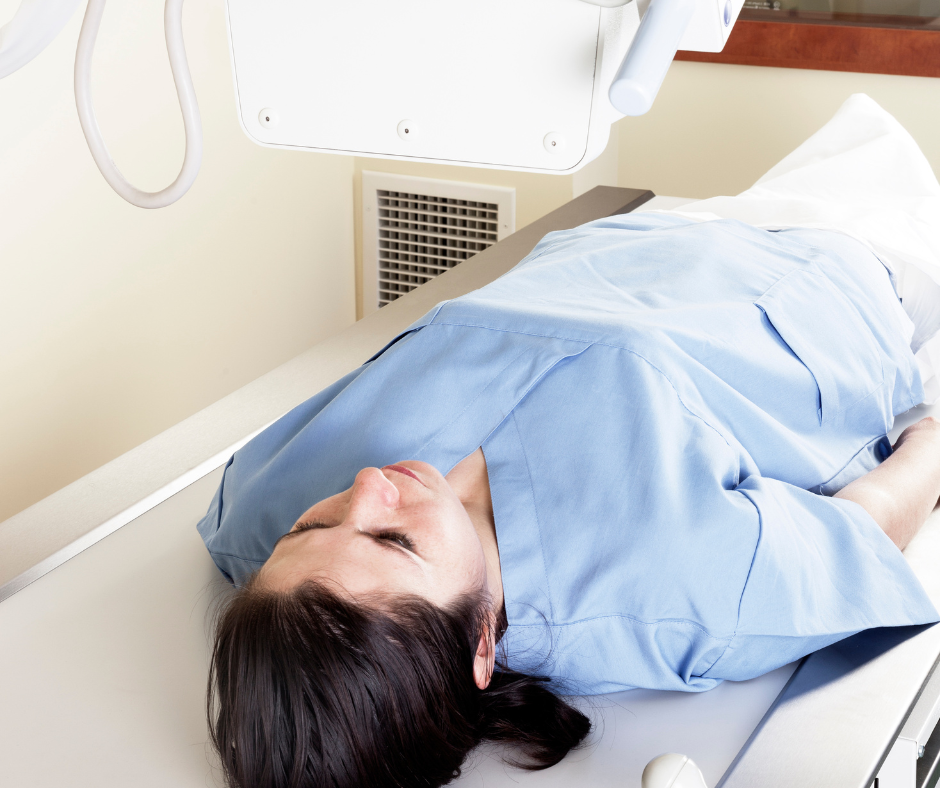
· Bone Density Scans screen for osteoporosis, a condition that weakens bones and increases fracture risk. This is especially important for women over 65, but men can develop osteoporosis too. Risk factors include family history, small body frame, smoking, excessive alcohol use, and certain medications. “The earlier we identify bone loss, the more we can do to prevent devastating fractures,” says APRN Avery.
· Height and Weight measurements help track changes that might signal health concerns, from unexplained weight loss that could indicate an underlying condition to gradual weight gain that increases your risk for diabetes, heart disease, and joint problems. Height measurements are particularly important as we age, since significant height loss can indicate vertebral fractures or osteoporosis.
· Dental Checkups twice yearly keep your teeth healthy and can reveal signs of other health problems you might not expect. Your dentist might be the first to spot signs of diabetes, vitamin deficiencies, acid reflux, or even heart disease. There is growing evidence that that gum disease is linked to heart problems, making those cleanings more important than ever.
Making It Happen
The best screening schedule is one tailored to you based on your age, family history, lifestyle, and risk factors. Some tests you will need annually, others every few years, and some only once or twice in your lifetime.
“Don’t wait for symptoms to appear. Many serious conditions develop silently, which is exactly why preventive screenings are so valuable. Health screenings give us the power to intervene early, when treatment is most effective and outcomes are best,” advises APRN Avery.
Ready to get on track? Call your White-Wilson primary care provider today to schedule your next appointment. Your provider will review which screenings are right for you and create a personalized prevention plan. Your future self will thank you.
APRN Margaret Avery is an advanced registered nurse practitioner at White-Wilson Internal Medicine Clinic in Fort Walton Beach. Learn more about APRN Margaret Avery and her approach to patient care here.