
When it comes to medical emergencies, knowing the warning signs of a heart attack versus a stroke can be lifesaving. While both conditions require immediate medical attention, they affect different parts of the body and present distinct symptoms. Understanding these differences empowers you to act quickly and potentially save a life.
What’s Happening in Your Body?
A heart attack occurs when blood flow to part of the heart muscle becomes blocked, usually by a blood clot. Without oxygen-rich blood, the heart muscle begins to die.
A stroke, on the other hand, happens when blood flow to part of the brain is interrupted, either by a blockage or a ruptured blood vessel. Brain cells start dying within minutes without oxygen.
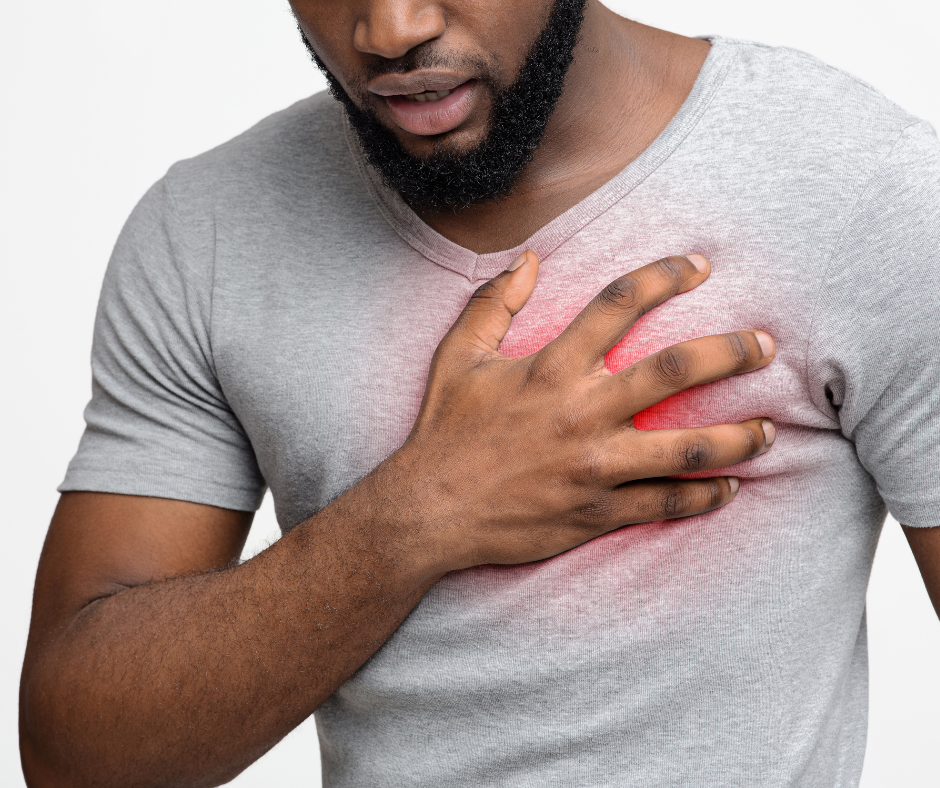
Recognizing a Heart Attack
The classic sign of a heart attack is chest discomfort, often described as pressure, squeezing, fullness, or pain in the center of the chest. This discomfort may last several minutes or come and go. However, heart attacks don’t always announce themselves with dramatic chest pain.
Other warning signs include:
- Discomfort in the upper body such as arms, back, neck, jaw, or stomach.
- Shortness of breath, which can occur with or without chest discomfort.
- Breaking out in a cold sweat, nausea, or lightheadedness.
It’s important to note that women may experience heart attacks differently than men. While chest pain is still the most common symptom, women are more likely to have shortness of breath, nausea, vomiting, and back or jaw pain.
Identifying a Stroke
For strokes, remember the acronym FAST: Face, Arms, Speech, Time.
- Face drooping: Ask the person to smile. Does one side of the face droop or feel numb?
- Arm weakness: Ask them to raise both arms. Does one arm drift downward?
- Speech difficulty: Ask them to repeat a simple sentence. Is their speech slurred or strange?
- Time to call 911: If you observe any of these signs, call emergency services immediately.
Additional stroke symptoms include sudden confusion, trouble seeing in one or both eyes, difficulty walking, dizziness, loss of balance or coordination, and severe headache with no known cause. Unlike heart attacks, strokes typically don’t cause chest pain.
Why Every Second Counts
For both conditions, time is critical. During a heart attack, every minute without treatment means more heart muscle damage. With strokes, there’s a saying in medicine: “Time is brain.” The longer brain cells go without oxygen, the more permanent the damage.
Don’t wait to see if symptoms go away. Never drive yourself to the hospital if you suspect a heart attack or stroke, call 911. Emergency medical teams can begin treatment on the way to the hospital and alert the emergency department to prepare for your arrival.

Take Action
Knowing these warning signs isn’t just about medical knowledge, it’s about being prepared to protect yourself and those around you. Share this information with family and friends.
If you have risk factors for heart disease or stroke, such as high blood pressure, diabetes, or a family history, discuss prevention strategies with your healthcare provider. Your awareness today could make all the difference tomorrow.
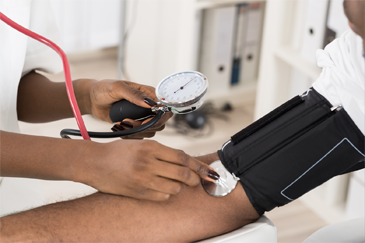 The leading cause of death for both men and women in our country is heart disease. It is paramount that we take steps to make sure our heart is healthy. That means that we must routinely break out the blood pressure cuffs and assess our heart health. Before you do, there are a few changes that you should know.