Tag: Immediate Care

  • Kidney Infection vs. Urinary Tract Infection: When Should You Go to the ER?

    If you’ve ever felt that familiar burning sensation when you urinate, you know how uncomfortable a urinary tract infection (UTI) can be. But what happens when you start having a fever, chills, or sharp pain in your back? These could be a sign that an infection has spread to your kidneys.

    Understanding the difference between a urinary tract infection (UTI) and a kidney infection and knowing where to seek care can make a real difference in how quickly you recover.

    What’s the Difference?

    A urinary tract infection (UTI) starts in the lower part of your urinary system, most often the bladder. It’s extremely common, especially in women, and usually causes symptoms like a burning feeling when you urinate, a frequent urge to go, and cloudy or strong-smelling urine.

    A kidney infection (medically called pyelonephritis) happens when bacteria travel upward from the bladder into one or both kidneys. The kidneys are vital organs that filter your blood, so an infection is a much more serious matter. Left untreated, a kidney infection can spread into the bloodstream and become life-threatening.

    How to Tell Them Apart?

    A typical UTI usually involves some or all of these symptoms:

    • Burning or pain during urination
    • Feeling like you need to urinate frequently, even when little comes out
    • Cloudy, dark, or strong-smelling urine
    • Pressure or mild cramping in the lower abdomen or pelvis
    • Little to no fever

    A kidney infection includes those same symptoms, but with additional warning signs that signal something more serious is happening:

    • Fever of 101°F (38.3°C) or higher
    • Shaking chills or rigors
    • Persistent pain in your back, side, or flank
    • Nausea or vomiting
    • Fatigue or a feeling of being very unwell

    The key distinction: if you have urinary symptoms plus a fever, treat it as a kidney infection until a doctor tells you otherwise.

    Urgent Care or Emergency Room?

    Once you suspect a kidney infection, the next decision is where to go. Go to urgent care if:

    • Your symptoms are manageable, with a mild fever (below 101°F),
    • You have some back discomfort but can tolerate it,
    • You are not vomiting and are able to keep fluids down.

    Urgent care centers can diagnose a kidney infection with a urine test and prescribe the right antibiotic, often the same day. Go to the emergency room if:

    • Your symptoms are severe or escalating, with a high fever and shaking chills,
    • Intense pain in your back or abdomen,
    • Repeated vomiting, confusion, or an overall sense that something is seriously wrong.

    The ER can provide IV antibiotics, fluids, and monitoring that urgent care simply cannot. Always go to the ER if you are pregnant, over 65, under 2 years old, diabetic, or have a weakened immune system or kidney disease, even if your symptoms seem mild. These face a much higher risk of rapid deterioration.

    The Bottom Line

    Both UTIs and kidney infections are treated with antibiotics, but a kidney infection usually requires a longer course and sometimes IV treatment in a hospital setting. Do not wait to see if the symptoms improve on their own.

    If you’re asking yourself, “Should I go to the ER?” and you genuinely feel awful, the answer is yes. Kidney infections can escalate to sepsis, a dangerous, body-wide response to infection within hours. Getting checked out is always the right call.


    White-Wilson Immediate Care Clinic in Fort Walton Beach is open seven days a week with no appointment needed. If you’re experiencing a medical emergency, please call 911 or go to your nearest emergency room immediately.

    This article is intended for general informational purposes only and does not constitute medical advice. Always consult a qualified healthcare provider with questions about your health.


  • How to Find Relief for Strep Throat

    Feeling That Scratch in Your Throat?

    If you’ve been hit with strep throat recently, you know just how miserable it can be. There are plenty of ways to ease the discomfort and help your body heal, and most of them start right at home.

    First Things First: See Your Doctor

    Before diving into remedies, here’s an important reminder. Strep throat is a bacterial infection, which means antibiotics are often the most effective treatment. If you suspect strep, especially if you have a sudden sore throat, fever, or difficulty swallowing, it’s worth calling your doctor or visiting White-Wilson Immediate Care for a quick test. Antibiotics can shorten your illness and prevent it from spreading to others.

    While you wait for your appointment or recover alongside your medication, these remedies can make a real difference in how you feel.

    • Warm Liquids Are Your Best Friend

    Staying hydrated is one of the simplest and most effective things you can do. Warm water, herbal tea, and broth can all help soothe an irritated throat. Try sipping throughout the day rather than taking large gulps, and keep a glass nearby at all times. Warm liquids keep your throat moist and can loosen up congestion.

    • The Classic: Salt Water Gargle

    This one has been around forever and for good reason. Dissolving about half a teaspoon of salt in a glass of warm water and gargling for 30 seconds can help reduce swelling and kill bacteria on the surface of your throat. Do not swallow after gargling; spit it out, and repeat a few times a day.

    • Honey and Lemon

    A warm mug of water with honey and lemon can help to ease the discomfort. Honey has natural antibacterial properties and coats your throat, while lemon adds vitamin C and helps thin mucus. Together, they make a surprisingly effective combination for easing that scratchy feeling.

    • Rest and Sleep

    Your body does its best healing when you give it time to recover. Try to get plenty of sleep and take it easy for a day or two. Pushing through when you’re sick only delays recovery and makes symptoms linger longer.

    • Over-the-Counter Pain Relief

    Medications like acetaminophen or ibuprofen can help reduce both pain and fever. Be sure to follow the dosage instructions on the label, and check with your pharmacist if you’re unsure which option is right for you.

    • Cold Treats Can Help Too

    Ice chips, popsicles, and cold water can actually numb the throat and provide temporary relief from pain. If the idea of warm drinks doesn’t appeal to you, cold options are a perfectly valid alternative.

    When to Call Your Doctor Again

    Don’t wait if your symptoms get worse instead of better after a few days or if you develop a high fever, trouble breathing, or a rash. These could be signs of a complication that needs medical attention.

    Taking care of yourself when strep strikes doesn’t have to be complicated. A little rest, some warm drinks, and the right treatment can have you feeling better in no time.


    Always consult with your healthcare provider about your specific medical needs. This information is for educational purposes only.

  • Preventing and Treating Bug Bites

    In the summer, there are numerous outdoor activities to enjoy with your family and friends. It is likely that insects and other creatures will join us as we spend time outside. Bug bites, like all other types of injuries, are common at the Immediate Care clinic.

    Here are some tips to protect yourself from bug bites.

    To protect yourself from being bitten by insects, we strongly recommend that you put on proper clothing, such as long sleeves, before stepping outside. When you are in a wooded area, wearing long, comfortable pants will help protect your legs.

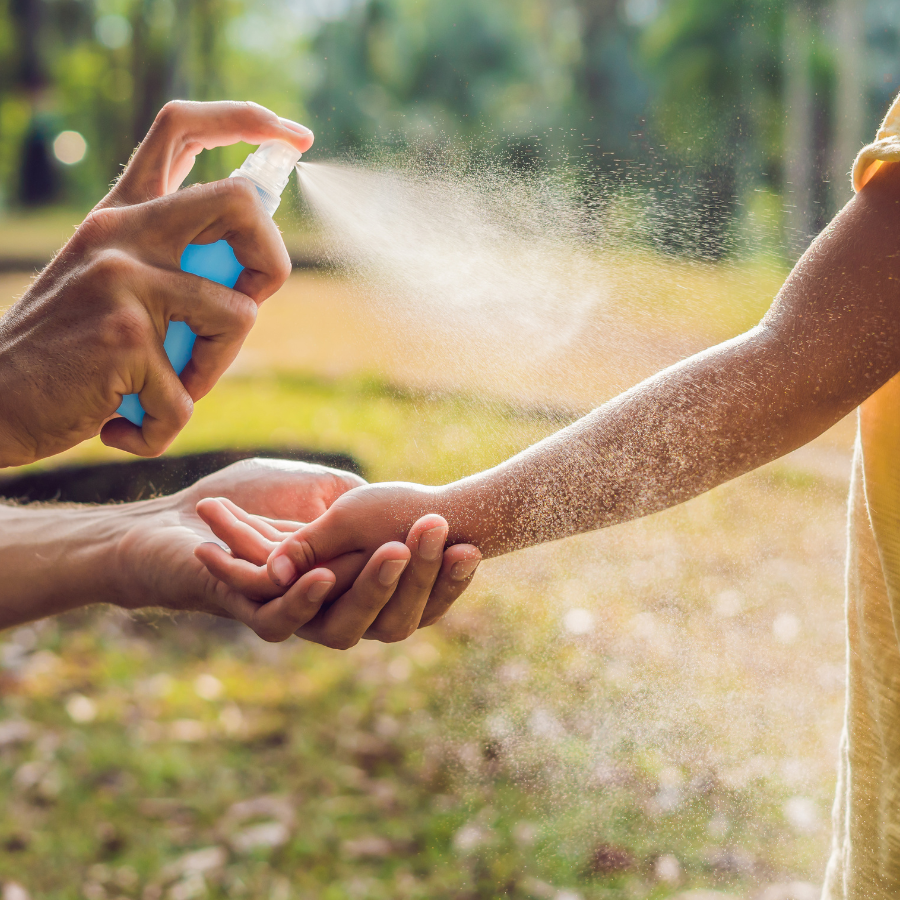
    In addition to bug-resistant clothes, there are commercial products available that can repel insects such as mosquitoes, ants, beetles, and even ticks.

    If you are also wearing sunscreen, apply your sunscreen first, let it dry, and then apply the insect repellent. Avoid using sunscreen that contains insect repellent, as you should apply sunscreen liberally and often and apply insect repellent sparingly.

    Treating Bites

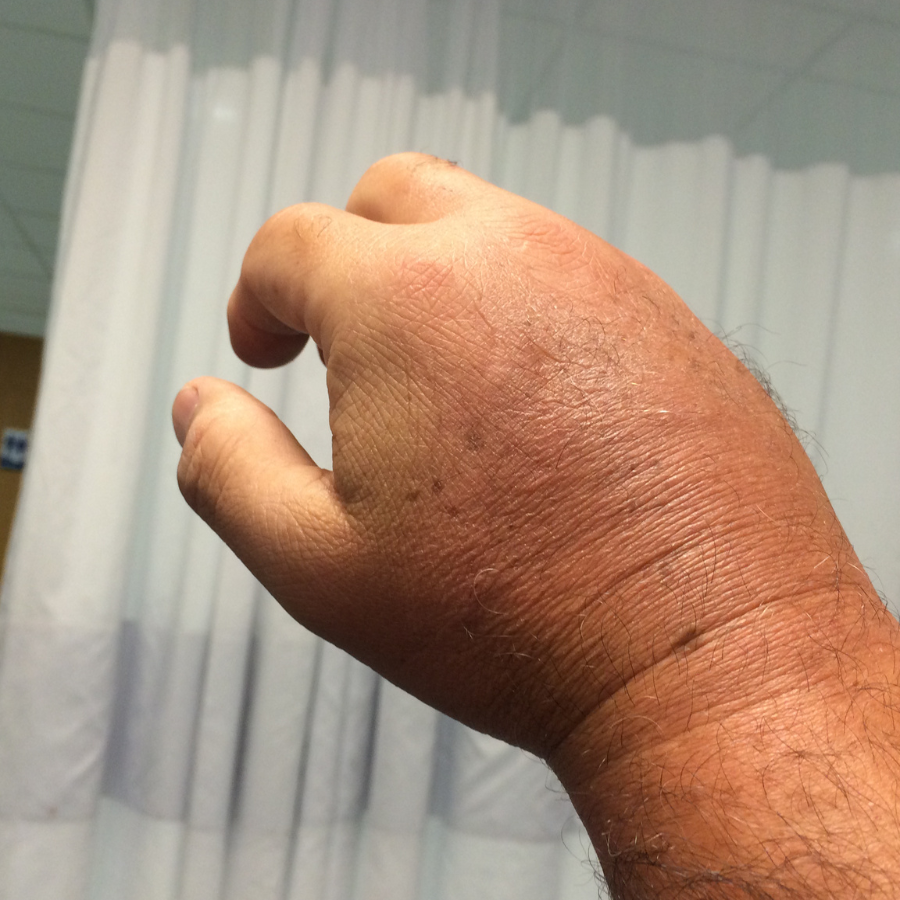
    Regarding bites, do not be alarmed, as most of them are simply localized skin irritations. If you experience stings from bees, wasps, or other insects, it is critical to remove their stingers since they can attract other insects. Gently cleanse the bite area with soap and water.

    You can reduce some of the pain by applying a cloth dampened with cold water or filled with ice to the affected skin. Keep it on for 10 to 20 minutes. This helps reduce pain and swelling. You can also take a tiny dose of Benadryl to alleviate the pain.

    If the redness and swelling surrounding the bite mark deepen and become more inflamed, or if you have a fever, headache, or other similar symptoms, you should wait a day or two before seeking medical care. However, if the symptoms persist or you develop serious reactions such as hives, trouble breathing, vomiting, or diarrhea, seek treatment at White-Wilson Immediate Care.


    The content of this article has been adapted and updated from our video library. If you wish to watch the video, click here.

  • Stomach Bug Survival Tips 

    Catching a stomach bug, also called viral gastroenteritis, is never fun. The sickness is most often associated with vomiting, diarrhea, fever, cramps and nausea, and it is unfortunately very common, especially among young children. While the sickness typically lasts a few hours to a few days, it is nevertheless important to be prepared if or when you or a family member catches it. 

    There are several viruses that can cause a stomach bug, explains White-Wilson Nurse Practitioner (APRN) Julie Powell. Two of the most common ones are norovirus and rotavirus, and they both are spread through close interaction with infected individuals and from contact with contaminated objects or surfaces. 

    “One of the most effective ways to prevent catching a stomach bug is through washing your hands regularly,” says APRN Powell. “Before eating, after using the bathroom and once arriving home from an outing will help. These types of viruses can spread quickly through a household, particularly if you have children. In that case, your best defense is to thoroughly clean high touch surface areas and doorhandles, remotes, cell phones, and toys.”

    If you or a family member does catch a stomach bug, APRN Powell recommends following these care tips:

    • Remain hydrated. Even if you are not able to keep solid foods down, be sure to frequently take small sips of water and an electrolyte solution, such as Gatorade or Pedialyte. Sucking on ice chips is another common way to help stay hydrated.
    • Avoid certain foods. Consuming foods such as caffeine, candy or ice cream may make symptoms like diarrhea worse. Instead, opt for soft and bland foods that are easy on the stomach such as chicken and vegetable soups and broths or plain crackers. 
    • Stay home and rest up. Illnesses such as this one can make you feel weak and tired, so it is important to give yourself time to regain your energy. Additionally, be sure to avoid contact with others to mitigate the potential spread of the virus. The CDC recommends staying home for two days after symptoms stop. 

    “While stomach bugs are usually treatable at home, be sure to seek additional care if you become dehydrated or your symptoms persist beyond three days,” stresses APRN Powell. “Our Immediate Care team treats stomach bugs frequently, but be sure to seek emergency medical care as soon as possible if your symptoms become worse.”


    Julie Powell, APRN is a registered nurse practitioner with White-Wilson Medical Center’s Immediate Care team. She prides herself on her attention to detail, being down-to-Earth and easy to talk to. Learn more about APRN Powell and her approach to patient care here. 

  • Myth Busters: Ice is the best way to relieve pain from a burn

    Picture this: You set your favorite dinner, fresh out of the oven, onto the counter to let it cool while you grab a plate and fix your drink. In the process of moving items around, you accidentally brush against the scalding hot dish, giving yourself a minor yet painful burn. Ouch! 

    Is your first reaction to pluck an ice cube out of your glass?

    Thankfully, the majority of first-degree burns can be treated at home. However, there are so many rumored remedies for tending to your red and stinging skin that you might be feeling overwhelmed trying to figure out which one is best. This could leave you asking: Is it okay to ice a burn? 

    A first-degree, or superficial, burn is one that only disturbs the outer layer of skin, explains White-Wilson Advance Practice Registered Nurse (APRN) Shawn Lee. Minor burns like this don’t typically create blisters, but they are usually red, dry and painful. It is important to properly treat them to avoid scarring or prolonged discomfort. 

    “While you should work to cool a burn immediately after it occurs, never place ice on it,” warns APRN Lee. “Because ice is extremely cold, it can actually cause damage to the skin tissue and increase your risk of an infection.”

    APRN Lee continues, “If you place ice on a burn, you will likely not be able to feel just how cold your skin gets. Making the skin too cold will lead to a decrease in blood flow, effectively depriving the tissue of oxygen and causing lasting harm.”

    Instead, place the burn under cool tap water or use a wet, cold compress, elaborates APRN Lee. Doing this for at least 10 to 20 minutes will reduce the stinging sensation as well as help decrease the possibility of scarring or swelling. Once the pain subsides and the skin has cooled, be sure to follow these steps for a full recovery:

    • Carefully apply moisturizer such as petroleum jelly or aloe vera gel to avoid drying out the skin. This will diminish soreness and the chance of infection.
    • Cover the area with a sterile nonstick bandage or dry cloth to protect it from additional damage. 
    • Use mild soap and antibiotic cream as needed to keep the area clean. 
    • Take over-the-counter pain medication such as ibuprofen or acetaminophen to subdue any persistent aching or inflammation. 

    “When in doubt, always err on the side of caution,” emphasizes APRN Lee. “Never use ice, and be sure to consult a health care professional if you are concerned. Our Immediate Care team treats these types of common injuries all the time and can work with you to help prevent infection or scarring. However, if you experience a severe burn, be sure to seek emergency medical care as soon as possible.” 

    This myth is busted!


    Shawn Lee, APRN provides care at White-Wilson Immediate Care in Niceville. Calming and decisive, she believes that communication, listening and explaining the rationale for treatment helps patients to be comfortable in making informed health-related decisions. Learn more about APRN Lee and her approach to patient care here.  

  • Myth Busters: Monkeypox is the Next COVID-19

    Just as it seems like we are transitioning back to (a new) normal after the height of of COVID-19,  another illness is beginning to cause concern.

    Monkeypox is a rare disease caused by an infection with the monkeypox virus and is similar to smallpox. Beginning in January 2022, the United States, as well as many other countries around the world where monkeypox has not historically been reported, have been experiencing an outbreak of the disease. Understandably, this increase in numbers, as well as news coverage of the disease, has many wondering: Is this the next COVID-19?

    “There are many things that set COVID-19 and monkeypox apart,” explains White-Wilson Immediate Care Nurse Practitioner Mary Jean Middleton. “First and foremost, monkeypox has been around for decades whereas COVID-19 was a novel virus, first seen in late 2019. Therefore, we have significantly more research on monkeypox available to us than we did in 2020 for COVID-19”

    According to the CDC, monkeypox was first discovered in animals in 1958 and the first recorded human case occurred in 1970. Until recently, the majority of monkeypox cases were found in central and western Africa. Occasional cases were found in travelers who had been to countries where the disease usually occurs or in imported livestock, but the transmission was generally minimal.

    “One of the hardest parts of fighting COVID-19 was the fact that we knew little about it,” says APRN Middleton. “We had to quickly learn how it spread, how to prevent it and if it could be cured before we could really make any headway against it. With monkeypox, we have decades of experience and research to work off.”

    Like COVID-19, monkeypox can occur in patients of all ages and can be spread through respiratory droplets and bodily fluids as well as physical contact with infected people and items. However, the duration of the contact and exposure to respiratory droplets plays a role in the spread of monkeypox.

    “The current data shows that for monkeypox to spread from one person to another, there must be direct, prolonged exposure to respiratory secretions and bodily fluids,” say APRN Middleton. “That means you have to be in extremely close proximity to the person for a while, such as is the case with intimate contact or physical affection. A cursory pass by a person is not going to infect you nor is being in their presence for a few minutes. This is why the majority of the monkeypox cases we see are the result of close contact, like that between intimate partners. That’s a big difference from COVID, where the virus was spread unknowingly during quick interactions or in public spaces.,” she continues. “Add in the fact that only symptomatic people can spread the virus and infections are visible to those who are infected and to others, and you can see while it is much easier to get COVID-19 than monkeypox.”

    A person with monkeypox can spread it to others from the time symptoms start until the rash has fully healed and a fresh layer of skin has formed. The illness typically lasts 2-4 weeks.

    Signs and symptoms of monkeypox as well as pictures of monkeypox rashes can be viewed on the CDC website. Perhaps one of the biggest differences between the two diseases lies in the availability of vaccines.

     “As I am sure we all remember, COVID-19 vaccines didn’t even exist until late 2020,” she says, “with most people unable to receive them until Spring of 2021 through FDA emergency-use authorizations. For monkeypox, there are two current vaccines with full FDA approval that have been on the market since the 2010s. So, we are able to get ahead of this before it gets bad like in the case of COVID-19.”

    While monkeypox vaccine eligibility is determined by each state’s department of health, most recommend a monkeypox vaccine for people who have been exposed to monkeypox or who may be more likely to get monkeypox, including:

    • People who have been identified by public health officials as a contact of someone with monkeypox.
    • People who know one of their sexual partners in the past two weeks has been diagnosed with monkeypox.
    • People who have had multiple sexual partners in the past two weeks in an area with known monkeypox transmission.

    “To sum everything up, I understand why people would be concerned with an outbreak of monkeypox following so closely behind COVID-19,” concludes APRN Middleton, “but you really don’t have much to worry about. We, as a country, are so much more prepared to fight monkeypox than we were with COVID-19, in part because of the lessons we learned over the past three years.”

    As always, if you have any concerns about your risk for monkeypox or think you may have been exposed, we at White-Wilson Medical Center are ready to help you through.”

    This Myth Is Busted!

    Mary Jean Middleton, APRN is a registered Nurse Practitioner caring for patients at the White-Wilson Immediate Care and Family Medicine clinics in Destin, Florida. Learn more about her approach to patient care here.

  • Myth Busters: The Best Way to Remove a Tick is With Heat

    Long summer days are not only great for hitting the beach but also for exploring trails and wooded areas. Floridians are not the only ones who enjoy these lush areas – mosquitoes, yellow flies and gnats are rampant but there is another pest to watch out for: the tick.
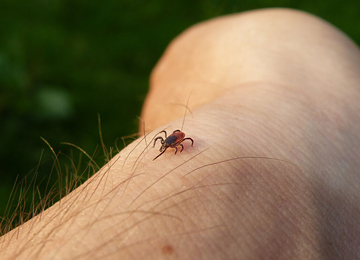
    The Florida Department of Health warns that ticks are typically found in wooded areas or those with long grass. They feed off the blood of animals and can spread diseases through their bites.

    “Most tick-bites will not cause you harm,” White-Wilson Family Medicine provider Melissa McComak, ARNP, FNP, explains.

    “However, in Florida, they may result in well known illnesses such as Lyme disease or Rocky Mountain spotted fever or lesser known ones such as, ehrlichiosis and anaplasmosis. That means, it is important to remove ticks as soon as possible.”

    You may have heard that one sure way to remove ticks is to use heat from a match. But before you start carrying a matchbook around with you at all times, you should know that this is simply an old wives tale.
    “There is no scientific evidence to suggest that heat should be used to remove ticks,” Mrs. McComak says. “The goal is to remove the tick as quickly as possible, not to wait for them to detach.”

    She suggests checking yourself and children when returning from time outdoors. If a tick is spotted, the most efficient way to remove a tick is to use a pair of fine-tipped tweezers.

    “You’ll want to grab the tick as close to the skin as possible and pull upwards steadily, so as to not break off the mouth-parts of the insect.” Mrs. McComak explains. “If you do break off the mouth-parts and they remain in the skin, you can try to remove them with the tweezers or leave it and let the skin heal itself. After the tick is removed, you should thoroughly clean the bite area and your hands with soap and water or rubbing alcohol.”

    Following a tick bite, keep an eye on the bite area for a few weeks to see if you develop a rash or fever. If this occurs, visit your primary care provider as soon as possible and let him or her know about the bite.

    This myth is BUSTED!

  • Myth Busters: You Can Sweat Out The Flu

    This busy cold and flu season, many are willing to try anything to help them get feeling better fast. We are often told that one of the best ways to beat the flu is to sweat it out; but is this true or just another tall tale?

    We are sorry to disappoint you, but there is no research backing the belief that you can sweat out the flu or a cold. There are, however, a few tested and proved tips you can follow to make your time with the flu a tad bit easier.

    “Staying hydrated and getting plenty of rest are the best things you can do to help your body fight the illness,” says Dr. Lee Barnes, a family medicine physician at the White-Wilson Niceville Clinic. “Anything that prevents you from resting or hydrating can actually slow down your recovery.”

    Dr. Barnes urges anyone who thinks they may have the flu to visit their doctor as soon as possible—especially those with pre-existing medical conditions and those most likely to experience complications from the flu, such as children, pregnant women and the elderly.

    “What is most important during a bout with the flu is making yourself as comfortable as you can,” said Dr. Barnes. “A visit to your doctor will help get you on your way to feeling better.”

    So if snuggling up under the blankets makes you feel better, we say go for it! Just don’t expect the heat to beat the flu for you.

    THIS MYTH IS BUSTED.