Tag: internal medicine

  • Living with Prediabetes: Small Changes, Big Difference

    Hearing the word “prediabetes” can feel scary, but here’s the good news: prediabetes is not diabetes, and for many people, it’s reversible. With some lifestyle adjustments, you can lower your blood sugar levels and significantly reduce your risk of developing type 2 diabetes.

    What Does Prediabetes Mean

    Prediabetes means your blood sugar levels are higher than normal, but not yet high enough to be diagnosed as type 2 diabetes.

    Prediabetes is very common. Researchers estimate that 84 million adults in the United States have it. It affects more than 1 in 3 adults under age 65 and half of the people over 65.  Think of it as an early warning sign and a chance to take action before things progress.

    Monitoring Your A1C Matters

    Your A1C test measures your average blood sugar over the past two to three months. For most people, a normal A1C is below 5.7%, prediabetes falls between 5.7% and 6.4%, and 6.5% or higher indicates diabetes.

    Regular A1C checks, which are typically every 3–6 months, as recommended by your doctor, help you and your healthcare team track your progress. Seeing your numbers improve can be motivating, and catching an upward trend early gives you time to adjust your plan before it becomes a bigger problem. Speak with your primary care provider about screening for this condition.

    Dietary Tips That Make a Difference

    • Choose whole grains over refined carbs (brown rice instead of white rice, whole wheat bread instead of white bread).
    • Fill half your plate with vegetables at meals, which are nutritious and low in calories.
    • Limit sugary drinks and snacks, including soda, juice, and desserts. Try water, unsweetened tea, or sparkling water instead.
    • Eat lean proteins like chicken, fish, beans, and tofu to help you feel full longer.
    • Practice portion control using a smaller plate can naturally help reduce portion sizes.

    Lifestyle Habits to Build

    • Move your body daily – Aim for at least 30 minutes of moderate activity like brisk walking most days of the week.
    • Get enough sleep – Poor sleep can affect blood sugar regulation, so aim for 7–9 hours per night.
    • Manage stress – Chronic stress can raise blood sugar levels. Try deep breathing, stretching, or simple hobbies you enjoy.
    • Maintain a healthy weight – Even losing 5–7% of your body weight can make a meaningful difference in blood sugar control.

    Steps to Stay on Track

    • Schedule regular checkups with your doctor to monitor your A1C and overall health.
    • Keep a simple food and activity journal to spot patterns and areas to improve.
    • Set small, realistic goals rather than overhauling everything at once.
    • Building a support system or developing a diabetes prevention program can help keep you accountable.
    • Take medications as prescribed if your doctor recommends them.

    The Bottom Line

    With consistent, manageable changes to your diet, daily habits and regular A1C monitoring, you have real power to improve your health and prevent type 2 diabetes. Small steps today can lead to a healthier tomorrow.


    This article is intended for general informational purposes only and does not constitute medical advice. Always consult a qualified healthcare provider with questions about your health.


  • Kidney Infection vs. Urinary Tract Infection: When Should You Go to the ER?

    If you’ve ever felt that familiar burning sensation when you urinate, you know how uncomfortable a urinary tract infection (UTI) can be. But what happens when you start having a fever, chills, or sharp pain in your back? These could be a sign that an infection has spread to your kidneys.

    Understanding the difference between a urinary tract infection (UTI) and a kidney infection and knowing where to seek care can make a real difference in how quickly you recover.

    What’s the Difference?

    A urinary tract infection (UTI) starts in the lower part of your urinary system, most often the bladder. It’s extremely common, especially in women, and usually causes symptoms like a burning feeling when you urinate, a frequent urge to go, and cloudy or strong-smelling urine.

    A kidney infection (medically called pyelonephritis) happens when bacteria travel upward from the bladder into one or both kidneys. The kidneys are vital organs that filter your blood, so an infection is a much more serious matter. Left untreated, a kidney infection can spread into the bloodstream and become life-threatening.

    How to Tell Them Apart?

    A typical UTI usually involves some or all of these symptoms:

    • Burning or pain during urination
    • Feeling like you need to urinate frequently, even when little comes out
    • Cloudy, dark, or strong-smelling urine
    • Pressure or mild cramping in the lower abdomen or pelvis
    • Little to no fever

    A kidney infection includes those same symptoms, but with additional warning signs that signal something more serious is happening:

    • Fever of 101°F (38.3°C) or higher
    • Shaking chills or rigors
    • Persistent pain in your back, side, or flank
    • Nausea or vomiting
    • Fatigue or a feeling of being very unwell

    The key distinction: if you have urinary symptoms plus a fever, treat it as a kidney infection until a doctor tells you otherwise.

    Urgent Care or Emergency Room?

    Once you suspect a kidney infection, the next decision is where to go. Go to urgent care if:

    • Your symptoms are manageable, with a mild fever (below 101°F),
    • You have some back discomfort but can tolerate it,
    • You are not vomiting and are able to keep fluids down.

    Urgent care centers can diagnose a kidney infection with a urine test and prescribe the right antibiotic, often the same day. Go to the emergency room if:

    • Your symptoms are severe or escalating, with a high fever and shaking chills,
    • Intense pain in your back or abdomen,
    • Repeated vomiting, confusion, or an overall sense that something is seriously wrong.

    The ER can provide IV antibiotics, fluids, and monitoring that urgent care simply cannot. Always go to the ER if you are pregnant, over 65, under 2 years old, diabetic, or have a weakened immune system or kidney disease, even if your symptoms seem mild. These face a much higher risk of rapid deterioration.

    The Bottom Line

    Both UTIs and kidney infections are treated with antibiotics, but a kidney infection usually requires a longer course and sometimes IV treatment in a hospital setting. Do not wait to see if the symptoms improve on their own.

    If you’re asking yourself, “Should I go to the ER?” and you genuinely feel awful, the answer is yes. Kidney infections can escalate to sepsis, a dangerous, body-wide response to infection within hours. Getting checked out is always the right call.


    White-Wilson Immediate Care Clinic in Fort Walton Beach is open seven days a week with no appointment needed. If you’re experiencing a medical emergency, please call 911 or go to your nearest emergency room immediately.

    This article is intended for general informational purposes only and does not constitute medical advice. Always consult a qualified healthcare provider with questions about your health.

  • 12 Essential Health Screenings

    When was the last time you scheduled a checkup? If you’re similar to most individuals, your busy schedule often pushes preventive care to the back of your priority list. Between work deadlines, family obligations, and daily responsibilities, it’s easy to put off that appointment. But here’s the truth: catching health issues early can make all the difference between a simple intervention and a serious health crisis.

    APRN Margaret Avery, an Internal Medicine specialist at White-Wilson Internal Medicine in Fort Walton Beach, gives us a rundown of the essential health screenings.

    The Foundation: Annual Basics

    ·  Routine Physical Exams are yearly visits that give your primary care provider a complete picture of your health. “During your physical, we review your medical history, discuss any concerns, perform a comprehensive examination, and catch potential problems before they become serious” explained APRN Avery.

    ·  Blood Pressure checks are quick, painless, and absolutely important. High blood pressure often has no symptoms, yet it significantly increases your risk of heart disease, stroke, and kidney problems. Early detection and management of high blood pressure, through lifestyle changes or medication, can often prevent serious complications down the road.

    · Blood Sugar Testing helps identify prediabetes and diabetes early, when lifestyle changes can have the biggest impact on your health. A simple blood test has never been more important. APRN Avery advises that early detection means you can take action before diabetes damages your eyes, kidneys, nerves, and blood vessels.

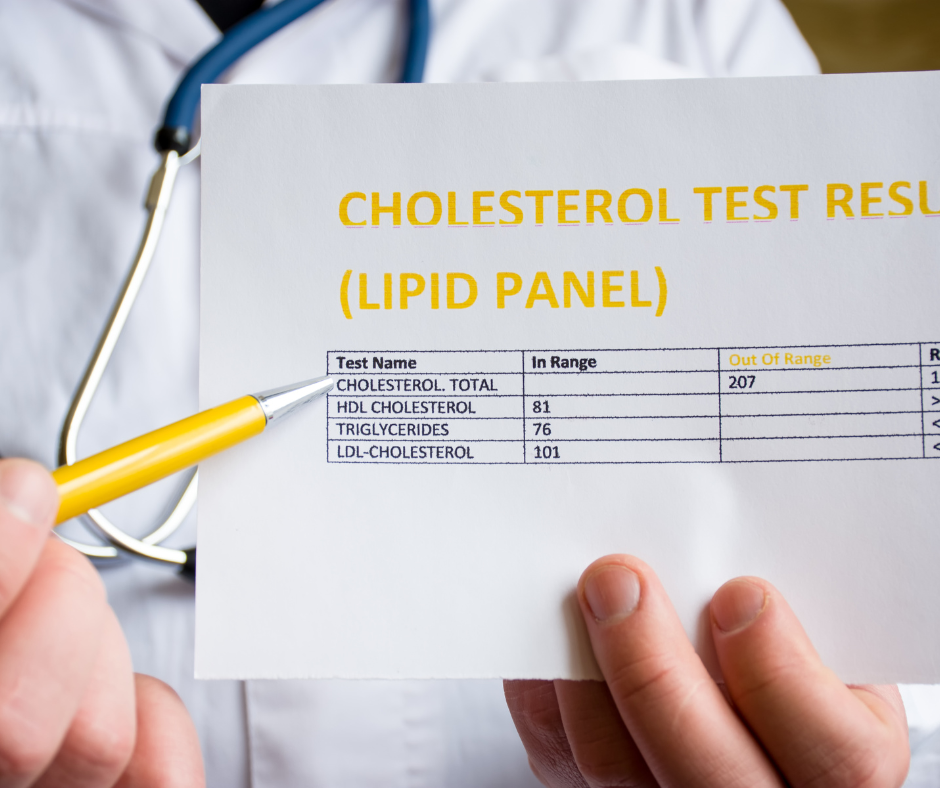
    ·  Cholesterol Screening reveals your heart disease risk through a simple blood draw. Even if you feel perfectly fine, high cholesterol silently damages your arteries over time, setting the stage for heart attacks and strokes. Knowing your numbers empowers you to make informed decisions about diet, exercise, and treatment options.

    Cancer Screenings Save Lives

    When it comes to cancer, early detection is powerful medicine. When detected in their earliest stages, many cancers are highly treatable. APRN Margaret Avery explained age-specific and gender screenings.

    ·  Cervical Cancer Screening through Pap smears has dramatically reduced cervical cancer deaths over the past several decades. Most women should start screening at age 21 and continue at regular intervals. Combined with HPV testing, this screening has become one of medicine’s greatest success stories in cancer prevention.

    ·  Colorectal Cancer Screening should begin at age 45 for most people, though you may need to start earlier if you have a family history. Options include colonoscopy, stool-based tests, and other methods. While colonoscopy prep isn’t anyone’s favorite activity, this screening literally saves lives by detecting and removing precancerous polyps before they become dangerous.

    ·  Mammograms are recommended annually or biennially for women starting at age 40-50, depending on your individual risk factors and family history. Breast cancer is highly treatable when caught early, and mammography remains our best tool for early detection.

    ·  Skin Checks help catch melanoma and other skin cancers early, when they’re most treatable. During your appointment, your provider can examine any changes or suspicious moles. Between visits, perform self-checks monthly and watch for the ABCDEs: asymmetry, border irregularities, color changes, a diameter larger than a pencil eraser, and evolution or change over time.

    ·  Prostate Exams are important for men, typically starting at age 50 or earlier if you have risk factors like family history. The conversation about prostate screening has evolved. Speak to your primary care provider to learn about the benefits and limitations, which will help you make an informed decision about what’s right for you.

    Don’t forget these frequently overlooked tests.

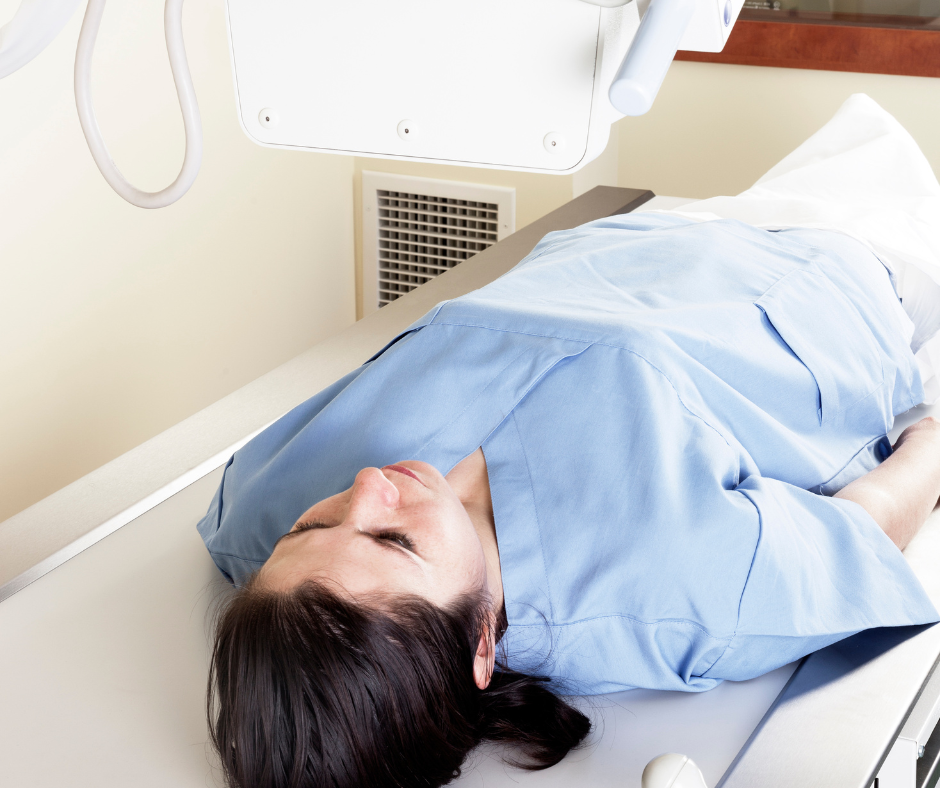
    ·  Bone Density Scans screen for osteoporosis, a condition that weakens bones and increases fracture risk. This is especially important for women over 65, but men can develop osteoporosis too. Risk factors include family history, small body frame, smoking, excessive alcohol use, and certain medications. “The earlier we identify bone loss, the more we can do to prevent devastating fractures,” says APRN Avery.

    ·  Height and Weight measurements help track changes that might signal health concerns, from unexplained weight loss that could indicate an underlying condition to gradual weight gain that increases your risk for diabetes, heart disease, and joint problems. Height measurements are particularly important as we age, since significant height loss can indicate vertebral fractures or osteoporosis.

    ·  Dental Checkups twice yearly keep your teeth healthy and can reveal signs of other health problems you might not expect. Your dentist might be the first to spot signs of diabetes, vitamin deficiencies, acid reflux, or even heart disease. There is growing evidence that that gum disease is linked to heart problems, making those cleanings more important than ever.

    Making It Happen

    The best screening schedule is one tailored to you based on your age, family history, lifestyle, and risk factors. Some tests you will need annually, others every few years, and some only once or twice in your lifetime.

    “Don’t wait for symptoms to appear. Many serious conditions develop silently, which is exactly why preventive screenings are so valuable. Health screenings give us the power to intervene early, when treatment is most effective and outcomes are best,” advises APRN Avery.

    Ready to get on track? Call your White-Wilson primary care provider today to schedule your next appointment. Your provider will review which screenings are right for you and create a personalized prevention plan. Your future self will thank you.


    APRN Margaret Avery is an advanced registered nurse practitioner at White-Wilson Internal Medicine Clinic in Fort Walton Beach. Learn more about APRN Margaret Avery and her approach to patient care here.

  • Living Well with Chronic Conditions: Empowering Patients through Personalized Care Plans

    Living with chronic conditions can be a major challenge, impacting not just physical health but also mental well-being and overall quality of life. According to the Centers for Disease Control and Prevention (CDC), about 60% of adults have at least one chronic condition, and 40% have two or more. The need for effective and personalized care has never been more important.

    We speak with Dr. Jennifer Whitfield, a Family Medicine physician from White-Wilson Medical Center Clinic in Niceville, about the significance of personalized care in managing chronic diseases, the role of patient empowerment, and the essential components of effective care plans.

    WWMC: What is a personalized care plan?

    Dr. Whitfield: A personalized care plan is a customized approach to managing chronic conditions, crafted to address an individual’s specific health needs, preferences, and goals. It involves thorough assessments, patient input, and ongoing adjustments to ensure the most effective management of the condition.

    WWMC: What is the role of patient empowerment?

    Dr. Whitfield: Knowledge is power. Patient empowerment is about providing you with the tools and information needed to take control of your health confidently. This includes making informed decisions, asking questions, and expressing your preferences.

    WWMC: How can patient empowerment improve health outcomes?

    Dr. Whitfield: When patients feel empowered, they are much more likely to follow through with their treatment plans. An empowered patient is more engaged, motivated, and likely to follow prescribed changes, communicate effectively with healthcare providers, and adopt healthier lifestyle choices.

    WWMC: How often should personalized care plans be reviewed?

    Dr. Whitfield: Personalized care plans should be reviewed regularly, generally every few months or whenever there’s a significant change in the patient’s health status. This ensures that the care plan stays relevant and effective, allowing for timely adjustments based on the patient’s progress and evolving needs.

    WWMC: What role do family and caregivers play in personalized care plans?

    Dr. Whitfield: Family members and caregivers are vital in personalized care plans. They offer support, encouragement, and help with the daily management of the condition. For older patients, family and caregivers can improve communication with healthcare providers and contribute to a more comprehensive approach to the patient’s care.

    WWMC: What are the benefits of using technology to manage your health?

    Dr. Whitfield: Technology enables you to monitor your health conveniently from home. Wearable devices, health apps, and telemedicine services can offer real-time insights and keep your primary care provider informed. But don’t get too caught up in the data—remember, it’s about using technology to enhance your experience in managing your health.

    WWMC: Do you have any final words for patients living with chronic conditions?

    Dr. Whitfield: Living with chronic conditions doesn’t have to be a lonely journey. Personalized care plans and patient empowerment help you and your family navigate health challenges with confidence and bring peace of mind. By understanding your health needs, setting realistic goals, and maintaining open communication with your provider, you can create a supportive environment that promotes better health outcomes.


    Dr. Jennifer Whitfield is a Family Medicine physician from White-Wilson Medical Center in Niceville. Dr. Whitfield provides comprehensive primary care for patients of all ages and specializes in preventive care, acute care, the diagnosis and treatment of chronic conditions, and women’s health. Learn more about Dr. Whitfield and her approach to patient care here.

  • A Senior’s Guide to Managing Stress

    Throughout our lifetime, we will inevitably experience stress or changes that cause physical, emotional or psychological strain. Feeling stress is common for everyone, but undergoing too much can be overwhelming, especially for seniors. This is why it is essential to understand common causes of stress as well as how it affects the body and how it can be managed.

    While seniors have likely had their fair share of stress over the years, moving into a new age range comes with its own unique set of challenges.  Stress for those 65 and older can show up in many forms and be both positive and negative. For example, positive stress may come from exciting life events such as retirement, weddings and births, and negative stress may come from pain or mobility issues, death of loved ones and financial dependence.

    “Seniors are typically more susceptible to adverse physical reactions when it comes to stress because of age-related changes to the body,” says White-Wilson Advance Practice Registered Nurse (APRN) Pamela Lee. “This is why it is important to identify stressors and work to reduce them as much as possible. Understanding how you are personally affected can lead to better long-term health outcomes.”

    In older adults, stress can cause health issues such as high blood pressure, diabetes and heart disease, warns APRN Lee. Recognizing whether your stress is physical, mental or emotional can help place you on the correct path to stress discovery and management.

    “For many patients, lowering stress levels can come from taking surprisingly simple steps,” says APRN Lee. “I always recommend establishing a healthy diet, participating in physical activity and setting aside time for mental reflection. These actions will improve your heart’s health while reducing the impacts of stress on the body.

    Healthy Eating Plate, Harvard T.H. Chan School of Public Health

    Eating a balanced diet can facilitate a healthy immune system and repair damaged cells. Harvard Medical School provides this example of a Healthy Eating Plate which explains how to create well-balanced meals.

    Consistent physical activity helps improve blood pressure, cholesterol levels and overall heart health. The American Heart Association recommends that adults participate in at least 150 minutes of physical activity every week. Several popular exercises among seniors include pickleball, walking and water aerobics. 

    Reflecting and connecting through meditation, yoga and journaling reduces muscular tension, calms the mind and slows the heart rate. Set aside some time each day to take a breath and focus on the positives. 

    “Once you have established these relieving practices, it is important to also remember that stress is normal function of life,” says APRN Lee. “In other words, stress is unavoidable at any age, but taking certain steps will help you to control or reduce the physical and mental strain it may cause.”

    APRN Lee emphasizes that stress can actually provide several cognitive benefits if it is managed properly. Always be aware of how your body responds to stress and the actions you take to control its affects. If you continue to experience issues related to stress, be sure to talk with your primary care provider for further explanation and guidance on your unique health and wellness needs.   

    Pamela Lee, APRN provides Internal Medicine care at White-Wilson Medical Center in Destin. Friendly and empathic, she helps her patients to be well-informed on their treatment options and works with them to make health-related decisions that will result in successful health outcomes. Learn more about APRN Lee and her approach to patient care here.