Tag: Myth Busters

  • Myth Busters: Monkeypox is the Next COVID-19

    Just as it seems like we are transitioning back to (a new) normal after the height of of COVID-19,  another illness is beginning to cause concern.

    Monkeypox is a rare disease caused by an infection with the monkeypox virus and is similar to smallpox. Beginning in January 2022, the United States, as well as many other countries around the world where monkeypox has not historically been reported, have been experiencing an outbreak of the disease. Understandably, this increase in numbers, as well as news coverage of the disease, has many wondering: Is this the next COVID-19?

    “There are many things that set COVID-19 and monkeypox apart,” explains White-Wilson Immediate Care Nurse Practitioner Mary Jean Middleton. “First and foremost, monkeypox has been around for decades whereas COVID-19 was a novel virus, first seen in late 2019. Therefore, we have significantly more research on monkeypox available to us than we did in 2020 for COVID-19”

    According to the CDC, monkeypox was first discovered in animals in 1958 and the first recorded human case occurred in 1970. Until recently, the majority of monkeypox cases were found in central and western Africa. Occasional cases were found in travelers who had been to countries where the disease usually occurs or in imported livestock, but the transmission was generally minimal.

    “One of the hardest parts of fighting COVID-19 was the fact that we knew little about it,” says APRN Middleton. “We had to quickly learn how it spread, how to prevent it and if it could be cured before we could really make any headway against it. With monkeypox, we have decades of experience and research to work off.”

    Like COVID-19, monkeypox can occur in patients of all ages and can be spread through respiratory droplets and bodily fluids as well as physical contact with infected people and items. However, the duration of the contact and exposure to respiratory droplets plays a role in the spread of monkeypox.

    “The current data shows that for monkeypox to spread from one person to another, there must be direct, prolonged exposure to respiratory secretions and bodily fluids,” say APRN Middleton. “That means you have to be in extremely close proximity to the person for a while, such as is the case with intimate contact or physical affection. A cursory pass by a person is not going to infect you nor is being in their presence for a few minutes. This is why the majority of the monkeypox cases we see are the result of close contact, like that between intimate partners. That’s a big difference from COVID, where the virus was spread unknowingly during quick interactions or in public spaces.,” she continues. “Add in the fact that only symptomatic people can spread the virus and infections are visible to those who are infected and to others, and you can see while it is much easier to get COVID-19 than monkeypox.”

    A person with monkeypox can spread it to others from the time symptoms start until the rash has fully healed and a fresh layer of skin has formed. The illness typically lasts 2-4 weeks.

    Signs and symptoms of monkeypox as well as pictures of monkeypox rashes can be viewed on the CDC website. Perhaps one of the biggest differences between the two diseases lies in the availability of vaccines.

     “As I am sure we all remember, COVID-19 vaccines didn’t even exist until late 2020,” she says, “with most people unable to receive them until Spring of 2021 through FDA emergency-use authorizations. For monkeypox, there are two current vaccines with full FDA approval that have been on the market since the 2010s. So, we are able to get ahead of this before it gets bad like in the case of COVID-19.”

    While monkeypox vaccine eligibility is determined by each state’s department of health, most recommend a monkeypox vaccine for people who have been exposed to monkeypox or who may be more likely to get monkeypox, including:

    • People who have been identified by public health officials as a contact of someone with monkeypox.
    • People who know one of their sexual partners in the past two weeks has been diagnosed with monkeypox.
    • People who have had multiple sexual partners in the past two weeks in an area with known monkeypox transmission.

    “To sum everything up, I understand why people would be concerned with an outbreak of monkeypox following so closely behind COVID-19,” concludes APRN Middleton, “but you really don’t have much to worry about. We, as a country, are so much more prepared to fight monkeypox than we were with COVID-19, in part because of the lessons we learned over the past three years.”

    As always, if you have any concerns about your risk for monkeypox or think you may have been exposed, we at White-Wilson Medical Center are ready to help you through.”

    This Myth Is Busted!

    Mary Jean Middleton, APRN is a registered Nurse Practitioner caring for patients at the White-Wilson Immediate Care and Family Medicine clinics in Destin, Florida. Learn more about her approach to patient care here.
  • Myth Busters: Only Allergists Can Treat Allergies

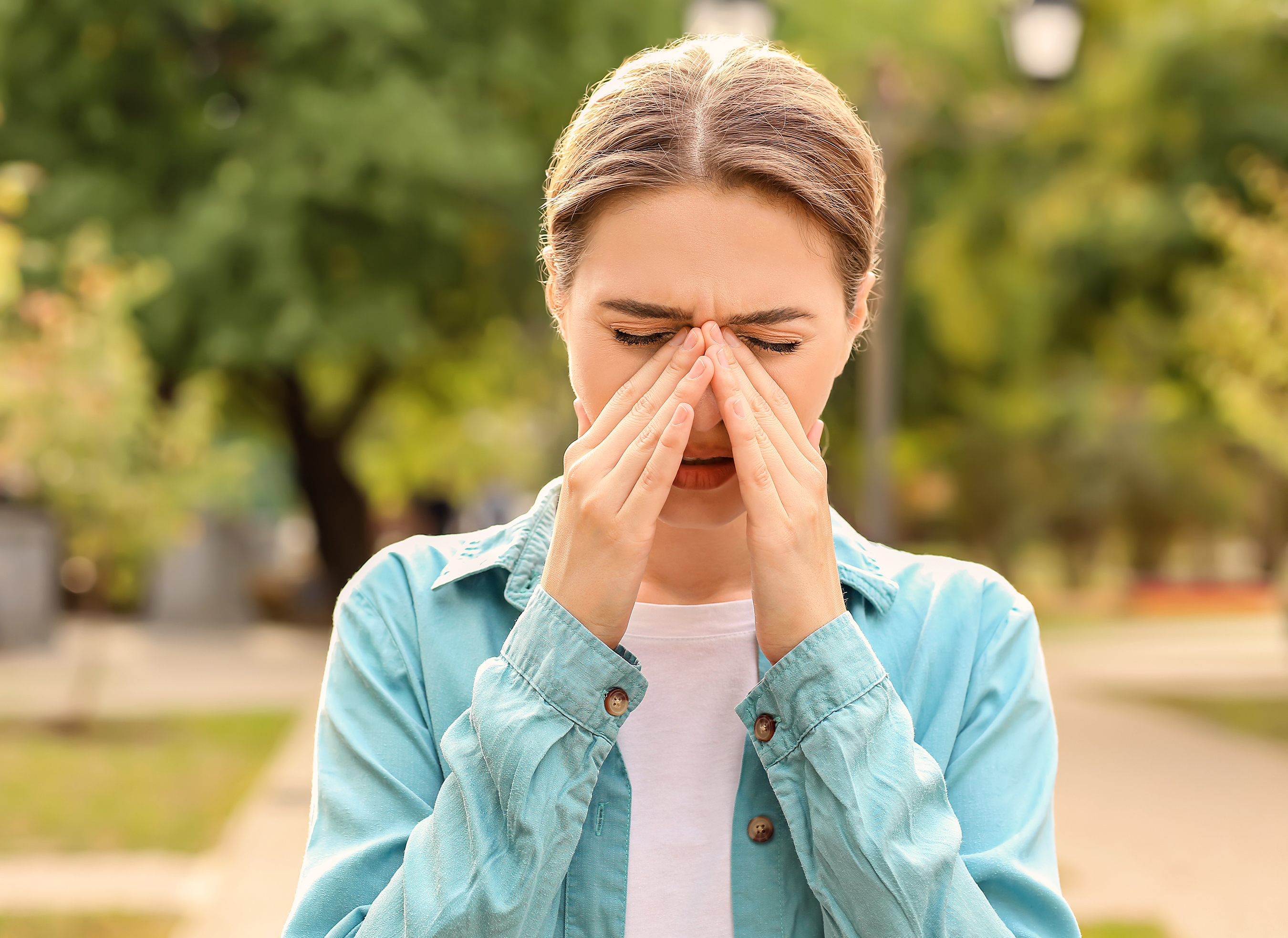
    With Spring in full bloom and summer just around the corner, we are seeing more than just tourists arriving here on the Emerald Coast. As is evident by the yellow dust showing up on our cars and, well, everywhere else, allergen levels are on the rise and with them often come an uncomfortable pressure in our heads and noses and itching in our throats. For some, these conditions are a seasonal nuisance, something to just grin and bear for a couple months, but for others, allergies have a serious effect on their overall wellbeing.

    In patients whose allergies result in more than a slightly stuffy nose and scratchy voice, seeking help from a medical professional can minimize or completely relieve these symptoms. When it comes to the medical treatment of allergies, most people generally think of Allergists, but did you know there is another type of doctor who can help?

    “Otolaryngologists specialize in the diagnosis and treatment of diseases and disorders of the ear, nose and throat, but otolaryngology is a mouthful, so you’ll most commonly hear us referred to as ENT doctors,” explains White-Wilson ENT physician, Dr. Roger Skiles. “As specialists we are very experienced in treating any type of inflammation or discomfort in these areas and that includes those caused by allergies.”

    According to Dr. Skiles, allergy symptoms can often be mistaken for other conditions. Visiting an ENT physician in cases where the symptoms last a long time or are reoccurring can help narrow down the cause.

    “Especially this time of year, you will see a lot of patients coming into doctors’ offices complaining of sinus pain and itchy throats,” he explains. “They think it’s nothing but a sinus infection or cold, but many times, there is a greater underlying cause – allergies. We are able to administer tests to patients, exposing them to common allergens and determine which triggers a response. Once we know what is causing the allergic reaction, we can make a plan to offer long term relief or, potentially, prevent symptoms from returning.”

    Today, we have more treatment options than ever before, so just because symptoms are reoccurring, doesn’t mean they have to be. If you are experiencing repeated allergy or sinus issues, Dr. Skiles recommends you first talk to your primary care provider so that they can recommend a specialist that is best suited for your needs.


    Dr. Roger Skiles is a fellowship-trained Ear, Nose and Throat specialist caring for patients at the White-Wilson Ear, Nose & Throat Clinic in Fort Walton Beach. Dr. Skiles is board-certified by the American Board of Otolaryngology and has more than 40 years of experience caring patients. Learn more about Dr. Skiles and his approach to patient care here.

  • Myth Busters: If I Receive My COVID-19 Vaccine, I No Longer Have to Wear a Mask.

    It’s finally a new year. And as with every new year, it comes with new hope that we can leave the past behind us and usher in a better and brighter tomorrow. After the difficult year that was 2020, this has never been truer.

    Luckily, leading the charge toward a happier and healthier 2021 is the COVID-19 vaccine, which, in recent weeks, has started being administered throughout the nation. The excitement for the vaccine is certainly palpable, with the belief that receiving it will mark a return to normal and the end of quarantining, social distancing and wearing masks. While that is a goal in the long run, it won’t be an instantaneous change.

    “Even if you do receive the COVID-19 vaccine, you should continue to take precautions when it comes to protecting yourself and others from the disease,” says Dr. Chinh Vien Van of the White-Wilson Immediate Care Clinic. “It won’t be an on-and-off type of situation. Time is a necessary component as well.”

    Vaccines work by stimulating your body’s immune system to develop antibodies used to fight virus.

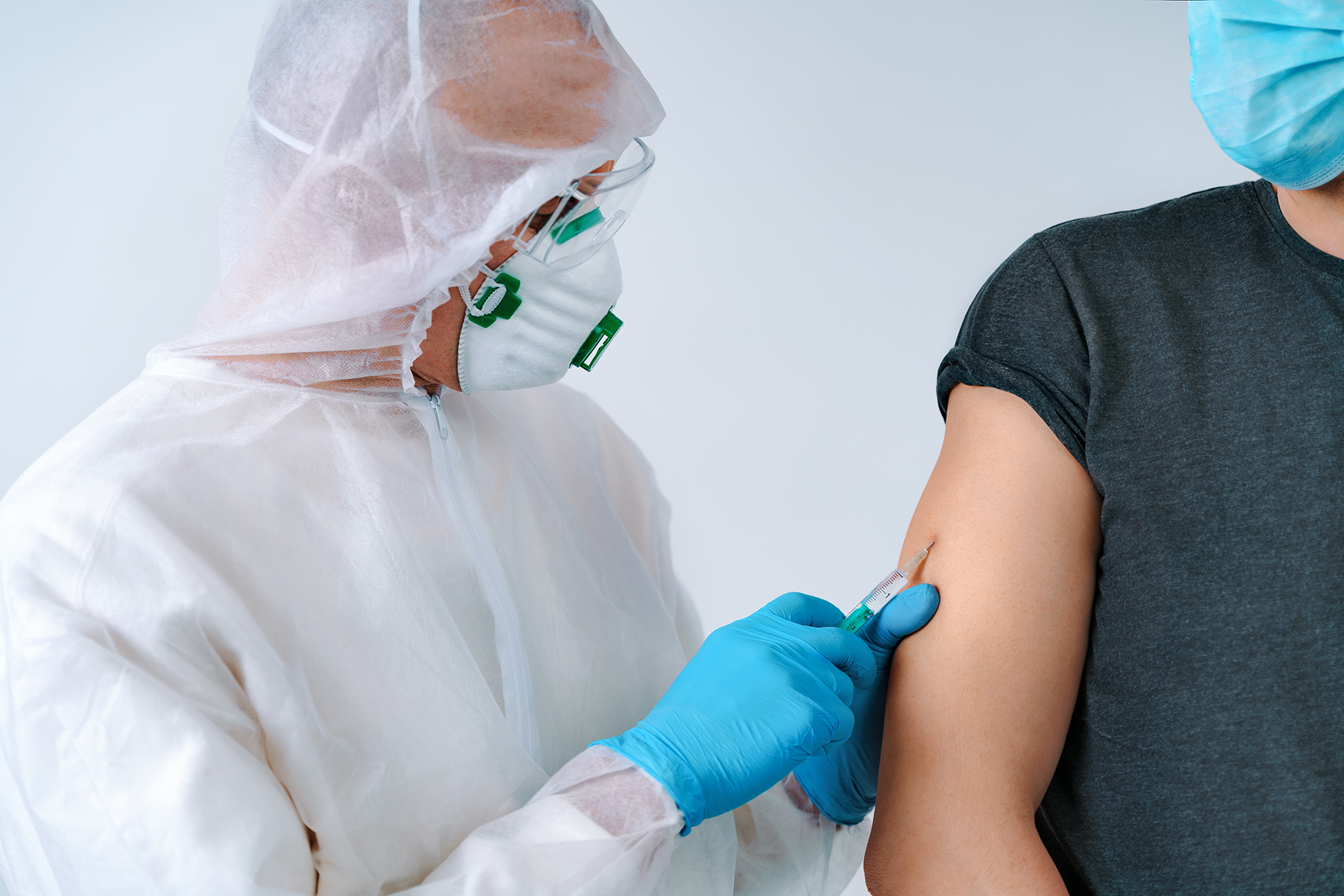
    “This process takes time,” explains Dr. Van. “It could be a week, it could be a month or longer, and during this time, it is possible that you may contract the virus and become sick. Further, both COVID-19 vaccines approved by the FDA require two doses to reach full effectiveness, administered either 21 days or 28 days apart. This also leaves time where you’re not fully protected you may become infected.”

    Another aspect working against an instant fix is the vaccine’s level of effectiveness. Initial studies have shown high levels of effectiveness in the approved vaccines’ abilities to reduce/prevent severe illness. Less research has been done on the vaccines’ effectiveness in preventing a person from being able to transmit the disease. Scientists believe that it is likely for the vaccines to have some effectiveness at preventing transmission, but more study is necessary and even then, it is very unlikely that number will be 100%.

    “There is always a chance that you or someone you know will fall into that percentage of exception,” says Dr. Van. “It is better to be safe than sorry and to use all the tools we have available to guard yourself and your loved ones from infection.”

    “I have no doubt there will be a day that we can be rid of these increased restrictions,” he continues. “Whether it is in a few months or a year will, in part, depend on our willingness to continue taking protective measures while everyone waits to receive the vaccine. Until that time, we must all keep wearing our marks, social distancing and avoid gatherings to slow the spread of this virus.”

    This myth is busted.

    Dr. Chinh Vien Van is board-certified by the American Board of Family Medicine and practices at the White-Wilson Immediate Care Clinics in Crestview, Fort Walton Beach, Navarre and Niceville. White-Wilson Immediate Care Clinics are open seven days a week in Fort Walton Beach. Click here to learn more about Dr. Van and his approach to patient care, and view his video bio.