Tag: Preventive Care

  • Living with Prediabetes: Small Changes, Big Difference

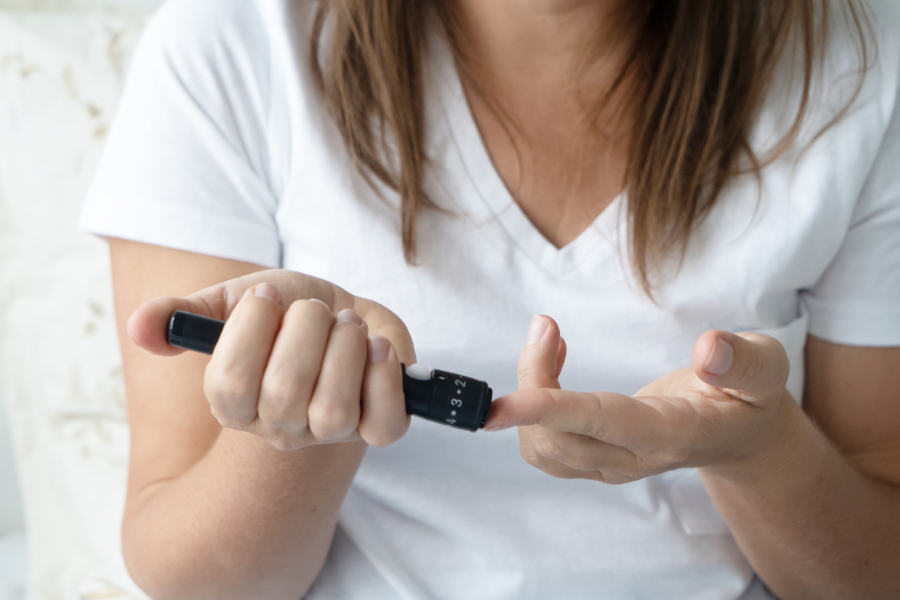
    Hearing the word “prediabetes” can feel scary, but here’s the good news: prediabetes is not diabetes, and for many people, it’s reversible. With some lifestyle adjustments, you can lower your blood sugar levels and significantly reduce your risk of developing type 2 diabetes.

    What Does Prediabetes Mean

    Prediabetes means your blood sugar levels are higher than normal, but not yet high enough to be diagnosed as type 2 diabetes.

    Prediabetes is very common. Researchers estimate that 84 million adults in the United States have it. It affects more than 1 in 3 adults under age 65 and half of the people over 65.  Think of it as an early warning sign and a chance to take action before things progress.

    Monitoring Your A1C Matters

    Your A1C test measures your average blood sugar over the past two to three months. For most people, a normal A1C is below 5.7%, prediabetes falls between 5.7% and 6.4%, and 6.5% or higher indicates diabetes.

    Regular A1C checks, which are typically every 3–6 months, as recommended by your doctor, help you and your healthcare team track your progress. Seeing your numbers improve can be motivating, and catching an upward trend early gives you time to adjust your plan before it becomes a bigger problem. Speak with your primary care provider about screening for this condition.
    Dietary Tips That Make a Difference

    • Choose whole grains over refined carbs (brown rice instead of white rice, whole wheat bread instead of white bread).
    • Fill half your plate with vegetables at meals, which are nutritious and low in calories.
    • Limit sugary drinks and snacks, including soda, juice, and desserts. Try water, unsweetened tea, or sparkling water instead.
    • Eat lean proteins like chicken, fish, beans, and tofu to help you feel full longer.
    • Practice portion control using a smaller plate can naturally help reduce portion sizes.

    Lifestyle Habits to Build

    • Move your body daily – Aim for at least 30 minutes of moderate activity like brisk walking most days of the week.
    • Get enough sleep – Poor sleep can affect blood sugar regulation, so aim for 7–9 hours per night.
    • Manage stress – Chronic stress can raise blood sugar levels. Try deep breathing, stretching, or simple hobbies you enjoy.
    • Maintain a healthy weight – Even losing 5–7% of your body weight can make a meaningful difference in blood sugar control.

    Steps to Stay on Track

    • Schedule regular checkups with your doctor to monitor your A1C and overall health.
    • Keep a simple food and activity journal to spot patterns and areas to improve.
    • Set small, realistic goals rather than overhauling everything at once.
    • Building a support system or developing a diabetes prevention program can help keep you accountable.
    • Take medications as prescribed if your doctor recommends them.

    The Bottom Line

    With consistent, manageable changes to your diet, daily habits and regular A1C monitoring, you have real power to improve your health and prevent type 2 diabetes. Small steps today can lead to a healthier tomorrow.


    This article is intended for general informational purposes only and does not constitute medical advice. Always consult a qualified healthcare provider with questions about your health.


  • Remote Patient Monitoring: Care Beyond the Clinic

    Imagine having your doctor keeping an eye on your health even when you are at home cooking dinner or watching TV. That’s exactly what Remote Patient Monitoring (RPM) makes possible.

    What Is Remote Patient Monitoring?

    Remote Patient Monitoring is a type of preventive care that uses technology to track your health from the comfort of your own home. Instead of waiting for your next appointment to find out how your heart, blood sugar, or blood pressure is doing, your care team can check in on you every single day, without you ever leaving the house.

    How Does It Work?

    Here’s what the process typically looks like:

    1. You receive a small device like a blood pressure cuff, pulse oximeter, or glucose monitor from your healthcare provider.
    2. You take your readings at home, just as you normally would.
    3. The device sends your data securely to your care team.
    4. Your provider reviews the information and reaches out if anything needs attention.

    What Are the Benefits?

    RPM puts you at the center of your own care, and the benefits are worth it.

    • Catch problems early. Because your health is being monitored regularly, your doctor can spot warning signs before they become serious, which is a key part of preventive care.
    • Fewer trips to the hospital. Many patients see a reduction in emergency room visits and hospital stays.
    • Stay in the loop. You become more aware of your own health trends, which helps you make better daily choices.
    • Peace of mind. Knowing someone is watching over your numbers brings comfort, especially for those managing chronic conditions like diabetes, heart disease, or COPD.
    • More connected care. Your provider can adjust your treatment plan quickly, without waiting weeks for an appointment.

    Is RPM Right for You?

    RPM is especially helpful for people managing long-term health conditions, recovering from surgery, or at risk for serious complications. Talk to your doctor about whether Remote Patient Monitoring could be a good fit for your care plan.

    Your health doesn’t take a day off, and neither does your care team.


    This article is for educational purposes only. Always consult your child’s healthcare provider for personalized medical advice.

  • Know the Difference: Heart Attack vs. Stroke Warning Signs

    When it comes to medical emergencies, knowing the warning signs of a heart attack versus a stroke can be lifesaving. While both conditions require immediate medical attention, they affect different parts of the body and present distinct symptoms. Understanding these differences empowers you to act quickly and potentially save a life.

    What’s Happening in Your Body?

    A heart attack occurs when blood flow to part of the heart muscle becomes blocked, usually by a blood clot. Without oxygen-rich blood, the heart muscle begins to die.

    A stroke, on the other hand, happens when blood flow to part of the brain is interrupted, either by a blockage or a ruptured blood vessel. Brain cells start dying within minutes without oxygen.

    Recognizing a Heart Attack

    The classic sign of a heart attack is chest discomfort, often described as pressure, squeezing, fullness, or pain in the center of the chest. This discomfort may last several minutes or come and go. However, heart attacks don’t always announce themselves with dramatic chest pain.

    Other warning signs include:

    • Discomfort in the upper body such as arms, back, neck, jaw, or stomach.
    • Shortness of breath, which can occur with or without chest discomfort.
    • Breaking out in a cold sweat, nausea, or lightheadedness.

    It’s important to note that women may experience heart attacks differently than men. While chest pain is still the most common symptom, women are more likely to have shortness of breath, nausea, vomiting, and back or jaw pain.

    Identifying a Stroke

    For strokes, remember the acronym FAST: Face, Arms, Speech, Time.

    • Face drooping: Ask the person to smile. Does one side of the face droop or feel numb?
    • Arm weakness: Ask them to raise both arms. Does one arm drift downward?
    • Speech difficulty: Ask them to repeat a simple sentence. Is their speech slurred or strange?
    • Time to call 911: If you observe any of these signs, call emergency services immediately.

    Additional stroke symptoms include sudden confusion, trouble seeing in one or both eyes, difficulty walking, dizziness, loss of balance or coordination, and severe headache with no known cause. Unlike heart attacks, strokes typically don’t cause chest pain.

    Why Every Second Counts

    For both conditions, time is critical. During a heart attack, every minute without treatment means more heart muscle damage. With strokes, there’s a saying in medicine: “Time is brain.” The longer brain cells go without oxygen, the more permanent the damage.

    Don’t wait to see if symptoms go away. Never drive yourself to the hospital if you suspect a heart attack or stroke, call 911. Emergency medical teams can begin treatment on the way to the hospital and alert the emergency department to prepare for your arrival.

    Take Action

    Knowing these warning signs isn’t just about medical knowledge, it’s about being prepared to protect yourself and those around you. Share this information with family and friends.

    If you have risk factors for heart disease or stroke, such as high blood pressure, diabetes, or a family history, discuss prevention strategies with your healthcare provider. Your awareness today could make all the difference tomorrow.

  • Building Healthy Habits That Stick

    Many patients struggle to adhere to their treatment plan due to the new health habits they need to follow, even though they recognize the importance and necessity of these changes for managing their condition or preventing future health issues.

    If your treatment plan includes lifestyle changes, such as exercising more, taking your medication consistently, managing your diet, or improving your sleep, you may feel overwhelmed about how to effectively incorporate these habits into your daily routine.

    To assist you in managing these changes and improving your overall health and well-being, here are some helpful steps to consider.

    Start With One Small Change

    If your healthcare provider has given you several recommendations, choose just one to focus on first. Pick the change that feels most manageable, or that will have the biggest impact on how you feel day-to-day.

    For example, if you need to take medication, exercise, and change your diet, start with the medication routine. Once you are accustomed to taking your medication, add the next habit.

    Connect New Habits to Your Daily Routine

    The easiest way to remember a new healthy habit is to link it to something you already do every day. This keeps you consistent and sticks to other health routines. Think about where your new health behavior fits most naturally in your morning, afternoon, and evening routines, for instance:

    • Take your blood pressure medication when you start your coffee maker
    • Do your physical therapy exercises right after you shower
    • Check your blood glucose levels before each meal
    • Take your evening medication when you plug in your phone to charge

    Prepare Your Environment

    By setting up your environment, it will support making healthy routines easier, for instance:

    • Put medications in a visible spot where you’ll see them (not hidden in a cabinet)
    • Keep a water bottle at your desk if you need to drink more fluids
    • Lay out your walking shoes by the door
    • Pre-portion snacks if you’re managing diabetes or watching your diet
    • Set multiple phone reminders for time-sensitive medications

    Keep a Simple Record

    Keeping track of your schedule allows you to identify days when you don’t follow it. This helps you to recall if you took your prescription, spot patterns in your symptoms, share information with your doctor, and hold yourself accountable.


    Recording does not have to be complicated. Use whatever works best for you, such as a paper calendar, a note-taking tool, or a simple checkbox system.

    When You Miss a Day

    You will have days when you forget, feel too tired, or something disrupts your routine. This happens to everyone, even if you have been following good practices for years, don’t be hard on yourself, don’t be hard on yourself. Think how to avoid the stumbling block the next time and resume your regular routine as quickly as possible.

    If you find yourself consistently missing your health routine, speak with your doctor. There could be a simpler solution or additional support available.

    Questions to Ask Your Healthcare Team

    If you are having difficulty maintaining a new health behavior, discuss it with your doctor. Your physician wants you to be successful in following to your treatment plan, which may require altering the plan to meet your real situation.

    • What’s the most important change I should focus on first?
    • Can you help me figure out when to fit this into my day?
    • Is there a simpler version of this I could start with?
    • What support services do you have for patients working on this?

    Moving Forward

    New health habits require time to become routine in your daily life. Remember to be patient with yourself; little, consistent steps lead to significant improvements in your health over time. Your health is worth the effort, and you don’t have to do everything perfect.


    Need help implementing your treatment plan? Schedule an appointment with your primary care provider and discuss resources and ways to help you stay on track with your health journey.

  • 12 Essential Health Screenings

    When was the last time you scheduled a checkup? If you’re similar to most individuals, your busy schedule often pushes preventive care to the back of your priority list. Between work deadlines, family obligations, and daily responsibilities, it’s easy to put off that appointment. But here’s the truth: catching health issues early can make all the difference between a simple intervention and a serious health crisis.

    APRN Margaret Avery, an Internal Medicine specialist at White-Wilson Internal Medicine in Fort Walton Beach, gives us a rundown of the essential health screenings.

    The Foundation: Annual Basics

    ·  Routine Physical Exams are yearly visits that give your primary care provider a complete picture of your health. “During your physical, we review your medical history, discuss any concerns, perform a comprehensive examination, and catch potential problems before they become serious” explained APRN Avery.

    ·  Blood Pressure checks are quick, painless, and absolutely important. High blood pressure often has no symptoms, yet it significantly increases your risk of heart disease, stroke, and kidney problems. Early detection and management of high blood pressure, through lifestyle changes or medication, can often prevent serious complications down the road.

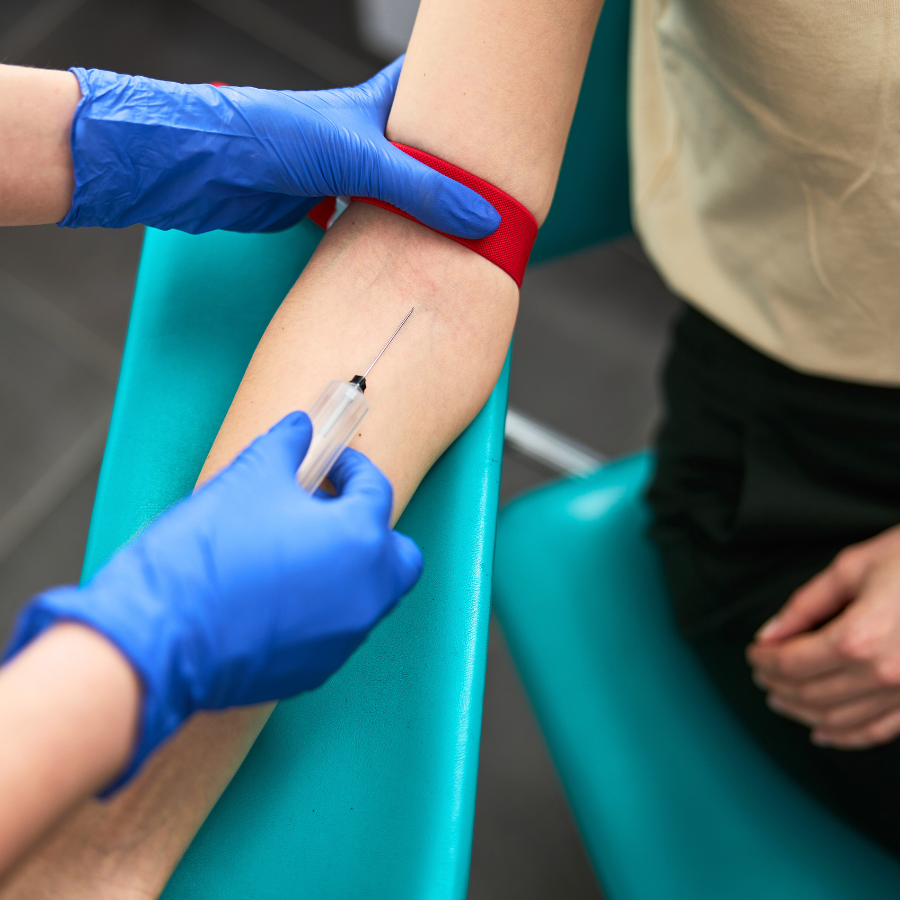
    · Blood Sugar Testing helps identify prediabetes and diabetes early, when lifestyle changes can have the biggest impact on your health. A simple blood test has never been more important. APRN Avery advises that early detection means you can take action before diabetes damages your eyes, kidneys, nerves, and blood vessels.

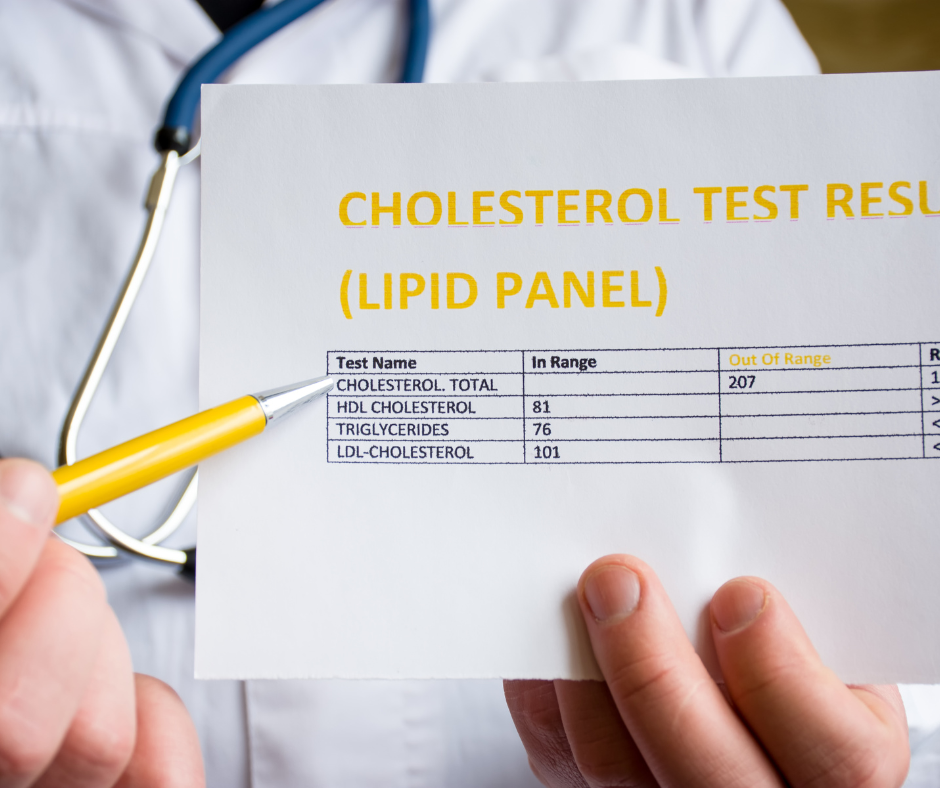
    ·  Cholesterol Screening reveals your heart disease risk through a simple blood draw. Even if you feel perfectly fine, high cholesterol silently damages your arteries over time, setting the stage for heart attacks and strokes. Knowing your numbers empowers you to make informed decisions about diet, exercise, and treatment options.

    Cancer Screenings Save Lives

    When it comes to cancer, early detection is powerful medicine. When detected in their earliest stages, many cancers are highly treatable. APRN Margaret Avery explained age-specific and gender screenings.

    ·  Cervical Cancer Screening through Pap smears has dramatically reduced cervical cancer deaths over the past several decades. Most women should start screening at age 21 and continue at regular intervals. Combined with HPV testing, this screening has become one of medicine’s greatest success stories in cancer prevention.

    ·  Colorectal Cancer Screening should begin at age 45 for most people, though you may need to start earlier if you have a family history. Options include colonoscopy, stool-based tests, and other methods. While colonoscopy prep isn’t anyone’s favorite activity, this screening literally saves lives by detecting and removing precancerous polyps before they become dangerous.

    ·  Mammograms are recommended annually or biennially for women starting at age 40-50, depending on your individual risk factors and family history. Breast cancer is highly treatable when caught early, and mammography remains our best tool for early detection.

    ·  Skin Checks help catch melanoma and other skin cancers early, when they’re most treatable. During your appointment, your provider can examine any changes or suspicious moles. Between visits, perform self-checks monthly and watch for the ABCDEs: asymmetry, border irregularities, color changes, a diameter larger than a pencil eraser, and evolution or change over time.

    ·  Prostate Exams are important for men, typically starting at age 50 or earlier if you have risk factors like family history. The conversation about prostate screening has evolved. Speak to your primary care provider to learn about the benefits and limitations, which will help you make an informed decision about what’s right for you.

    Don’t forget these frequently overlooked tests.

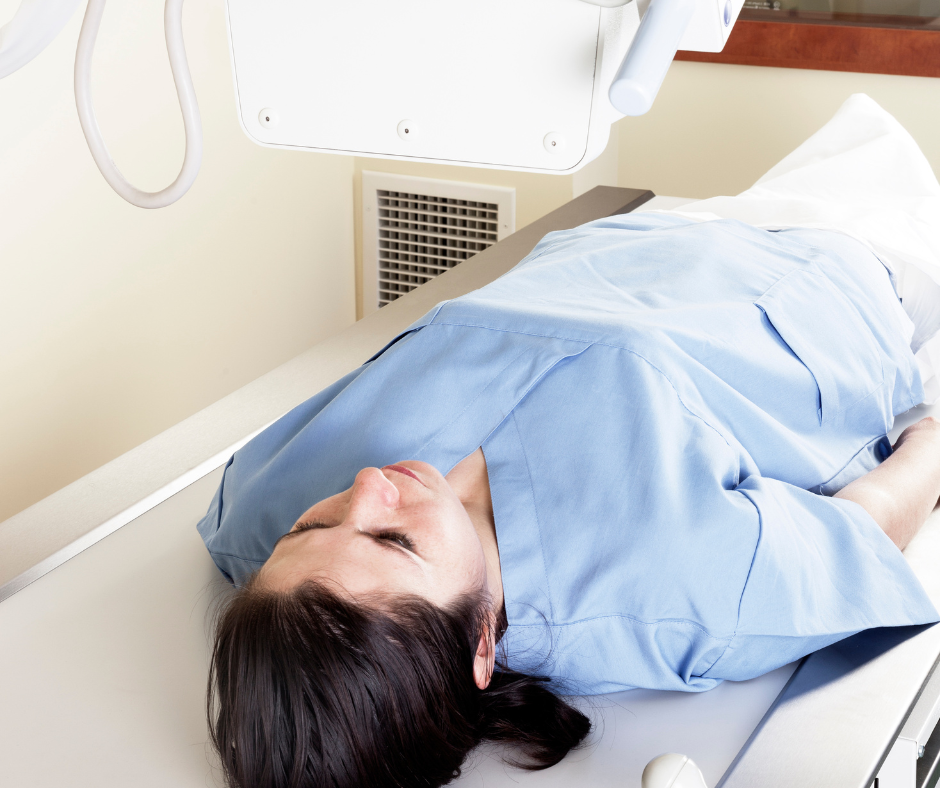
    ·  Bone Density Scans screen for osteoporosis, a condition that weakens bones and increases fracture risk. This is especially important for women over 65, but men can develop osteoporosis too. Risk factors include family history, small body frame, smoking, excessive alcohol use, and certain medications. “The earlier we identify bone loss, the more we can do to prevent devastating fractures,” says APRN Avery.

    ·  Height and Weight measurements help track changes that might signal health concerns, from unexplained weight loss that could indicate an underlying condition to gradual weight gain that increases your risk for diabetes, heart disease, and joint problems. Height measurements are particularly important as we age, since significant height loss can indicate vertebral fractures or osteoporosis.

    ·  Dental Checkups twice yearly keep your teeth healthy and can reveal signs of other health problems you might not expect. Your dentist might be the first to spot signs of diabetes, vitamin deficiencies, acid reflux, or even heart disease. There is growing evidence that that gum disease is linked to heart problems, making those cleanings more important than ever.

    Making It Happen

    The best screening schedule is one tailored to you based on your age, family history, lifestyle, and risk factors. Some tests you will need annually, others every few years, and some only once or twice in your lifetime.

    “Don’t wait for symptoms to appear. Many serious conditions develop silently, which is exactly why preventive screenings are so valuable. Health screenings give us the power to intervene early, when treatment is most effective and outcomes are best,” advises APRN Avery.

    Ready to get on track? Call your White-Wilson primary care provider today to schedule your next appointment. Your provider will review which screenings are right for you and create a personalized prevention plan. Your future self will thank you.


    APRN Margaret Avery is an advanced registered nurse practitioner at White-Wilson Internal Medicine Clinic in Fort Walton Beach. Learn more about APRN Margaret Avery and her approach to patient care here.

  • Breast Cancer Awareness Month: Early Detection Saves Lives

    October is Breast Cancer Awareness Month, and it’s the perfect time to focus on one of the most important things you can do for your health: early detection. While a breast cancer diagnosis can feel overwhelming, catching it early dramatically improves treatment outcomes. The good news? There are simple steps you can take today to protect yourself.

    Know Your Body

    Your breasts change throughout your life, and that’s completely normal. However, knowing what’s normal for you makes it easier to spot when something’s different. Get familiar with how your breasts usually look and feel. If you notice any changes—like a new lump, skin dimpling, nipple discharge, or unusual pain—don’t wait. Contact your doctor right away.

    Simple Screening Guidelines

    Mammograms save lives by detecting cancer before you can feel it. Here’s what most women should know:

    • Ages 40-44: Talk with your doctor about when to start mammograms based on your personal risk factors.
    • Ages 45-54: Annual mammograms are recommended.
    • Ages 55 and older: Mammograms every two years or continue yearly if you prefer.

    If you have a family history of breast cancer or other risk factors, your doctor may recommend starting screenings earlier or more frequently.

    What you Healthy Habits That Help

    While you can’t control every risk factor, certain lifestyle choices can lower your risk:

    • Stay active: Aim for at least 150 minutes of moderate exercise weekly—even brisk walking counts!
    • Maintain a healthy weight: Extra body weight, especially after menopause, increases risk.
    • Limit alcohol: Keep it to one drink per day or less.
    • Don’t smoke: Smoking is linked to many cancers, including breast cancer.
    • Breastfeed if possible: Women who breastfeed may have a slightly lower risk.

    You’re Not Alone

    If you’re diagnosed with breast cancer, remember that you’re joining a community of millions of survivors. Treatment options have never been better, and support is available every step of the way. From support groups to counseling services, you don’t have to face this journey alone.

    Take Action This Month

    Taking care of yourself isn’t selfish—it’s essential. Your loved ones need you healthy and strong. This October, make your health a priority:

    1. Schedule your mammogram if you’re due for one
    2. Do a self-check and note any changes
    3. Talk to your family about their health history
    4. Share this information with the women in your life

    Early detection is your best defense. One simple screening could save your life. Don’t put it off—schedule your mammogram or discuss any concerns with your healthcare provider.


    Sources: American Cancer Society, National Cancer Institute, Centers for Disease Control and Prevention

  • Why Does My Doctor Order Blood Tests?

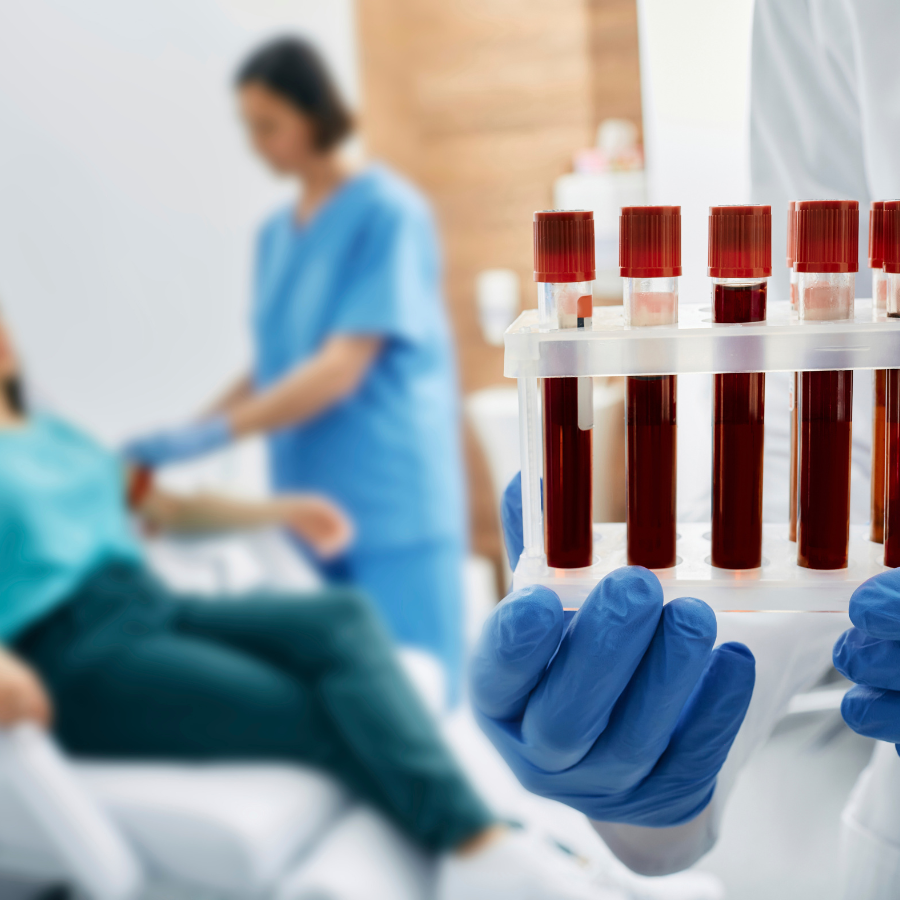
    The three words “let’s do bloodwork” will either make you nervous or make you question what your doctor is looking for. One of the most effective diagnostic methods in medicine is blood testing, that provides your doctor with a comprehensive picture of your internal health.

    Your blood carries vital information about nearly every organ system. Blood tests can help your doctor diagnose a variety of health conditions, including infections, anemia, high cholesterol, vitamin deficiencies, organ failure, HIV, cancer, and diabetes.  Think of them as your body’s personal progress report, helping you and your healthcare team stay one step ahead.

    Common Reasons for Blood Work

    • Maintaining Health – Regular health screenings such as annual physicals often include a complete blood count (CBC) and a comprehensive metabolic panel. These assessments are essential for establishing baseline health markers and identifying potential issues at an early stage.
    • Detection – During a physical checkup, doctors often request blood tests to screen for various conditions, including heart disease, thyroid disease, cancer, diabetes, and sexually transmitted infections. If you are experiencing an unexpected level of fatigue? Your doctor may test for anemia or thyroid problems.
    • Prevention and Monitoring – Many medications require regular blood monitoring to ensure they’re working effectively and not causing harmful side effects. They can also monitor the effectiveness of treatments. Medications for diabetes, blood thinners, and cholesterol frequently fall under this testing.
    • Chronic Disease Management: Conditions like diabetes, kidney disease, and heart conditions require ongoing blood monitoring to track disease progression and treatment effectiveness.

    What you need to know before your blood test.

    Most regular blood tests require an 8-12 hour fast, which means no food or beverages other than water. Your provider will guide you on how to prepare for your blood tests. It is essential that you follow your doctor’s specific instructions because certain procedures have different requirements.

    Understanding Your Results

    While your doctor goes over the results with you, don’t be concerned if anything appears “abnormal”. Many factors, including recent illness, medicines, and even the time of day, can influence results. Your doctor considers your overall medical history, not just specific statistics. Don’t be hesitant to ask your doctor questions to ensure you understand what your blood test results mean and what you should do next.

    The Bottom Line

    Blood tests are not to be feared; they are your doctor’s method of being thorough and proactive about your health. These tests can detect problems before you notice symptoms, monitor existing illnesses, and check that treatments are working effectively.

    Remember, regular blood tests are an investment in your long-term health. When your doctor recommends it, the result will give you valuable insights into your body’s inner workings.


    Always consult with your healthcare provider about your specific medical needs and test results. This information is for educational purposes only.

  • Why an Annual Wellness Visit is vital for you

    Imagine your body as a car. You wouldn’t drive it for years without a tune-up, right? Just like regular maintenance keeps your vehicle running smoothly, an Annual Wellness Visit (AWV) ensures your health stays on track. This often-overlooked appointment is a powerful tool for prevention, early detection, and personalized care. Let’s break down why your AWV is one of the smartest health moves you can make.

    An Annual Wellness Visit is a yearly check-in with your healthcare provider, typically covered by Medicare and many private insurance plans at no out-of-pocket cost. Unlike a standard physical exam, the AWV focuses on preventive care and long-term health planning. It’s not about addressing immediate problems (like a sore throat or a sprained ankle) but about assessing your overall health, identifying risks, and creating a roadmap to keep you thriving.

    During an AWV, your doctor will:

    • Review your medical history and medications.
    • Measure basics like height, weight, and blood pressure.
    • Assess your risk for conditions like diabetes, heart disease, or cancer.
    • Update vaccinations and recommend screenings (e.g., mammograms or colonoscopies).
    • Discuss lifestyle factors like diet, exercise, and mental health.
    • Develop a personalized prevention plan for the year ahead.

    Benefits of an Annual Wellness Visit

    • Catch Problems Early
      The earlier a health issue is detected, the easier it is to treat. An AWV can spot red flags—like slightly elevated blood pressure or irregular blood sugar—before they turn into serious conditions like heart disease or diabetes. For example, a simple conversation about family history might prompt a screening that catches cancer in its earliest, most treatable stage. Early detection saves lives, and the AWV is your first line of defense.
    • Prevention Is Better Than Cure
      The AWV is all about staying ahead of trouble. Your doctor might recommend a flu shot, a cholesterol check, or a bone density test based on your age and risk factors. These small steps can prevent big problems down the road. For instance, staying up-to-date on vaccinations can protect you from diseases like pneumonia, which can be life-threatening for older adults. By focusing on prevention, you’re investing in a healthier, longer life.
    • Personalized Health Guidance
      Your provider will tailor advice to your unique needs. Struggling with stress? They might suggest mindfulness techniques. Gained a few pounds? They’ll offer practical tips for healthy eating. This visit is your chance to ask questions and get expert guidance without the rush of a sick-visit appointment. It’s like having a health coach who knows your medical history inside and out.
    • Saves Time and Money
      Skipping your AWV might seem like no big deal, but neglecting preventive care can lead to costly, time-consuming health problems later. Treating advanced conditions like heart failure or cancer is far more expensive (and stressful) than managing risk factors early. Since AWVs are often fully covered by insurance, they’re a budget-friendly way to stay proactive about your health.

    Who Should Get an AWV?

    While AWVs are especially important for adults over 65 (thanks to Medicare coverage), anyone can benefit from annual preventive care. Younger adults, seniors, and even those managing chronic conditions should make this visit a priority. No matter your age or health status, an AWV keeps you one step ahead.

    How to Make the Most of Your Visit

    • Make a List: Jot down questions, symptoms, or lifestyle changes you want to discuss.
    • Bring Records: Share your medication list, vaccination history, or recent test results.
    • Be Honest: Open up about habits like smoking, drinking, or stress—your doctor’s there to help, not judge.
    • Follow Through: Act on your prevention plan, whether it’s scheduling a screening or starting a walking routine.


    Your Annual Wellness Visit isn’t just another appointment—it’s a gift to your future self. It’s a chance to catch issues early, prevent disease, and get personalized advice to live your healthiest life. In less than an hour, you can set the stage for a year of vitality. So, make your AWV a non-negotiable part of your routine, and schedule an appointment with your provider. Your body (and your future self) will thank you.

  • A Woman’s Guide to Health and Wellness

    Women’s health is a lifelong journey, and every step toward wellness counts. Margaret LaForge, APRN, White-Wilson Internal Medicine registered nurse practitioner, shares practical insights to help women thrive at any age. With a focus on empowerment, she offers guidance to support physical, mental, and emotional well-being.

    Reproductive Health


    From menstruation to menopause, a woman’s reproductive journey is unique. APRN LaForge encourages tracking cycles to spot irregularities early. For those navigating pregnancy, she emphasizes prenatal care for a healthy start. During menopause, when hot flashes or mood shifts arise, simple strategies like hydration and stress relief can ease the transition. “Understanding your body’s changes builds confidence,” APRN LaForge notes. Women unsure about fertility or cycle concerns can find answers through a quick discussion with their doctor, ensuring personalized care.

    Mental Health


    Mental well-being shapes every day. Stress, anxiety, or moments of self-doubt are common but manageable. APRN LaForge suggests small habits: five minutes of deep breathing, journaling, or connecting with a friend. Mental health is the foundation of overall wellness. For those feeling overwhelmed, professional support—whether therapy or a doctor’s visit—can make a difference. Building self-esteem starts with self-compassion, and every woman deserves that kindness.

    Physical Health


    A strong body fuels a vibrant life. APRN LaForge advises eating nutrient-rich foods such as leafy greens, berries, lean proteins, and calcium-packed dairy or alternatives. These choices support energy, heart health, and bones, especially as women age. Movement is just as vital. Whether it’s a brisk walk, a dance session in the living room, or a yoga flow, 30 minutes daily keeps muscles toned and spirits lifted. Sleep is often overlooked; it is essential to have seven to eight hours nightly to help the body repair and recharge.

    Preventive Care


    Screenings are a woman’s health superpower. APRN LaForge stresses the value of mammograms, Pap smears, and routine bloodwork to catch issues early. These quick visits, though sometimes daunting, offer peace of mind. A mammogram takes minutes but can detect breast changes years before symptoms appear. Pap smears, similarly, safeguard cervical health. “Prevention is about staying ahead,” APRN LaForge explains. “Scheduling these checks ensures you stay proactive, not reactive, about your health.”

    Aging and Longevity


    Aging is a privilege; APRN LaForge encourages embracing it with vitality. Hydration and sunscreen keep skin radiant, while activities like reading, puzzles, or learning a new hobby sharpen the mind. For joints that feel stiff, gentle stretches or swimming can restore ease. Nutrition plays a role too. Foods rich in omega-3s, like salmon, support brain health. Aging isn’t about slowing down; it’s about living fully. With small tweaks, women can feel vibrant at any age.

    Lifestyle Boosters


    Self-care weaves health together. APRN LaForge recommends starting small such as a five-minute meditation, a gratitude list, or a laugh-filled coffee date with friends. Staying hydrated by drinking eight glasses daily helps to keep energy steady. Social connections matter too as a supportive circle lifts mood and resilience.

    Take the Next Step


    Take small simple steps to start living healthier. Whether it’s adding a daily walk, scheduling a medical screening, or picking up a hobby, small actions lead to lasting results. Resources like local support groups or simply speaking to your primary care physician helps to stay on track with your health. The journey to wellness begins with a single step.


    Margaret LaForge, APRN is a registered nurse practitioner with White-Wilson Medical Center’s Internal Medicine team. Her approach to patient care is centered on compassionate, holistic, and evidence-based practice. She focuses on patient empowerment by helping patients to understand their health and make informed decisions. Learn more about APRN LaForge and her approach to patient care here.

  • Healthy Aging

    Maintaining a healthy lifestyle becomes increasingly important for optimal aging. The things we do to keep our body and mind healthy, such as a nutritious diet, physical activity, and social connections, can help promote health and wellness.

    Healthy aging is about maintaining physical, mental, and social well-being as we grow older. Regular exercise helps keep muscles strong and joints flexible, while a balanced diet rich in fruits, vegetables, and lean proteins supports overall health. Staying mentally active—whether through reading, puzzles, or learning new skills—can help preserve cognitive function.

    Social connections also play a vital role in aging well. Engaging with friends, family, and community activities can combat loneliness and enhance emotional well-being. It is also important to schedule regular health check-ups to catch potential issues early.

    Healthy aging isn’t about avoiding aging altogether but embracing it with vitality and resilience. Small lifestyle adjustments can lead to a longer, healthier, and more fulfilling life.

    Here are some things you can do to age healthily:

    1. Eat well and healthy.
    2. Exercise and stay physically active.
    3. Manage your weight.
    4. Learn new things and make time for hobbies.
    5. Get enough sleep.
    6. Be mindful of your medications.
    7. Avoid substance abuse, stop smoking and limit alcohol.
    8. Maintain social relationship.
    9. Manage stress levels.
    10. Engage your brain to improve cognitive functions.
    11. Know your blood pressure and schedule regular medical checkups.

    Whatever your age, the time to make healthy changes is now. You will get the greatest benefits from starting early, but it is never too late to make healthy changes now.