Tag: RSV

  • Myth Busters: Only Surgery Can Fix Your Knee Pain 

    Chronic knee pain is more than just uncomfortable. For many, knee discomfort, osteoarthritis or bone-on-bone aching can be debilitating and prevent you from easily doing everyday activities such as getting out of bed, walking or completing chores. 

    Strolling along the beach, playing sports or enjoying quality time with family now feels impossible, and you are left wondering how to find relief. While many people think that surgery is their only choice to resolve pain and restore mobility, this complex and often expensive decision is not your only option. In fact, there are more alternatives now than ever before. 

    “When grappling with knee pain or deteriorating knee function, the assumption that surgery is the only solution is a common misconception,” says White-Wilson Pain Medicine Nurse Practitioner Trena Rios. “While at one point in time surgery was the only long-term relief offered, there are a lot of new options out there today that can be just as effective with significantly less expense and recovery.

    The important thing to understand is that knee pain is a nuanced issue with a bunch of underlying causes,” emphasizes APRN Rios. “Just because surgery is right for one person doesn’t mean it’s the best option for someone else.” 

    Doctors and patients agree that opting for surgery should be a final consideration after exploring other avenues, elaborates APRN Rios. While there is a prevailing notion that knee pain necessitates immediate surgery, that is just not the case. 

    Thanks to developments in orthopedic medical practice, patients are now offered several new approaches for effectively managing knee discomfort or preserving and improving knee function. In fact, many health care providers recommend considering alternatives before going straight to surgery. 

    1. Holistic Evaluation – Talk with your health care provider for a comprehensive assessment to pinpoint the root cause of the knee pain. This often involves delving into factors such as joint inflammation, muscle imbalances and ligament issues. Surgery may not be imperative if these elements can be effectively addressed through other methods.
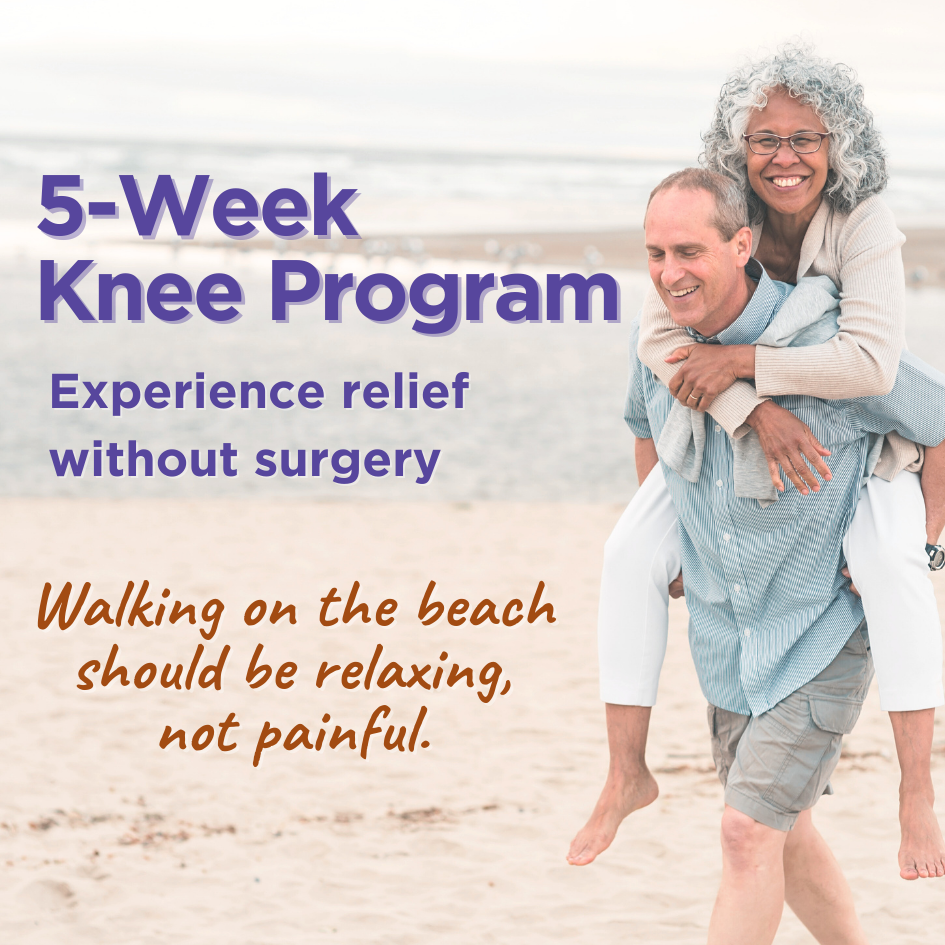
    2. Non-Surgical Approaches – Many cases of knee pain respond well to non-surgical interventions such as physical therapy, lifestyle adjustments, medical equipment and targeted exercises. These approaches can frequently alleviate pain and enhance functionality without resorting to invasive procedures. One example of a non-surgical approach is White-Wilson’s 5-Week Knee Program that combines lubricating injections with periods where a patient wears a brace over a span of a few weeks. 
    3. Pain Management Strategies – A broader exploration of pain management strategies exists that extends beyond surgery. This may include medications, injections or other therapeutic modalities designed to mitigate pain and improve mobility.
    4. Tailored Treatment Plans – Every patient is unique, and their knee pains may stem from different factors, so crafting treatment plans tailored to individual needs ensures a more personalized approach to knee pain management.
    “Surgery is not a one-size-fits-all solution,” emphasizes APRN Rios. “It’s important to explore other options first and reserve surgical intervention for instances where other methods prove insufficient.”

    Ultimately, APRN Rios explains that declines in function or knee pain doesn’t invariably demand surgery, and today’s new, alternative approaches should be explored before opting for a more invasive procedure. She encourages individuals struggling with pain to seek a comprehensive assessment and personalized treatment plan.


    “By dispelling this myth that surgery is the only answer, patients can let go of some fears and make more informed decisions about their knee health and overall wellbeing,” says APRN Rios. “This is why we are proud at White-Wilson to now offer our patients a short, 5-week program focused on reducing knee pain without surgery.” 

    APRN Rios stresses the importance of talking with a primary care provider or seeking advice from a pain management specialist to learn more about the new relief options available. To learn more about White-Wilson and treatment options, click here. 


    Trena Rios, APRN, is a registered nurse practitioner at the White-Wilson Pain Medicine Clinic in Fort Walton beach. She believes that equipping patients with comprehensive information about their condition and using the latest, noninvasive treatment options can be key to restoring patients’ activity, comfort and quality of life. Learn more about APRN Rios and her approach to patient care here. 
  • Myth Busters: RSV is something only kids get

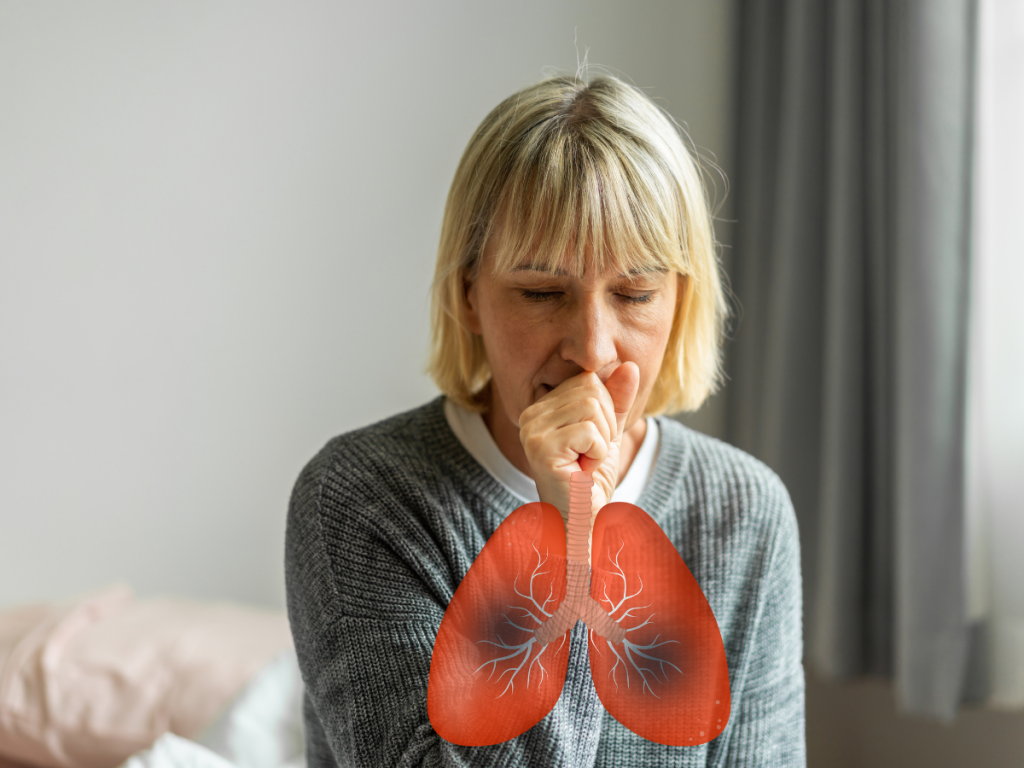
    When we talk about respiratory illnesses, we often think of common culprits like the flu or cold. But there’s one condition that doesn’t receive as much attention, and yet it is more prevalent than you might imagine – Respiratory Syncytial Virus (RSV). Because it is often associated with children, it leads many to wonder: Is RSV something just kids can get?

    First, it’s important to understand what exactly RSV is. White-Wilson Immediate Care Nurse Practitioner Tamara McKelvy explains that RSV is a viral infection that primarily affects the respiratory system. It’s highly contagious and can lead to a range of symptoms, from a runny nose and cough to severe respiratory distress. 

    In children, particularly infants, it can cause bronchiolitis and pneumonia, sometimes necessitating hospitalization. However, the impact of RSV doesn’t stop with the younger population. 

    “Yes, RSV is a significant concern for children, especially those under the age of 2 who are in daycare or school settings,” says APRN McKelvy. “But this is where the perception that it is just a children’s illness arises. While it’s true that children are more vulnerable to severe RSV-related illnesses, it’s important to understand that the myth about RSV no longer being a concern once you pass a certain age is just that – a myth.” 

    Contrary to popular belief, RSV can affect people of all ages, including healthy adults, elaborates APRN McKelvy. While the symptoms in adults are typically milder, they can still be quite uncomfortable – runny nose, cough and fever are common complaints. In some cases, it can lead to more serious complications (such as pneumonia), especially in older adults and those with weakened immune systems or underlying health conditions. 

    “As we age, our immune systems may not be as robust as they once were,” says APRN McKlvy. “For adults 60 and over, RSV can be a particularly severe and sometimes life-threatening illness. It’s also common for it to be mistaken as a cold or the flu, which can delay proper diagnosis and treatment.” 

    The virus is highly transmissible and can be easily passed from person to person through respiratory droplets when an infected person coughs or sneezes. So, if you are a caregiver, grandparent or simply spending time with children, you could be at a higher risk of contracting RSV. 

    In order to protect both children and adults, APRN McKelvy recommends taking preventive measures. Frequent handwashing, avoiding close contact with sick individuals and practicing good respiratory hygiene are all effective ways to reduce the risk of transmission. 

    The CDC recommends several additional measures for those who are considered high-risk. For infants and toddlers, an RSV vaccine can be given during pregnancy or an RSV antibody immunization after birth depending on the child’s age and the season. For older adults, an RSV vaccine can be received to reduce serious illness as a result of catching the virus.  

    Source: Centers for Disease Control and Prevention

    “The bottom line is that everyone is susceptible to catching RSV,” says APRN McKelvy “While children may bear the brunt of severe RSV-related illness, adults, especially those over 60, are not immune to its impact. Recognizing the potential dangers of the virus beyond childhood is the first step in protecting ourselves and our loved ones.”  

    APRN McKelvy emphasizes that most RSV infections go away on their own in a week or two, but it is important to speak to your health care provider and take necessary steps to manage fever and pain and drink plenty of fluids. If you have difficulty breathing, staying hydrated or begin experiencing worsening symptoms, be sure to seek medical care as soon as possible. 

    “We have already seen a lot of illness this year, particularly strep throat, flu and RSV, but helping to determine what illness patients have and what is going to be most effective at helping them feel better fast, is what our Immediate Care team is here for,” reminds APRN McKelvy. 


    Tamara McKelvy, APRN is a registered nurse practitioner with White-Wilson Medical Center Immediate Care Clinic in Crestview. She has three decades of experience caring for patients with urgent and emergency conditions and enjoys providing patients with quick and impactful answers when they are sick or injured. Learn more about APRN McKelvy and her approach to patient care here.