Tag: Strep Throat

  • How to Find Relief for Strep Throat

    Feeling That Scratch in Your Throat?

    If you’ve been hit with strep throat recently, you know just how miserable it can be. There are plenty of ways to ease the discomfort and help your body heal, and most of them start right at home.

    First Things First: See Your Doctor

    Before diving into remedies, here’s an important reminder. Strep throat is a bacterial infection, which means antibiotics are often the most effective treatment. If you suspect strep, especially if you have a sudden sore throat, fever, or difficulty swallowing, it’s worth calling your doctor or visiting White-Wilson Immediate Care for a quick test. Antibiotics can shorten your illness and prevent it from spreading to others.

    While you wait for your appointment or recover alongside your medication, these remedies can make a real difference in how you feel.

    • Warm Liquids Are Your Best Friend

    Staying hydrated is one of the simplest and most effective things you can do. Warm water, herbal tea, and broth can all help soothe an irritated throat. Try sipping throughout the day rather than taking large gulps, and keep a glass nearby at all times. Warm liquids keep your throat moist and can loosen up congestion.

    • The Classic: Salt Water Gargle

    This one has been around forever and for good reason. Dissolving about half a teaspoon of salt in a glass of warm water and gargling for 30 seconds can help reduce swelling and kill bacteria on the surface of your throat. Do not swallow after gargling; spit it out, and repeat a few times a day.

    • Honey and Lemon

    A warm mug of water with honey and lemon can help to ease the discomfort. Honey has natural antibacterial properties and coats your throat, while lemon adds vitamin C and helps thin mucus. Together, they make a surprisingly effective combination for easing that scratchy feeling.

    • Rest and Sleep

    Your body does its best healing when you give it time to recover. Try to get plenty of sleep and take it easy for a day or two. Pushing through when you’re sick only delays recovery and makes symptoms linger longer.

    • Over-the-Counter Pain Relief

    Medications like acetaminophen or ibuprofen can help reduce both pain and fever. Be sure to follow the dosage instructions on the label, and check with your pharmacist if you’re unsure which option is right for you.

    • Cold Treats Can Help Too

    Ice chips, popsicles, and cold water can actually numb the throat and provide temporary relief from pain. If the idea of warm drinks doesn’t appeal to you, cold options are a perfectly valid alternative.

    When to Call Your Doctor Again

    Don’t wait if your symptoms get worse instead of better after a few days or if you develop a high fever, trouble breathing, or a rash. These could be signs of a complication that needs medical attention.

    Taking care of yourself when strep strikes doesn’t have to be complicated. A little rest, some warm drinks, and the right treatment can have you feeling better in no time.


    Always consult with your healthcare provider about your specific medical needs. This information is for educational purposes only.

  • Understanding Strep Throat: Causes and Contagion

    You wake up with a scratchy throat, and by lunchtime, swallowing feels like navigating a thorny maze. This discomfort is a familiar scenario for many of us, signaling the possibility of strep throat. But what exactly is “strep,” how do you determine if you really have it, and how does it find its way into our lives? 

    Strep throat, which is scientifically known as Streptococcal Pharyngitis, is primarily caused by the Streptococcus bacterium, explains White-Wilson Nurse Practitioner (APRN) Mary Jean Middleton. Among these bacteria, Group A Streptococcus (GAS) takes the spotlight as the culprit behind the majority of strep throat cases. 

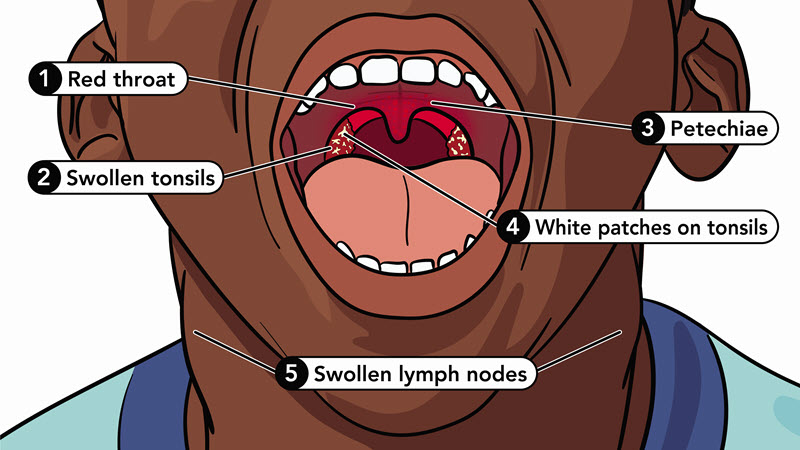
    While we can’t see them with the naked eye, these bacteria are responsible for the unpleasant symptoms of strep, from a sore throat to fever and difficulty swallowing. Other telltale signs of strep are red or swollen tonsils, white patches of pus at the back of the throat and small, red spots on the roof of the mouth. 

    Source: Centers for Disease Control and Prevention

    Although APRN Middleton clarifies that the infection is more common in children than adults, it is still an illness known for a high level of contagion that everyone should be cautious of.  

    “It doesn’t need an elaborate plan to spread; it thrives on close human contact,” says APRN Middleton. “When an infected person coughs or sneezes, they release tiny respiratory droplets that may contain the strep bacteria, and if you happen to be in the vicinity, you could inhale these infectious droplets, leading to a potential infection.” 

    APRN Middleton warns that the bacteria can also linger on surfaces such as doorknobs, keyboards and other objects, so it is important to be extra cautious if you are infected or are around someone who is. Understanding the modes of transmission is key to preventing strep throat, and practicing simple hygiene can go a long way in safeguarding yourself and those around you. 

    Below are some simple steps APRN Middleton suggests patients keep in mind:

    • Handwashing – Regular handwashing with soap and warm water for at least 20 seconds can effectively remove bacteria from your skin. Be especially diligent after coughing, sneezing or touching surfaces in public places.
    • Disinfection – Clean and disinfect commonly touched surfaces in your home and workplace regularly. This can help eliminate any lurking bacteria. 
    • Respiratory Etiquette – Cover your nose and mouth with a tissue or your elbow when you cough or sneeze. Dispose of used tissues properly to prevent the spread of germs. 
    • Avoid Close Contact – If you know someone has strep throat, try to maintain some distance form them until they’ve completed a course of antibiotics. This can significantly reduce the risk of transmission. 

    Should you suspect you have strep throat, APRN Middleton emphasizes it is essential to consult a health care professional for proper diagnosis and treatment. Once diagnosed, strep throat is typically treated with antibiotics, which can effectively clear the infection and reduce the risk of complications, and taking the full course of antibiotics as prescribed is crucial to irradicate the bacteria.

    “If you or someone you know experiences symptoms of strep throat, don’t hesitate to seek medical attention,” says APRN Middleton. “Our Immediate Care team treats strep throat frequently, and we have recently upgraded our equipment to allow us to more quickly process cultures and determine what exactly is causing you discomfort. With a timely diagnosis and appropriate treatment, you can recover quickly and minimize the risk of spreading the infection to others.” 


    Mary Jane Middleton, APRN is a registered nurse practitioner with White-Wilson Medical Center’s Immediate Care team. She is passionate about listening and allowing the patient to fully express what brings them in before drawing conclusions. Learn more about APRN Middleton and her approach to patient care here.