Tag: vaccination

  • Adult Vaccines – What you need to know

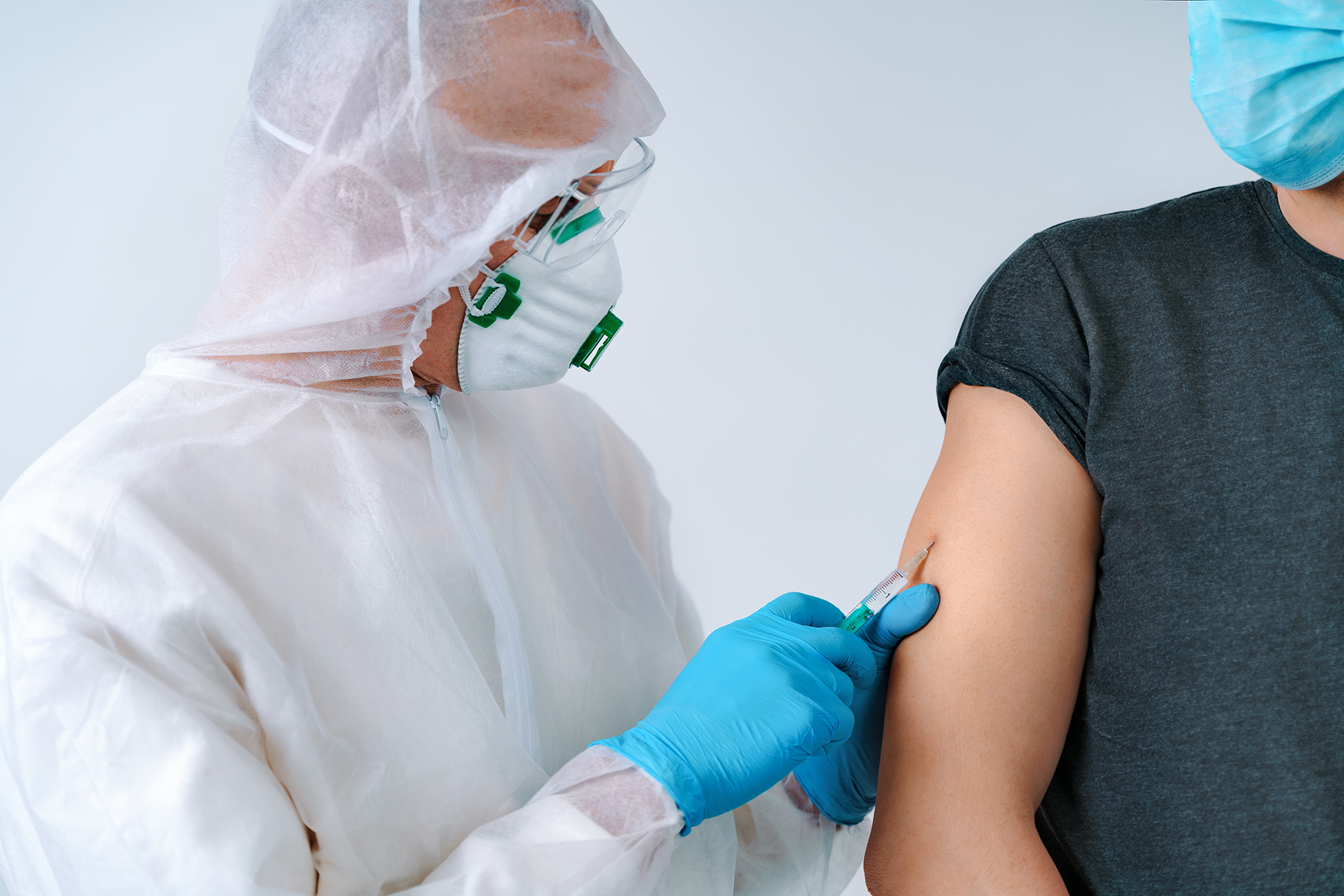
    Adult vaccinations play an important role in preventative health, yet many people believe they are only for children.

    As flu season approaches, we recommend getting your influenza vaccine. It is a basic vaccination, relatively inexpensive, and quite efficient at avoiding influenza-like symptoms.

    The second vaccine that most adults should have is the Tdap or tetanus shot, which requires a booster every ten years. The abbreviation Tdap stands for Tetanus, Diphtheria, and Pertussis. A single vaccine can protect you against all three bacteria.

    MMR and the MMR vaccine are next on the list. If you were born before 1957, you should have received a booster. Before receiving any vaccines, talk with your primary care physician about these and other comparable vaccines.

    We also strongly advise young adults to get the new human papillomavirus vaccine. This vaccine protects against the human papillomavirus, which causes cervical cancer in women. Unfortunately, males can carry the virus while completely asymptomatic and unaware of their infection.

    If you were born after 1980, the varicella vaccine is beneficial. This vaccine will protect you against chickenpox if you have never had it before. However, if you have had the horrible chickenpox and are over the age of 50, the Centers for Disease Control and Prevention (CDC) recommend getting the shingles vaccine. Shin Griggs, a two-phase shingles vaccine, is the most effective.

    We strongly recommend a pneumonia vaccine for individuals aged 65 and up, as it can prevent the onset of pneumonia and its associated comorbid illnesses. For people under 65 who smoke, have diabetes, or are immunocompromised, the pneumonia vaccine may be appropriate.

    Vaccination teaches your immune system to produce antibodies that protect you from developing diseases. Compared to the alternative of catching and treating infections, vaccination provides a more beneficial learning experience for your immune system. In many cases, your immune system will be able to offer you long-term immunity once it has fully absorbed how to fight off a disease.

    The rare but real possibility of death from vaccine-preventable diseases is why vaccinations is so important. Additionally, it prevents the infections from spreading to family members, friends, and the wider community.


    The content of this article has been adapted and updated from our video library. If you wish to watch the video, click here.

  • The Path to Herd Immunity

    Over the last month, vaccines tasked with arming us against COVID-19 have begun arriving around the country, bringing with it much excitement that we might soon be rid of the global pandemic that has plagued us. While it may be a while before the public-at-large is able to receive the vaccine, the topic is hot among dinner tables and water cooler conversations.

    One popular term making its way around these discussions and onto the news is ‘herd immunity.’  Also known as ‘population immunity,’ herd immunity occurs when a large percentage of a community becomes immune to a disease, inhibiting its ability to spread to the point where the whole community, even those within it who are not immune, are protected from the disease. This is especially beneficial in cases where a community consists of people who are at increased risk from a disease, such as newborns and the immunocompromised.

    It is easy to see why ‘herd immunity’ is an exciting prospect. After almost a year of restrictions and precautions, we are all ready for things to get back to normal, but it won’t be an easy path.

    “For herd immunity to occur a large percentage of the community’s population needs to be immune, either through vaccination or previous infection,” explains Dr. Gregory Stepp of the White-Wilson Family Medicine Clinic. “This percentage varies by disease with the more contagious diseases having a higher percentage to meet.  For example, measles, a highly contagious disease, requires approximately 94% of a population to be immune for herd immunity to occur. It is a tall order, but as we have seen in the case of measles, polio, mumps and chickenpox, it is possible through vaccination programs.”

    Because the virus that causes COVID-19 was previously unheard of and scientists continue to learn about it, the threshold for herd immunity (HIT) that needs to be met is unknown at this time. Many experts anticipate that number to fall somewhere between 50% and 90%, meaning the majority of people in a community will need to be immunized against the virus for herd immunity to be achieved.

    “If we all get on board, this is doable,” says Dr. Stepp, “especially with the vaccine becoming available.”

    The availability of a vaccine often makes a huge difference when it comes to achieving herd immunity.  Without a vaccine, we would have to rely on a large number of the population becoming sick with and recover from COVID-19. Depending on the disease, that can be extremely risky.

    “It is very clear to us that COVID-19 can cause severe illness and even death in certain instances,” Dr. Stepp elaborates. “Waiting to meet the HIT through natural infections will result in more suffering and death than is necessary, not to mention, the increased strain it will put on our already overstressed health care system. Vaccines are a way to circumvent these issues.”

    There is also the hurdle of vaccine hesitancy. As is the case of any vaccination, some segment of the population will be opposed to it, whether it’s for ethical or religious reasons or because people are uncomfortable with the speed at which this vaccine was developed. According to Pew Research Center, approximately 60% of the U.S. population reports that they will or probably will receive a COVID-19 vaccination once it becomes available. And while this does fall within the range of the estimate HIT, it leaves little room for error.

    “I understand that the idea of a vaccine can be scary, especially one that has been created so quickly,” says Dr. Stepp. “However, it is important to know that everything the research tells us is that this vaccine is safe. While getting control over the virus is the ultimate goal, safety is and has always been at the forefront of the discussion. We have proof of this. Millions of people around the country have received the vaccine and of those million and very few instances of severe side effects have been reported. “

    “There is a lot of misinformation out there and it can be hard to know what is correct,” he continues. “But don’t just take my word for it. Ask your doctor and the medical professionals in your life. Get multiple opinions from people who know the science and not just your peer group. That way you are making the most informed decision one way or another.”

    “Herd immunity would be an excellent way to fight back against COVID-19,” Dr. Stepp explains, “but there is still the chance that it may not happen. That is why it is important to continue taking precautions like the ones we have been. This disease is still very new to everyone and while we know more than we did in March, there is much yet to learn. As scientists and doctors continue to do their part, I urge you to continue to do yours as a show of support.”

    Dr. Gregory Stepp is a board-certified family medicine practitioner at White-Wilson Medical Center in Fort Walton Beach. Click here to learn more about Dr. Stepp and his approach to patient care.
  • Myth Busters: If I Receive My COVID-19 Vaccine, I No Longer Have to Wear a Mask.

    It’s finally a new year. And as with every new year, it comes with new hope that we can leave the past behind us and usher in a better and brighter tomorrow. After the difficult year that was 2020, this has never been truer.
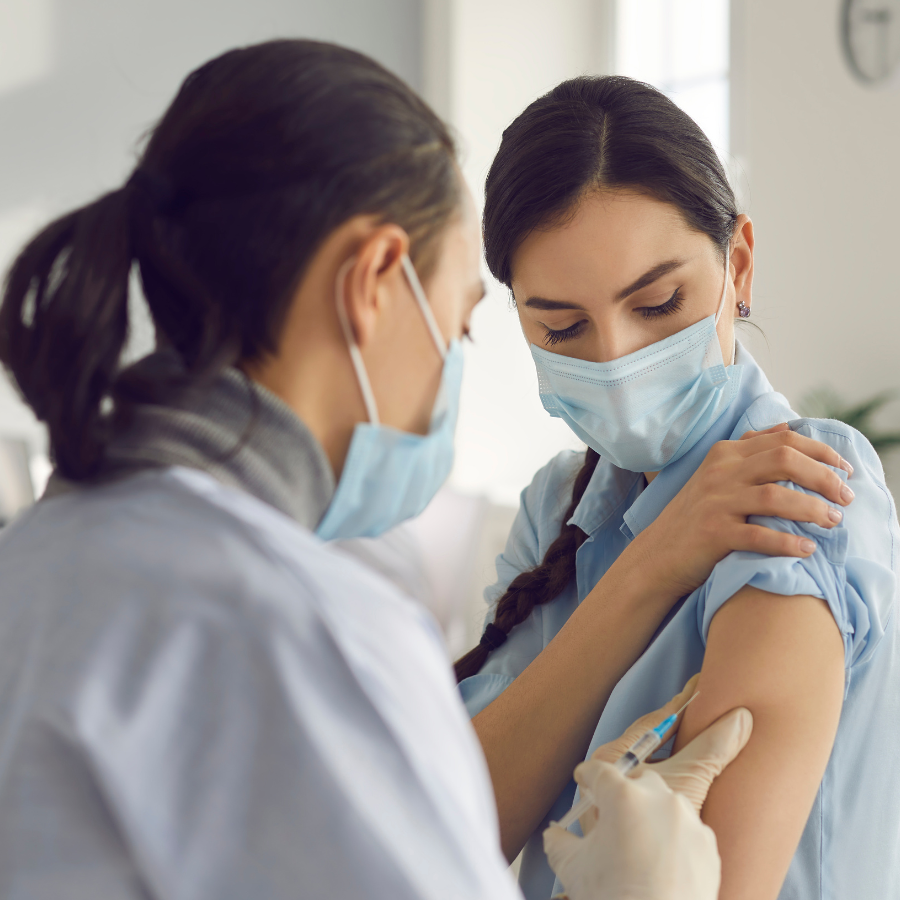
    Luckily, leading the charge toward a happier and healthier 2021 is the COVID-19 vaccine, which, in recent weeks, has started being administered throughout the nation. The excitement for the vaccine is certainly palpable, with the belief that receiving it will mark a return to normal and the end of quarantining, social distancing and wearing masks. While that is a goal in the long run, it won’t be an instantaneous change.

    “Even if you do receive the COVID-19 vaccine, you should continue to take precautions when it comes to protecting yourself and others from the disease,” says Dr. Chinh Vien Van of the White-Wilson Immediate Care Clinic. “It won’t be an on-and-off type of situation. Time is a necessary component as well.”

    Vaccines work by stimulating your body’s immune system to develop antibodies used to fight virus.

    “This process takes time,” explains Dr. Van. “It could be a week, it could be a month or longer, and during this time, it is possible that you may contract the virus and become sick. Further, both COVID-19 vaccines approved by the FDA require two doses to reach full effectiveness, administered either 21 days or 28 days apart. This also leaves time where you’re not fully protected you may become infected.”

    Another aspect working against an instant fix is the vaccine’s level of effectiveness. Initial studies have shown high levels of effectiveness in the approved vaccines’ abilities to reduce/prevent severe illness. Less research has been done on the vaccines’ effectiveness in preventing a person from being able to transmit the disease. Scientists believe that it is likely for the vaccines to have some effectiveness at preventing transmission, but more study is necessary and even then, it is very unlikely that number will be 100%.

    “There is always a chance that you or someone you know will fall into that percentage of exception,” says Dr. Van. “It is better to be safe than sorry and to use all the tools we have available to guard yourself and your loved ones from infection.”

    “I have no doubt there will be a day that we can be rid of these increased restrictions,” he continues. “Whether it is in a few months or a year will, in part, depend on our willingness to continue taking protective measures while everyone waits to receive the vaccine. Until that time, we must all keep wearing our marks, social distancing and avoid gatherings to slow the spread of this virus.”

    This myth is busted.

    Dr. Chinh Vien Van is board-certified by the American Board of Family Medicine and practices at the White-Wilson Immediate Care Clinics in Crestview, Fort Walton Beach, Navarre and Niceville. White-Wilson Immediate Care Clinics are open seven days a week in Fort Walton Beach. Click here to learn more about Dr. Van and his approach to patient care, and view his video bio.

  • The Importance of Back-to-School Physicals

    School is out for summer! Although it may seem like the break has just begun, summer goes by in the blink of an eye and it is not too early to start planning for the school year ahead. From gathering supplies to meeting your child’s new teacher, there are many things for you to do before the year starts. One of the most importantis to schedule your child’s back-to-school physical and wellness visit.

    “Back-to-school physicals are an important part of your child’s health care,” White-Wilson pediatrician Dr. Irina Smith says.  “Getting a physical annually will help ensure your child stays healthy and starts off the school year off right.”

    Dr. Smith recommends that all school-age children visit their pediatrician for their back-to-school physical every year.

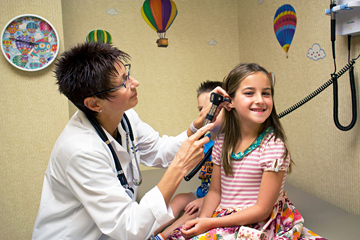
    “Pediatricians use these visits to measure your child’s growth and development,” she explains. “An annual physical is a time dedicated to tracking your child’s development and discussing any concerns. It is a time for pediatricians to work with parents to plan for the year ahead and discuss strategies for things like asthma control, ADHD management, vaccinations and sports readiness.”

    Other than a general health check-up, the back-to-school physicals also consist of a review of your child’s immunization records. In Florida, like many states, students are required to have specific vaccines before they begin kindergarten and others as they age. Failure to complete these immunizations may result in your child being unable to enroll. At your back-to-school appointment, your pediatrician can discuss vaccination requirements and answer any questions about them.

    “If your child does need a vaccination,” Dr. Smith says, “we will be able to administer it during the same visit and provide you with an updated record for your child’s school.”

    In short, back-to-school visits are essential because they prepare you and your child for the next year and help them put their best foot forward. It is a time to partner with your child’s pediatrician, to celebrate milestones and to create a plan that is best for your family.

    “Being active and attentive in school is an extremely important part of your child’s development,” Dr. Smith concludes. “Just like you, we want to see them succeed and it all starts with their health.”

    As the school year approaches, appointments do fill quickly. Beat the rush by scheduling your appointment now. Dedicated appointment spots are available each day in Fort Walton Beach, Destin, Navarre and Niceville. Call 850.863.8100 today to schedule.