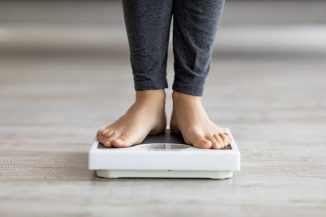
 It’s no secret that as we age, our bodies experience a variety of changes. While most changes are inevitable parts of life, there are a few signs of aging that, with the help of your primary care provider and a few lifestyle changes, you can ease. Take weight gain for example.
“Everyone, regardless of gender, can experience weight gain as they age,” explains Dr. Melissa Chrites, an internist at White-Wilson Medical Center in Fort Walton Beach. “While this is due to a lot of different changes happening in the body, one factor that plays a big part is changes in hormones.”
According to Dr. Chrites, hormone changes happen to all of us as we age, and these changes can result in weight fluctuations. This is especially true for women.
“As women grow older and enter menopause, hormone levels can change significantly,” says Dr. Chrites. “One of the biggest culprits of this being estrogen. While dropping estrogen levels don’t directly cause weight gain, this decrease can make it easier to gain weight by slowing your metabolism and make weight more visible by decreasing muscle mass.”
A person’s metabolism is the process by which their body converts food and drink into energy. The “faster” your metabolism is, the more calories your body can burn while at rest. This means a “slower” metabolism burns fewer calories at rest and may make it easier for you to gain weight than before.
“Estrogen changes also affect muscle mass and how weight is distributed along the body.” Dr. Chrites explains. “When estrogen levels decrease so too does muscle mass. This decrease can result in more of what is called ‘visceral’ weight or weight that is noticeably visible. Whereas before, you were holding weight in your muscles and it was less visible, now it appears more visibly, oftentimes around your midsection.
“These are just two reasons why maintaining or increasing your physical activity is so important as you age,” she continues. “Physical activity helps us burn those excess calories that our metabolism doesn’t get to and helps us tone our bodies to decrease the visibility of fat.”
There are other hormones changes that can play a role in weight gain as we age. These include:
- Testosterone, which affects both men and women and also affects muscle mass and metabolic rate. Like estrogen, testosterone tends to decrease as we age.
- Insulin, which affects how your body creates and uses glucose. If you become insulin resistant, the excess glucose in your body is turned into fat. As you age, you become more likely to become insulin resistant.
Now that we know which hormonal changes can contribute to weight gain as we age, what can we do about it?
“As is the case at any age, adopting healthy habits is key to controlling and losing weight,” explains Dr. Chrites. “These include the usual suspects such as getting enough physical exercise and eating the right foods, as well as getting enough sleep and maintaining low levels of stress.
“There are also medical ways to combat hormonal changes and weight gain,” she continues. “There are many factors to consider before using medications and hormone therapies and so it is important to understand how they will affect other parts of your health as well. Your White-Wilson primary care provider can talk with you about these methods and through the help of appropriate specialists, determine if they could possibly work for you.
“Even if hormone therapies don’t seem to be a fit, don’t fret. Your primary care physician will be here to help you develop plans and implement methods that will keep you happy, and most importantly, healthy for many more years.”
Dr. Melissa Chrites is an Internist at White-Wilson Internal Medicine clinic in Fort Walton Beach. Dr. Chrites specializes in primary care, the diagnosis and treatment of chronic illness and women’s wellness. She has a special interest in weight management and disease prevention. Learn more about Dr. Chrites’ approach to patient care and schedule your appointment with her here.
 During the fight against COVID-19, staying home and limiting interactions has been key to preventing community spread. While there is no argument that taking these steps has benefited all of us in the long run, unhealthy side effects have occurred during this time.