Tag: white-wilson immediate care

  • How to Find Relief for Strep Throat

    Feeling That Scratch in Your Throat?

    If you’ve been hit with strep throat recently, you know just how miserable it can be. There are plenty of ways to ease the discomfort and help your body heal, and most of them start right at home.

    First Things First: See Your Doctor

    Before diving into remedies, here’s an important reminder. Strep throat is a bacterial infection, which means antibiotics are often the most effective treatment. If you suspect strep, especially if you have a sudden sore throat, fever, or difficulty swallowing, it’s worth calling your doctor or visiting White-Wilson Immediate Care for a quick test. Antibiotics can shorten your illness and prevent it from spreading to others.

    While you wait for your appointment or recover alongside your medication, these remedies can make a real difference in how you feel.

    • Warm Liquids Are Your Best Friend

    Staying hydrated is one of the simplest and most effective things you can do. Warm water, herbal tea, and broth can all help soothe an irritated throat. Try sipping throughout the day rather than taking large gulps, and keep a glass nearby at all times. Warm liquids keep your throat moist and can loosen up congestion.

    • The Classic: Salt Water Gargle

    This one has been around forever and for good reason. Dissolving about half a teaspoon of salt in a glass of warm water and gargling for 30 seconds can help reduce swelling and kill bacteria on the surface of your throat. Do not swallow after gargling; spit it out, and repeat a few times a day.

    • Honey and Lemon

    A warm mug of water with honey and lemon can help to ease the discomfort. Honey has natural antibacterial properties and coats your throat, while lemon adds vitamin C and helps thin mucus. Together, they make a surprisingly effective combination for easing that scratchy feeling.

    • Rest and Sleep

    Your body does its best healing when you give it time to recover. Try to get plenty of sleep and take it easy for a day or two. Pushing through when you’re sick only delays recovery and makes symptoms linger longer.

    • Over-the-Counter Pain Relief

    Medications like acetaminophen or ibuprofen can help reduce both pain and fever. Be sure to follow the dosage instructions on the label, and check with your pharmacist if you’re unsure which option is right for you.

    • Cold Treats Can Help Too

    Ice chips, popsicles, and cold water can actually numb the throat and provide temporary relief from pain. If the idea of warm drinks doesn’t appeal to you, cold options are a perfectly valid alternative.

    When to Call Your Doctor Again

    Don’t wait if your symptoms get worse instead of better after a few days or if you develop a high fever, trouble breathing, or a rash. These could be signs of a complication that needs medical attention.

    Taking care of yourself when strep strikes doesn’t have to be complicated. A little rest, some warm drinks, and the right treatment can have you feeling better in no time.


    Always consult with your healthcare provider about your specific medical needs. This information is for educational purposes only.

  • Preventing and Treating Bug Bites

    In the summer, there are numerous outdoor activities to enjoy with your family and friends. It is likely that insects and other creatures will join us as we spend time outside. Bug bites, like all other types of injuries, are common at the Immediate Care clinic.

    Here are some tips to protect yourself from bug bites.

    To protect yourself from being bitten by insects, we strongly recommend that you put on proper clothing, such as long sleeves, before stepping outside. When you are in a wooded area, wearing long, comfortable pants will help protect your legs.

    In addition to bug-resistant clothes, there are commercial products available that can repel insects such as mosquitoes, ants, beetles, and even ticks.

    If you are also wearing sunscreen, apply your sunscreen first, let it dry, and then apply the insect repellent. Avoid using sunscreen that contains insect repellent, as you should apply sunscreen liberally and often and apply insect repellent sparingly.

    Treating Bites

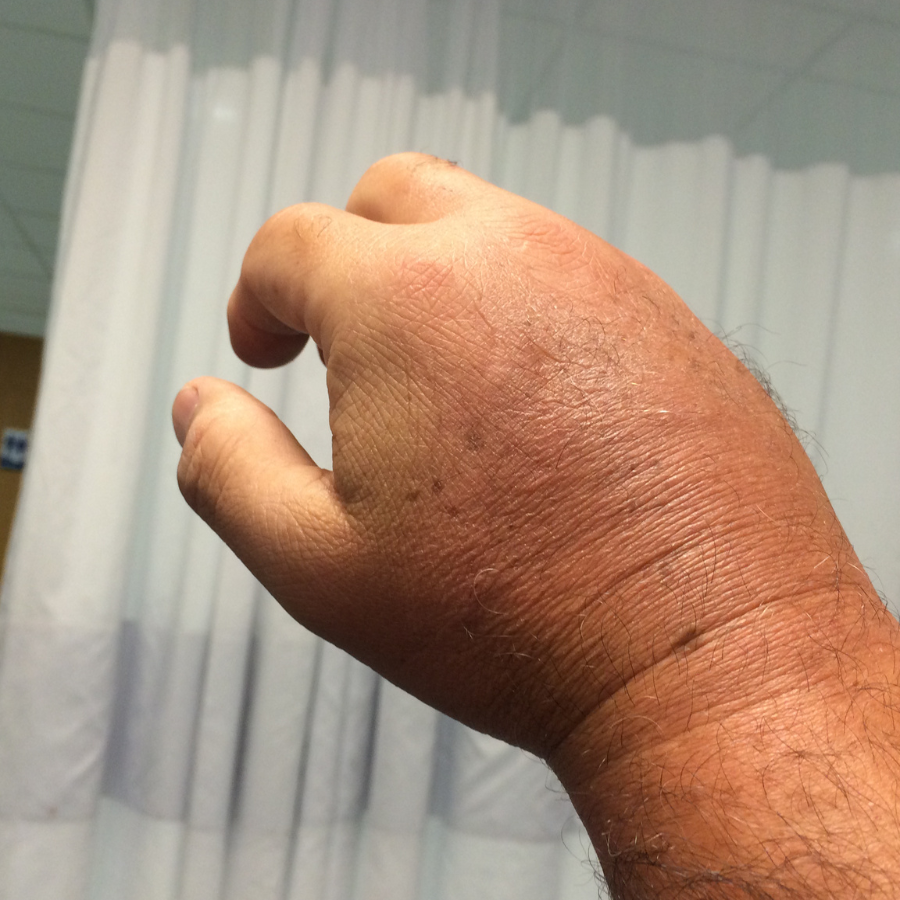
    Regarding bites, do not be alarmed, as most of them are simply localized skin irritations. If you experience stings from bees, wasps, or other insects, it is critical to remove their stingers since they can attract other insects. Gently cleanse the bite area with soap and water.

    You can reduce some of the pain by applying a cloth dampened with cold water or filled with ice to the affected skin. Keep it on for 10 to 20 minutes. This helps reduce pain and swelling. You can also take a tiny dose of Benadryl to alleviate the pain.

    If the redness and swelling surrounding the bite mark deepen and become more inflamed, or if you have a fever, headache, or other similar symptoms, you should wait a day or two before seeking medical care. However, if the symptoms persist or you develop serious reactions such as hives, trouble breathing, vomiting, or diarrhea, seek treatment at White-Wilson Immediate Care.


    The content of this article has been adapted and updated from our video library. If you wish to watch the video, click here.

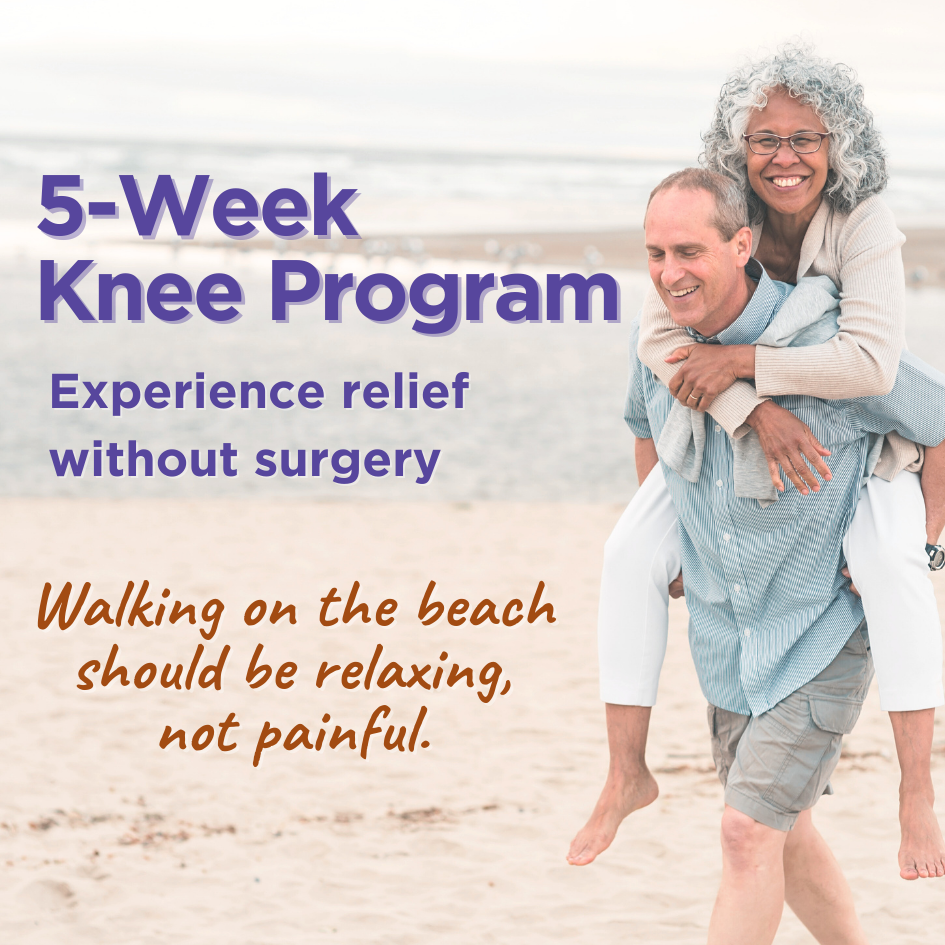
  • Myth Busters: Only Surgery Can Fix Your Knee Pain 

    Chronic knee pain is more than just uncomfortable. For many, knee discomfort, osteoarthritis or bone-on-bone aching can be debilitating and prevent you from easily doing everyday activities such as getting out of bed, walking or completing chores. 

    Strolling along the beach, playing sports or enjoying quality time with family now feels impossible, and you are left wondering how to find relief. While many people think that surgery is their only choice to resolve pain and restore mobility, this complex and often expensive decision is not your only option. In fact, there are more alternatives now than ever before. 

    “When grappling with knee pain or deteriorating knee function, the assumption that surgery is the only solution is a common misconception,” says White-Wilson Pain Medicine Nurse Practitioner Trena Rios. “While at one point in time surgery was the only long-term relief offered, there are a lot of new options out there today that can be just as effective with significantly less expense and recovery.

    The important thing to understand is that knee pain is a nuanced issue with a bunch of underlying causes,” emphasizes APRN Rios. “Just because surgery is right for one person doesn’t mean it’s the best option for someone else.” 

    Doctors and patients agree that opting for surgery should be a final consideration after exploring other avenues, elaborates APRN Rios. While there is a prevailing notion that knee pain necessitates immediate surgery, that is just not the case. 

    Thanks to developments in orthopedic medical practice, patients are now offered several new approaches for effectively managing knee discomfort or preserving and improving knee function. In fact, many health care providers recommend considering alternatives before going straight to surgery. 

    1. Holistic Evaluation – Talk with your health care provider for a comprehensive assessment to pinpoint the root cause of the knee pain. This often involves delving into factors such as joint inflammation, muscle imbalances and ligament issues. Surgery may not be imperative if these elements can be effectively addressed through other methods.
    2. Non-Surgical Approaches – Many cases of knee pain respond well to non-surgical interventions such as physical therapy, lifestyle adjustments, medical equipment and targeted exercises. These approaches can frequently alleviate pain and enhance functionality without resorting to invasive procedures. One example of a non-surgical approach is White-Wilson’s 5-Week Knee Program that combines lubricating injections with periods where a patient wears a brace over a span of a few weeks. 
    3. Pain Management Strategies – A broader exploration of pain management strategies exists that extends beyond surgery. This may include medications, injections or other therapeutic modalities designed to mitigate pain and improve mobility.
    4. Tailored Treatment Plans – Every patient is unique, and their knee pains may stem from different factors, so crafting treatment plans tailored to individual needs ensures a more personalized approach to knee pain management.

    “Surgery is not a one-size-fits-all solution,” emphasizes APRN Rios. “It’s important to explore other options first and reserve surgical intervention for instances where other methods prove insufficient.”

    Ultimately, APRN Rios explains that declines in function or knee pain doesn’t invariably demand surgery, and today’s new, alternative approaches should be explored before opting for a more invasive procedure. She encourages individuals struggling with pain to seek a comprehensive assessment and personalized treatment plan.


    “By dispelling this myth that surgery is the only answer, patients can let go of some fears and make more informed decisions about their knee health and overall wellbeing,” says APRN Rios. “This is why we are proud at White-Wilson to now offer our patients a short, 5-week program focused on reducing knee pain without surgery.” 

    APRN Rios stresses the importance of talking with a primary care provider or seeking advice from a pain management specialist to learn more about the new relief options available. To learn more about White-Wilson and treatment options, click here. 


    Trena Rios, APRN, is a registered nurse practitioner at the White-Wilson Pain Medicine Clinic in Fort Walton beach. She believes that equipping patients with comprehensive information about their condition and using the latest, noninvasive treatment options can be key to restoring patients’ activity, comfort and quality of life. Learn more about APRN Rios and her approach to patient care here. 

  • Understanding Strep Throat: Causes and Contagion

    You wake up with a scratchy throat, and by lunchtime, swallowing feels like navigating a thorny maze. This discomfort is a familiar scenario for many of us, signaling the possibility of strep throat. But what exactly is “strep,” how do you determine if you really have it, and how does it find its way into our lives? 

    Strep throat, which is scientifically known as Streptococcal Pharyngitis, is primarily caused by the Streptococcus bacterium, explains White-Wilson Nurse Practitioner (APRN) Mary Jean Middleton. Among these bacteria, Group A Streptococcus (GAS) takes the spotlight as the culprit behind the majority of strep throat cases. 

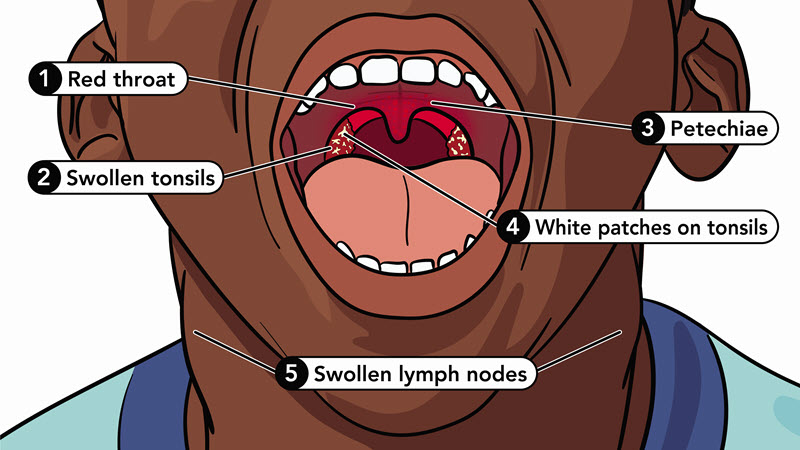
    While we can’t see them with the naked eye, these bacteria are responsible for the unpleasant symptoms of strep, from a sore throat to fever and difficulty swallowing. Other telltale signs of strep are red or swollen tonsils, white patches of pus at the back of the throat and small, red spots on the roof of the mouth. 

    Source: Centers for Disease Control and Prevention

    Although APRN Middleton clarifies that the infection is more common in children than adults, it is still an illness known for a high level of contagion that everyone should be cautious of.  

    “It doesn’t need an elaborate plan to spread; it thrives on close human contact,” says APRN Middleton. “When an infected person coughs or sneezes, they release tiny respiratory droplets that may contain the strep bacteria, and if you happen to be in the vicinity, you could inhale these infectious droplets, leading to a potential infection.” 

    APRN Middleton warns that the bacteria can also linger on surfaces such as doorknobs, keyboards and other objects, so it is important to be extra cautious if you are infected or are around someone who is. Understanding the modes of transmission is key to preventing strep throat, and practicing simple hygiene can go a long way in safeguarding yourself and those around you. 

    Below are some simple steps APRN Middleton suggests patients keep in mind:

    • Handwashing – Regular handwashing with soap and warm water for at least 20 seconds can effectively remove bacteria from your skin. Be especially diligent after coughing, sneezing or touching surfaces in public places.
    • Disinfection – Clean and disinfect commonly touched surfaces in your home and workplace regularly. This can help eliminate any lurking bacteria. 
    • Respiratory Etiquette – Cover your nose and mouth with a tissue or your elbow when you cough or sneeze. Dispose of used tissues properly to prevent the spread of germs. 
    • Avoid Close Contact – If you know someone has strep throat, try to maintain some distance form them until they’ve completed a course of antibiotics. This can significantly reduce the risk of transmission. 

    Should you suspect you have strep throat, APRN Middleton emphasizes it is essential to consult a health care professional for proper diagnosis and treatment. Once diagnosed, strep throat is typically treated with antibiotics, which can effectively clear the infection and reduce the risk of complications, and taking the full course of antibiotics as prescribed is crucial to irradicate the bacteria.

    “If you or someone you know experiences symptoms of strep throat, don’t hesitate to seek medical attention,” says APRN Middleton. “Our Immediate Care team treats strep throat frequently, and we have recently upgraded our equipment to allow us to more quickly process cultures and determine what exactly is causing you discomfort. With a timely diagnosis and appropriate treatment, you can recover quickly and minimize the risk of spreading the infection to others.” 


    Mary Jane Middleton, APRN is a registered nurse practitioner with White-Wilson Medical Center’s Immediate Care team. She is passionate about listening and allowing the patient to fully express what brings them in before drawing conclusions. Learn more about APRN Middleton and her approach to patient care here. 

  • Myth Busters: RSV is something only kids get

    When we talk about respiratory illnesses, we often think of common culprits like the flu or cold. But there’s one condition that doesn’t receive as much attention, and yet it is more prevalent than you might imagine – Respiratory Syncytial Virus (RSV). Because it is often associated with children, it leads many to wonder: Is RSV something just kids can get?

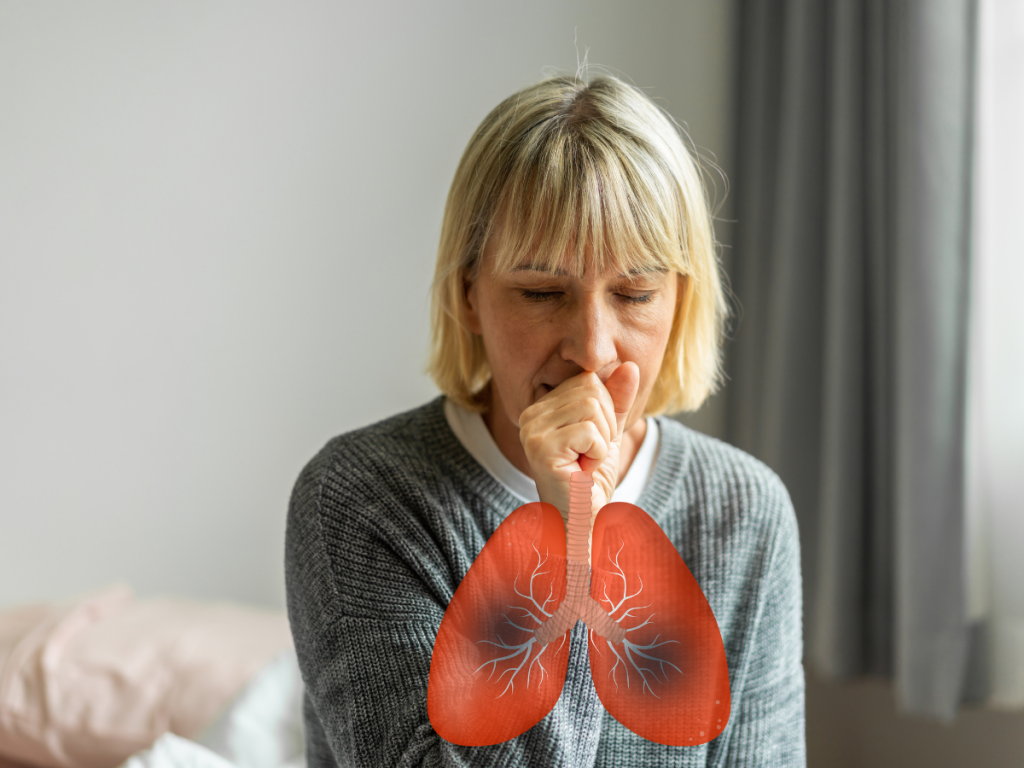
    First, it’s important to understand what exactly RSV is. White-Wilson Immediate Care Nurse Practitioner Tamara McKelvy explains that RSV is a viral infection that primarily affects the respiratory system. It’s highly contagious and can lead to a range of symptoms, from a runny nose and cough to severe respiratory distress. 

    In children, particularly infants, it can cause bronchiolitis and pneumonia, sometimes necessitating hospitalization. However, the impact of RSV doesn’t stop with the younger population. 

    “Yes, RSV is a significant concern for children, especially those under the age of 2 who are in daycare or school settings,” says APRN McKelvy. “But this is where the perception that it is just a children’s illness arises. While it’s true that children are more vulnerable to severe RSV-related illnesses, it’s important to understand that the myth about RSV no longer being a concern once you pass a certain age is just that – a myth.” 

    Contrary to popular belief, RSV can affect people of all ages, including healthy adults, elaborates APRN McKelvy. While the symptoms in adults are typically milder, they can still be quite uncomfortable – runny nose, cough and fever are common complaints. In some cases, it can lead to more serious complications (such as pneumonia), especially in older adults and those with weakened immune systems or underlying health conditions. 

    “As we age, our immune systems may not be as robust as they once were,” says APRN McKlvy. “For adults 60 and over, RSV can be a particularly severe and sometimes life-threatening illness. It’s also common for it to be mistaken as a cold or the flu, which can delay proper diagnosis and treatment.” 

    The virus is highly transmissible and can be easily passed from person to person through respiratory droplets when an infected person coughs or sneezes. So, if you are a caregiver, grandparent or simply spending time with children, you could be at a higher risk of contracting RSV. 

    In order to protect both children and adults, APRN McKelvy recommends taking preventive measures. Frequent handwashing, avoiding close contact with sick individuals and practicing good respiratory hygiene are all effective ways to reduce the risk of transmission. 

    The CDC recommends several additional measures for those who are considered high-risk. For infants and toddlers, an RSV vaccine can be given during pregnancy or an RSV antibody immunization after birth depending on the child’s age and the season. For older adults, an RSV vaccine can be received to reduce serious illness as a result of catching the virus.  

    Source: Centers for Disease Control and Prevention

    “The bottom line is that everyone is susceptible to catching RSV,” says APRN McKelvy “While children may bear the brunt of severe RSV-related illness, adults, especially those over 60, are not immune to its impact. Recognizing the potential dangers of the virus beyond childhood is the first step in protecting ourselves and our loved ones.”  

    APRN McKelvy emphasizes that most RSV infections go away on their own in a week or two, but it is important to speak to your health care provider and take necessary steps to manage fever and pain and drink plenty of fluids. If you have difficulty breathing, staying hydrated or begin experiencing worsening symptoms, be sure to seek medical care as soon as possible. 

    “We have already seen a lot of illness this year, particularly strep throat, flu and RSV, but helping to determine what illness patients have and what is going to be most effective at helping them feel better fast, is what our Immediate Care team is here for,” reminds APRN McKelvy. 


    Tamara McKelvy, APRN is a registered nurse practitioner with White-Wilson Medical Center Immediate Care Clinic in Crestview. She has three decades of experience caring for patients with urgent and emergency conditions and enjoys providing patients with quick and impactful answers when they are sick or injured. Learn more about APRN McKelvy and her approach to patient care here. 

  • Stomach Bug Survival Tips 

    Catching a stomach bug, also called viral gastroenteritis, is never fun. The sickness is most often associated with vomiting, diarrhea, fever, cramps and nausea, and it is unfortunately very common, especially among young children. While the sickness typically lasts a few hours to a few days, it is nevertheless important to be prepared if or when you or a family member catches it. 

    There are several viruses that can cause a stomach bug, explains White-Wilson Nurse Practitioner (APRN) Julie Powell. Two of the most common ones are norovirus and rotavirus, and they both are spread through close interaction with infected individuals and from contact with contaminated objects or surfaces. 

    “One of the most effective ways to prevent catching a stomach bug is through washing your hands regularly,” says APRN Powell. “Before eating, after using the bathroom and once arriving home from an outing will help. These types of viruses can spread quickly through a household, particularly if you have children. In that case, your best defense is to thoroughly clean high touch surface areas and doorhandles, remotes, cell phones, and toys.”

    If you or a family member does catch a stomach bug, APRN Powell recommends following these care tips:

    • Remain hydrated. Even if you are not able to keep solid foods down, be sure to frequently take small sips of water and an electrolyte solution, such as Gatorade or Pedialyte. Sucking on ice chips is another common way to help stay hydrated.
    • Avoid certain foods. Consuming foods such as caffeine, candy or ice cream may make symptoms like diarrhea worse. Instead, opt for soft and bland foods that are easy on the stomach such as chicken and vegetable soups and broths or plain crackers. 
    • Stay home and rest up. Illnesses such as this one can make you feel weak and tired, so it is important to give yourself time to regain your energy. Additionally, be sure to avoid contact with others to mitigate the potential spread of the virus. The CDC recommends staying home for two days after symptoms stop. 

    “While stomach bugs are usually treatable at home, be sure to seek additional care if you become dehydrated or your symptoms persist beyond three days,” stresses APRN Powell. “Our Immediate Care team treats stomach bugs frequently, but be sure to seek emergency medical care as soon as possible if your symptoms become worse.”


    Julie Powell, APRN is a registered nurse practitioner with White-Wilson Medical Center’s Immediate Care team. She prides herself on her attention to detail, being down-to-Earth and easy to talk to. Learn more about APRN Powell and her approach to patient care here.