Tag: White-Wilson Pediatrics

  • Managing Childhood Asthma and Spring Allergies

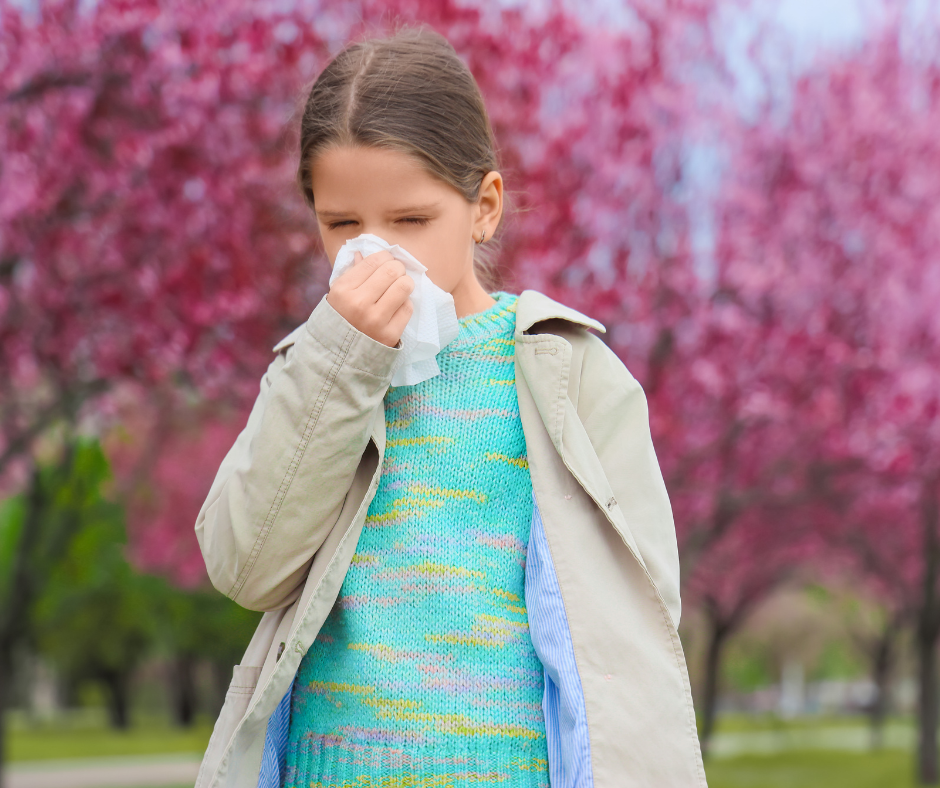
    Spring is a season of blooming flowers and warmer days, but for children with asthma and allergies, the pollen in the air can trigger uncomfortable and sometimes serious symptoms. With proper planning, your child can enjoy spring just like any other kids.

    Here are effective strategies for managing childhood asthma and allergies and keeping your child safe and out of the emergency room.

    Know the Warning Signs

    Watch for these symptoms in your child:

    • Allergies: Runny or stuffy nose, itchy or watery eyes, sneezing, skin rashes
    • Asthma: Coughing (especially at night), wheezing, shortness of breath, chest tightness, fatigue during play.

    If your child has both conditions, one can make the other worse. Allergic reactions can trigger asthma attacks, so it’s important to treat both.

    6 simple tips that parents can do to prevent and manage symptoms.

    • Check the pollen count daily. On high-pollen days, limit outdoor time, especially in the morning when the counts peak. Many weather apps include pollen forecasts.
    • Keep windows closed. Letting the fresh spring air in seems like a good idea, but this also lets pollen in. Use air conditioning instead and remember to change filters regularly.
    • Shower after outdoor play. Pollen clings to hair, skin, and clothing. A quick rinse after outdoor activities or a shower before bed helps prevent symptom flare-ups.
    • Take medications as prescribed. Do not wait for symptoms to start. Antihistamines and controller inhalers work best when used consistently. Talk to your child’s pediatrician about starting medication before peak season.
    • Have an asthma action plan. Work with your pediatrician to create a written plan that outlines what to do during mild, moderate, and severe symptoms, including when to use a rescue inhaler and when to go to the ER.
    • Schedule a spring check-up. Before allergy season hits, visit your child’s pediatrician to review medications, update prescriptions, and ensure your child’s treatment plan is up to date.

    When to Call Your Doctor

    Seek medical attention if your child’s symptoms are not improving with medication. If breathing seems labored or if an inhaler is being used more than twice a week, these may be signs that the current treatment plan needs adjusting.


    This article is for educational purposes only. Always consult your child’s healthcare provider for personalized medical advice.

  • The Importance of Summer Sleep for Kids

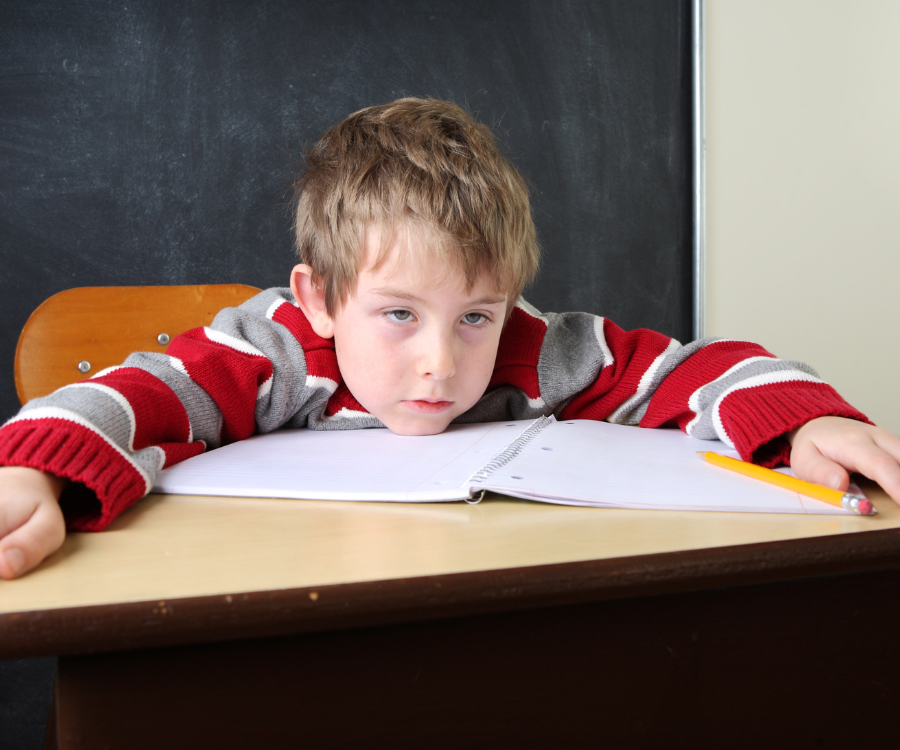
    Ah, summer! The days are longer, the sun shines brighter, and kids are buzzing with energy. But amidst all the fun, there’s one vital factor that often gets overlooked in the sunny chaos: sleep. While children may wish for endless playtime, sleep is their secret weapon for health and well-being.

    We talked to APRN Kimberly Litwiller, a nurse practitioner at White-Wilson Pediatrics Clinic in Niceville, about how sleep impacts children’s health during the summer months.

    Understanding Sleep’s Role in Development

    “Sleep is a vital component of children’s overall health and well-being. It helps their bodies grow, their brains work well, and their emotions stay balanced,” says APRN Litwiller.  “Longer daylight hours and changes in daily routines during summer can affect children’s sleep. This shift can be challenging and may impact their growth, learning, mood, and how they interact with others.”

    Understanding the significance of sleep during this time is essential for fostering healthy habits that ensure children thrive. “Sleep isn’t just a time for recharging—it’s a nightly upgrade for your child’s brain and body. It helps with everything from physical growth to emotional regulation.” Continues APRN Litwiller, “During deep sleep, your child’s body releases growth hormones that are vital for physical development. Without sufficient sleep, their bodies can’t build muscle, repair tissue, or grow properly.”

    Not all age groups are created equal when it comes to sleep. Infants, toddlers, and school-aged kids each have unique sleep needs. “While a newborn might snooze for a whopping 16 to 18 hours a day, school-aged kids typically require around 9 to 11 hours, and teenagers need about 8 to 10 hours. So, whether your child is practicing for a summer soccer tournament or binge-watching kids’ shows, understanding their sleep requirements is vital for their overall health,” explains APRN Litwiller.

    Let’s explore with APRN Kimberly Litwiller as she breaks down the impact of longer days on sleep patterns, and shares tips for maintaining healthy sleep routines for children during the summer months.

    Common Sleep Disorders in Children During Summer Months

    Natural Light and Circadian Rhythms

    Sunshine is great for playing, but it can also interfere with your child’s internal clock. Their circadian rhythms—those fancy biological processes that regulate sleep-wake patterns—are influenced by natural light. When those endless summer evenings roll around, the sun may still be shining brightly while your kids are supposed to be winding down. This can lead to late nights and cranky mornings.

    Common Sleep Disruptions During Summer

    Summer can often turn into a sleep sabotage operation. Late-night barbecues, firefly chasing, or an overly energized outdoor activity can disrupt even the most established bedtime routines. Not to mention the classic “Five more minutes, please!” plea you hear from your child.

    Sleep Deprivation on Physical Health

    Under-sleeping can lead to a whole host of physical issues, from weakened immune systems to increased risk of obesity. If your child is groggier like a bear emerging from hibernation, it’s not just their mood that suffers. Poor sleep can lead to a lack of energy for activities like sports or playing outside, which are crucial for their overall health.

    Tips for Maintaining Healthy Sleep Routines in Summer

    • Establishing Consistent Bedtimes

    With the sun blazing longer and the allure of evening adventures, maintaining a consistent bedtime can feel like herding cats. However, establishing a routine helps signal to your child’s body that it’s time to wind down. Aim for a consistent bedtime—it sets the stage for restorative sleep, which is essential for their health and mood. Make bedtime a fun ritual. Read a book, share stories, or play some soothing tunes while tucking them in, so they associate it with good feelings, rather than a sad end to summer fun.

    • Creating a Sleep-Friendly Environment

    When it comes to a great night’s sleep, the bedroom should be a sanctuary. Keep the lights dimmed and the noise level down. Consider blackout curtains to fight off the morning sun that tries to sneak in and disrupt dreamland. A cool and comfy room temperature will help your little one drift off to sleep. A sleep-friendly environment is your secret weapon in fighting the summer sleep struggles.

    • Encouraging Healthy Sleep Habits Year-Round

    While summer is the perfect time to instill healthy sleep habits, let’s not forget that this should carry over into the rest of the year. By making sleep a priority, establishing routines, and creating a sleep-friendly environment, we can help our children grow, laugh, and thrive—because a well-rested kid is ready to take on the world.

    • Limiting Screentime before bedtime

    Screens emit blue light, which disrupts the body’s natural sleep-wake cycle. This makes it harder to fall asleep and can delay sleep onset. The stimulation from screen content increases brain activity and arousal, making it difficult to relax and wind down. Additionally, frequent notifications and alerts can interrupt sleep and prevent deep, restorative rest.

    • Encouraging Teens to use Alarm clocks

    Using an alarm clock with teens promotes independence and accountability, encourages time management, builds confidence, and helps establish healthy social routines—preparing them for adulthood.

    By understanding the challenges that summer brings to sleep patterns and implementing effective strategies to maintain healthy routines, parents can help their children enjoy the benefits of restorative sleep. As we encourage our kids to embrace the joys of summer, let’s also remind them of the importance of a good night’s sleep for their physical, cognitive, and emotional well-being.


    APRN Kimberly Litwiller, FNP-C is a board-certified family nurse practitioner providing care for patients at White-Wilson Pediatrics in Niceville. Her specialty lies in pediatric care, including wellness care, preventive medicine, the diagnosis and treatment of acute and chronic illnesses, and physical exams. Learn more about APRN Litwiller and her approach to patient care here.

  • Childhood Obesity – A Parent’s Guide to Prevention and Health

    Childhood obesity has become a growing concern, but the good news is that it’s largely preventable. White-Wilson Pediatrics specialist, Samantha Beard, APRN, shares important insights to help parents protect their children’s health and establish lifelong healthy habits.

    The Hidden Dangers

    Childhood obesity poses serious health risks, such as heart disease, joint problems, and mental health concerns. “Type 2 diabetes in children is preventable and reversible,” explains APRN Beard, stressing that this condition, once rare in children, is now affecting kindergarteners. The encouraging news? With proper diet and physical activity, it’s “100% reversible.”

    Aside from diabetes, obesity can affect orthopedic health, impacting knees, feet, and ankles, while also negatively influencing a child’s mental health and self-image. Regular well-child exams, including lab work are essential for early detection of obesity-related health issues.

    Making Better Food Choices

    The shift from home-cooked meals to processed convenience foods has significantly contributed to rising obesity rates. When reading food labels, APRN Beard recommends focusing on protein content over calories: “Protein is especially important for healthy growth, feeling full, and providing true energy for children.”

    Her shopping strategy is simple: shop the perimeter of grocery stores where whole foods like fresh produce, meats, and dairy are located, avoiding processed foods in the center aisles. She warns against processed foods that contain corn syrup, vegetable oils, and artificial dyes.

    “Addressing childhood obesity requires a family-wide approach,” emphasizes APRN Beard. Children model their caregivers’ behaviors, making it essential for the entire family to adopt good eating habits together.

    The Beverage Battle

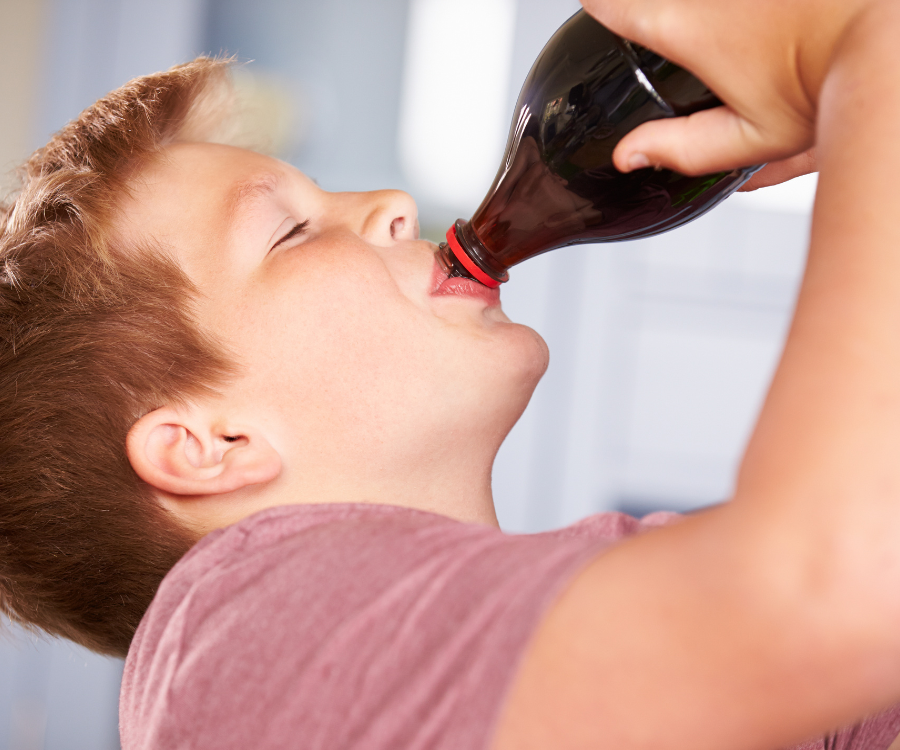
    Sugary drinks are major contributors to weight gain. “Water should be the default drink for children,” APRN Beard advises, adding that even drinks marketed as healthy can be high in sugar. This includes soda, juice (even 100% juice), Gatorade, and sweet tea. Parents should model proper healthy hydration habits for their children and educate them on the benefits of water.

    Family-Centered Solutions

    Physical activity doesn’t need to be complicated. “Walking is super underrated,” she says, encouraging families to put down electronic devices and spend active time together such as walking, swimming, or biking. The increased use of devices and screen time has led to more sedentary lifestyles, making family-based physical activity even more crucial.

    Practical Tips for Parents

    Smart Snacking Strategies:

    • Offer variety in nutritious snack options and involve children in choosing and preparing them.
    • Avoid total restriction of treats, which can be counterproductive.
    • Focus on education about healthy choices rather than strict prohibition.
    • Give children several healthy options to increase the likelihood of nutritious choices.

    Portion Control Made Easy:

    • Pair less healthy foods with protein-rich options like chicken, cottage cheese, or Greek yogurt.
    • Include salads to boost nutritional value and satiety.
    • Avoid meals with high fat and carbohydrates but low in protein.

    Creating Healthy Habits:

    • Remove unhealthy options from the home environment.
    • Involve children in healthy food purchases and meal preparation.
    • Encourage outdoor activities like walking, swimming, and biking.
    • Set specific times for family walks or physical activities.
    • Use safety equipment like helmets and pads for active play.

    Managing Modern Challenges:

    • Address stress and boredom eating by encouraging physical activity.
    • Recognize that children may eat as a coping mechanism.
    • Make healthy foods more appealing and accessible.
    • Consider supplements like daily multivitamins with vitamin D and probiotics for gut health.

    Moving Forward Together

    “Remember, genetics and metabolism play a role, but lifestyle choices remain the most significant factors in preventing childhood obesity.” According to APRN Samantha Beard, the long-term health and well-being of your child can be significantly improved by making changes to diet and physical activity. “The key is making these changes as a family, creating an environment where healthy choices become natural and enjoyable.”


    Samantha Beard, APRN, CPNP-PC, is a board-certified pediatric nurse practitioner providing care for patients at White-Wilson Pediatrics in DeFuniak Springs. Her specialty lies in pediatric care, including wellness care, preventive medicine, the diagnosis and treatment of acute and chronic illnesses, and physical exams. Learn more about APRN Beard and her approach to patient care here.
  • Swimming Safety Tips: Preventing Childhood Drowning

    For many parents, summers means more days spent splashing around at the beach or in the pool. While we can all agree that splashing around in the water is a great way to keep kids active and cool during the summer, it can also be very dangerous.

    Water safety is critical because drowning is the second greatest cause of death for children in the United States. According to the American Red Cross, for every child that drowns, another five receive emergency medical attention for nonfatal submersion injuries.

    Here are some guidelines for keeping your kids safe in the water.

    When your child is near water, always keep them within arm’s reach. We call this touch supervision. Never leave them unsupervised. When supervising children, a responsible adult should avoid distracting activities such as reading or talking on the phone because drowning happens quickly and quietly.

    In addition, children should wear water wings or armbands or “floaties” while swimming at home. In 2022, approximately 85% of those who drowned while boating did not wear a life jacket. Wearing U.S. Coast Guard-approved life jackets that are well-fitted to their size and fully fastened provides the best safety for children and adults in or near open or natural water, whether on a boat or in the water.

    A report by the American Red Cross, 87% of drowning deaths among children under the age of five occur in home pools or hot tubs, with pools accounting for most cases. If you have a pool in your backyard, it is recommended that you surround it with a four-sided fence with self-closing and self-latching gates. The fence and barrier should follow the residential pool safety guidelines. 

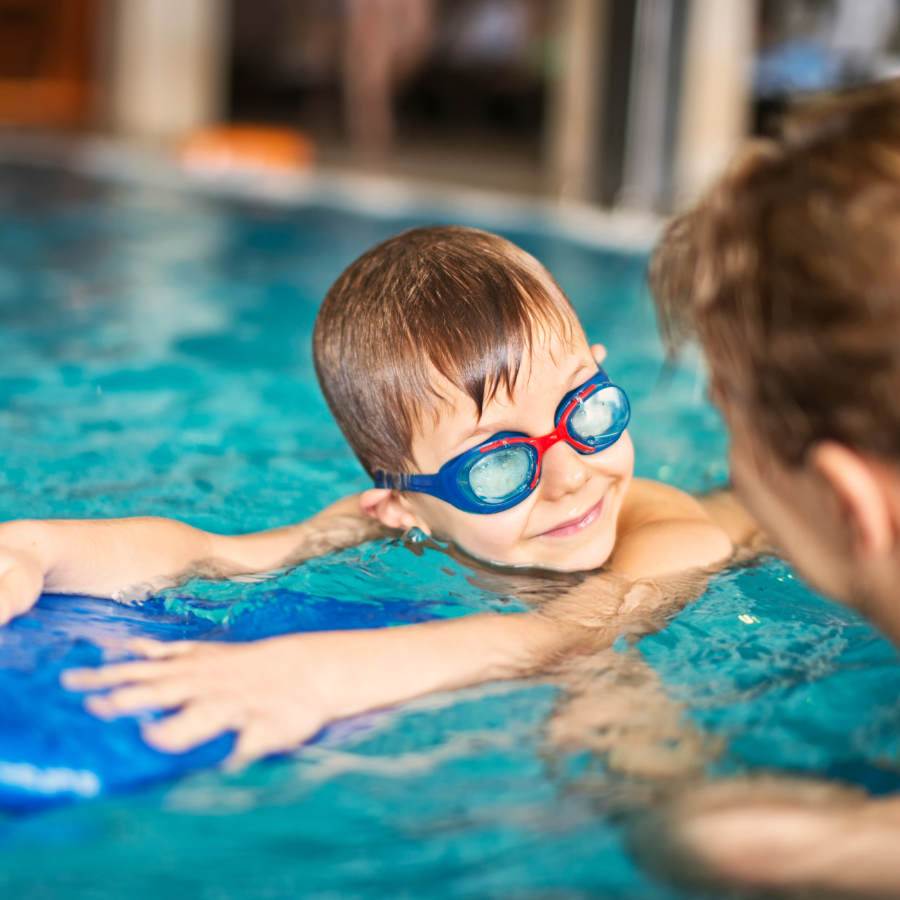
    Swimming classes are another way to ensure your child’s safety around water. The American Academy of Pediatrics suggests that children are ready for swimming lessons by the age of four, but they can begin as early as one year.

    Making swimming lessons more accessible has the potential to save lives. Nonetheless, even children who have taken swimming lessons need close and constant supervision when in or around water.

    If children are energetic, minimize roughhousing and running about the pool. This helps to prevent falls, tripping and unintentional falls in water. As a parent, you can also receive CPR training in case your child falls into a pool and hurts themselves. Knowing the proper CPR technique can be useful in the event of a swimming accident.

    If your child falls into the pool and swallows more water than they expected, get them out as soon as possible. If they stop breathing, become blue, or appear to be having difficulties breathing, call 9-1-1 immediately.

    It is typically normal if your child coughs for a few minutes and then recover. However, if they continue to cough for an extended period of time and the cough does not appear to go away after a few hours, contact your pediatrician to have their heart and lung function checked.

    Following these guidelines and talking about safety precautions to your children is all it takes to ensure a fun and safe time. Setting swimming safety habits will allow you and your family to begin making summer memories that will last a lifetime. 


    The content of this blog has been adapted and updated from our video library. If you wish to watch the video, click here.

  • Tips To Keep Kids Hydrated

    With summer bringing more physical activity, being outside, spending time with family and friends at the beach, and our children participating in physical activities such as sports camps and band camps, we want to make sure they are hydrated and understand the signs of dehydration, heat exhaustion, and heatstroke.    

    Why is hydration important?

    Proper hydration helps the body regulate its temperature, often known as thermoregulation. It also improves digestion and bowel function. Hydration helps with cognitive function, moods, and athletic performance.

    Certain groups of children are more prone to dehydration and heat exhaustion. Infants, for example, do not sweat in the same way that older children do. 

    Furthermore, overweight or obese children are more likely to experience health problems. Children who take specific medications, such as diuretics, laxatives, calcium channel blockers, thyroid antagonists, or benzodiazepines, are in greater risk of dehydration. In addition, children who are already ill or have symptoms of sunburn are more susceptible to get dehydrated, which can lead to heat exhaustion or heat stroke.

    Signs and symptoms of heat exhaustion:

    • Your child may complain of a headache, dizziness, or feeling faint.
    • If you notice pale skin, goosebumps, excessive sweating, nausea, or vomiting, your child is suffering from heat exhaustion.
    • Some children, especially younger ones, are more irritable and may complain of muscle cramps.

    If you notice these heat exhaustion signs in your child, here are some helpful home treatments to try.

    • Get your child to a cool, shady area, preferably indoors and air-conditioned.
    • Give your child plenty of fluids, especially those with salt, such as sports drinks.
    • To help cool your child’s body, place a cool towel on top of the head, between their arms, or between their legs. 
    • If your child is suffering from leg cramps, massage and gently stretch out the muscular cramps.

    What is heat stroke?

    Heat stroke is the most severe type of hydration, may cause your children to lose consciousness. Look for the following substantial warning signs and symptoms:

    • Your child may experience dizziness or severe headaches. Some children may get nausea, vomiting, or diarrhea.
    • You may notice that your child’s skin appears pale and clammy, and they may not sweat at all.
    • Your child’s breathing and heart rate begin to increase.
    • You may witness some seizure activity. If you find yourself in that situation, it is always considered a medical emergency. Move your child to a cool, shady area as soon as possible and seek medical attention.

    You will know your child is dehydrated when they have little to no urine in a 12-hour period, have a dry mouth, or have eyes that appear to have sunken into their head. If you see these symptoms, contact your pediatrician. A checkup ensures that your child only needs immediate hydration, instead of something more serious or urgent.

    Tips for keeping children hydrated.

    It might be challenging to encourage our children to stay hydrated on a daily basis. However, we must be diligent in ensuring that they remain hydrated when participating in outside activities. Here are a few tips for keeping them hydrated.

    • One of the things you can do for your younger children is make the experience enjoyable. To make it appealing than plain water, use tiny, cooled glasses with spiraling straws and add variations of fruits like berries, apples, cucumbers, lemons, and limes.
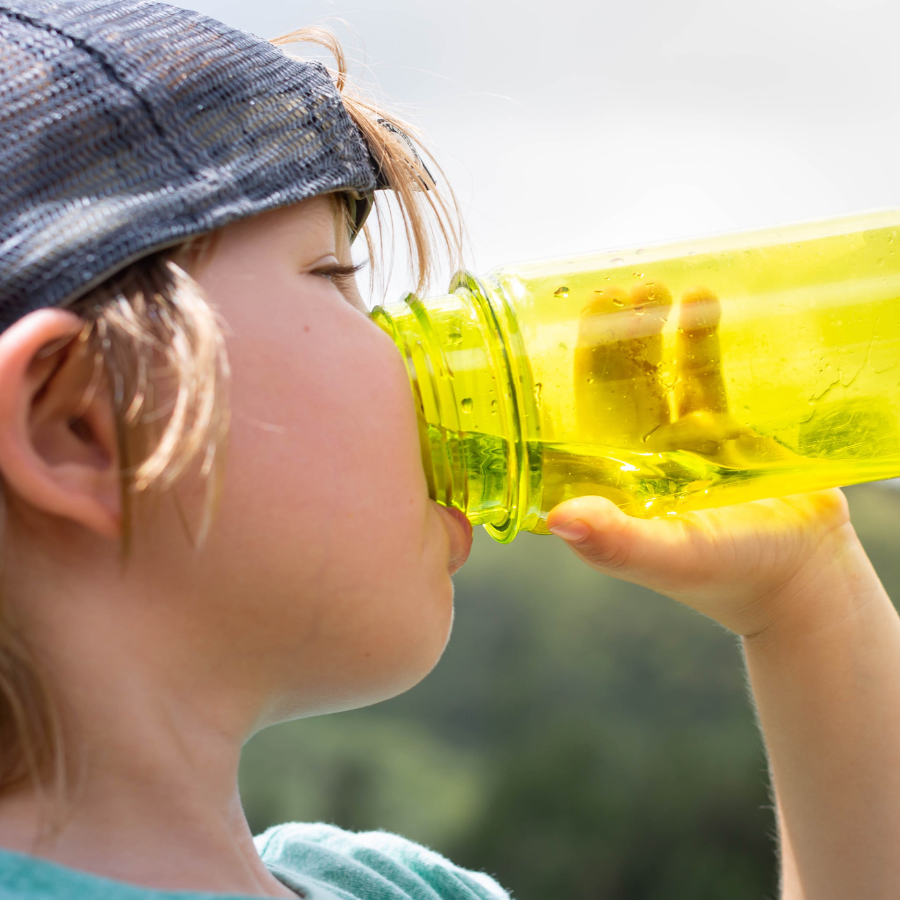
    • Encourage them by keeping a water cup on hand and take little sips more frequently with you.
    • Take breaks while they play outside. Remind them to come into the shade and drink to cool off for the day.
    • Another helpful tip is to encourage activity when the temperature is not at its peak, such as early in the morning or late in the evening.
    • To stay cool under the heat, have your child wear white or light-colored, moisture-wicking clothing.
    • If your child is participating in outdoor sports, ensure that he or she drink plenty of fluids and avoid strenuous physical activity the day before. Make sure your child stay hydrated throughout a sports game.

    How much water should your child drink each day?

    According to the American Academy of Pediatrics, babies require only 4-8 ounces per day until they are a year old, as most of their liquids come from breastmilk or formula.

    Here are some guidelines for a child’s daily water intake on a “normal” day:

    • Kids 1-3 years old: approximately 4 cups of fluids each day, including water and milk.
    • 4-8-year-olds: approximately five cups
    • Kids over 8 years old: 7-8 cups

    If they have a more active day, increase their water consumption.


    The content of this blog has been adapted and updated from our video library. If you wish to watch the video, click here.