Author: admin

  • Building Healthy Habits That Stick

    Many patients struggle to adhere to their treatment plan due to the new health habits they need to follow, even though they recognize the importance and necessity of these changes for managing their condition or preventing future health issues.

    If your treatment plan includes lifestyle changes, such as exercising more, taking your medication consistently, managing your diet, or improving your sleep, you may feel overwhelmed about how to effectively incorporate these habits into your daily routine.

    To assist you in managing these changes and improving your overall health and well-being, here are some helpful steps to consider.

    Start With One Small Change

    If your healthcare provider has given you several recommendations, choose just one to focus on first. Pick the change that feels most manageable, or that will have the biggest impact on how you feel day-to-day.

    For example, if you need to take medication, exercise, and change your diet, start with the medication routine. Once you are accustomed to taking your medication, add the next habit.


    Connect New Habits to Your Daily Routine

    The easiest way to remember a new healthy habit is to link it to something you already do every day. This keeps you consistent and sticks to other health routines. Think about where your new health behavior fits most naturally in your morning, afternoon, and evening routines, for instance:

    • Take your blood pressure medication when you start your coffee maker
    • Do your physical therapy exercises right after you shower
    • Check your blood glucose levels before each meal
    • Take your evening medication when you plug in your phone to charge

    Prepare Your Environment

    By setting up your environment, it will support making healthy routines easier, for instance:

    • Put medications in a visible spot where you’ll see them (not hidden in a cabinet)
    • Keep a water bottle at your desk if you need to drink more fluids
    • Lay out your walking shoes by the door
    • Pre-portion snacks if you’re managing diabetes or watching your diet
    • Set multiple phone reminders for time-sensitive medications

    Keep a Simple Record

    Keeping track of your schedule allows you to identify days when you don’t follow it. This helps you to recall if you took your prescription, spot patterns in your symptoms, share information with your doctor, and hold yourself accountable.


    Recording does not have to be complicated. Use whatever works best for you, such as a paper calendar, a note-taking tool, or a simple checkbox system.

    When You Miss a Day

    You will have days when you forget, feel too tired, or something disrupts your routine. This happens to everyone, even if you have been following good practices for years, don’t be hard on yourself, don’t be hard on yourself. Think how to avoid the stumbling block the next time and resume your regular routine as quickly as possible.

    If you find yourself consistently missing your health routine, speak with your doctor. There could be a simpler solution or additional support available.

    Questions to Ask Your Healthcare Team

    If you are having difficulty maintaining a new health behavior, discuss it with your doctor. Your physician wants you to be successful in following to your treatment plan, which may require altering the plan to meet your real situation.

    • What’s the most important change I should focus on first?
    • Can you help me figure out when to fit this into my day?
    • Is there a simpler version of this I could start with?
    • What support services do you have for patients working on this?

    Moving Forward

    New health habits require time to become routine in your daily life. Remember to be patient with yourself; little, consistent steps lead to significant improvements in your health over time. Your health is worth the effort, and you don’t have to do everything perfect.


    Need help implementing your treatment plan? Schedule an appointment with your primary care provider and discuss resources and ways to help you stay on track with your health journey.


  • Staying Healthy During Holiday Travel

    The holiday season brings joy, family gatherings, and unfortunately, an increased risk of getting sick. Whether you’re flying across the country or driving to visit relatives, winter travel presents unique health challenges. Understanding these risks and taking simple precautions can help ensure your celebrations aren’t derailed by illness.

    Why Holiday Travel Affects Your Health

    Winter travel creates a perfect storm for illness. Airports and rest stops expose you to crowds in enclosed spaces where viruses spread easily. Cold, dry air, especially in airplane cabins, dries out the protective mucous membranes in your nose and throat, making it easier for germs to take hold. In addition to disrupted sleep schedules and changes in diet, your immune system may struggle to keep up.

    The combination of holiday stress and travel fatigue can weaken your body’s defenses right when you need them most. Long hours sitting in cars or planes can also lead to dehydration, swollen legs, and general discomfort that makes you more vulnerable to illness.

    Essential Tips for Healthy Holiday Travel

    • Boost Your Immunity Before You Go

    Start preparing your body a week before travel. Get adequate sleep, aim for seven to nine hours nightly. Stay hydrated by drinking plenty of water and maintain a balanced diet rich in fruits and vegetables. Consider getting your flu shot and staying current on vaccinations if you haven’t already.

    • Master Hand Hygiene

    Your hands are the primary way germs enter your body. Wash them thoroughly and frequently with soap and water for at least 20 seconds, especially before eating and after touching public surfaces. Keep alcohol-based hand sanitizer with at least 60% alcohol in your carry-on or car. Avoid touching your face, particularly your eyes, nose, and mouth.

    • Stay Hydrated

    Airplane cabins have humidity levels around 10-20%, much lower than the comfortable 40-70% we’re used to. This extreme dryness can compromise your respiratory defenses. Drink water regularly throughout your journey, aim for about 8 ounces per hour when flying. Limit alcohol and caffeine, which can dehydrate you further.

    • Protect Your Airways

    Consider wearing a mask in crowded indoor spaces like airports, especially if you’re at higher risk for severe illness. Use a saline nasal spray to keep your nasal passages moist during flights. Some travelers find humidifying face masks helpful on long flights.

    • Move Your Body

    Whether flying or driving, prolonged sitting can cause circulation problems and increase your risk of blood clots. On flights, stand and walk every couple of hours. Do simple stretches or ankle circles while seated. During road trips, stop every two hours to walk around and stretch.

    • Pack a Travel Health Kit

    Bring essential medications in your carry-on, including any prescriptions, pain relievers, antacids, and remedies for common travel ailments. Include a thermometer, basic first aid supplies, and any medications you might need for allergies or stomach upset. Don’t forget your insurance card and a list of your medications.

    • Prioritize Sleep and Nutrition

    Try to maintain regular sleep schedules as much as possible. When crossing time zones, gradually adjust your sleep time a few days before departure. Pack healthy snacks like nuts, fruit, and granola bars to avoid relying solely on less nutritious travel food. Stay mindful of portion sizes during holiday meals.

    • Know When to Stay Home

    If you’re feeling ill before your trip, consider postponing travel if possible. Traveling while sick not only risks your health but also exposes others. Many airlines offer flexible rebooking policies, especially during flu season.

    Arriving Healthy

    Holiday travel doesn’t have to mean arriving at your destination exhausted and sick. By taking these preventive steps, you can protect your health and fully enjoy your time with loved ones. Remember, the best gift you can give yourself and your family this season is staying well enough to create lasting memories together.

    Safe travels and happy holidays!


  • 12 Essential Health Screenings

    When was the last time you scheduled a checkup? If you’re similar to most individuals, your busy schedule often pushes preventive care to the back of your priority list. Between work deadlines, family obligations, and daily responsibilities, it’s easy to put off that appointment. But here’s the truth: catching health issues early can make all the difference between a simple intervention and a serious health crisis.

    APRN Margaret Avery, an Internal Medicine specialist at White-Wilson Internal Medicine in Fort Walton Beach, gives us a rundown of the essential health screenings.

    The Foundation: Annual Basics

    ·  Routine Physical Exams are yearly visits that give your primary care provider a complete picture of your health. “During your physical, we review your medical history, discuss any concerns, perform a comprehensive examination, and catch potential problems before they become serious” explained APRN Avery.

    ·  Blood Pressure checks are quick, painless, and absolutely important. High blood pressure often has no symptoms, yet it significantly increases your risk of heart disease, stroke, and kidney problems. Early detection and management of high blood pressure, through lifestyle changes or medication, can often prevent serious complications down the road.

    · Blood Sugar Testing helps identify prediabetes and diabetes early, when lifestyle changes can have the biggest impact on your health. A simple blood test has never been more important. APRN Avery advises that early detection means you can take action before diabetes damages your eyes, kidneys, nerves, and blood vessels.

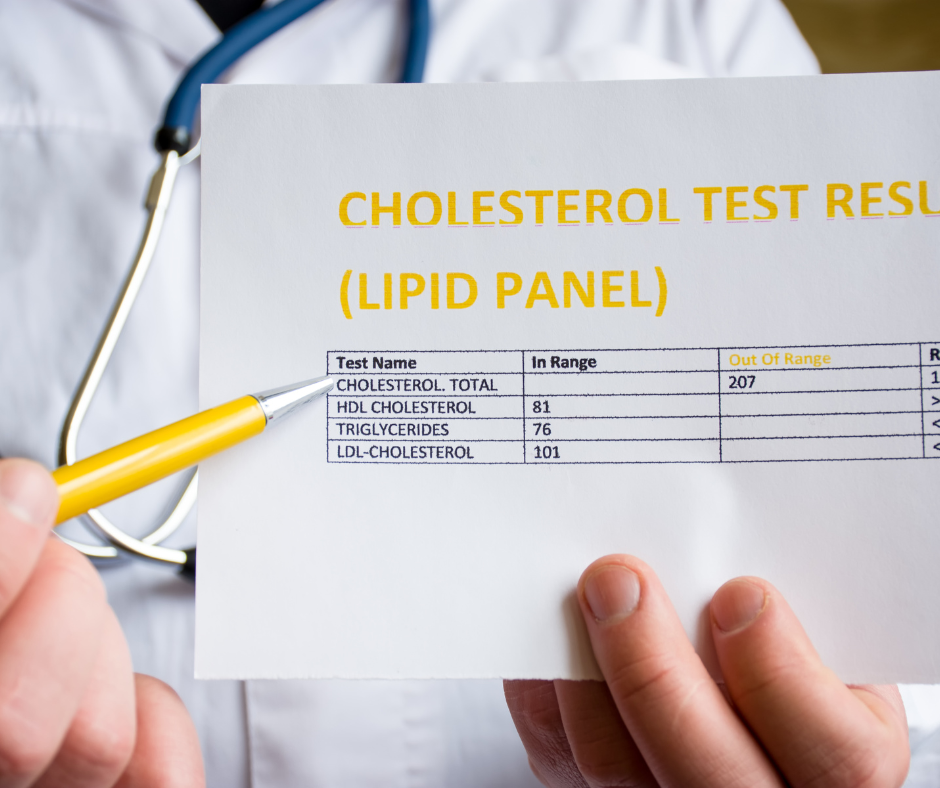
    ·  Cholesterol Screening reveals your heart disease risk through a simple blood draw. Even if you feel perfectly fine, high cholesterol silently damages your arteries over time, setting the stage for heart attacks and strokes. Knowing your numbers empowers you to make informed decisions about diet, exercise, and treatment options.

    Cancer Screenings Save Lives

    When it comes to cancer, early detection is powerful medicine. When detected in their earliest stages, many cancers are highly treatable. APRN Margaret Avery explained age-specific and gender screenings.

    ·  Cervical Cancer Screening through Pap smears has dramatically reduced cervical cancer deaths over the past several decades. Most women should start screening at age 21 and continue at regular intervals. Combined with HPV testing, this screening has become one of medicine’s greatest success stories in cancer prevention.

    ·  Colorectal Cancer Screening should begin at age 45 for most people, though you may need to start earlier if you have a family history. Options include colonoscopy, stool-based tests, and other methods. While colonoscopy prep isn’t anyone’s favorite activity, this screening literally saves lives by detecting and removing precancerous polyps before they become dangerous.

    ·  Mammograms are recommended annually or biennially for women starting at age 40-50, depending on your individual risk factors and family history. Breast cancer is highly treatable when caught early, and mammography remains our best tool for early detection.

    ·  Skin Checks help catch melanoma and other skin cancers early, when they’re most treatable. During your appointment, your provider can examine any changes or suspicious moles. Between visits, perform self-checks monthly and watch for the ABCDEs: asymmetry, border irregularities, color changes, a diameter larger than a pencil eraser, and evolution or change over time.

    ·  Prostate Exams are important for men, typically starting at age 50 or earlier if you have risk factors like family history. The conversation about prostate screening has evolved. Speak to your primary care provider to learn about the benefits and limitations, which will help you make an informed decision about what’s right for you.

    Don’t forget these frequently overlooked tests.

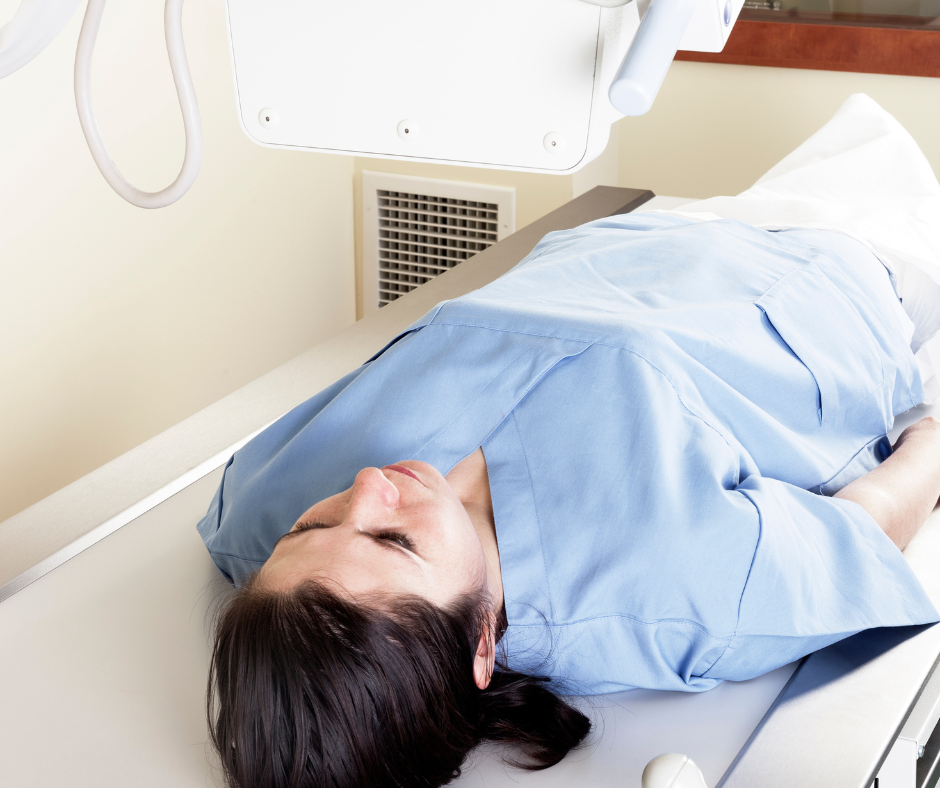
    ·  Bone Density Scans screen for osteoporosis, a condition that weakens bones and increases fracture risk. This is especially important for women over 65, but men can develop osteoporosis too. Risk factors include family history, small body frame, smoking, excessive alcohol use, and certain medications. “The earlier we identify bone loss, the more we can do to prevent devastating fractures,” says APRN Avery.

    ·  Height and Weight measurements help track changes that might signal health concerns, from unexplained weight loss that could indicate an underlying condition to gradual weight gain that increases your risk for diabetes, heart disease, and joint problems. Height measurements are particularly important as we age, since significant height loss can indicate vertebral fractures or osteoporosis.

    ·  Dental Checkups twice yearly keep your teeth healthy and can reveal signs of other health problems you might not expect. Your dentist might be the first to spot signs of diabetes, vitamin deficiencies, acid reflux, or even heart disease. There is growing evidence that that gum disease is linked to heart problems, making those cleanings more important than ever.

    Making It Happen

    The best screening schedule is one tailored to you based on your age, family history, lifestyle, and risk factors. Some tests you will need annually, others every few years, and some only once or twice in your lifetime.

    “Don’t wait for symptoms to appear. Many serious conditions develop silently, which is exactly why preventive screenings are so valuable. Health screenings give us the power to intervene early, when treatment is most effective and outcomes are best,” advises APRN Avery.

    Ready to get on track? Call your White-Wilson primary care provider today to schedule your next appointment. Your provider will review which screenings are right for you and create a personalized prevention plan. Your future self will thank you.


    APRN Margaret Avery is an advanced registered nurse practitioner at White-Wilson Internal Medicine Clinic in Fort Walton Beach. Learn more about APRN Margaret Avery and her approach to patient care here.

  • Living Well with Chronic Conditions: Empowering Patients through Personalized Care Plans

    Living with chronic conditions can be a major challenge, impacting not just physical health but also mental well-being and overall quality of life. According to the Centers for Disease Control and Prevention (CDC), about 60% of adults have at least one chronic condition, and 40% have two or more. The need for effective and personalized care has never been more important.

    We speak with Dr. Jennifer Whitfield, a Family Medicine physician from White-Wilson Medical Center Clinic in Niceville, about the significance of personalized care in managing chronic diseases, the role of patient empowerment, and the essential components of effective care plans.

    WWMC: What is a personalized care plan?

    Dr. Whitfield: A personalized care plan is a customized approach to managing chronic conditions, crafted to address an individual’s specific health needs, preferences, and goals. It involves thorough assessments, patient input, and ongoing adjustments to ensure the most effective management of the condition.

    WWMC: What is the role of patient empowerment?

    Dr. Whitfield: Knowledge is power. Patient empowerment is about providing you with the tools and information needed to take control of your health confidently. This includes making informed decisions, asking questions, and expressing your preferences.

    WWMC: How can patient empowerment improve health outcomes?

    Dr. Whitfield: When patients feel empowered, they are much more likely to follow through with their treatment plans. An empowered patient is more engaged, motivated, and likely to follow prescribed changes, communicate effectively with healthcare providers, and adopt healthier lifestyle choices.

    WWMC: How often should personalized care plans be reviewed?

    Dr. Whitfield: Personalized care plans should be reviewed regularly, generally every few months or whenever there’s a significant change in the patient’s health status. This ensures that the care plan stays relevant and effective, allowing for timely adjustments based on the patient’s progress and evolving needs.

    WWMC: What role do family and caregivers play in personalized care plans?

    Dr. Whitfield: Family members and caregivers are vital in personalized care plans. They offer support, encouragement, and help with the daily management of the condition. For older patients, family and caregivers can improve communication with healthcare providers and contribute to a more comprehensive approach to the patient’s care.

    WWMC: What are the benefits of using technology to manage your health?

    Dr. Whitfield: Technology enables you to monitor your health conveniently from home. Wearable devices, health apps, and telemedicine services can offer real-time insights and keep your primary care provider informed. But don’t get too caught up in the data—remember, it’s about using technology to enhance your experience in managing your health.

    WWMC: Do you have any final words for patients living with chronic conditions?

    Dr. Whitfield: Living with chronic conditions doesn’t have to be a lonely journey. Personalized care plans and patient empowerment help you and your family navigate health challenges with confidence and bring peace of mind. By understanding your health needs, setting realistic goals, and maintaining open communication with your provider, you can create a supportive environment that promotes better health outcomes.


    Dr. Jennifer Whitfield is a Family Medicine physician from White-Wilson Medical Center in Niceville. Dr. Whitfield provides comprehensive primary care for patients of all ages and specializes in preventive care, acute care, the diagnosis and treatment of chronic conditions, and women’s health. Learn more about Dr. Whitfield and her approach to patient care here.

  • Breast Cancer Awareness Month: Early Detection Saves Lives

    October is Breast Cancer Awareness Month, and it’s the perfect time to focus on one of the most important things you can do for your health: early detection. While a breast cancer diagnosis can feel overwhelming, catching it early dramatically improves treatment outcomes. The good news? There are simple steps you can take today to protect yourself.

    Know Your Body

    Your breasts change throughout your life, and that’s completely normal. However, knowing what’s normal for you makes it easier to spot when something’s different. Get familiar with how your breasts usually look and feel. If you notice any changes—like a new lump, skin dimpling, nipple discharge, or unusual pain—don’t wait. Contact your doctor right away.

    Simple Screening Guidelines

    Mammograms save lives by detecting cancer before you can feel it. Here’s what most women should know:

    • Ages 40-44: Talk with your doctor about when to start mammograms based on your personal risk factors.
    • Ages 45-54: Annual mammograms are recommended.
    • Ages 55 and older: Mammograms every two years or continue yearly if you prefer.

    If you have a family history of breast cancer or other risk factors, your doctor may recommend starting screenings earlier or more frequently.

    What you Healthy Habits That Help

    While you can’t control every risk factor, certain lifestyle choices can lower your risk:

    • Stay active: Aim for at least 150 minutes of moderate exercise weekly—even brisk walking counts!
    • Maintain a healthy weight: Extra body weight, especially after menopause, increases risk.
    • Limit alcohol: Keep it to one drink per day or less.
    • Don’t smoke: Smoking is linked to many cancers, including breast cancer.
    • Breastfeed if possible: Women who breastfeed may have a slightly lower risk.

    You’re Not Alone

    If you’re diagnosed with breast cancer, remember that you’re joining a community of millions of survivors. Treatment options have never been better, and support is available every step of the way. From support groups to counseling services, you don’t have to face this journey alone.

    Take Action This Month

    Taking care of yourself isn’t selfish—it’s essential. Your loved ones need you healthy and strong. This October, make your health a priority:

    1. Schedule your mammogram if you’re due for one
    2. Do a self-check and note any changes
    3. Talk to your family about their health history
    4. Share this information with the women in your life

    Early detection is your best defense. One simple screening could save your life. Don’t put it off—schedule your mammogram or discuss any concerns with your healthcare provider.


    Sources: American Cancer Society, National Cancer Institute, Centers for Disease Control and Prevention

  • World Mental Health Day: Your Mind Matters

    October 10th is World Mental Health Day, a global reminder that mental health is just as important as physical health. Yet too often, we ignore the warning signs or feel embarrassed to ask for help. Let’s change that conversation. Taking care of your mental health isn’t a luxury—it’s a necessity.

    Recognizing the Signs

    Mental health challenges don’t always appear as you’d expect. Sometimes they manifest through physical symptoms or subtle behavioral shifts. Watch for signs such as:

    • Persistent sadness, anxiety, or feeling empty
    • Loss of interest in activities you used to enjoy
    • Changes in sleep patterns or appetite
    • Difficulty concentrating or making decisions
    • Withdrawing from friends and family
    • Unexplained aches and pains
    • Feeling overwhelmed or hopeless

    If these feelings persist for over two weeks or disrupt daily activities, consider seeking support.

    Simple Daily Habits for Better Mental Health

    • Move your body: Exercise releases natural mood-boosting chemicals. Even a 10-minute walk can help reduce stress and anxiety.
    • Prioritize sleep: Aim for 7-9 hours nightly. Good sleep improves mood, focus, and emotional resilience.
    • Connect with others: Loneliness can significantly impact mental health. Call a friend, join a group, or simply chat with a neighbor.
    • Practice mindfulness: Take five minutes daily to breathe deeply and focus on the present moment.
    • Limit screen time: Too much social media can worsen anxiety and depression. Set boundaries around your phone use.
    • Eat well: A balanced diet supports brain health. Don’t skip meals and stay hydrated.

    Breaking the Stigma

    Here’s the truth: nearly 1 in 5 adults experiences mental illness each year. You’re not weak for struggling, and you’re not alone. Asking for help takes courage, not weakness. Whether it’s talking to your doctor, calling a therapist, or confiding in someone you trust, reaching out is a sign of strength.

    Breaking the Stigma

    Early intervention leads to better outcomes. Mental health treatment works, and you deserve to feel better. Consider talking to a mental health professional if:

    • Your symptoms interfere with work, relationships, or daily activities
    • You’re using alcohol or drugs to cope
    • You have thoughts of self-harm or suicide
    • You feel stuck despite trying self-help strategies

    Take the First Step

    Your mental health matters. Taking that first step toward feeling better is one of the bravest things you can do. This World Mental Health Day, prioritize yourself:

    1. Check in with your own mental health honestly
    2. Schedule an appointment if you’ve been putting it off
    3. Learn the warning signs and share them with loved ones
    4. Practice one new healthy habit this week

    If you’re in crisis: Call or text 988 for the Suicide and Crisis Lifeline, available 24/7. Help is always available.


    Sources: National Institute of Mental Health, World Health Organization, Substance Abuse and Mental Health Services Administration

  • Why Does My Doctor Order Blood Tests?

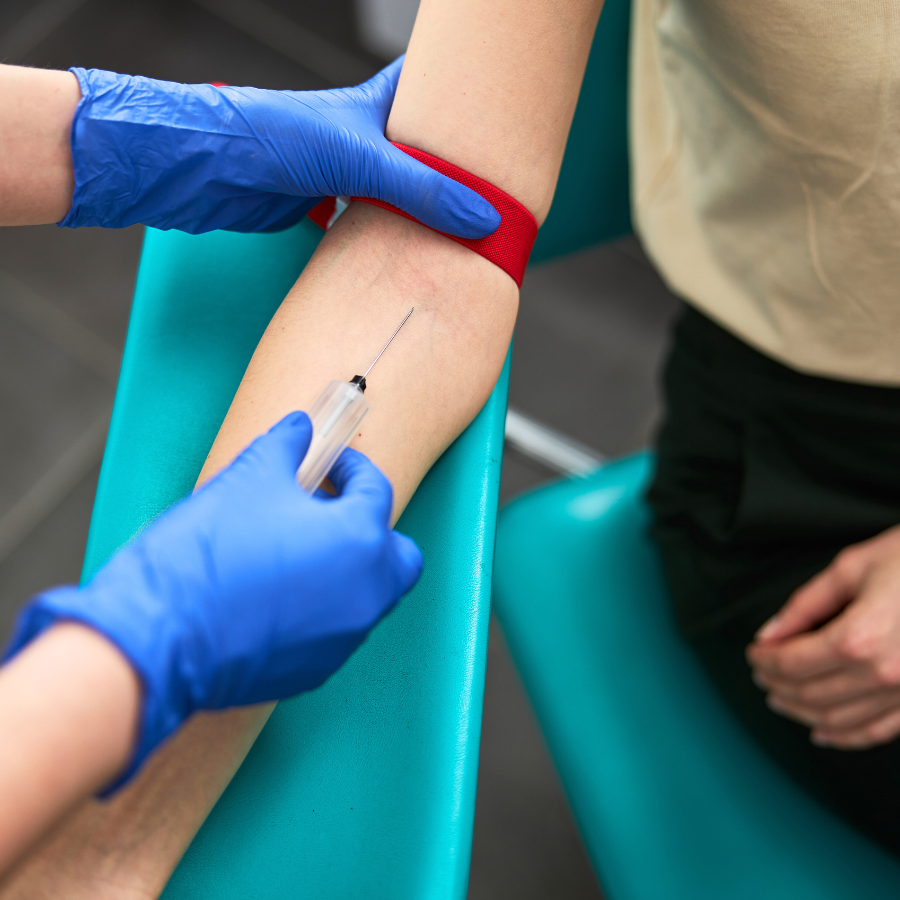
    The three words “let’s do bloodwork” will either make you nervous or make you question what your doctor is looking for. One of the most effective diagnostic methods in medicine is blood testing, that provides your doctor with a comprehensive picture of your internal health.

    Your blood carries vital information about nearly every organ system. Blood tests can help your doctor diagnose a variety of health conditions, including infections, anemia, high cholesterol, vitamin deficiencies, organ failure, HIV, cancer, and diabetes.  Think of them as your body’s personal progress report, helping you and your healthcare team stay one step ahead.

    Common Reasons for Blood Work

    • Maintaining Health – Regular health screenings such as annual physicals often include a complete blood count (CBC) and a comprehensive metabolic panel. These assessments are essential for establishing baseline health markers and identifying potential issues at an early stage.
    • Detection – During a physical checkup, doctors often request blood tests to screen for various conditions, including heart disease, thyroid disease, cancer, diabetes, and sexually transmitted infections. If you are experiencing an unexpected level of fatigue? Your doctor may test for anemia or thyroid problems.
    • Prevention and Monitoring – Many medications require regular blood monitoring to ensure they’re working effectively and not causing harmful side effects. They can also monitor the effectiveness of treatments. Medications for diabetes, blood thinners, and cholesterol frequently fall under this testing.
    • Chronic Disease Management: Conditions like diabetes, kidney disease, and heart conditions require ongoing blood monitoring to track disease progression and treatment effectiveness.

    What you need to know before your blood test.

    Most regular blood tests require an 8-12 hour fast, which means no food or beverages other than water. Your provider will guide you on how to prepare for your blood tests. It is essential that you follow your doctor’s specific instructions because certain procedures have different requirements.

    Understanding Your Results

    While your doctor goes over the results with you, don’t be concerned if anything appears “abnormal”. Many factors, including recent illness, medicines, and even the time of day, can influence results. Your doctor considers your overall medical history, not just specific statistics. Don’t be hesitant to ask your doctor questions to ensure you understand what your blood test results mean and what you should do next.

    The Bottom Line

    Blood tests are not to be feared; they are your doctor’s method of being thorough and proactive about your health. These tests can detect problems before you notice symptoms, monitor existing illnesses, and check that treatments are working effectively.

    Remember, regular blood tests are an investment in your long-term health. When your doctor recommends it, the result will give you valuable insights into your body’s inner workings.


    Always consult with your healthcare provider about your specific medical needs and test results. This information is for educational purposes only.

  • Take Control of Your Blood Pressure as You Age

    High blood pressure might seem like just another number at your doctor’s visit, but it’s one of the most important indicators of your health—especially as you get older.

    As we age, our arteries naturally become stiffer, making the heart work harder to pump blood through them. This increased pressure against your artery walls is what we call high blood pressure or hypertension.

    High blood pressure is often called the “silent killer” because it rarely causes obvious symptoms. You might feel fine while your blood pressure quietly increases your risk of heart disease, stroke, kidney problems, and even memory issues. Some older adults do notice shortness of breath during light activities, dizziness when standing up quickly, or more frequent falls.

    Understanding Your Numbers

    In blood pressure reading, the top number is called systolic blood pressure, and the bottom number is called diastolic blood pressure. Blood pressure readings are classified based on those two numbers:

    Take Action Today

    Here are proven ways to help you keep your blood pressure low:

    • Move Your Body: Aim for 150-300 minutes of activity weekly—even brisk walking counts!
    • Eat Smart: Fill your plate with colorful vegetables, fruits, whole grains, and lean proteins. Cut back on salt, which becomes more problematic as we age.
    • Sleep Well: Poor sleep and sleep apnea can raise blood pressure. Prioritize 7-9 hours nightly.
    • Manage Stress: Find healthy ways to cope with life’s challenges—meditation, hobbies, or talking with friends.
    • Limit Alcohol: If possible, avoid alcohol consumption entirely.
    • Don’t Smoke: Smoking increases your risk.

    Your Healthcare Partnership

    The good news is that you can control your blood pressure. Besides lifestyle changes, it’s also recommended to visit your doctor regularly to have your blood pressure checked. Your doctor might prescribe medication to help lower your blood pressure to a safe level. Medication doesn’t mean you have failed; it means you’re taking smart steps to protect your health. 

    Remember: controlling blood pressure is a marathon, not a sprint. Small, consistent changes add up to big health benefits.


    Always consult with your healthcare provider about your specific medical needs and test results. This information is for educational purposes only.

  • Beat the Bloat: Understanding Gas and Bloating

    We have all had that uncomfortable sense of fullness and trapped gas. While embarrassing, gas and bloating are completely normal digestive responses that can usually be managed with easy lifestyle modifications.

    Bloating can make people feel big or tight in their abdomens, comparable to how you feel after eating a huge Thanksgiving meal. Gas and bloating can be caused by a variety of circumstances, according to APRN Nikkole Town of White-Wilson Gastroenterology Clinic. “The incomplete digestion of proteins, carbohydrates, or fats, as well as an imbalance between good and bad bacteria in the gut, can cause occasional gas and bloating.”

    What’s Causing the Discomfort?

    Common culprits include:

    • Gas-producing foods like beans, broccoli, cabbage, and carbonated drinks create extra air in your digestive system, while dairy products can trigger symptoms in lactose-intolerant individuals.
    • Artificial sweeteners in sugar-free gums and candies are notorious bloating triggers.
    • Eating too quickly causes you to swallow excess air.
    • Stress and irregular eating patterns can also disrupt normal digestion, leading to uncomfortable symptoms.

    Simple Solutions That Work

    • Dietary changes make the biggest difference. Eat slowly and chew thoroughly to reduce swallowed air. Identify your trigger foods by keeping a food diary, and consider reducing beans, cruciferous vegetables, and carbonated beverages if they consistently cause problems.
    • Lifestyle modifications include taking short walks after meals to aid digestion, managing stress through relaxation techniques, and staying hydrated throughout the day.
    • Natural remedies, such as peppermint tea, ginger, and probiotics, can provide gentle relief for many people.

    Understanding Persistent Digestive Issues

    Bloating and gas can occasionally be signs of underlying digestive issues. The American Gastroenterological Association (AGA) reports that Irritable Bowel Syndrome (IBS) impacts 10-15% of individuals worldwide, presenting with persistent abdominal pain, bloating, and changes in bowel movements. Small Intestinal Bacterial Overgrowth (SIBO) is characterized by an abnormal increase in bacterial populations within the small intestine, resulting in persistent gas and bloating after meals.

    Food intolerances, such as gluten sensitivity or FODMAP intolerance, can cause ongoing digestive issues. FODMAPs are specific types of carbohydrates that are poorly absorbed in the small intestine. When these carbohydrates reach the large intestine, gut bacteria ferment them, leading to symptoms like gas, bloating, abdominal discomfort, and changes in bowel habits. The National Institute of Diabetes and Digestive and Kidney Diseases (NIDDK) describes gastroparesis as a condition where the stomach empties slowly, causing prolonged fullness and bloating after meals.

    Managing Chronic Abdominal Discomfort

    A systematic approach to managing persistent symptoms by eliminating diet to identify specific trigger foods, focusing on common culprits like gluten, dairy, or high-FODMAP foods. Consider working with a registered dietitian who can guide you through this process safely.

    Stress management becomes crucial for chronic digestive issues because of the strong gut-brain connection that affects symptoms. Regular exercise, sufficient sleep, and stress-reduction techniques like meditation can provide significant relief.

    Targeted supplements can help, such as digestive enzymes to improve food breakdown, while specific probiotics may restore a healthy gut bacteria balance. Always consult your healthcare provider before starting new supplements.

    When to See Your Doctor

    “Seek medical attention immediately if you experience severe abdominal pain, unexplained weight loss, changes in bowel habits, or persistent symptoms lasting longer than two weeks,” advised APRN Town, a gastrointestinal specialist. “Severe cramping, fever, vomiting, or blood in the stool are red flag symptoms,” added APRN Town.

    “Early diagnosis leads to more effective treatment and better quality of life. Your doctor may recommend tests like a colonoscopy for inflammatory conditions, or blood work to rule out celiac disease,” explained APRN Town.

    Take Control of Your Digestive Health

    While occasional gas and bloating are normal, you don’t have to suffer through persistent discomfort. Start with simple dietary and lifestyle changes, keep track of your symptoms, and don’t hesitate to seek professional help when needed. Your digestive health significantly impacts your overall well-being, and effective solutions are available.


    APRN Nikkole Town is a board-certified advanced registered nurse practitioner providing care for patients at White-Wilson Gastroenterology Clinic in Fort Walton Beach. Her approach to patient care focuses on health promotion and disease prevention. Learn more about APRN Town and her approach to patient care here.

  • The Importance of Summer Sleep for Kids

    Ah, summer! The days are longer, the sun shines brighter, and kids are buzzing with energy. But amidst all the fun, there’s one vital factor that often gets overlooked in the sunny chaos: sleep. While children may wish for endless playtime, sleep is their secret weapon for health and well-being.

    We talked to APRN Kimberly Litwiller, a nurse practitioner at White-Wilson Pediatrics Clinic in Niceville, about how sleep impacts children’s health during the summer months.

    Understanding Sleep’s Role in Development

    “Sleep is a vital component of children’s overall health and well-being. It helps their bodies grow, their brains work well, and their emotions stay balanced,” says APRN Litwiller.  “Longer daylight hours and changes in daily routines during summer can affect children’s sleep. This shift can be challenging and may impact their growth, learning, mood, and how they interact with others.”

    Understanding the significance of sleep during this time is essential for fostering healthy habits that ensure children thrive. “Sleep isn’t just a time for recharging—it’s a nightly upgrade for your child’s brain and body. It helps with everything from physical growth to emotional regulation.” Continues APRN Litwiller, “During deep sleep, your child’s body releases growth hormones that are vital for physical development. Without sufficient sleep, their bodies can’t build muscle, repair tissue, or grow properly.”

    Not all age groups are created equal when it comes to sleep. Infants, toddlers, and school-aged kids each have unique sleep needs. “While a newborn might snooze for a whopping 16 to 18 hours a day, school-aged kids typically require around 9 to 11 hours, and teenagers need about 8 to 10 hours. So, whether your child is practicing for a summer soccer tournament or binge-watching kids’ shows, understanding their sleep requirements is vital for their overall health,” explains APRN Litwiller.

    Let’s explore with APRN Kimberly Litwiller as she breaks down the impact of longer days on sleep patterns, and shares tips for maintaining healthy sleep routines for children during the summer months.

    Common Sleep Disorders in Children During Summer Months

    Natural Light and Circadian Rhythms

    Sunshine is great for playing, but it can also interfere with your child’s internal clock. Their circadian rhythms—those fancy biological processes that regulate sleep-wake patterns—are influenced by natural light. When those endless summer evenings roll around, the sun may still be shining brightly while your kids are supposed to be winding down. This can lead to late nights and cranky mornings.

    Common Sleep Disruptions During Summer

    Summer can often turn into a sleep sabotage operation. Late-night barbecues, firefly chasing, or an overly energized outdoor activity can disrupt even the most established bedtime routines. Not to mention the classic “Five more minutes, please!” plea you hear from your child.

    Sleep Deprivation on Physical Health

    Under-sleeping can lead to a whole host of physical issues, from weakened immune systems to increased risk of obesity. If your child is groggier like a bear emerging from hibernation, it’s not just their mood that suffers. Poor sleep can lead to a lack of energy for activities like sports or playing outside, which are crucial for their overall health.

    Tips for Maintaining Healthy Sleep Routines in Summer

    • Establishing Consistent Bedtimes

    With the sun blazing longer and the allure of evening adventures, maintaining a consistent bedtime can feel like herding cats. However, establishing a routine helps signal to your child’s body that it’s time to wind down. Aim for a consistent bedtime—it sets the stage for restorative sleep, which is essential for their health and mood. Make bedtime a fun ritual. Read a book, share stories, or play some soothing tunes while tucking them in, so they associate it with good feelings, rather than a sad end to summer fun.

    • Creating a Sleep-Friendly Environment

    When it comes to a great night’s sleep, the bedroom should be a sanctuary. Keep the lights dimmed and the noise level down. Consider blackout curtains to fight off the morning sun that tries to sneak in and disrupt dreamland. A cool and comfy room temperature will help your little one drift off to sleep. A sleep-friendly environment is your secret weapon in fighting the summer sleep struggles.

    • Encouraging Healthy Sleep Habits Year-Round

    While summer is the perfect time to instill healthy sleep habits, let’s not forget that this should carry over into the rest of the year. By making sleep a priority, establishing routines, and creating a sleep-friendly environment, we can help our children grow, laugh, and thrive—because a well-rested kid is ready to take on the world.

    • Limiting Screentime before bedtime

    Screens emit blue light, which disrupts the body’s natural sleep-wake cycle. This makes it harder to fall asleep and can delay sleep onset. The stimulation from screen content increases brain activity and arousal, making it difficult to relax and wind down. Additionally, frequent notifications and alerts can interrupt sleep and prevent deep, restorative rest.

    • Encouraging Teens to use Alarm clocks

    Using an alarm clock with teens promotes independence and accountability, encourages time management, builds confidence, and helps establish healthy social routines—preparing them for adulthood.

    By understanding the challenges that summer brings to sleep patterns and implementing effective strategies to maintain healthy routines, parents can help their children enjoy the benefits of restorative sleep. As we encourage our kids to embrace the joys of summer, let’s also remind them of the importance of a good night’s sleep for their physical, cognitive, and emotional well-being.


    APRN Kimberly Litwiller, FNP-C is a board-certified family nurse practitioner providing care for patients at White-Wilson Pediatrics in Niceville. Her specialty lies in pediatric care, including wellness care, preventive medicine, the diagnosis and treatment of acute and chronic illnesses, and physical exams. Learn more about APRN Litwiller and her approach to patient care here.