Category: Health

  • Living with Prediabetes: Small Changes, Big Difference

    Hearing the word “prediabetes” can feel scary, but here’s the good news: prediabetes is not diabetes, and for many people, it’s reversible. With some lifestyle adjustments, you can lower your blood sugar levels and significantly reduce your risk of developing type 2 diabetes.

    What Does Prediabetes Mean

    Prediabetes means your blood sugar levels are higher than normal, but not yet high enough to be diagnosed as type 2 diabetes.

    Prediabetes is very common. Researchers estimate that 84 million adults in the United States have it. It affects more than 1 in 3 adults under age 65 and half of the people over 65.  Think of it as an early warning sign and a chance to take action before things progress.

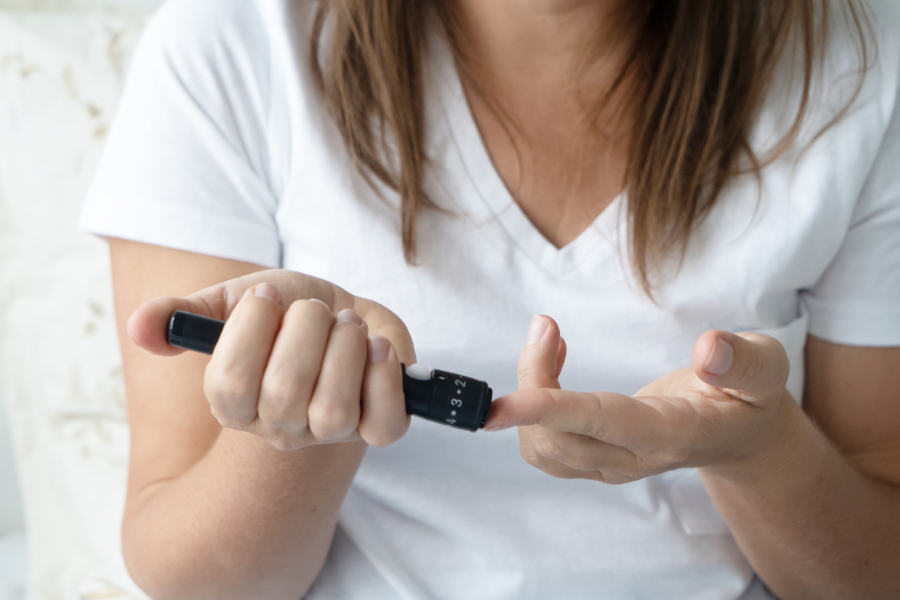
    Monitoring Your A1C Matters

    Your A1C test measures your average blood sugar over the past two to three months. For most people, a normal A1C is below 5.7%, prediabetes falls between 5.7% and 6.4%, and 6.5% or higher indicates diabetes.

    Regular A1C checks, which are typically every 3–6 months, as recommended by your doctor, help you and your healthcare team track your progress. Seeing your numbers improve can be motivating, and catching an upward trend early gives you time to adjust your plan before it becomes a bigger problem. Speak with your primary care provider about screening for this condition.
    Dietary Tips That Make a Difference

    • Choose whole grains over refined carbs (brown rice instead of white rice, whole wheat bread instead of white bread).
    • Fill half your plate with vegetables at meals, which are nutritious and low in calories.
    • Limit sugary drinks and snacks, including soda, juice, and desserts. Try water, unsweetened tea, or sparkling water instead.
    • Eat lean proteins like chicken, fish, beans, and tofu to help you feel full longer.
    • Practice portion control using a smaller plate can naturally help reduce portion sizes.

    Lifestyle Habits to Build

    • Move your body daily – Aim for at least 30 minutes of moderate activity like brisk walking most days of the week.
    • Get enough sleep – Poor sleep can affect blood sugar regulation, so aim for 7–9 hours per night.
    • Manage stress – Chronic stress can raise blood sugar levels. Try deep breathing, stretching, or simple hobbies you enjoy.
    • Maintain a healthy weight – Even losing 5–7% of your body weight can make a meaningful difference in blood sugar control.

    Steps to Stay on Track

    • Schedule regular checkups with your doctor to monitor your A1C and overall health.
    • Keep a simple food and activity journal to spot patterns and areas to improve.
    • Set small, realistic goals rather than overhauling everything at once.
    • Building a support system or developing a diabetes prevention program can help keep you accountable.
    • Take medications as prescribed if your doctor recommends them.

    The Bottom Line

    With consistent, manageable changes to your diet, daily habits and regular A1C monitoring, you have real power to improve your health and prevent type 2 diabetes. Small steps today can lead to a healthier tomorrow.


    This article is intended for general informational purposes only and does not constitute medical advice. Always consult a qualified healthcare provider with questions about your health.


  • Kidney Infection vs. Urinary Tract Infection: When Should You Go to the ER?

    If you’ve ever felt that familiar burning sensation when you urinate, you know how uncomfortable a urinary tract infection (UTI) can be. But what happens when you start having a fever, chills, or sharp pain in your back? These could be a sign that an infection has spread to your kidneys.

    Understanding the difference between a urinary tract infection (UTI) and a kidney infection and knowing where to seek care can make a real difference in how quickly you recover.

    What’s the Difference?

    A urinary tract infection (UTI) starts in the lower part of your urinary system, most often the bladder. It’s extremely common, especially in women, and usually causes symptoms like a burning feeling when you urinate, a frequent urge to go, and cloudy or strong-smelling urine.

    A kidney infection (medically called pyelonephritis) happens when bacteria travel upward from the bladder into one or both kidneys. The kidneys are vital organs that filter your blood, so an infection is a much more serious matter. Left untreated, a kidney infection can spread into the bloodstream and become life-threatening.

    How to Tell Them Apart?

    A typical UTI usually involves some or all of these symptoms:

    • Burning or pain during urination
    • Feeling like you need to urinate frequently, even when little comes out
    • Cloudy, dark, or strong-smelling urine
    • Pressure or mild cramping in the lower abdomen or pelvis
    • Little to no fever

    A kidney infection includes those same symptoms, but with additional warning signs that signal something more serious is happening:

    • Fever of 101°F (38.3°C) or higher
    • Shaking chills or rigors
    • Persistent pain in your back, side, or flank
    • Nausea or vomiting
    • Fatigue or a feeling of being very unwell

    The key distinction: if you have urinary symptoms plus a fever, treat it as a kidney infection until a doctor tells you otherwise.

    Urgent Care or Emergency Room?

    Once you suspect a kidney infection, the next decision is where to go. Go to urgent care if:

    • Your symptoms are manageable, with a mild fever (below 101°F),
    • You have some back discomfort but can tolerate it,
    • You are not vomiting and are able to keep fluids down.

    Urgent care centers can diagnose a kidney infection with a urine test and prescribe the right antibiotic, often the same day. Go to the emergency room if:

    • Your symptoms are severe or escalating, with a high fever and shaking chills,
    • Intense pain in your back or abdomen,
    • Repeated vomiting, confusion, or an overall sense that something is seriously wrong.

    The ER can provide IV antibiotics, fluids, and monitoring that urgent care simply cannot. Always go to the ER if you are pregnant, over 65, under 2 years old, diabetic, or have a weakened immune system or kidney disease, even if your symptoms seem mild. These face a much higher risk of rapid deterioration.

    The Bottom Line

    Both UTIs and kidney infections are treated with antibiotics, but a kidney infection usually requires a longer course and sometimes IV treatment in a hospital setting. Do not wait to see if the symptoms improve on their own.

    If you’re asking yourself, “Should I go to the ER?” and you genuinely feel awful, the answer is yes. Kidney infections can escalate to sepsis, a dangerous, body-wide response to infection within hours. Getting checked out is always the right call.


    White-Wilson Immediate Care Clinic in Fort Walton Beach is open seven days a week with no appointment needed. If you’re experiencing a medical emergency, please call 911 or go to your nearest emergency room immediately.

    This article is intended for general informational purposes only and does not constitute medical advice. Always consult a qualified healthcare provider with questions about your health.

  • Know the Difference: Heart Attack vs. Stroke Warning Signs

    When it comes to medical emergencies, knowing the warning signs of a heart attack versus a stroke can be lifesaving. While both conditions require immediate medical attention, they affect different parts of the body and present distinct symptoms. Understanding these differences empowers you to act quickly and potentially save a life.

    What’s Happening in Your Body?

    A heart attack occurs when blood flow to part of the heart muscle becomes blocked, usually by a blood clot. Without oxygen-rich blood, the heart muscle begins to die.

    A stroke, on the other hand, happens when blood flow to part of the brain is interrupted, either by a blockage or a ruptured blood vessel. Brain cells start dying within minutes without oxygen.

    Recognizing a Heart Attack

    The classic sign of a heart attack is chest discomfort, often described as pressure, squeezing, fullness, or pain in the center of the chest. This discomfort may last several minutes or come and go. However, heart attacks don’t always announce themselves with dramatic chest pain.

    Other warning signs include:

    • Discomfort in the upper body such as arms, back, neck, jaw, or stomach.
    • Shortness of breath, which can occur with or without chest discomfort.
    • Breaking out in a cold sweat, nausea, or lightheadedness.

    It’s important to note that women may experience heart attacks differently than men. While chest pain is still the most common symptom, women are more likely to have shortness of breath, nausea, vomiting, and back or jaw pain.

    Identifying a Stroke

    For strokes, remember the acronym FAST: Face, Arms, Speech, Time.

    • Face drooping: Ask the person to smile. Does one side of the face droop or feel numb?
    • Arm weakness: Ask them to raise both arms. Does one arm drift downward?
    • Speech difficulty: Ask them to repeat a simple sentence. Is their speech slurred or strange?
    • Time to call 911: If you observe any of these signs, call emergency services immediately.

    Additional stroke symptoms include sudden confusion, trouble seeing in one or both eyes, difficulty walking, dizziness, loss of balance or coordination, and severe headache with no known cause. Unlike heart attacks, strokes typically don’t cause chest pain.

    Why Every Second Counts

    For both conditions, time is critical. During a heart attack, every minute without treatment means more heart muscle damage. With strokes, there’s a saying in medicine: “Time is brain.” The longer brain cells go without oxygen, the more permanent the damage.

    Don’t wait to see if symptoms go away. Never drive yourself to the hospital if you suspect a heart attack or stroke, call 911. Emergency medical teams can begin treatment on the way to the hospital and alert the emergency department to prepare for your arrival.

    Take Action

    Knowing these warning signs isn’t just about medical knowledge, it’s about being prepared to protect yourself and those around you. Share this information with family and friends.

    If you have risk factors for heart disease or stroke, such as high blood pressure, diabetes, or a family history, discuss prevention strategies with your healthcare provider. Your awareness today could make all the difference tomorrow.

  • 12 Essential Health Screenings

    When was the last time you scheduled a checkup? If you’re similar to most individuals, your busy schedule often pushes preventive care to the back of your priority list. Between work deadlines, family obligations, and daily responsibilities, it’s easy to put off that appointment. But here’s the truth: catching health issues early can make all the difference between a simple intervention and a serious health crisis.

    APRN Margaret Avery, an Internal Medicine specialist at White-Wilson Internal Medicine in Fort Walton Beach, gives us a rundown of the essential health screenings.

    The Foundation: Annual Basics

    ·  Routine Physical Exams are yearly visits that give your primary care provider a complete picture of your health. “During your physical, we review your medical history, discuss any concerns, perform a comprehensive examination, and catch potential problems before they become serious” explained APRN Avery.

    ·  Blood Pressure checks are quick, painless, and absolutely important. High blood pressure often has no symptoms, yet it significantly increases your risk of heart disease, stroke, and kidney problems. Early detection and management of high blood pressure, through lifestyle changes or medication, can often prevent serious complications down the road.

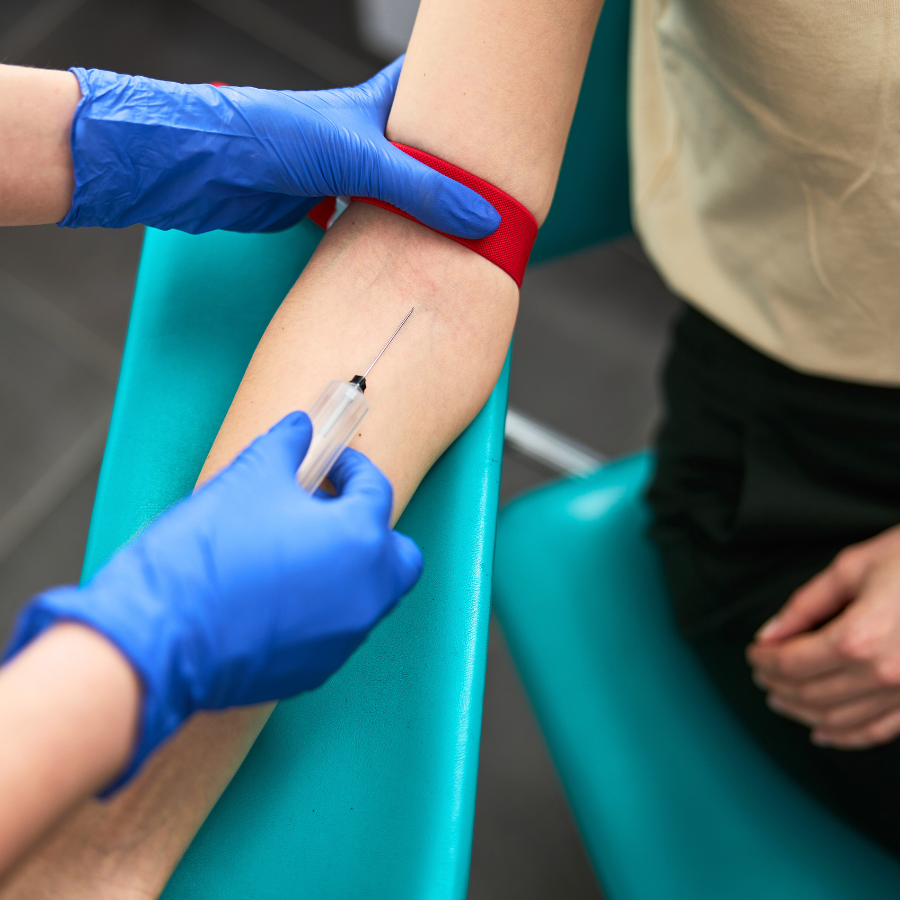
    · Blood Sugar Testing helps identify prediabetes and diabetes early, when lifestyle changes can have the biggest impact on your health. A simple blood test has never been more important. APRN Avery advises that early detection means you can take action before diabetes damages your eyes, kidneys, nerves, and blood vessels.

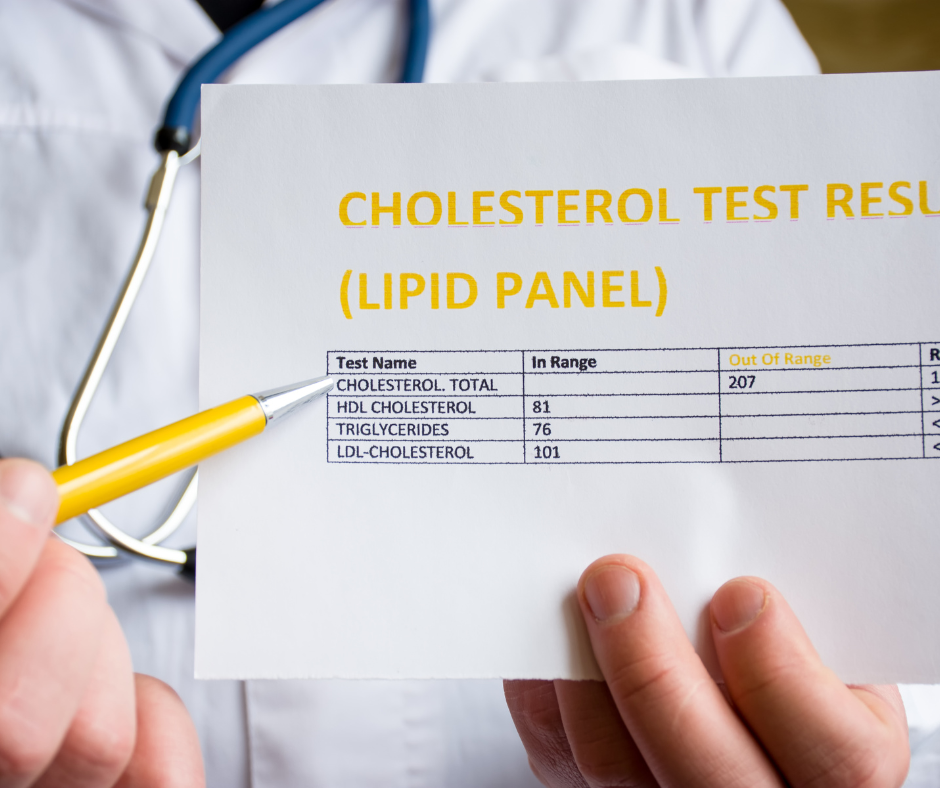
    ·  Cholesterol Screening reveals your heart disease risk through a simple blood draw. Even if you feel perfectly fine, high cholesterol silently damages your arteries over time, setting the stage for heart attacks and strokes. Knowing your numbers empowers you to make informed decisions about diet, exercise, and treatment options.

    Cancer Screenings Save Lives

    When it comes to cancer, early detection is powerful medicine. When detected in their earliest stages, many cancers are highly treatable. APRN Margaret Avery explained age-specific and gender screenings.

    ·  Cervical Cancer Screening through Pap smears has dramatically reduced cervical cancer deaths over the past several decades. Most women should start screening at age 21 and continue at regular intervals. Combined with HPV testing, this screening has become one of medicine’s greatest success stories in cancer prevention.

    ·  Colorectal Cancer Screening should begin at age 45 for most people, though you may need to start earlier if you have a family history. Options include colonoscopy, stool-based tests, and other methods. While colonoscopy prep isn’t anyone’s favorite activity, this screening literally saves lives by detecting and removing precancerous polyps before they become dangerous.

    ·  Mammograms are recommended annually or biennially for women starting at age 40-50, depending on your individual risk factors and family history. Breast cancer is highly treatable when caught early, and mammography remains our best tool for early detection.

    ·  Skin Checks help catch melanoma and other skin cancers early, when they’re most treatable. During your appointment, your provider can examine any changes or suspicious moles. Between visits, perform self-checks monthly and watch for the ABCDEs: asymmetry, border irregularities, color changes, a diameter larger than a pencil eraser, and evolution or change over time.

    ·  Prostate Exams are important for men, typically starting at age 50 or earlier if you have risk factors like family history. The conversation about prostate screening has evolved. Speak to your primary care provider to learn about the benefits and limitations, which will help you make an informed decision about what’s right for you.

    Don’t forget these frequently overlooked tests.

    ·  Bone Density Scans screen for osteoporosis, a condition that weakens bones and increases fracture risk. This is especially important for women over 65, but men can develop osteoporosis too. Risk factors include family history, small body frame, smoking, excessive alcohol use, and certain medications. “The earlier we identify bone loss, the more we can do to prevent devastating fractures,” says APRN Avery.

    ·  Height and Weight measurements help track changes that might signal health concerns, from unexplained weight loss that could indicate an underlying condition to gradual weight gain that increases your risk for diabetes, heart disease, and joint problems. Height measurements are particularly important as we age, since significant height loss can indicate vertebral fractures or osteoporosis.

    ·  Dental Checkups twice yearly keep your teeth healthy and can reveal signs of other health problems you might not expect. Your dentist might be the first to spot signs of diabetes, vitamin deficiencies, acid reflux, or even heart disease. There is growing evidence that that gum disease is linked to heart problems, making those cleanings more important than ever.

    Making It Happen

    The best screening schedule is one tailored to you based on your age, family history, lifestyle, and risk factors. Some tests you will need annually, others every few years, and some only once or twice in your lifetime.

    “Don’t wait for symptoms to appear. Many serious conditions develop silently, which is exactly why preventive screenings are so valuable. Health screenings give us the power to intervene early, when treatment is most effective and outcomes are best,” advises APRN Avery.

    Ready to get on track? Call your White-Wilson primary care provider today to schedule your next appointment. Your provider will review which screenings are right for you and create a personalized prevention plan. Your future self will thank you.


    APRN Margaret Avery is an advanced registered nurse practitioner at White-Wilson Internal Medicine Clinic in Fort Walton Beach. Learn more about APRN Margaret Avery and her approach to patient care here.

  • Living Well with Chronic Conditions: Empowering Patients through Personalized Care Plans

    Living with chronic conditions can be a major challenge, impacting not just physical health but also mental well-being and overall quality of life. According to the Centers for Disease Control and Prevention (CDC), about 60% of adults have at least one chronic condition, and 40% have two or more. The need for effective and personalized care has never been more important.

    We speak with Dr. Jennifer Whitfield, a Family Medicine physician from White-Wilson Medical Center Clinic in Niceville, about the significance of personalized care in managing chronic diseases, the role of patient empowerment, and the essential components of effective care plans.

    WWMC: What is a personalized care plan?

    Dr. Whitfield: A personalized care plan is a customized approach to managing chronic conditions, crafted to address an individual’s specific health needs, preferences, and goals. It involves thorough assessments, patient input, and ongoing adjustments to ensure the most effective management of the condition.

    WWMC: What is the role of patient empowerment?

    Dr. Whitfield: Knowledge is power. Patient empowerment is about providing you with the tools and information needed to take control of your health confidently. This includes making informed decisions, asking questions, and expressing your preferences.

    WWMC: How can patient empowerment improve health outcomes?

    Dr. Whitfield: When patients feel empowered, they are much more likely to follow through with their treatment plans. An empowered patient is more engaged, motivated, and likely to follow prescribed changes, communicate effectively with healthcare providers, and adopt healthier lifestyle choices.

    WWMC: How often should personalized care plans be reviewed?

    Dr. Whitfield: Personalized care plans should be reviewed regularly, generally every few months or whenever there’s a significant change in the patient’s health status. This ensures that the care plan stays relevant and effective, allowing for timely adjustments based on the patient’s progress and evolving needs.

    WWMC: What role do family and caregivers play in personalized care plans?

    Dr. Whitfield: Family members and caregivers are vital in personalized care plans. They offer support, encouragement, and help with the daily management of the condition. For older patients, family and caregivers can improve communication with healthcare providers and contribute to a more comprehensive approach to the patient’s care.

    WWMC: What are the benefits of using technology to manage your health?

    Dr. Whitfield: Technology enables you to monitor your health conveniently from home. Wearable devices, health apps, and telemedicine services can offer real-time insights and keep your primary care provider informed. But don’t get too caught up in the data—remember, it’s about using technology to enhance your experience in managing your health.

    WWMC: Do you have any final words for patients living with chronic conditions?

    Dr. Whitfield: Living with chronic conditions doesn’t have to be a lonely journey. Personalized care plans and patient empowerment help you and your family navigate health challenges with confidence and bring peace of mind. By understanding your health needs, setting realistic goals, and maintaining open communication with your provider, you can create a supportive environment that promotes better health outcomes.


    Dr. Jennifer Whitfield is a Family Medicine physician from White-Wilson Medical Center in Niceville. Dr. Whitfield provides comprehensive primary care for patients of all ages and specializes in preventive care, acute care, the diagnosis and treatment of chronic conditions, and women’s health. Learn more about Dr. Whitfield and her approach to patient care here.

  • Breast Cancer Awareness Month: Early Detection Saves Lives

    October is Breast Cancer Awareness Month, and it’s the perfect time to focus on one of the most important things you can do for your health: early detection. While a breast cancer diagnosis can feel overwhelming, catching it early dramatically improves treatment outcomes. The good news? There are simple steps you can take today to protect yourself.

    Know Your Body

    Your breasts change throughout your life, and that’s completely normal. However, knowing what’s normal for you makes it easier to spot when something’s different. Get familiar with how your breasts usually look and feel. If you notice any changes—like a new lump, skin dimpling, nipple discharge, or unusual pain—don’t wait. Contact your doctor right away.

    Simple Screening Guidelines

    Mammograms save lives by detecting cancer before you can feel it. Here’s what most women should know:

    • Ages 40-44: Talk with your doctor about when to start mammograms based on your personal risk factors.
    • Ages 45-54: Annual mammograms are recommended.
    • Ages 55 and older: Mammograms every two years or continue yearly if you prefer.

    If you have a family history of breast cancer or other risk factors, your doctor may recommend starting screenings earlier or more frequently.

    What you Healthy Habits That Help

    While you can’t control every risk factor, certain lifestyle choices can lower your risk:

    • Stay active: Aim for at least 150 minutes of moderate exercise weekly—even brisk walking counts!
    • Maintain a healthy weight: Extra body weight, especially after menopause, increases risk.
    • Limit alcohol: Keep it to one drink per day or less.
    • Don’t smoke: Smoking is linked to many cancers, including breast cancer.
    • Breastfeed if possible: Women who breastfeed may have a slightly lower risk.

    You’re Not Alone

    If you’re diagnosed with breast cancer, remember that you’re joining a community of millions of survivors. Treatment options have never been better, and support is available every step of the way. From support groups to counseling services, you don’t have to face this journey alone.

    Take Action This Month

    Taking care of yourself isn’t selfish—it’s essential. Your loved ones need you healthy and strong. This October, make your health a priority:

    1. Schedule your mammogram if you’re due for one
    2. Do a self-check and note any changes
    3. Talk to your family about their health history
    4. Share this information with the women in your life

    Early detection is your best defense. One simple screening could save your life. Don’t put it off—schedule your mammogram or discuss any concerns with your healthcare provider.


    Sources: American Cancer Society, National Cancer Institute, Centers for Disease Control and Prevention

  • World Mental Health Day: Your Mind Matters

    October 10th is World Mental Health Day, a global reminder that mental health is just as important as physical health. Yet too often, we ignore the warning signs or feel embarrassed to ask for help. Let’s change that conversation. Taking care of your mental health isn’t a luxury—it’s a necessity.

    Recognizing the Signs

    Mental health challenges don’t always appear as you’d expect. Sometimes they manifest through physical symptoms or subtle behavioral shifts. Watch for signs such as:

    • Persistent sadness, anxiety, or feeling empty
    • Loss of interest in activities you used to enjoy
    • Changes in sleep patterns or appetite
    • Difficulty concentrating or making decisions
    • Withdrawing from friends and family
    • Unexplained aches and pains
    • Feeling overwhelmed or hopeless

    If these feelings persist for over two weeks or disrupt daily activities, consider seeking support.

    Simple Daily Habits for Better Mental Health

    • Move your body: Exercise releases natural mood-boosting chemicals. Even a 10-minute walk can help reduce stress and anxiety.
    • Prioritize sleep: Aim for 7-9 hours nightly. Good sleep improves mood, focus, and emotional resilience.
    • Connect with others: Loneliness can significantly impact mental health. Call a friend, join a group, or simply chat with a neighbor.
    • Practice mindfulness: Take five minutes daily to breathe deeply and focus on the present moment.
    • Limit screen time: Too much social media can worsen anxiety and depression. Set boundaries around your phone use.
    • Eat well: A balanced diet supports brain health. Don’t skip meals and stay hydrated.

    Breaking the Stigma

    Here’s the truth: nearly 1 in 5 adults experiences mental illness each year. You’re not weak for struggling, and you’re not alone. Asking for help takes courage, not weakness. Whether it’s talking to your doctor, calling a therapist, or confiding in someone you trust, reaching out is a sign of strength.

    Breaking the Stigma

    Early intervention leads to better outcomes. Mental health treatment works, and you deserve to feel better. Consider talking to a mental health professional if:

    • Your symptoms interfere with work, relationships, or daily activities
    • You’re using alcohol or drugs to cope
    • You have thoughts of self-harm or suicide
    • You feel stuck despite trying self-help strategies

    Take the First Step

    Your mental health matters. Taking that first step toward feeling better is one of the bravest things you can do. This World Mental Health Day, prioritize yourself:

    1. Check in with your own mental health honestly
    2. Schedule an appointment if you’ve been putting it off
    3. Learn the warning signs and share them with loved ones
    4. Practice one new healthy habit this week

    If you’re in crisis: Call or text 988 for the Suicide and Crisis Lifeline, available 24/7. Help is always available.


    Sources: National Institute of Mental Health, World Health Organization, Substance Abuse and Mental Health Services Administration

  • Why Does My Doctor Order Blood Tests?

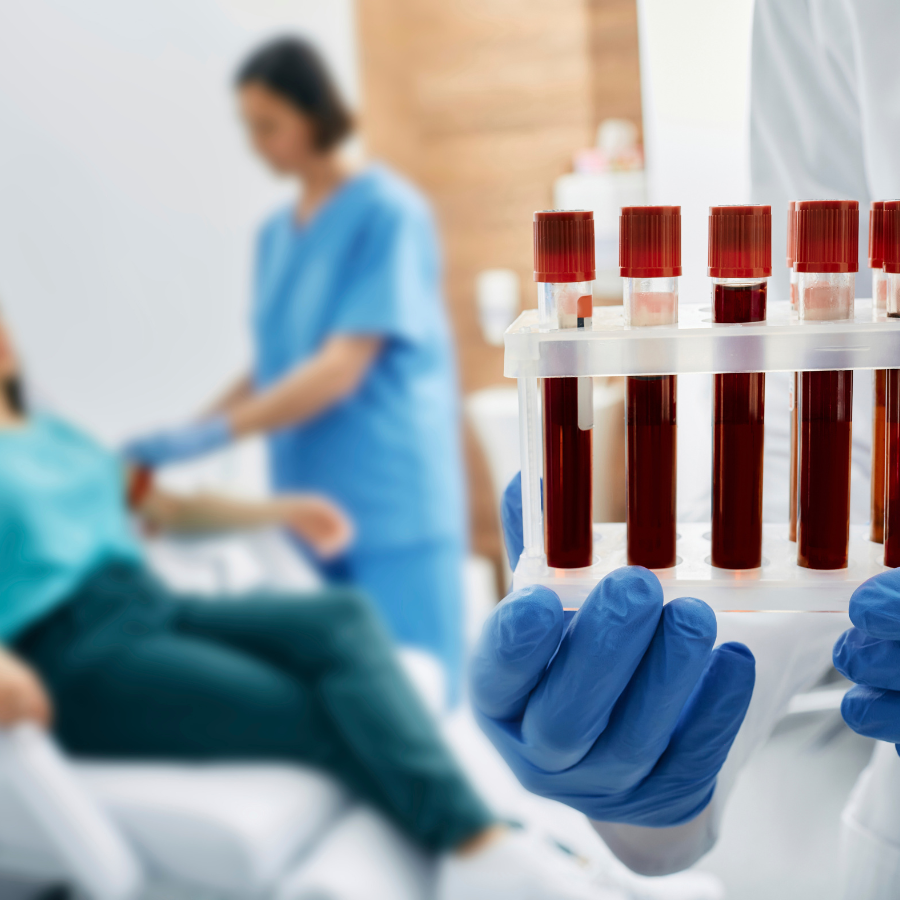
    The three words “let’s do bloodwork” will either make you nervous or make you question what your doctor is looking for. One of the most effective diagnostic methods in medicine is blood testing, that provides your doctor with a comprehensive picture of your internal health.

    Your blood carries vital information about nearly every organ system. Blood tests can help your doctor diagnose a variety of health conditions, including infections, anemia, high cholesterol, vitamin deficiencies, organ failure, HIV, cancer, and diabetes.  Think of them as your body’s personal progress report, helping you and your healthcare team stay one step ahead.

    Common Reasons for Blood Work

    • Maintaining Health – Regular health screenings such as annual physicals often include a complete blood count (CBC) and a comprehensive metabolic panel. These assessments are essential for establishing baseline health markers and identifying potential issues at an early stage.
    • Detection – During a physical checkup, doctors often request blood tests to screen for various conditions, including heart disease, thyroid disease, cancer, diabetes, and sexually transmitted infections. If you are experiencing an unexpected level of fatigue? Your doctor may test for anemia or thyroid problems.
    • Prevention and Monitoring – Many medications require regular blood monitoring to ensure they’re working effectively and not causing harmful side effects. They can also monitor the effectiveness of treatments. Medications for diabetes, blood thinners, and cholesterol frequently fall under this testing.
    • Chronic Disease Management: Conditions like diabetes, kidney disease, and heart conditions require ongoing blood monitoring to track disease progression and treatment effectiveness.

    What you need to know before your blood test.

    Most regular blood tests require an 8-12 hour fast, which means no food or beverages other than water. Your provider will guide you on how to prepare for your blood tests. It is essential that you follow your doctor’s specific instructions because certain procedures have different requirements.

    Understanding Your Results

    While your doctor goes over the results with you, don’t be concerned if anything appears “abnormal”. Many factors, including recent illness, medicines, and even the time of day, can influence results. Your doctor considers your overall medical history, not just specific statistics. Don’t be hesitant to ask your doctor questions to ensure you understand what your blood test results mean and what you should do next.

    The Bottom Line

    Blood tests are not to be feared; they are your doctor’s method of being thorough and proactive about your health. These tests can detect problems before you notice symptoms, monitor existing illnesses, and check that treatments are working effectively.
    Remember, regular blood tests are an investment in your long-term health. When your doctor recommends it, the result will give you valuable insights into your body’s inner workings.


    Always consult with your healthcare provider about your specific medical needs and test results. This information is for educational purposes only.

  • Take Control of Your Blood Pressure as You Age

    High blood pressure might seem like just another number at your doctor’s visit, but it’s one of the most important indicators of your health—especially as you get older.

    As we age, our arteries naturally become stiffer, making the heart work harder to pump blood through them. This increased pressure against your artery walls is what we call high blood pressure or hypertension.

    High blood pressure is often called the “silent killer” because it rarely causes obvious symptoms. You might feel fine while your blood pressure quietly increases your risk of heart disease, stroke, kidney problems, and even memory issues. Some older adults do notice shortness of breath during light activities, dizziness when standing up quickly, or more frequent falls.

    Understanding Your Numbers

    In blood pressure reading, the top number is called systolic blood pressure, and the bottom number is called diastolic blood pressure. Blood pressure readings are classified based on those two numbers:

    Take Action Today

    Here are proven ways to help you keep your blood pressure low:

    • Move Your Body: Aim for 150-300 minutes of activity weekly—even brisk walking counts!
    • Eat Smart: Fill your plate with colorful vegetables, fruits, whole grains, and lean proteins. Cut back on salt, which becomes more problematic as we age.
    • Sleep Well: Poor sleep and sleep apnea can raise blood pressure. Prioritize 7-9 hours nightly.
    • Manage Stress: Find healthy ways to cope with life’s challenges—meditation, hobbies, or talking with friends.
    • Limit Alcohol: If possible, avoid alcohol consumption entirely.
    • Don’t Smoke: Smoking increases your risk.

    Your Healthcare Partnership

    The good news is that you can control your blood pressure. Besides lifestyle changes, it’s also recommended to visit your doctor regularly to have your blood pressure checked. Your doctor might prescribe medication to help lower your blood pressure to a safe level. Medication doesn’t mean you have failed; it means you’re taking smart steps to protect your health. 

    Remember: controlling blood pressure is a marathon, not a sprint. Small, consistent changes add up to big health benefits.


    Always consult with your healthcare provider about your specific medical needs and test results. This information is for educational purposes only.

  • Beat the Bloat: Understanding Gas and Bloating

    We have all had that uncomfortable sense of fullness and trapped gas. While embarrassing, gas and bloating are completely normal digestive responses that can usually be managed with easy lifestyle modifications.

    Bloating can make people feel big or tight in their abdomens, comparable to how you feel after eating a huge Thanksgiving meal. Gas and bloating can be caused by a variety of circumstances, according to APRN Nikkole Town of White-Wilson Gastroenterology Clinic. “The incomplete digestion of proteins, carbohydrates, or fats, as well as an imbalance between good and bad bacteria in the gut, can cause occasional gas and bloating.”

    What’s Causing the Discomfort?

    Common culprits include:

    • Gas-producing foods like beans, broccoli, cabbage, and carbonated drinks create extra air in your digestive system, while dairy products can trigger symptoms in lactose-intolerant individuals.
    • Artificial sweeteners in sugar-free gums and candies are notorious bloating triggers.
    • Eating too quickly causes you to swallow excess air.
    • Stress and irregular eating patterns can also disrupt normal digestion, leading to uncomfortable symptoms.

    Simple Solutions That Work

    • Dietary changes make the biggest difference. Eat slowly and chew thoroughly to reduce swallowed air. Identify your trigger foods by keeping a food diary, and consider reducing beans, cruciferous vegetables, and carbonated beverages if they consistently cause problems.
    • Lifestyle modifications include taking short walks after meals to aid digestion, managing stress through relaxation techniques, and staying hydrated throughout the day.
    • Natural remedies, such as peppermint tea, ginger, and probiotics, can provide gentle relief for many people.

    Understanding Persistent Digestive Issues

    Bloating and gas can occasionally be signs of underlying digestive issues. The American Gastroenterological Association (AGA) reports that Irritable Bowel Syndrome (IBS) impacts 10-15% of individuals worldwide, presenting with persistent abdominal pain, bloating, and changes in bowel movements. Small Intestinal Bacterial Overgrowth (SIBO) is characterized by an abnormal increase in bacterial populations within the small intestine, resulting in persistent gas and bloating after meals.

    Food intolerances, such as gluten sensitivity or FODMAP intolerance, can cause ongoing digestive issues. FODMAPs are specific types of carbohydrates that are poorly absorbed in the small intestine. When these carbohydrates reach the large intestine, gut bacteria ferment them, leading to symptoms like gas, bloating, abdominal discomfort, and changes in bowel habits. The National Institute of Diabetes and Digestive and Kidney Diseases (NIDDK) describes gastroparesis as a condition where the stomach empties slowly, causing prolonged fullness and bloating after meals.

    Managing Chronic Abdominal Discomfort

    A systematic approach to managing persistent symptoms by eliminating diet to identify specific trigger foods, focusing on common culprits like gluten, dairy, or high-FODMAP foods. Consider working with a registered dietitian who can guide you through this process safely.

    Stress management becomes crucial for chronic digestive issues because of the strong gut-brain connection that affects symptoms. Regular exercise, sufficient sleep, and stress-reduction techniques like meditation can provide significant relief.

    Targeted supplements can help, such as digestive enzymes to improve food breakdown, while specific probiotics may restore a healthy gut bacteria balance. Always consult your healthcare provider before starting new supplements.

    When to See Your Doctor

    “Seek medical attention immediately if you experience severe abdominal pain, unexplained weight loss, changes in bowel habits, or persistent symptoms lasting longer than two weeks,” advised APRN Town, a gastrointestinal specialist. “Severe cramping, fever, vomiting, or blood in the stool are red flag symptoms,” added APRN Town.

    “Early diagnosis leads to more effective treatment and better quality of life. Your doctor may recommend tests like a colonoscopy for inflammatory conditions, or blood work to rule out celiac disease,” explained APRN Town.

    Take Control of Your Digestive Health

    While occasional gas and bloating are normal, you don’t have to suffer through persistent discomfort. Start with simple dietary and lifestyle changes, keep track of your symptoms, and don’t hesitate to seek professional help when needed. Your digestive health significantly impacts your overall well-being, and effective solutions are available.


    APRN Nikkole Town is a board-certified advanced registered nurse practitioner providing care for patients at White-Wilson Gastroenterology Clinic in Fort Walton Beach. Her approach to patient care focuses on health promotion and disease prevention. Learn more about APRN Town and her approach to patient care here.