Tag: White-Wilson Medical Center

  • Migraine and Headache Awareness Month

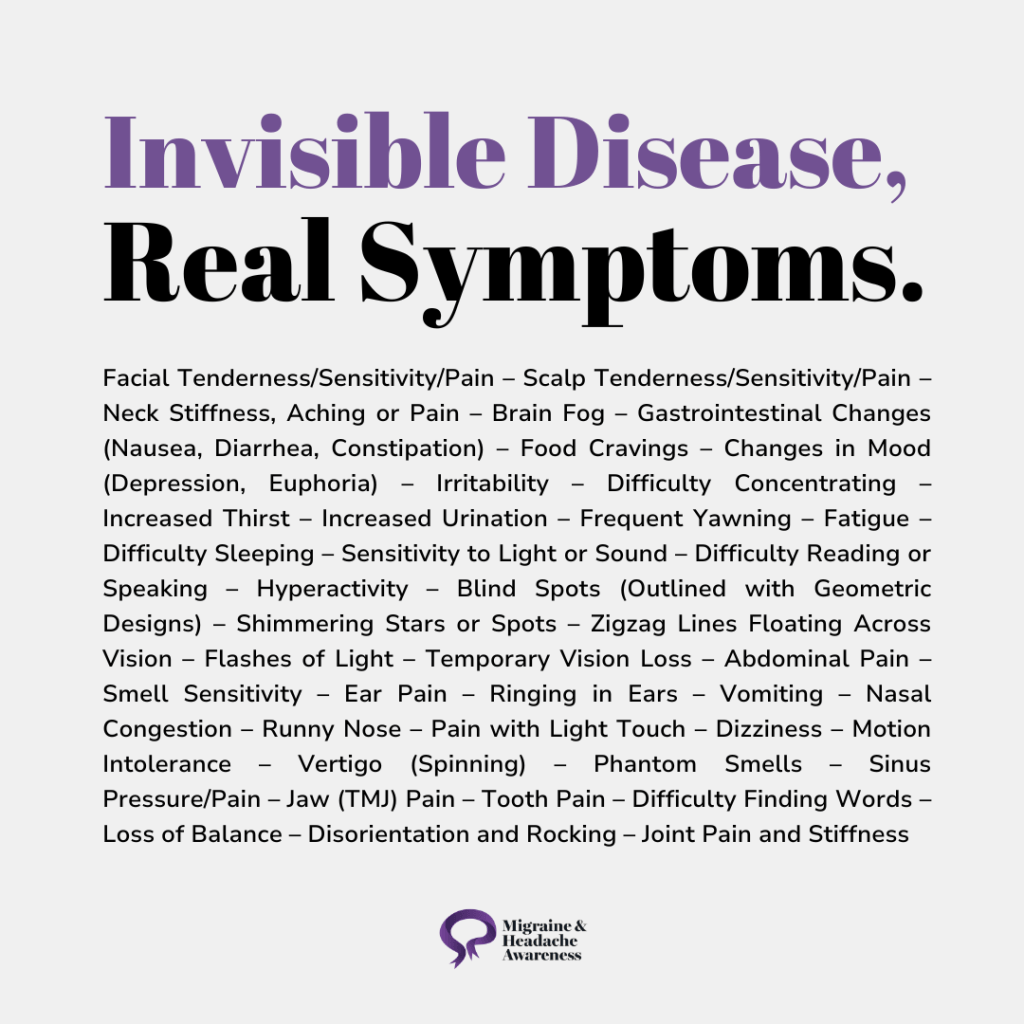
    Migraines and headaches are common neurological conditions that affect millions of people worldwide. Over 37 million Americans are affected, disrupting daily life with intense pain, nausea, and sensitivity to light and sound.

    Migraines are more than “just headaches.” They are a neurological disorder, often chronic with symptoms lasting hours or days. Chronic migraines, affecting about 2% of the population, occur 15 or more days per month, challenging work, relationships, and mental health.

    There are more than 150 different types of headache diseases, with varying symptoms and treatments, but patients should not have to accept any level of pain as status quo. There are options.
    Your Path To Better Days

    Too many of us have lived with this debilitating disease for years. If you are struggling with migraines or headaches, know that treatments and support systems are available. Here are ways to get you started:

    1. Schedule a dedicated appointment with a healthcare provider
    2. Track and share your symptoms with your provider
    3. Get a correct diagnosis
    4. Get treatments that meet your personal goals
    5. Request a specialist referral if needed

    Every June is National Migraine and Headache Awareness Month. The initiative focuses on understanding these conditions, reducing stigma, and promoting effective treatments. Whether you’re dealing with occasional tension headaches or chronic migraines, identifying your triggers and working with a healthcare provider can make a significant difference. With the right treatment plan and lifestyle adjustments, it’s possible to reduce the frequency and severity of headaches and regain control of your daily routine.

    Click for more information about White-Wilson Neuroscience Center.

  • Your Child’s First Pediatrician Visit

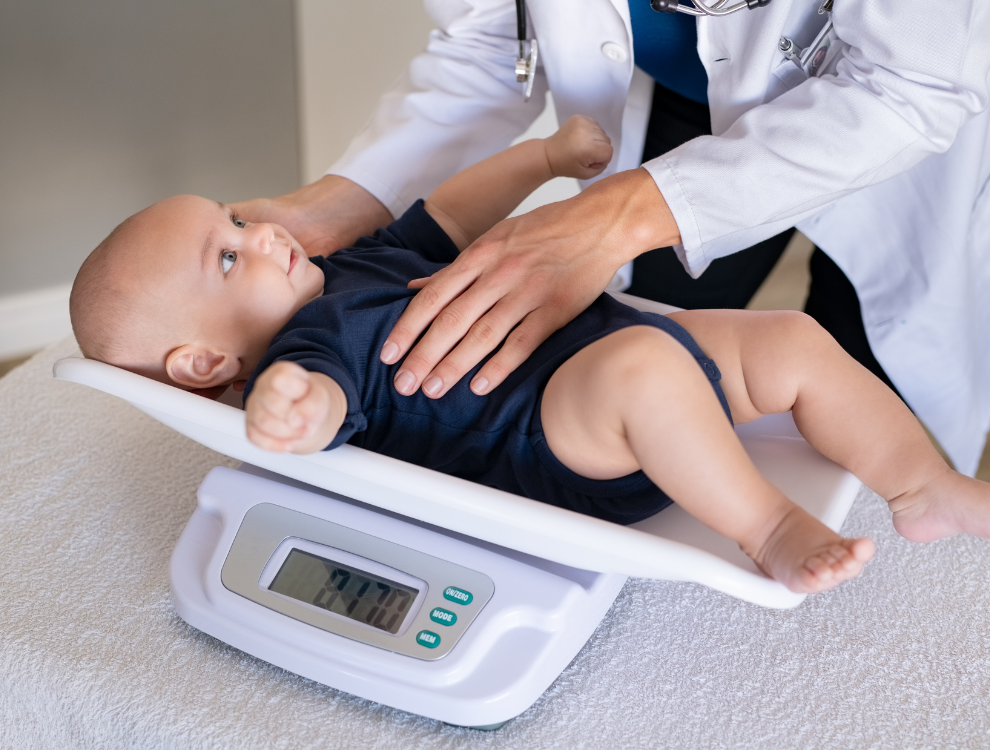
    As a first time parent that initial visit to the pediatrician can be surrounded by some uneasiness. Between the sleep deprivation and many questions, where do you even start? Rest assured the pediatricians at White Wilson have your back. We will love you and your child well from the moment you step into our office. We are here to partner with you through the journey of parenting.   Typically, this first visit occurs 3-5 days after birth and it is an opportunity to get to know your pediatrician, understand your baby’s health, and address any concerns you may have. 

    What to Expect on the First Visit

    Rachel Couch, APRN, of White-Wilson Pediatrics in Fort Walton Beach, explains what a pediatrician will most likely do on your child’s first visit.

    • Weigh and measure your baby.
    • Check their heart, lungs, reflexes, and overall appearance.
    • Ask about feeding, bowel movements, and sleep.
    • Review hospital records (e.g., newborn screenings, birth complications).
    • Discuss vaccinations or schedule them (e.g., Hepatitis B if not given at birth).
    • Give you a heads-up about what’s normal. Yes, babies poop and sleep a lot! 

    Additionally, APRN Couch has provided a list of questions and discussion topics to help you prepare when speaking with your child’s pediatrician.

    • Growth and Development
      • Is my baby’s weight, length, and head circumference on track for their age?
      • What developmental milestones should I expect in the coming weeks/months?
      • What are the symptoms I should call about or visit the ER for? 
    • Feeding
      • Is my baby feeding well (whether breastfed, formula-fed, or both), and are there any concerns about their feeding habits?
      • How often should they be fed, and how do I know if they are getting enough?
      • If breastfeeding, any tips for latch issues, milk supply, or pumping?
      • If formula-feeding, how much and how often? Are there any specific brands or types to consider?
      • When and how should I introduce solid foods?
    • Sleep
      • What is a normal sleep pattern for my newborn, and how can I help establish healthy sleep habits?
      • Is it safe for my baby to sleep on their stomach, back, or side? (Spoiler: Back is safest.)
      • Any tips for dealing with frequent waking or fussiness at night?
    • Health and Immunizations
      • What vaccinations are recommended at this stage, and what is the schedule moving forward?
      • What are common newborn health issues (e.g., jaundice, rashes, reflux), and when should I call you?
      • Are there any screening tests (e.g., hearing, metabolic disorders) we need to follow up on?
    • Daily Care
      • How often should I bathe my baby, and what products are safe for their skin?
      • What is the best way to clean their eyes, ears, or nose?
      • How do I manage diaper rash or other skin irritations?
      • Any advice on nail trimming to avoid scratching?
    • Safety
      • What are the most important safety tips for a newborn (e.g., car seats, co-sleeping risks, SIDS prevention)?
      • How do I ensure a safe sleep environment?
      • Are there household hazards that I should be concerned about?
    • Parental Support
      • How do I recognize signs of postpartum depression or anxiety in myself or my partner?
      • Are there any resources you can recommend for first-time parents?
      • When should I call your office versus taking my baby to urgent care or the ER?
      • Are there specific symptoms or behaviors I should report before the next visit?

    “Track feeding, diaper changes, and any unusual patterns are information that would help the pediatrician to assess the health of your child,” says APRN Couch. “If you’re struggling, whether it’s with breastfeeding, sleep, or your own emotions, be honest and speak up. “We want to help you.” 

    “No question is too small, and your concerns are valid. I remember when I first became a parent and all the uneasiness about my daughter’s feeding and being so small etc. I had all the questions too. We expect first-time parents to have many questions,” continues APRN Couch.  “The goal is to leave the visit feeling informed and supported. If you think of questions later, most offices have a nurse line or portal for follow-ups.” Thank you so much for the privilege of taking care of your children. We cannot wait to meet you! 


    Rachel Couch, FNP-BC, is a board-certified family and pediatric nurse practitioner providing care for patients at White-Wilson Pediatrics in Fort Walton Beach. Her specialty lies in providing pediatric care, including wellness care, preventive medicine, the diagnosis and treatment of acute and chronic illnesses, and physical exams. Learn more about APRN Couch and her approach to patient care here. 

  • Mental Health- The Warning Signs of Suicide for Adults and Teens

    Suicide remains a critical public health concern, affecting both adults and teens across diverse communities. It is often driven by complex factors, including mental health challenges, social pressures, and life stressors, making it essential to recognize the warning signs and offer support.

    For teens, navigating academic, social, and emotional challenges can heighten their vulnerability, while adults may face overwhelming responsibilities or feelings of isolation. Understanding the root causes, reducing stigma, and fostering open communication are vital steps toward prevention. Learn the impact of suicide, highlight warning signs, and emphasize the importance of seeking help to save lives.

    What are the warning signs for adults?

    Risk is greater if a behavior is new or has increased, and if it seems related to a painful event, loss or change.

    • Talking about or making plans for suicide
    • Acting anxious or agitated; behaving recklessly
    • Talking about being a burden to others
    • Talking about feeling trapped or in unbearable pain
    • Increasing the use of alcohol or drugs
    • Talking about feeling hopeless or having no reason to live
    • Sleeping too little or too much
    • Withdrawing or feeling isolated
    • Showing rage or talking about seeking revenge
    • Displaying extreme mood swings

    What are the warning signs for teens?

    • Talking about or making plans for suicide
    • Expressing hopelessness about the future
    • Displaying severe or overwhelming emotional pain or distress
    • Showing worrisome changes in behavior, particularly in combination with the warning signs above
    • Withdrawal from or changing social connections or situations
    • Changes in sleep (increased or decreased)
    • Anger or hostility that seems out of character or out of context
    • Recent increased agitation or irritability

    If you or someone you know is struggling and showing the above warning signs, help is available. Call 988 or visit 988lifeline.org, or reach out to a mental health professional. If you are a patient of White-Wilson Medical Center, speak with your primary care physician to get support and resources that you need.


  • Sinusitis in Children- How do I know when my child has sinusitis?

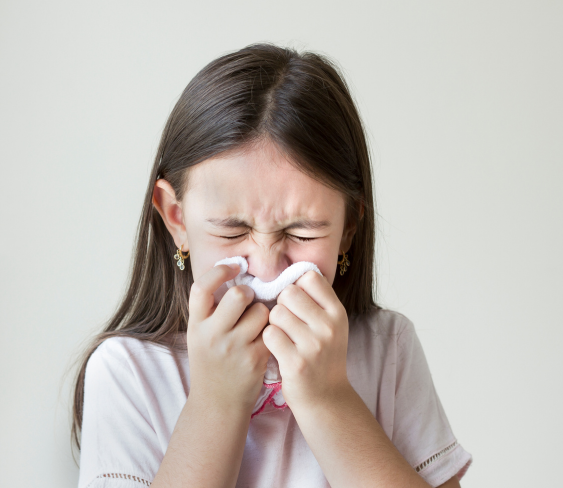
    Your child’s sinuses are not fully developed until age 20. Although small, the maxillary (behind the cheek) and ethmoid (between the eyes) sinuses are present at birth. In contrast to adults, sinusitis may be difficult to diagnose because symptoms can be subtle and the causes complex.

    How do I know when my child has sinusitis?

    The following symptoms may indicate a sinus infection in your child:

    • a “cold” lasting more than 10 to 14 days, sometimes with a low-grade fever
    • thick yellow-green nasal drainage
    • chronic cough, especially at night
    • post-nasal drip, sometimes leading to or exhibited as sore throat, cough, bad breath, nausea and/or vomiting
    • headache, usually not before age 6
    • irritability or fatigue
    • swelling around the eyes

    Young children have immature immune systems and are more prone to infections of the nose, sinus, and ears, especially in the first several years of life. These are most frequently caused by viral infections (colds), and they may be aggravated by allergies. However, when your child remains ill beyond the usual week to ten days, a sinus infection is likely. You can reduce the risk of sinus infections for your child by reducing exposure to known environmental allergens and pollutants such as tobacco smoke, reducing his/her time at day care, and treating stomach acid reflux disease.

    How is sinusitis treated?

    Acute Sinusitis

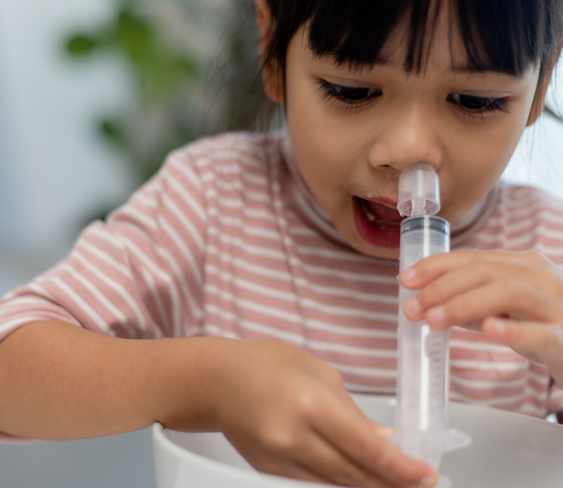
    Most children respond very well to antibiotic therapy. Nasal decongestants or topical nasal sprays may also be prescribed for short-term relief of stuffiness. Nasal saline (saltwater) drops or gentle spray can be helpful in thinning secretions and improving mucous membrane function. If your child has acute sinusitis, symptoms should improve within the first few days. Even if your child improves dramatically within the first week of treatment, it is important that you continue therapy until all the antibiotics have been taken. Your doctor may decide to treat your child with additional medicines if he/she has allergies or other conditions that make the sinus infection worse.

    Chronic sinusitis

    If your child suffers from sinus symptoms that last for twelve weeks, this is known as chronic sinusitis. If your child has chronic sinusitis or recurrent episodes of acute sinusitis numbering more than four to six per year, your physician may recommend surgical treatment of the sinuses. Enlarged adenoids may be implicated as a cause of chronic sinusitis, and adenoidectomy is sometimes recommended.

    Diagnosis of sinusitis

    An Ear, Nose and Throat (ENT) specialist can usually make a correct diagnosis by examining your child’s ears, nose, and throat and taking a thorough history. Occasionally, a special instrument is used to look into the nose during the office visit. An X-ray called a CT scan may help to determine how your child’s sinuses are formed, where the blockage has occurred, and the reliability of a sinusitis diagnosis.

    If your child is exhibiting symptoms of a sinus infection or sinusitis, it is important to have them evaluated by a pediatrician or an ENT specialist. This will help prevent the condition from worsening and ensure that your child receives the appropriate treatment for a swift recovery.


  • Balance – Why Do We Fall?

    Every year, over two million Americans suffer serious injuries from falls, resulting in costs exceeding $3 billion. Falls and injuries are one of the biggest health concerns of the elderly. As our senior population continues to grow, the prevalence of falls and their associated consequences is expected to increase.

    Why Falls Happen

    Health-related causes: Medications for blood pressure, heart disease, allergies, and depression can affect your balance and alertness. Vision problems like cataracts or glaucoma reduce your ability to see obstacles. Conditions like arthritis, osteoporosis, and muscle weakness make movement more difficult and bones more fragile.

    Lifestyle factors: Lack of exercise, poor diet, and smoking contribute to muscle weakness, bone loss, and reduced balance over time.

    Environmental hazards: Loose rugs, poor lighting, clutter, and slippery surfaces create dangerous conditions in your home.

    Simple Steps to Prevent Falls

    Stay Active: Regular exercise strengthens muscles, improves balance, and maintains coordination. Even simple activities like walking can make a significant difference.

    Manage Your Health: Have your vision and hearing checked annually. Review all medications with your doctor—both prescription and over-the-counter drugs can affect balance. Manage chronic conditions like diabetes and high blood pressure.

    Move Safely: Stand up slowly to avoid dizziness. Use assistive devices like canes or walkers when needed. Wear sturdy, low-heeled shoes with non-slip soles.

    Make Your Home Safer:

    • Remove throw rugs and secure area rugs with tape
    • Keep walkways clear of furniture and electrical cords
    • Install adequate lighting in all areas, especially stairways
    • Add grab bars in bathrooms and non-slip mats in tubs
    • Place light switches near your bed and bedroom door
    • Use nightlights in bedrooms, hallways, and bathrooms
    • Never stand on chairs to reach high shelves

    If You’ve Already Fallen

    Don’t be discouraged—much can be done to prevent future falls. Work with your healthcare team to:

    • Evaluate your balance and identify any underlying causes
    • Review and adjust medications that might increase fall risk
    • Assess your mental function, as confusion can contribute to falls
    • Develop a personalized prevention plan

    Take Action Today

    Falls are not an inevitable part of aging. By staying active, managing your health conditions, and creating a safe home environment, you can significantly reduce your risk and maintain your independence. Start with one or two changes today—your future self will thank you.

    Remember: preventing falls is about staying safe while continuing to live the active, independent life you deserve.


  • Insight into Tinnitus – The Noise in Your Ear

    Nearly 36 million Americans suffer from tinnitus or head noises. It may be an intermittent sound or an annoying continuous sound in one or both ears. Its pitch can go from a low roar to a high squeal or whine. Before any treatment, it is important to undergo a thorough examination and evaluation by your otolaryngologist. An essential part of the treatment will be your understanding of tinnitus and its causes.

    What cause Tinnitus?
    Most tinnitus comes from damage to the microscopic endings of the hearing nerve in the inner ear. The health of these nerve endings is important for acute hearing, and injury to them brings on hearing loss and often tinnitus. If you are older, advancing age is generally accompanied by a certain amount of hearing nerve impairment and tinnitus. If you are younger, exposure to loud noise is probably the leading cause of tinnitus, and often damages hearing as well.

    There are many causes for “subjective tinnitus,” the noise only you can hear. Some causes are not serious (a small plug of wax in the ear canal might cause temporary tinnitus). Tinnitus can also be a symptom of stiffening of the middle ear bones (otosclerosis).

    Tinnitus may also be caused by allergy, high or low blood pressure (blood circulation problems), a tumor, diabetes, thyroid problems, injury to the head or neck, and a variety of other causes including medications such as anti-inflammatories, antibiotics, sedatives, antidepressants, and aspirin. If you take aspirin and your ears ring, talk to your doctor about dosage in relation to your size.

    While there is no universal cure, many people find relief through strategies like sound therapy, mindfulness, and stress management. Avoiding loud noises, reducing caffeine and alchohol intake, and managing underlying health issues can also help. For persistent or bothersome tinnitus, consulting with a White-Wilson audiologist or an Ear, Nose and Throat (ENT) specialist can provide personalized treatment options and coping strategies.


  • Heathly Guidelines for Holiday Travels and Gatherings

    As the holidays approache, we wanted to share with you the guidelines for safe holiday celebrations and travel. As you prepare for your holiday plans, here are a few healthy tips to keep you safe over the holidays.

    Medications
    When making trip plans, do not forget to pack your medications. It is usually a good idea to keep a list of your medical diagnosis when traveling overseas. To ensure you have enough medication to get you through your trip and any unforeseen delays, and have your medications refills before traveling.

    Traveling 

    When traveling by car with the family, pack healthy snacks such as fruits, veggies, and nuts for convenience. If you are flying this holiday season, be sure to verify your destination’s travel restrictions. It is usually a good idea to have a game plan in place in case illness occurs along the journey. Whether traveling by air or road, make sure to stay hydrated, and when traveling by road, remember to include a first aid kit.

    Flu Vaccine
    Don’t forget to get the seasonal flu vaccine. Protect yourself and your loved ones with a flu vaccine to avoid having your holiday plans disrupted by an unexpected sickness.

    Hosting 
    If you are hosting holiday gatherings at your house this season, remember to spread out furniture to reduce overcrowding, as well as increase ventilation and take advantage of the great Florida weather. Make antibacterial hand soap and alcohol-based hand sanitizers available throughout your home and advise anyone who is feeling under the weather to skip the party.

    Holiday Food
    To avoid food contamination while preparing holiday dinners, keep raw meats apart from fresh veggies and other food products. Remember to wash your hands and counters frequently. Refrigerate foods within a few hours of serving, and discard leftovers after three to four days.

    Gatherings over the holidays allow you to reconnect with friends and family. These tips can help you enjoy your holiday season while remaining healthy and safe.


    The content of this article has been adapted and updated from our video library. If you wish to watch the video, click here.

  • Hearing Loss : Signs and Symptoms

    Do you struggle to hear when you are talking on the phone? Do you find it challenging to pick up conversations when you’re in a group setting?

    Hearing loss is a medical condition. Surgery can only correct hearing loss in a small percentage of people, whereas medical devices and rehabilitation can significantly decrease hearing loss in many patients who cannot benefit from surgery.

    The most common cause of hearing loss in children is otitis media. For the elderly, which is the largest and most vulnerable group affected, excessive noise, medications, toxins, and genetics are the greatest contributing factors. 

    Dr. Tim Skinner, an audiologist at White Wilson Medical Center, explains the warning symptoms of hearing loss. The following are various indicators that you may be experiencing hearing loss.

    • Even with a minor hearing loss, the most common difficulty is understanding speech, especially in noisy situations or when multiple people are talking. Observe how you interact at the next family dinner and note any complaints you have about people mumbling.
    • The next sign is having difficulties hearing on the phone. You may frequently respond by requesting the person on the other end to speak louder or repeat themselves. Another clue could be the need to raise the TV’s volume above its normal level.
    • When you have hearing loss, you will find it more difficult to enjoy social interactions. When a person withdraws from activities they normally like and lacks confidence in social contacts, it indicates a more serious loss.

    If you or your elderly loved ones are experiencing any of these symptoms, contact your primary provider or visit the White-Wilson Audiology service for a hearing health evaluation. For more information, click here.


    The content of this article has been adapted and updated from our video library. If you wish to watch the video, click here.

  • Healthy Aging

    Maintaining a healthy lifestyle becomes increasingly important for optimal aging. The things we do to keep our body and mind healthy, such as a nutritious diet, physical activity, and social connections, can help promote health and wellness.

    Healthy aging is about maintaining physical, mental, and social well-being as we grow older. Regular exercise helps keep muscles strong and joints flexible, while a balanced diet rich in fruits, vegetables, and lean proteins supports overall health. Staying mentally active—whether through reading, puzzles, or learning new skills—can help preserve cognitive function.

    Social connections also play a vital role in aging well. Engaging with friends, family, and community activities can combat loneliness and enhance emotional well-being. It is also important to schedule regular health check-ups to catch potential issues early.

    Healthy aging isn’t about avoiding aging altogether but embracing it with vitality and resilience. Small lifestyle adjustments can lead to a longer, healthier, and more fulfilling life.

    Here are some things you can do to age healthily:

    1. Eat well and healthy.
    2. Exercise and stay physically active.
    3. Manage your weight.
    4. Learn new things and make time for hobbies.
    5. Get enough sleep.
    6. Be mindful of your medications.
    7. Avoid substance abuse, stop smoking and limit alcohol.
    8. Maintain social relationship.
    9. Manage stress levels.
    10. Engage your brain to improve cognitive functions.
    11. Know your blood pressure and schedule regular medical checkups.

    Whatever your age, the time to make healthy changes is now. You will get the greatest benefits from starting early, but it is never too late to make healthy changes now.


  • Adult Vaccines – What you need to know

    Adult vaccinations play an important role in preventative health, yet many people believe they are only for children.

    As flu season approaches, we recommend getting your influenza vaccine. It is a basic vaccination, relatively inexpensive, and quite efficient at avoiding influenza-like symptoms.

    The second vaccine that most adults should have is the Tdap or tetanus shot, which requires a booster every ten years. The abbreviation Tdap stands for Tetanus, Diphtheria, and Pertussis. A single vaccine can protect you against all three bacteria.

    MMR and the MMR vaccine are next on the list. If you were born before 1957, you should have received a booster. Before receiving any vaccines, talk with your primary care physician about these and other comparable vaccines.

    We also strongly advise young adults to get the new human papillomavirus vaccine. This vaccine protects against the human papillomavirus, which causes cervical cancer in women. Unfortunately, males can carry the virus while completely asymptomatic and unaware of their infection.

    If you were born after 1980, the varicella vaccine is beneficial. This vaccine will protect you against chickenpox if you have never had it before. However, if you have had the horrible chickenpox and are over the age of 50, the Centers for Disease Control and Prevention (CDC) recommend getting the shingles vaccine. Shin Griggs, a two-phase shingles vaccine, is the most effective.

    We strongly recommend a pneumonia vaccine for individuals aged 65 and up, as it can prevent the onset of pneumonia and its associated comorbid illnesses. For people under 65 who smoke, have diabetes, or are immunocompromised, the pneumonia vaccine may be appropriate.

    Vaccination teaches your immune system to produce antibodies that protect you from developing diseases. Compared to the alternative of catching and treating infections, vaccination provides a more beneficial learning experience for your immune system. In many cases, your immune system will be able to offer you long-term immunity once it has fully absorbed how to fight off a disease.

    The rare but real possibility of death from vaccine-preventable diseases is why vaccinations is so important. Additionally, it prevents the infections from spreading to family members, friends, and the wider community.


    The content of this article has been adapted and updated from our video library. If you wish to watch the video, click here.