When it’s cloudy outside, it may be tempting to skip the sunscreen. However, this would be a mistake.
It is considered that a light cloud cover allows more than 90% of ultraviolet (UV) radiation to pass through. That is why you can get sunburned even on a cloudy day. Therefore, you should continue to protect your skin in the same way as you would on a sunny day.
Sunburn is not the only concern. Long-term UV exposure is linked to an increased risk of skin cancer and skin damage, including skin aging. Keep in mind that tanned skin indicates skin irritation or damage. Skin tanning causes damage that accumulates over time.
Tanning, like sunburn, accelerates skin aging and raises the risk of skin cancer, especially dangerous malignant melanoma.
Here are some sun-protection tips.
Wear a broad-brimmed hat to shield your face.
Wear clothing with SPF protection.
Use a broad-spectrum sunscreen with an SPF of 30 or higher and reapply every two hours.
Use water-resistant sunscreen when swimming or sweating in the sun.
Avoid being outside in the sun, especially between 10:00 a.m. and 4:00 p.m., when UV light is most intense.
It important to have a regular skin check every year, especially if you have fair skin. If you see any changes in your skin, consult your primary doctor, who may recommend you to a dermatologist.
You should protect your skin whenever you spend time outside, no matter how cloudy the weather is.
For many parents, summers means more days spent splashing around at the beach or in the pool. While we can all agree that splashing around in the water is a great way to keep kids active and cool during the summer, it can also be very dangerous.
Water safety is critical because drowning is the second greatest cause of death for children in the United States. According to the American Red Cross, for every child that drowns, another five receive emergency medical attention for nonfatal submersion injuries.
Here are some guidelines for keeping your kids safe in the water.
When your child is near water, always keep them within arm’s reach. We call this touch supervision. Never leave them unsupervised. When supervising children, a responsible adult should avoid distracting activities such as reading or talking on the phone because drowning happens quickly and quietly.
In addition, children should wear water wings or armbands or “floaties” while swimming at home. In 2022, approximately 85% of those who drowned while boating did not wear a life jacket. Wearing U.S. Coast Guard-approved life jackets that are well-fitted to their size and fully fastened provides the best safety for children and adults in or near open or natural water, whether on a boat or in the water.
A report by the American Red Cross, 87% of drowning deaths among children under the age of five occur in home pools or hot tubs, with pools accounting for most cases. If you have a pool in your backyard, it is recommended that you surround it with a four-sided fence with self-closing and self-latching gates. The fence and barrier should follow the residential pool safety guidelines.
Swimming classes are another way to ensure your child’s safety around water. The American Academy of Pediatrics suggests that children are ready for swimming lessons by the age of four, but they can begin as early as one year.
Making swimming lessons more accessible has the potential to save lives. Nonetheless, even children who have taken swimming lessons need close and constant supervision when in or around water.
If children are energetic, minimize roughhousing and running about the pool. This helps to prevent falls, tripping and unintentional falls in water. As a parent, you can also receive CPR training in case your child falls into a pool and hurts themselves. Knowing the proper CPR technique can be useful in the event of a swimming accident.
If your child falls into the pool and swallows more water than they expected, get them out as soon as possible. If they stop breathing, become blue, or appear to be having difficulties breathing, call 9-1-1 immediately.
It is typically normal if your child coughs for a few minutes and then recover. However, if they continue to cough for an extended period of time and the cough does not appear to go away after a few hours, contact your pediatrician to have their heart and lung function checked.
Following these guidelines and talking about safety precautions to your children is all it takes to ensure a fun and safe time. Setting swimming safety habits will allow you and your family to begin making summer memories that will last a lifetime.
The content of this blog has been adapted and updated from our video library. If you wish to watch the video, click here.
As we age, our balance, bone and muscle strength naturally deteriorate, increasing the likelihood of falling. Falls can result in serious injuries, including fractured bones and head or brain traumas. Common illnesses such as arthritis, diabetes, Parkinson’s disease, and anemia can also contribute to the risk.
According to the Okaloosa County Department of Health, over 17,000 people visited emergency departments for fall-related injuries, with falls being the leading cause of death among seniors 65 and older.
Lifestyle Changes
Falls, on the other hand, are not a normal part of aging and can be prevented by making lifestyle changes.
Gentle exercises, such as Tai Chi or yoga, or regular walks can be especially effective. Staying active can improve your physical and help you stay mobile and healthy.
Maintain regular interactions with family and friends. Supportive connections can help you minimize stress, boost your mental well-being and live a better life.
Consult your healthcare professional to get your eyes tested annually and update your glasses. Additionally, have your doctor assess your medications to see if there are any that may enhance your fall risk, and discuss issues such as depression, osteoporosis, or hypotension. It is also important to get your feet checked on a regular basis and wear proper footwear.
Steps you can take to prevent a fall at home
Avoid walking barefoot or with socks.
Stand slowly after sitting or lying down to avoid dizziness.
Reduce clutter and keep halls clear so that there are safe walking paths.
Improve lighting in all places, particularly the stairwells and bathrooms.
Consider using automated lighting at night.
Install railings and grab bars in the bathroom and other essential places.
Make sure the carpets are firmly fastened and use no-slip strips. Avoid throw rugs and small area rugs.
Falls can result in serious physical injuries, but they can also have a huge emotional impact. The dread of falling again may keep you from returning to normal activities. Here are five steps you can take to regain confidence after a fall.
First thing you need to do is to prioritize physical healing and follow physician instructions.
Openly discussing the emotional impact of the fall can provide support.
Make sure that the home is frequently inspected for tripping hazards.
Create a schedule that will help you get back to regular exercise and social activities.
Consider getting a fall monitoring device for added security.
Falls are preventable, and taking on these measures can significantly reduce your risk of falling while maintaining an active, fulfilling lifestyle.
With summer bringing more physical activity, being outside, spending time with family and friends at the beach, and our children participating in physical activities such as sports camps and band camps, we want to make sure they are hydrated and understand the signs of dehydration, heat exhaustion, and heatstroke.
Why is hydration important?
Proper hydration helps the body regulate its temperature, often known as thermoregulation. It also improves digestion and bowel function. Hydration helps with cognitive function, moods, and athletic performance.
Certain groups of children are more prone to dehydration and heat exhaustion. Infants, for example, do not sweat in the same way that older children do.
Furthermore, overweight or obese children are more likely to experience health problems. Children who take specific medications, such as diuretics, laxatives, calcium channel blockers, thyroid antagonists, or benzodiazepines, are in greater risk of dehydration. In addition, children who are already ill or have symptoms of sunburn are more susceptible to get dehydrated, which can lead to heat exhaustion or heat stroke.
Signs and symptoms of heat exhaustion:
Your child may complain of a headache, dizziness, or feeling faint.
If you notice pale skin, goosebumps, excessive sweating, nausea, or vomiting, your child is suffering from heat exhaustion.
Some children, especially younger ones, are more irritable and may complain of muscle cramps.
If you notice these heat exhaustion signs in your child, here are some helpful home treatments to try.
Get your child to a cool, shady area, preferably indoors and air-conditioned.
Give your child plenty of fluids, especially those with salt, such as sports drinks.
To help cool your child’s body, place a cool towel on top of the head, between their arms, or between their legs.
If your child is suffering from leg cramps, massage and gently stretch out the muscular cramps.
What is heat stroke?
Heat stroke is the most severe type of hydration, may cause your children to lose consciousness. Look for the following substantial warning signs and symptoms:
Your child may experience dizziness or severe headaches. Some children may get nausea, vomiting, or diarrhea.
You may notice that your child’s skin appears pale and clammy, and they may not sweat at all.
Your child’s breathing and heart rate begin to increase.
You may witness some seizure activity. If you find yourself in that situation, it is always considered a medical emergency. Move your child to a cool, shady area as soon as possible and seek medical attention.
You will know your child is dehydrated when they have little to no urine in a 12-hour period, have a dry mouth, or have eyes that appear to have sunken into their head. If you see these symptoms, contact your pediatrician. A checkup ensures that your child only needs immediate hydration, instead of something more serious or urgent.
Tips for keeping children hydrated.
It might be challenging to encourage our children to stay hydrated on a daily basis. However, we must be diligent in ensuring that they remain hydrated when participating in outside activities. Here are a few tips for keeping them hydrated.
One of the things you can do for your younger children is make the experience enjoyable. To make it appealing than plain water, use tiny, cooled glasses with spiraling straws and add variations of fruits like berries, apples, cucumbers, lemons, and limes.
Encourage them by keeping a water cup on hand and take little sips more frequently with you.
Take breaks while they play outside. Remind them to come into the shade and drink to cool off for the day.
Another helpful tip is to encourage activity when the temperature is not at its peak, such as early in the morning or late in the evening.
To stay cool under the heat, have your child wear white or light-colored, moisture-wicking clothing.
If your child is participating in outdoor sports, ensure that he or she drink plenty of fluids and avoid strenuous physical activity the day before. Make sure your child stay hydrated throughout a sports game.
How much water should your child drink each day?
According to the American Academy of Pediatrics, babies require only 4-8 ounces per day until they are a year old, as most of their liquids come from breastmilk or formula.
Here are some guidelines for a child’s daily water intake on a “normal” day:
Kids 1-3 years old: approximately 4 cups of fluids each day, including water and milk.
4-8-year-olds: approximately five cups
Kids over 8 years old: 7-8 cups
If they have a more active day, increase their water consumption.
The content of this blog has been adapted and updated from our video library. If you wish to watch the video, click here.
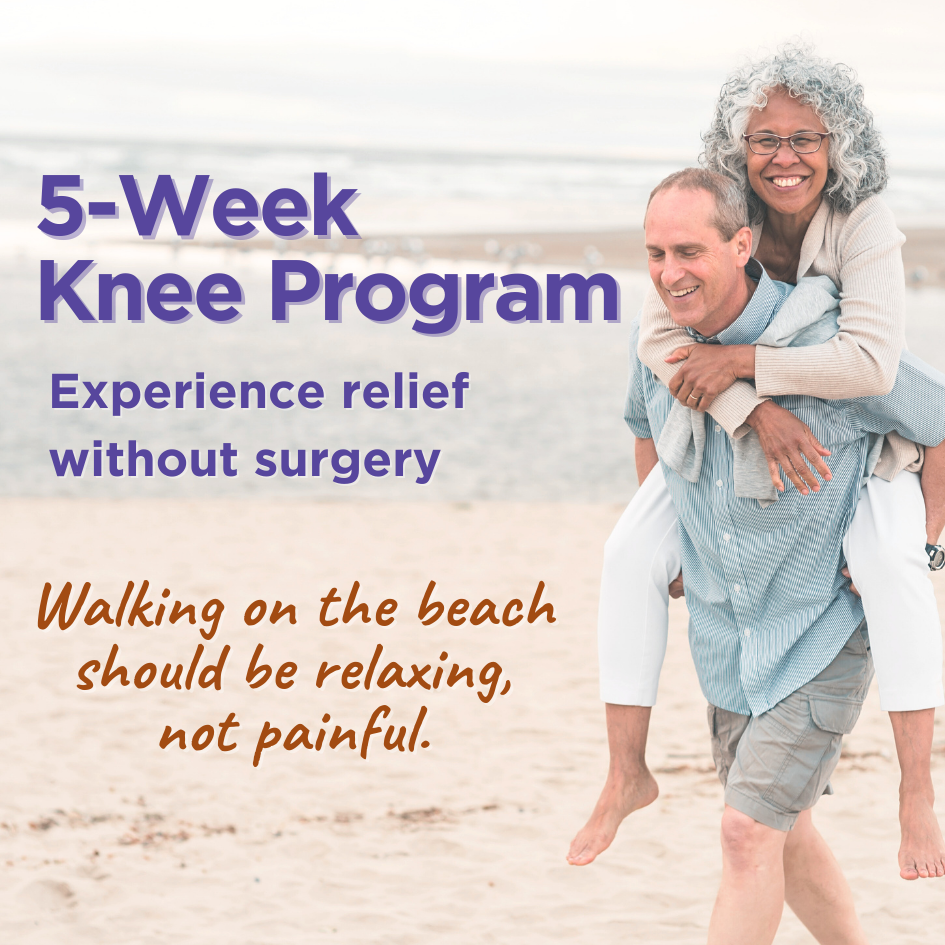
Chronic knee pain is more than just uncomfortable. For many, knee discomfort, osteoarthritis or bone-on-bone aching can be debilitating and prevent you from easily doing everyday activities such as getting out of bed, walking or completing chores.
Strolling along the beach, playing sports or enjoying quality time with family now feels impossible, and you are left wondering how to find relief. While many people think that surgery is their only choice to resolve pain and restore mobility, this complex and often expensive decision is not your only option. In fact, there are more alternatives now than ever before.
“When grappling with knee pain or deteriorating knee function, the assumption that surgery is the only solution is a common misconception,” says White-Wilson Pain Medicine Nurse Practitioner Trena Rios. “While at one point in time surgery was the only long-term relief offered, there are a lot of new options out there today that can be just as effective with significantly less expense and recovery.
The important thing to understand is that knee pain is a nuanced issue with a bunch of underlying causes,” emphasizes APRN Rios. “Just because surgery is right for one person doesn’t mean it’s the best option for someone else.”
Doctors and patients agree that opting for surgery should be a final consideration after exploring other avenues, elaborates APRN Rios. While there is a prevailing notion that knee pain necessitates immediate surgery, that is just not the case.
Thanks to developments in orthopedic medical practice, patients are now offered several new approaches for effectively managing knee discomfort or preserving and improving knee function. In fact, many health care providers recommend considering alternatives before going straight to surgery.
Holistic Evaluation – Talk with your health care provider for a comprehensive assessment to pinpoint the root cause of the knee pain. This often involves delving into factors such as joint inflammation, muscle imbalances and ligament issues. Surgery may not be imperative if these elements can be effectively addressed through other methods.
Non-Surgical Approaches – Many cases of knee pain respond well to non-surgical interventions such as physical therapy, lifestyle adjustments, medical equipment and targeted exercises. These approaches can frequently alleviate pain and enhance functionality without resorting to invasive procedures. One example of a non-surgical approach isWhite-Wilson’s 5-Week Knee Program that combines lubricating injections with periods where a patient wears a brace over a span of a few weeks.
Pain Management Strategies – A broader exploration of pain management strategies exists that extends beyond surgery. This may include medications, injections or other therapeutic modalities designed to mitigate pain and improve mobility.
Tailored Treatment Plans – Every patient is unique, and their knee pains may stem from different factors, so crafting treatment plans tailored to individual needs ensures a more personalized approach to knee pain management.
“Surgery is not a one-size-fits-all solution,” emphasizes APRN Rios. “It’s important to explore other options first and reserve surgical intervention for instances where other methods prove insufficient.”
Ultimately, APRN Rios explains that declines in function or knee pain doesn’t invariably demand surgery, and today’s new, alternative approaches should be explored before opting for a more invasive procedure. She encourages individuals struggling with pain to seek a comprehensive assessment and personalized treatment plan.
“By dispelling this myth that surgery is the only answer, patients can let go of some fears and make more informed decisions about their knee health and overall wellbeing,” says APRN Rios. “This is why we are proud at White-Wilson to now offer our patients a short, 5-week program focused on reducing knee pain without surgery.”
APRN Rios stresses the importance of talking with a primary care provider or seeking advice from a pain management specialist to learn more about the new relief options available. To learn more about White-Wilson and treatment options, click here.
Trena Rios, APRN, is a registered nurse practitioner at the White-Wilson Pain Medicine Clinic in Fort Walton beach. She believes that equipping patients with comprehensive information about their condition and using the latest, noninvasive treatment options can be key to restoring patients’ activity, comfort and quality of life. Learn more about APRN Rios and her approach to patient care here.
For those who take more than one prescription or supplement, it can be tricky to keep track of everything. Yet, maintaining an up-to-date list of all medications you take is important to achieve a successful health care experience. This practice – called medication reconciliation – is a crucial step that shouldn’t be overlooked.
Understanding Medication Reconciliation
Medication reconciliation involves reviewing and creating an accurate list of all medications a patient is taking. This typically includes all prescription medications, over-the-counter drugs, vitamins, herbals, supplements and more.
Essentially, medication reconciliation is a practice used to better understand how medications interact and affect your body. Undergoing this step promotes active engagement in your health care journey and gives you a better understanding of what you do and don’t need.
Plus, ensuring an up-to-date medication list is fundamental for effective health management because it prevents potential adverse reactions, helps identify duplications and guides your doctor when create a comprehensive and effective treatment plan.
Why It Matters, Especially for Seniors
Medication reconciliation plays a crucial role in the health of seniors specifically. Changes in medications, dosage or combining different drugs can have significant effects on older adults, but completing a reconciliation process will ultimately increase the safety of drugs prescribed over time while eliminating any discrepancies.
Seniors, due to age-related changes, may experience heightened vulnerability to medication-related issues. They are also more likely to take a larger number of prescriptions and supplements, which is why it is always recommended to complete a regular reconciliation to minimize risks and enhance overall outcomes.
Seniors are also more likely to be admitted to the hospital, which is where a transition in their medication regimen is most likely to occur. A reconciliation will be conducted to ensure accurate and safe medication administration during the hospital stay.
This process will also involve comparing the patient’s current medication list with what is being prescribed during the hospitalization. Any changes made by the hospital team will be taken into account, but it is important to always talk with your primary care provider after an event such as hospitalization.
Simple Steps for Medication Reconciliation
While your primary care provider can help you get started with the medication reconciliation process, follow these simple steps to achieve the best results:
Compile a Comprehensive List: Maintain an accurate record of all prescribed and over-the-counter medications, including vitamins and supplements.
Communicate Changes: Keep your primary care provider informed about any changes in your medications, dosage adjustments or new additions.
Regular Check-Ins: Schedule periodic medication reviews with your health care provider to ensure your treatment plan aligns with your current health status.
Seek Professional Guidance
Medication management and reconciliation can be overwhelming at first, so don’t hesitate to seek guidance. Your doctor can offer clarity, address any concerns and create a tailored medication plan that will suit your unique needs.
Overall, medication reconciliation is not just about managing a list of drugs; it’s about taking control of your health narrative. Understanding and actively participating in your health care will lead to better long-term outcomes and leave you feeling empowered.
To learn more about medication reconciliation and how it can benefit you, be sure to speak with your White-Wilson primary care provider.
Allergy tests play a crucial role in identifying and managing allergic reactions, providing individuals with valuable insight into their body’s immune responses. According to White-Wilson Certified Physician Assistant Jennifer Bendokas, an experienced Ear, Nose, and Throat (ENT) specialist, these tests are pivotal in uncovering potential allergens that may be triggering various symptoms.
What is an Allergy Test?
An allergy test is a diagnostic procedure designed to identify specific substances, known as allergens, that provoke an immune response in the body. There are various types of allergy tests, with the two most common being skin tests and blood tests.
Skin Tests: Skin tests involve introducing a small amount of allergen into the skin to observe the body’s reaction. This can be done through pricking the skin (skin prick test) or injecting a tiny amount under the skin (intradermal test). Reactions, such as redness or swelling, indicate an allergy.
Blood Tests: Blood tests, like the specific IgE test, measure the presence of antibodies (immunoglobulin E or IgE) in the blood in response to specific allergens. A higher level of IgE antibodies suggests an allergic reaction.
“Conducting an allergy test is extremely useful in pinpointing the root cause of allergic symptoms for a patient,” elaborates PA Bendokas. “Before I can create a targeted and effective treatment plan, I need to know what specifically you are allergic to. The allergy test does just that.”
What Does an Allergy Test Tell Us?
Allergy tests provide valuable information about an individual’s sensitivities to various allergens. PA Bendokas explains that the results can help in the following ways:
Identifying Allergens: Allergy tests can pinpoint specific allergens, helping patients and health care professionals understand what substances trigger allergic reactions. This knowledge is essential for avoiding exposure and managing symptoms effectively.
Customized Treatment Plans: Armed with information about specific allergens, health care providers can tailor treatment plans to address the individual’s unique needs. What combinations of common allergens affect an individual is unique and so a treatment plan also needs to be unique to the patient. A plan might include allergen avoidance strategies, medications or immunotherapy.
Understanding Severity: The degree of the allergic reaction can vary, and allergy tests can provide insights into the severity of the sensitivity. This information guides health care professionals in determining the appropriate level of intervention and management.
Monitoring Progress: If you start a tailored treatment plan, it may be helpful to complete a follow-up allergy test to monitor how well the plan is working. Regular testing helps to assess any changes in sensitivities and adjust the management approach accordingly.
Should You Get an Allergy Test?
Whether you are suffering from seasonal allergies, skin or eye irritations, sinus infections, chronic coughing or asthma, it may be beneficial to get an allergy test. Once your allergens are identified, a treatment plan can be created based on your individual results and needs.
“These tests are an invaluable tool and aid in the identification and then the management of allergies,” says PA Bendokas. “By understanding your individual sensitivities, health care providers such as myself can take proactive steps toward ensuring you can enjoy a healthier and more comfortable life.”
PA Bendokas emphasizes that patients interested in an allergy test should talk to their primary care provider or seek advice from an ENT specialist. White-Wilson’s ENT Clinic now offers a comprehensive allergy relief program focused on providing adult and pediatric patients with a long-term solution to allergy issues. For more information, click here.
You wake up with a scratchy throat, and by lunchtime, swallowing feels like navigating a thorny maze. This discomfort is a familiar scenario for many of us, signaling the possibility of strep throat. But what exactly is “strep,” how do you determine if you really have it, and how does it find its way into our lives?
Strep throat, which is scientifically known as Streptococcal Pharyngitis, is primarily caused by the Streptococcus bacterium, explains White-Wilson Nurse Practitioner (APRN) Mary Jean Middleton. Among these bacteria, Group A Streptococcus (GAS) takes the spotlight as the culprit behind the majority of strep throat cases.
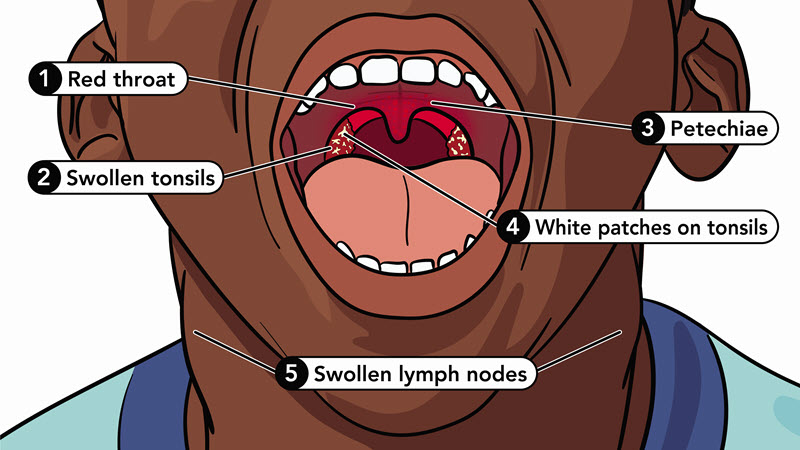
While we can’t see them with the naked eye, these bacteria are responsible for the unpleasant symptoms of strep, from a sore throat to fever and difficulty swallowing. Other telltale signs of strep are red or swollen tonsils, white patches of pus at the back of the throat and small, red spots on the roof of the mouth.
Source: Centers for Disease Control and Prevention
Although APRN Middleton clarifies that the infection is more common in children than adults, it is still an illness known for a high level of contagion that everyone should be cautious of.
“It doesn’t need an elaborate plan to spread; it thrives on close human contact,” says APRN Middleton. “When an infected person coughs or sneezes, they release tiny respiratory droplets that may contain the strep bacteria, and if you happen to be in the vicinity, you could inhale these infectious droplets, leading to a potential infection.”
APRN Middleton warns that the bacteria can also linger on surfaces such as doorknobs, keyboards and other objects, so it is important to be extra cautious if you are infected or are around someone who is. Understanding the modes of transmission is key to preventing strep throat, and practicing simple hygiene can go a long way in safeguarding yourself and those around you.
Below are some simple steps APRN Middleton suggests patients keep in mind:
Handwashing – Regular handwashing with soap and warm water for at least 20 seconds can effectively remove bacteria from your skin. Be especially diligent after coughing, sneezing or touching surfaces in public places.
Disinfection – Clean and disinfect commonly touched surfaces in your home and workplace regularly. This can help eliminate any lurking bacteria.
Respiratory Etiquette – Cover your nose and mouth with a tissue or your elbow when you cough or sneeze. Dispose of used tissues properly to prevent the spread of germs.
Avoid Close Contact – If you know someone has strep throat, try to maintain some distance form them until they’ve completed a course of antibiotics. This can significantly reduce the risk of transmission.
Should you suspect you have strep throat, APRN Middleton emphasizes it is essential to consult a health care professional for proper diagnosis and treatment. Once diagnosed, strep throat is typically treated with antibiotics, which can effectively clear the infection and reduce the risk of complications, and taking the full course of antibiotics as prescribed is crucial to irradicate the bacteria.
“If you or someone you know experiences symptoms of strep throat, don’t hesitate to seek medical attention,” says APRN Middleton. “Our Immediate Care team treats strep throat frequently, and we have recently upgraded our equipment to allow us to more quickly process cultures and determine what exactly is causing you discomfort. With a timely diagnosis and appropriate treatment, you can recover quickly and minimize the risk of spreading the infection to others.”
Mary Jane Middleton, APRN is a registered nurse practitioner with White-Wilson Medical Center’s Immediate Care team. She is passionate about listening and allowing the patient to fully express what brings them in before drawing conclusions. Learn more about APRN Middleton and her approach to patient care here.
When we talk about respiratory illnesses, we often think of common culprits like the flu or cold. But there’s one condition that doesn’t receive as much attention, and yet it is more prevalent than you might imagine – Respiratory Syncytial Virus (RSV). Because it is often associated with children, it leads many to wonder: Is RSV something just kids can get?
First, it’s important to understand what exactly RSV is. White-Wilson Immediate Care Nurse Practitioner Tamara McKelvy explains that RSV is a viral infection that primarily affects the respiratory system. It’s highly contagious and can lead to a range of symptoms, from a runny nose and cough to severe respiratory distress.
In children, particularly infants, it can cause bronchiolitis and pneumonia, sometimes necessitating hospitalization. However, the impact of RSV doesn’t stop with the younger population.
“Yes, RSV is a significant concern for children, especially those under the age of 2 who are in daycare or school settings,” says APRN McKelvy. “But this is where the perception that it is just a children’s illness arises. While it’s true that children are more vulnerable to severe RSV-related illnesses, it’s important to understand that the myth about RSV no longer being a concern once you pass a certain age is just that – a myth.”
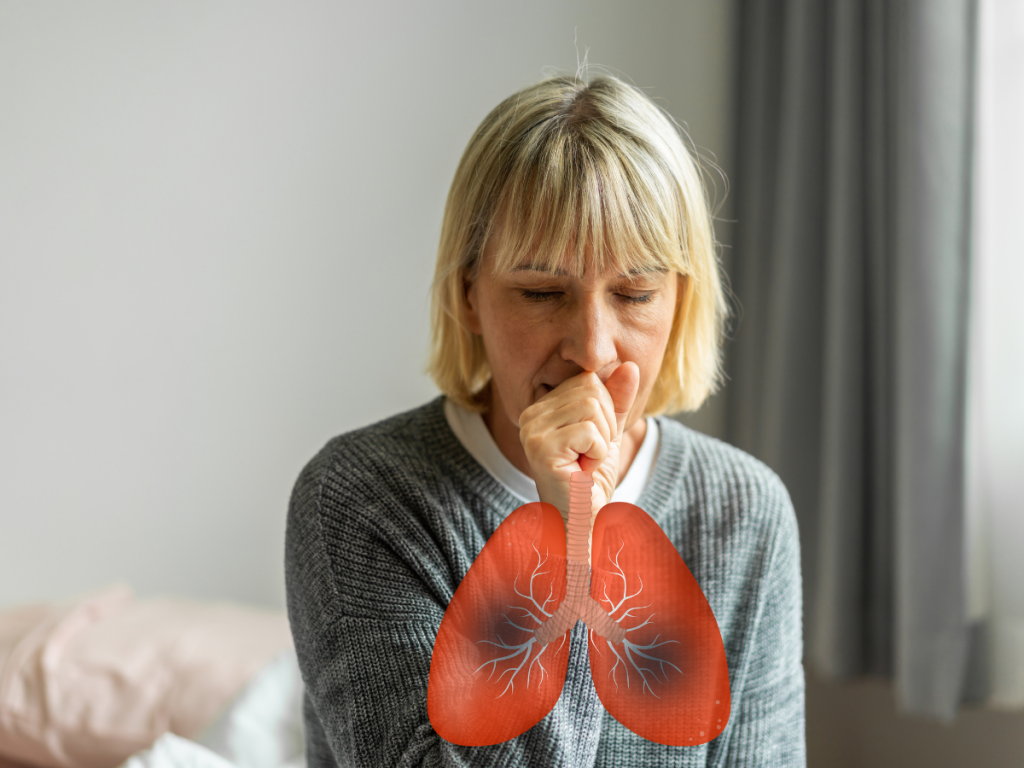
Contrary to popular belief, RSV can affect people of all ages, including healthy adults, elaborates APRN McKelvy. While the symptoms in adults are typically milder, they can still be quite uncomfortable – runny nose, cough and fever are common complaints. In some cases, it can lead to more serious complications (such as pneumonia), especially in older adults and those with weakened immune systems or underlying health conditions.
“As we age, our immune systems may not be as robust as they once were,” says APRN McKlvy. “For adults 60 and over, RSV can be a particularly severe and sometimes life-threatening illness. It’s also common for it to be mistaken as a cold or the flu, which can delay proper diagnosis and treatment.”
The virus is highly transmissible and can be easily passed from person to person through respiratory droplets when an infected person coughs or sneezes. So, if you are a caregiver, grandparent or simply spending time with children, you could be at a higher risk of contracting RSV.
In order to protect both children and adults, APRN McKelvy recommends taking preventive measures. Frequent handwashing, avoiding close contact with sick individuals and practicing good respiratory hygiene are all effective ways to reduce the risk of transmission.
The CDC recommends several additional measures for those who are considered high-risk. For infants and toddlers, an RSV vaccine can be given during pregnancy or an RSV antibody immunization after birth depending on the child’s age and the season. For older adults, an RSV vaccine can be received to reduce serious illness as a result of catching the virus.
Source: Centers for Disease Control and Prevention
“The bottom line is that everyone is susceptible to catching RSV,” says APRN McKelvy “While children may bear the brunt of severe RSV-related illness, adults, especially those over 60, are not immune to its impact. Recognizing the potential dangers of the virus beyond childhood is the first step in protecting ourselves and our loved ones.”
APRN McKelvy emphasizes that most RSV infections go away on their own in a week or two, but it is important to speak to your health care provider and take necessary steps to manage fever and pain and drink plenty of fluids. If you have difficulty breathing, staying hydrated or begin experiencing worsening symptoms, be sure to seek medical care as soon as possible.
“We have already seen a lot of illness this year, particularly strep throat, flu and RSV, but helping to determine what illness patients have and what is going to be most effective at helping them feel better fast, is what our Immediate Care team is here for,” reminds APRN McKelvy.
Tamara McKelvy, APRN is a registered nurse practitioner with White-Wilson Medical Center Immediate Care Clinic in Crestview. She has three decades of experience caring for patients with urgent and emergency conditions and enjoys providing patients with quick and impactful answers when they are sick or injured. Learn more about APRN McKelvy and her approach to patient care here.
Winter can be a magical season, with its joyful festivities and cozy evenings by the fire. However, for some, it also brings along a less enchanting phenomenon – nosebleeds. If you’ve ever wondered why your nose seems to be more prone to bleeding during the cooler months, or if you’re seeking tips to prevent and manage these pesky occurrences, this article is for you.
Why do nosebleeds occur more in winter?
“Dry, cold air in winter can cause our bodies to react in different ways,” says White-Wilson Certified Physician Assistant (PA-C) Jennifer Bendokas. “Nosebleeds are a common reaction brought about by the lower humidity levels that this time of year brings.”
Dryness caused by lack of humidity that occurs seasonally is compounded by the dry air produced by heaters, this can cause the delicate blood vessels in the nose to become more susceptible to breaking, leading to nosebleeds. However, PA Bendokas explains that there are several steps you can take to reduce their occurrences:
Tips for Prevention
Humidify Your Home – Use a humidifier to add moisture to indoor air. This will help keep the nasal passages from drying out.
Nasal Saline Spray – Regular use of a nasal saline spray can help keep the nasal passages moist and less prone to bleeding.
Stay Hydrated – Make sure to drink plenty of water throughout the day to maintain your body’s proper level of hydration.
Apply Nasal Ointment – Applying a thin layer of petroleum jelly or saline nasal ointment to the inside of your nostrils can help protect the nasal membranes.
Avoid Excessive Nose Picking – Scratching or picking your nose can lead to nosebleeds. Be gentle and avoid excessive contact with your nasal passages.
Dealing with a Nosebleed
“If you do get a nosebleed, it’s important not to panic,” says PA Bendokas. “They are usually nothing to worry about, and taking simple steps will help to quickly stop the bleed.”
If you or your child begins to experience a nosebleed, here’s what to do:
Sit or stand in a comfortable position, and use a tissue or damp washcloth to soak up the blood.
Do not lean your head back. Instead, lean slightly forward to prevent blood from running down the throat.
Gently pinch your nostrils together and maintain that pressure for 10 to 15 minutes. Once the bleeding has stopped, avoid rubbing or blowing your nose.
If the nosebleed doesn’t stop after 20 to 30 minutes or is particularly severe, seek medical attention.
During the scorching summer months, your body will utilize more oxygen than normal to regulate body temperature, explains APRN Cusson. Thus, you tend to breathe in large amounts of pollen, water vapor and pollution, all of which are in excess quantities anyway due to the hot temperatures causing plants to bloom, humidity levels to be higher and pollution to become more easily trapped in the ambient air.