Author: admin

  • What is an allergy test and what does it tell us

    Allergy tests play a crucial role in identifying and managing allergic reactions, providing individuals with valuable insight into their body’s immune responses. According to White-Wilson Certified Physician Assistant Jennifer Bendokas, an experienced Ear, Nose, and Throat (ENT) specialist, these tests are pivotal in uncovering potential allergens that may be triggering various symptoms.

    What is an Allergy Test?

    An allergy test is a diagnostic procedure designed to identify specific substances, known as allergens, that provoke an immune response in the body. There are various types of allergy tests, with the two most common being skin tests and blood tests.

    • Skin Tests: Skin tests involve introducing a small amount of allergen into the skin to observe the body’s reaction. This can be done through pricking the skin (skin prick test) or injecting a tiny amount under the skin (intradermal test). Reactions, such as redness or swelling, indicate an allergy.
    • Blood Tests: Blood tests, like the specific IgE test, measure the presence of antibodies (immunoglobulin E or IgE) in the blood in response to specific allergens. A higher level of IgE antibodies suggests an allergic reaction.

    “Conducting an allergy test is extremely useful in pinpointing the root cause of allergic symptoms for a patient,” elaborates PA Bendokas. “Before I can create a targeted and effective treatment plan, I need to know what specifically you are allergic to. The allergy test does just that.” 

    What Does an Allergy Test Tell Us?

    Allergy tests provide valuable information about an individual’s sensitivities to various allergens. PA Bendokas explains that the results can help in the following ways:

    1. Identifying Allergens: Allergy tests can pinpoint specific allergens, helping patients and health care professionals understand what substances trigger allergic reactions. This knowledge is essential for avoiding exposure and managing symptoms effectively.
    2. Customized Treatment Plans: Armed with information about specific allergens, health care providers can tailor treatment plans to address the individual’s unique needs. What combinations of common allergens affect an individual is unique and so a treatment plan also needs to be unique to the patient. A plan might include allergen avoidance strategies, medications or immunotherapy.
    3. Understanding Severity: The degree of the allergic reaction can vary, and allergy tests can provide insights into the severity of the sensitivity. This information guides health care professionals in determining the appropriate level of intervention and management.
    4. Monitoring Progress: If you start a tailored treatment plan, it may be helpful to complete a follow-up allergy test to monitor how well the plan is working. Regular testing helps to assess any changes in sensitivities and adjust the management approach accordingly.

    Should You Get an Allergy Test?

    Whether you are suffering from seasonal allergies, skin or eye irritations, sinus infections, chronic coughing or asthma, it may be beneficial to get an allergy test. Once your allergens are identified, a treatment plan can be created based on your individual results and needs. 

    “These tests are an invaluable tool and aid in the identification and then the management of allergies,” says PA Bendokas. “By understanding your individual sensitivities, health care providers such as myself can take proactive steps toward ensuring you can enjoy a healthier and more comfortable life.” 

    PA Bendokas emphasizes that patients interested in an allergy test should talk to their primary care provider or seek advice from an ENT specialist. White-Wilson’s ENT Clinic now offers a comprehensive allergy relief program focused on providing adult and pediatric patients with a long-term solution to allergy issues. For more information, click here. 


    Jennifer Bendokas, PA-C is a certified physician assistant with White-Wilson Medical Center’s Otolaryngology (Ear, Nose & Throat) team. She is passionate about helping patients address sinus and allergy issues. Learn more about PA  Bendokas and her approach to patient care here. 

  • Understanding Strep Throat: Causes and Contagion

    You wake up with a scratchy throat, and by lunchtime, swallowing feels like navigating a thorny maze. This discomfort is a familiar scenario for many of us, signaling the possibility of strep throat. But what exactly is “strep,” how do you determine if you really have it, and how does it find its way into our lives? 

    Strep throat, which is scientifically known as Streptococcal Pharyngitis, is primarily caused by the Streptococcus bacterium, explains White-Wilson Nurse Practitioner (APRN) Mary Jean Middleton. Among these bacteria, Group A Streptococcus (GAS) takes the spotlight as the culprit behind the majority of strep throat cases. 

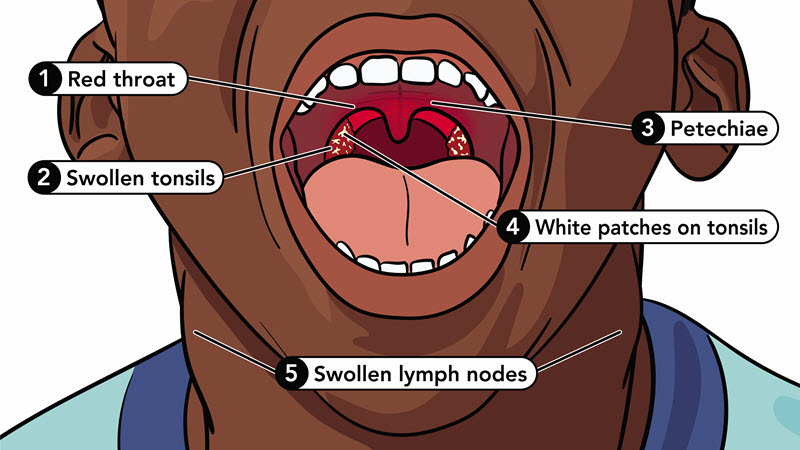
    While we can’t see them with the naked eye, these bacteria are responsible for the unpleasant symptoms of strep, from a sore throat to fever and difficulty swallowing. Other telltale signs of strep are red or swollen tonsils, white patches of pus at the back of the throat and small, red spots on the roof of the mouth. 

    Source: Centers for Disease Control and Prevention

    Although APRN Middleton clarifies that the infection is more common in children than adults, it is still an illness known for a high level of contagion that everyone should be cautious of.  

    “It doesn’t need an elaborate plan to spread; it thrives on close human contact,” says APRN Middleton. “When an infected person coughs or sneezes, they release tiny respiratory droplets that may contain the strep bacteria, and if you happen to be in the vicinity, you could inhale these infectious droplets, leading to a potential infection.” 

    APRN Middleton warns that the bacteria can also linger on surfaces such as doorknobs, keyboards and other objects, so it is important to be extra cautious if you are infected or are around someone who is. Understanding the modes of transmission is key to preventing strep throat, and practicing simple hygiene can go a long way in safeguarding yourself and those around you. 

    Below are some simple steps APRN Middleton suggests patients keep in mind:

    • Handwashing – Regular handwashing with soap and warm water for at least 20 seconds can effectively remove bacteria from your skin. Be especially diligent after coughing, sneezing or touching surfaces in public places.
    • Disinfection – Clean and disinfect commonly touched surfaces in your home and workplace regularly. This can help eliminate any lurking bacteria. 
    • Respiratory Etiquette – Cover your nose and mouth with a tissue or your elbow when you cough or sneeze. Dispose of used tissues properly to prevent the spread of germs. 
    • Avoid Close Contact – If you know someone has strep throat, try to maintain some distance form them until they’ve completed a course of antibiotics. This can significantly reduce the risk of transmission. 

    Should you suspect you have strep throat, APRN Middleton emphasizes it is essential to consult a health care professional for proper diagnosis and treatment. Once diagnosed, strep throat is typically treated with antibiotics, which can effectively clear the infection and reduce the risk of complications, and taking the full course of antibiotics as prescribed is crucial to irradicate the bacteria.

    “If you or someone you know experiences symptoms of strep throat, don’t hesitate to seek medical attention,” says APRN Middleton. “Our Immediate Care team treats strep throat frequently, and we have recently upgraded our equipment to allow us to more quickly process cultures and determine what exactly is causing you discomfort. With a timely diagnosis and appropriate treatment, you can recover quickly and minimize the risk of spreading the infection to others.” 


    Mary Jane Middleton, APRN is a registered nurse practitioner with White-Wilson Medical Center’s Immediate Care team. She is passionate about listening and allowing the patient to fully express what brings them in before drawing conclusions. Learn more about APRN Middleton and her approach to patient care here. 

  • Myth Busters: RSV is something only kids get

    When we talk about respiratory illnesses, we often think of common culprits like the flu or cold. But there’s one condition that doesn’t receive as much attention, and yet it is more prevalent than you might imagine – Respiratory Syncytial Virus (RSV). Because it is often associated with children, it leads many to wonder: Is RSV something just kids can get?

    First, it’s important to understand what exactly RSV is. White-Wilson Immediate Care Nurse Practitioner Tamara McKelvy explains that RSV is a viral infection that primarily affects the respiratory system. It’s highly contagious and can lead to a range of symptoms, from a runny nose and cough to severe respiratory distress. 

    In children, particularly infants, it can cause bronchiolitis and pneumonia, sometimes necessitating hospitalization. However, the impact of RSV doesn’t stop with the younger population. 

    “Yes, RSV is a significant concern for children, especially those under the age of 2 who are in daycare or school settings,” says APRN McKelvy. “But this is where the perception that it is just a children’s illness arises. While it’s true that children are more vulnerable to severe RSV-related illnesses, it’s important to understand that the myth about RSV no longer being a concern once you pass a certain age is just that – a myth.” 

    Contrary to popular belief, RSV can affect people of all ages, including healthy adults, elaborates APRN McKelvy. While the symptoms in adults are typically milder, they can still be quite uncomfortable – runny nose, cough and fever are common complaints. In some cases, it can lead to more serious complications (such as pneumonia), especially in older adults and those with weakened immune systems or underlying health conditions. 

    “As we age, our immune systems may not be as robust as they once were,” says APRN McKlvy. “For adults 60 and over, RSV can be a particularly severe and sometimes life-threatening illness. It’s also common for it to be mistaken as a cold or the flu, which can delay proper diagnosis and treatment.” 

    The virus is highly transmissible and can be easily passed from person to person through respiratory droplets when an infected person coughs or sneezes. So, if you are a caregiver, grandparent or simply spending time with children, you could be at a higher risk of contracting RSV. 

    In order to protect both children and adults, APRN McKelvy recommends taking preventive measures. Frequent handwashing, avoiding close contact with sick individuals and practicing good respiratory hygiene are all effective ways to reduce the risk of transmission. 

    The CDC recommends several additional measures for those who are considered high-risk. For infants and toddlers, an RSV vaccine can be given during pregnancy or an RSV antibody immunization after birth depending on the child’s age and the season. For older adults, an RSV vaccine can be received to reduce serious illness as a result of catching the virus.  

    Source: Centers for Disease Control and Prevention

    “The bottom line is that everyone is susceptible to catching RSV,” says APRN McKelvy “While children may bear the brunt of severe RSV-related illness, adults, especially those over 60, are not immune to its impact. Recognizing the potential dangers of the virus beyond childhood is the first step in protecting ourselves and our loved ones.”  

    APRN McKelvy emphasizes that most RSV infections go away on their own in a week or two, but it is important to speak to your health care provider and take necessary steps to manage fever and pain and drink plenty of fluids. If you have difficulty breathing, staying hydrated or begin experiencing worsening symptoms, be sure to seek medical care as soon as possible. 

    “We have already seen a lot of illness this year, particularly strep throat, flu and RSV, but helping to determine what illness patients have and what is going to be most effective at helping them feel better fast, is what our Immediate Care team is here for,” reminds APRN McKelvy. 


    Tamara McKelvy, APRN is a registered nurse practitioner with White-Wilson Medical Center Immediate Care Clinic in Crestview. She has three decades of experience caring for patients with urgent and emergency conditions and enjoys providing patients with quick and impactful answers when they are sick or injured. Learn more about APRN McKelvy and her approach to patient care here. 

  • How to Reduce Winter Nosebleeds

    Winter can be a magical season, with its joyful festivities and cozy evenings by the fire. However, for some, it also brings along a less enchanting phenomenon – nosebleeds.  If you’ve ever wondered why your nose seems to be more prone to bleeding during the cooler months, or if you’re seeking tips to prevent and manage these pesky occurrences, this article is for you. 

    Why do nosebleeds occur more in winter?

    “Dry, cold air in winter can cause our bodies to react in different ways,” says White-Wilson Certified Physician Assistant (PA-C) Jennifer Bendokas. “Nosebleeds are a common reaction brought about by the lower humidity levels that this time of year brings.” 

    Dryness caused by lack of humidity that occurs seasonally is compounded by the dry air produced by heaters, this can cause the delicate blood vessels in the nose to become more susceptible to breaking, leading to nosebleeds. However, PA Bendokas explains that there are several steps you can take to reduce their occurrences:

    Tips for Prevention 

    • Humidify Your Home – Use a humidifier to add moisture to indoor air. This will help keep the nasal passages from drying out. 
    • Nasal Saline Spray – Regular use of a nasal saline spray can help keep the nasal passages moist and less prone to bleeding. 
    • Stay Hydrated – Make sure to drink plenty of water throughout the day to maintain your body’s proper level of hydration.
    • Apply Nasal Ointment – Applying a thin layer of petroleum jelly or saline nasal ointment to the inside of your nostrils can help protect the nasal membranes. 
    • Avoid Excessive Nose Picking – Scratching or picking your nose can lead to nosebleeds. Be gentle and avoid excessive contact with your nasal passages. 

    Dealing with a Nosebleed

    “If you do get a nosebleed, it’s important not to panic,” says PA Bendokas. “They are usually nothing to worry about, and taking simple steps will help to quickly stop the bleed.”

    If you or your child begins to experience a nosebleed, here’s what to do:

    1. Sit or stand in a comfortable position, and use a tissue or damp washcloth to soak up the blood. 
    2. Do not lean your head back. Instead, lean slightly forward to prevent blood from running down the throat. 
    3. Gently pinch your nostrils together and maintain that pressure for 10 to 15 minutes. Once the bleeding has stopped, avoid rubbing or blowing your nose.
    4. If the nosebleed doesn’t stop after 20 to 30 minutes or is particularly severe, seek medical attention. 

    During the scorching summer months, your body will utilize more oxygen than normal to regulate body temperature, explains APRN Cusson. Thus, you tend to breathe in large amounts of pollen, water vapor and pollution, all of which are in excess quantities anyway due to the hot temperatures causing plants to bloom, humidity levels to be higher and pollution to become more easily trapped in the ambient air. 


    Jennifer Bendokas, PA-C is a certified physician assistant with White-Wilson Medical Center’s Otolaryngology (Ear, Nose & Throat) team. She is passionate about helping patients address sinus and allergy issues. Learn more about PA  Bendokas and her approach to patient care here. 
  • Cooling off with Healthy Lungs: Experience a Breathable Summer Season 

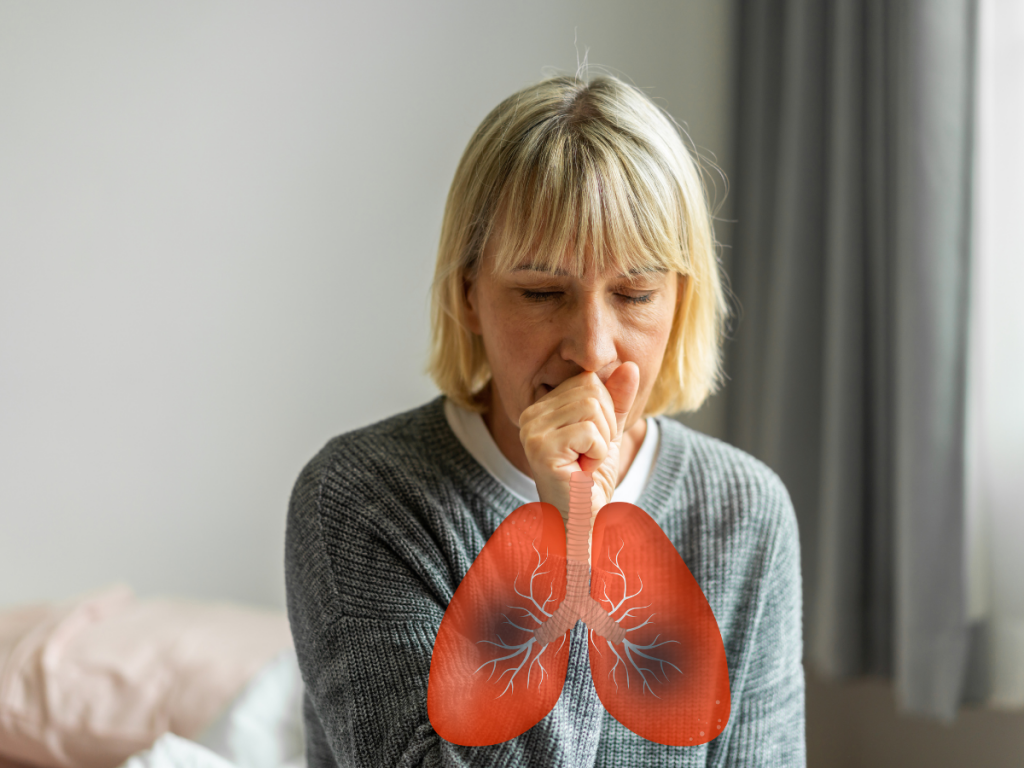
    As the summer heat rolls in, it becomes increasingly important to stay in tune with our bodies. The most common thought that comes to mind is wearing sunscreen and protective gear, such as hats and sunglasses, to shield our skin from harmful UV rays. However, many people forget that it is also necessary to prioritize lung health amid the sweltering season. 

    “The summer months can be challenging when it comes to lung health,” says White-Wilson Advance Practice Registered Nurse (APRN) Ashley “Nani” Cusson. “While those with respiratory conditions like asthma or chronic obstructive pulmonary disease need to be especially mindful, the effects of our environment can cause lung issues for anyone who isn’t taking the right precautions.”

    During the scorching summer months, your body will utilize more oxygen than normal to regulate body temperature, explains APRN Cusson. Thus, you tend to breathe in large amounts of pollen, water vapor and pollution, all of which are in excess quantities anyway due to the hot temperatures causing plants to bloom, humidity levels to be higher and pollution to become more easily trapped in the ambient air. 

    “Breathing in an excess amount of these can cause irritation of the nasal cavity and lungs, as well increase the likelihood of coughing, breathing difficulties or shortness of breath,” continues APRN Cusson. “Thankfully, there are steps we can take to safeguard our lungs during this time of year.”   

    • Stay Hydrated: Hot weather can make you sweat, causing dehydration. Ensure you’re drinking enough fluids, especially water, throughout the day to ensure your body is getting the hydration it needs to promote proper lung function. 
    • Practice Sun Safety: Protecting yourself from UV rays will indirectly benefit your respiratory system because it will help regulate your body temperature and avoid the possibility of overheating. Apply board-spectrum sunscreen, wear protective clothing and avoid being out for long periods of time or during peak heat times. 
    • Check the Weather: Daily weather forecasts typically show air quality indexes, including heat waves, pollen count and smog or pollution levels. Be sure to use this forecast to plan your activities for the day. 
    • Keep the Inside Cool & Clean: Use air conditioners to help remove moisture and keep temperatures low but be sure to routinely replace filters to avoid circulating indoor air pollutants. Regularly clean and dust, keep windows and doors closed and consider using air purifiers or plants that naturally improve air quality. 
    • Take Advantage of Indoor Activities: Engaging in indoor activities such as visiting a museum, library, store or gym will allow you to escape the heat and avoid overworking your lungs.  

    APRN Cusson emphasizes that, at the end of the day, taking action to minimize the potential for lung issues during this time of year is crucial. Although you should not feel that you must shelter inside during summer, it is nevertheless good to understand how to keep your lungs healthy while enjoying the weather. All in all, be sure to talk with your primary care provider for further explanation and guidance on your unique lung health needs and how your routines may be impacting your overall health and wellness.  


    Ashely Cusson, APRN provides comprehensive care with the White-Wilson Pulmonology, Critical Care & Sleep Medicine team in Fort Walton Beach. She believes that focusing on her patients’ health care needs and treatment plans, as well as making their visits with her comfortable and educational, allows her to provide the best care possible. Learn more about APRN Cusson and her approach to patient care here. 
  • Myth Busters: Cheap Sunglasses Don’t Offer Protection 

    It’s finally summertime and you’ve been waiting all week for the perfect beach weekend! The cooler is packed, sunscreen has been applied, floaties have been inflated and your favorite swimsuit is on. Next stop: paradise. 

    But wait! You’ve lost your sunglasses (again!) and need to quickly get a pair before beginning your staycation. Not to worry – the gas station sells them, so you run in to buy a pair. Yet, as you make your selection from the rack, you pause and wonder: Do cheap sunglasses actually offer protection? 

    “The best way to differentiate good sunglasses from bad sunglasses is by first understanding what ultraviolet radiation is and how it can be harmful,” says White-Wilson Ophthalmologist Dr. Julian Tokarev. 

    Ultraviolet (UV) radiation is a type of radiation that is present in sunlight. “It is known for allowing the body to produce vitamin D, an important vitamin for human health,” explains Dr. Tokarev. While it certainly has its benefits, exposure only in small quantities is recommended. In fact, The World Health Organization recommends 5 to 15 minutes of sun exposure two to three times every week. 

    “People typically associate UV radiation with a sunburn, which is why sunscreen should be applied to the skin prior to going out into the sun,” continues Dr. Tokarev. “However, your eyes are also susceptible to damage from UV radiation, which means wearing sunglasses is just as important.”  

    Failing to protect your eyes from sunlight can lead to long-term problems and even potentially blinding eye diseases, so ensuring you select the right pair of sunglasses is essential. That being said, just because a pair is inexpensive does not mean they are “bad sunglasses,” just like an expensive pair does not guarantee they are “good sunglasses.”

    “At the end of the day, what constitutes quality protection when it comes to sunglasses is the amount of UV rays that they block,” says Dr. Tokarev. “If you find a pair with a label that indicates UV 400 or 100% UV-blocking, this means it offers maximum defense and you will be good to go. It’s important not to settle for less because harm may occur.” 

    Dr. Tokarev emphasizes that there are many inexpensive sunglasses out there that offer full protection, but you just need to keep your eye out for a label and imprint that confirms this. Whether you are considering name brand or generic, be sure to check the level of UV protection and opt for the maximum. While you should also take into consideration additional features such as comfort, visibility and glare protection when making your selection, it shouldn’t be difficult to find a low-cost, adequate pair in a pinch. 


    Dr. Julian Tokarev leads the White-Wilson Medical Center Ophthalmology Clinic in Fort Walton Beach and cares for patients of all ages. He is a comprehensive ophthalmologist who is able to diagnose and treat a wide range of eye conditions in adults. Learn more about Dr. Tokarev and his approach to patient care here. 

  • Stomach Bug Survival Tips 

    Catching a stomach bug, also called viral gastroenteritis, is never fun. The sickness is most often associated with vomiting, diarrhea, fever, cramps and nausea, and it is unfortunately very common, especially among young children. While the sickness typically lasts a few hours to a few days, it is nevertheless important to be prepared if or when you or a family member catches it. 

    There are several viruses that can cause a stomach bug, explains White-Wilson Nurse Practitioner (APRN) Julie Powell. Two of the most common ones are norovirus and rotavirus, and they both are spread through close interaction with infected individuals and from contact with contaminated objects or surfaces. 

    “One of the most effective ways to prevent catching a stomach bug is through washing your hands regularly,” says APRN Powell. “Before eating, after using the bathroom and once arriving home from an outing will help. These types of viruses can spread quickly through a household, particularly if you have children. In that case, your best defense is to thoroughly clean high touch surface areas and doorhandles, remotes, cell phones, and toys.”

    If you or a family member does catch a stomach bug, APRN Powell recommends following these care tips:

    • Remain hydrated. Even if you are not able to keep solid foods down, be sure to frequently take small sips of water and an electrolyte solution, such as Gatorade or Pedialyte. Sucking on ice chips is another common way to help stay hydrated.
    • Avoid certain foods. Consuming foods such as caffeine, candy or ice cream may make symptoms like diarrhea worse. Instead, opt for soft and bland foods that are easy on the stomach such as chicken and vegetable soups and broths or plain crackers. 
    • Stay home and rest up. Illnesses such as this one can make you feel weak and tired, so it is important to give yourself time to regain your energy. Additionally, be sure to avoid contact with others to mitigate the potential spread of the virus. The CDC recommends staying home for two days after symptoms stop. 

    “While stomach bugs are usually treatable at home, be sure to seek additional care if you become dehydrated or your symptoms persist beyond three days,” stresses APRN Powell. “Our Immediate Care team treats stomach bugs frequently, but be sure to seek emergency medical care as soon as possible if your symptoms become worse.”


    Julie Powell, APRN is a registered nurse practitioner with White-Wilson Medical Center’s Immediate Care team. She prides herself on her attention to detail, being down-to-Earth and easy to talk to. Learn more about APRN Powell and her approach to patient care here. 

  • Myth Busters: Ice is the best way to relieve pain from a burn

    Picture this: You set your favorite dinner, fresh out of the oven, onto the counter to let it cool while you grab a plate and fix your drink. In the process of moving items around, you accidentally brush against the scalding hot dish, giving yourself a minor yet painful burn. Ouch! 

    Is your first reaction to pluck an ice cube out of your glass?

    Thankfully, the majority of first-degree burns can be treated at home. However, there are so many rumored remedies for tending to your red and stinging skin that you might be feeling overwhelmed trying to figure out which one is best. This could leave you asking: Is it okay to ice a burn? 

    A first-degree, or superficial, burn is one that only disturbs the outer layer of skin, explains White-Wilson Advance Practice Registered Nurse (APRN) Shawn Lee. Minor burns like this don’t typically create blisters, but they are usually red, dry and painful. It is important to properly treat them to avoid scarring or prolonged discomfort. 

    “While you should work to cool a burn immediately after it occurs, never place ice on it,” warns APRN Lee. “Because ice is extremely cold, it can actually cause damage to the skin tissue and increase your risk of an infection.”

    APRN Lee continues, “If you place ice on a burn, you will likely not be able to feel just how cold your skin gets. Making the skin too cold will lead to a decrease in blood flow, effectively depriving the tissue of oxygen and causing lasting harm.”

    Instead, place the burn under cool tap water or use a wet, cold compress, elaborates APRN Lee. Doing this for at least 10 to 20 minutes will reduce the stinging sensation as well as help decrease the possibility of scarring or swelling. Once the pain subsides and the skin has cooled, be sure to follow these steps for a full recovery:

    • Carefully apply moisturizer such as petroleum jelly or aloe vera gel to avoid drying out the skin. This will diminish soreness and the chance of infection.
    • Cover the area with a sterile nonstick bandage or dry cloth to protect it from additional damage. 
    • Use mild soap and antibiotic cream as needed to keep the area clean. 
    • Take over-the-counter pain medication such as ibuprofen or acetaminophen to subdue any persistent aching or inflammation. 

    “When in doubt, always err on the side of caution,” emphasizes APRN Lee. “Never use ice, and be sure to consult a health care professional if you are concerned. Our Immediate Care team treats these types of common injuries all the time and can work with you to help prevent infection or scarring. However, if you experience a severe burn, be sure to seek emergency medical care as soon as possible.” 

    This myth is busted!


    Shawn Lee, APRN provides care at White-Wilson Immediate Care in Niceville. Calming and decisive, she believes that communication, listening and explaining the rationale for treatment helps patients to be comfortable in making informed health-related decisions. Learn more about APRN Lee and her approach to patient care here.  

  • Women’s Wellness: The Importance of Self-Care

    For many women in their 20s, 30s and 40s, life is very demanding. Between working, caring for children and older family members, and tending to household needs, there seems to be little time for much else. When you are always focused on helping others, it quickly becomes easy to neglect your personal well-being. 

    “Women frequently disregard their own health for long periods of time because they tend to put others first such as their spouse, children, parents and friends,” says White-Wilson Advance Practice Registered Nurse (APRN) Mary Jean Middleton. “While proactively caring for yourself does consume precious time and energy, it is important to understand the benefits and how prioritizing your own needs can help you in the long-term.”

    Women at every age are faced with a multitude of life changes and challenges, both of which can be positive and negative, explains APRN Middleton. The status of parenting, family roles, metabolism, work, interpersonal relationships and hormones all fluctuate throughout a women’s life, and ignoring the body’s needs can often lead to heightened levels of stress or depression, as well as cause more serious health issues down the road.

    “Self-care looks different for everyone,” says Middleton. “For example, I have young children and work full-time, so taking a break with a paperback book or playing with my dog allows me some quiet time to myself and an opportunity to take stock of my physical and mental well-being. Making time for those activities helps me decompress and recharge so that I am ready to face whatever life throws my way next.”

    The benefits of maintaining your physical and mental wellness can include decreasing the risk of anxiety and depression, improving sleep, bolstering brain health and cognitive function, and benefiting the overall quality of life, elaborates APRN Middleton. Finding what works best for you and then sticking with it will help you discover and fulfill your unique needs.  

    Here are some simple examples of how you can include self-care in your day-to-day life:

    • Get moving. Walking, practicing yoga or playing a game can bolster heart health and decrease blood pressure levels.  Strive to get 30 minutes of moderate to intense exercise per day. This can be something as simple as a brisk walk. 
    • Read a book. Taking a break from your phone or computer screen can increase productivity, learning and awareness.  
    • Take a bath. Soaking in warm water before bed can elevate your mood and help you sleep better.
    • Get an annual check-up. An annual wellness exam is a time to address changes in your body and catch potential issues early. Putting these off will only lead to more stress and possibly more issues later. 

    APRN Middleton emphasizes that you should not underestimate the power of self-care. Always give yourself priority when divvying up your time and energy because doing so will ultimately strengthen your capacity to focus on those around you. Be sure to visit your primary care provider to receive your annual wellness exam as well as talk through any questions or concerns you may have about your overall health and wellness. 


    Mary Jean Middleton, APRN provides comprehensive care at White-Wilson Medical Center in Destin. She works with patients to treat and manage a wide range of urgent health conditions and offers same day appointments. Learn more about APRN Middleton and her approach to patient care here. 

  • A Senior’s Guide to Managing Stress

    Throughout our lifetime, we will inevitably experience stress or changes that cause physical, emotional or psychological strain. Feeling stress is common for everyone, but undergoing too much can be overwhelming, especially for seniors. This is why it is essential to understand common causes of stress as well as how it affects the body and how it can be managed.

    While seniors have likely had their fair share of stress over the years, moving into a new age range comes with its own unique set of challenges.  Stress for those 65 and older can show up in many forms and be both positive and negative. For example, positive stress may come from exciting life events such as retirement, weddings and births, and negative stress may come from pain or mobility issues, death of loved ones and financial dependence.

    “Seniors are typically more susceptible to adverse physical reactions when it comes to stress because of age-related changes to the body,” says White-Wilson Advance Practice Registered Nurse (APRN) Pamela Lee. “This is why it is important to identify stressors and work to reduce them as much as possible. Understanding how you are personally affected can lead to better long-term health outcomes.”

    In older adults, stress can cause health issues such as high blood pressure, diabetes and heart disease, warns APRN Lee. Recognizing whether your stress is physical, mental or emotional can help place you on the correct path to stress discovery and management.

    “For many patients, lowering stress levels can come from taking surprisingly simple steps,” says APRN Lee. “I always recommend establishing a healthy diet, participating in physical activity and setting aside time for mental reflection. These actions will improve your heart’s health while reducing the impacts of stress on the body.

    Healthy Eating Plate, Harvard T.H. Chan School of Public Health

    Eating a balanced diet can facilitate a healthy immune system and repair damaged cells. Harvard Medical School provides this example of a Healthy Eating Plate which explains how to create well-balanced meals.

    Consistent physical activity helps improve blood pressure, cholesterol levels and overall heart health. The American Heart Association recommends that adults participate in at least 150 minutes of physical activity every week. Several popular exercises among seniors include pickleball, walking and water aerobics. 

    Reflecting and connecting through meditation, yoga and journaling reduces muscular tension, calms the mind and slows the heart rate. Set aside some time each day to take a breath and focus on the positives. 

    “Once you have established these relieving practices, it is important to also remember that stress is normal function of life,” says APRN Lee. “In other words, stress is unavoidable at any age, but taking certain steps will help you to control or reduce the physical and mental strain it may cause.”

    APRN Lee emphasizes that stress can actually provide several cognitive benefits if it is managed properly. Always be aware of how your body responds to stress and the actions you take to control its affects. If you continue to experience issues related to stress, be sure to talk with your primary care provider for further explanation and guidance on your unique health and wellness needs.   

    Pamela Lee, APRN provides Internal Medicine care at White-Wilson Medical Center in Destin. Friendly and empathic, she helps her patients to be well-informed on their treatment options and works with them to make health-related decisions that will result in successful health outcomes. Learn more about APRN Lee and her approach to patient care here.