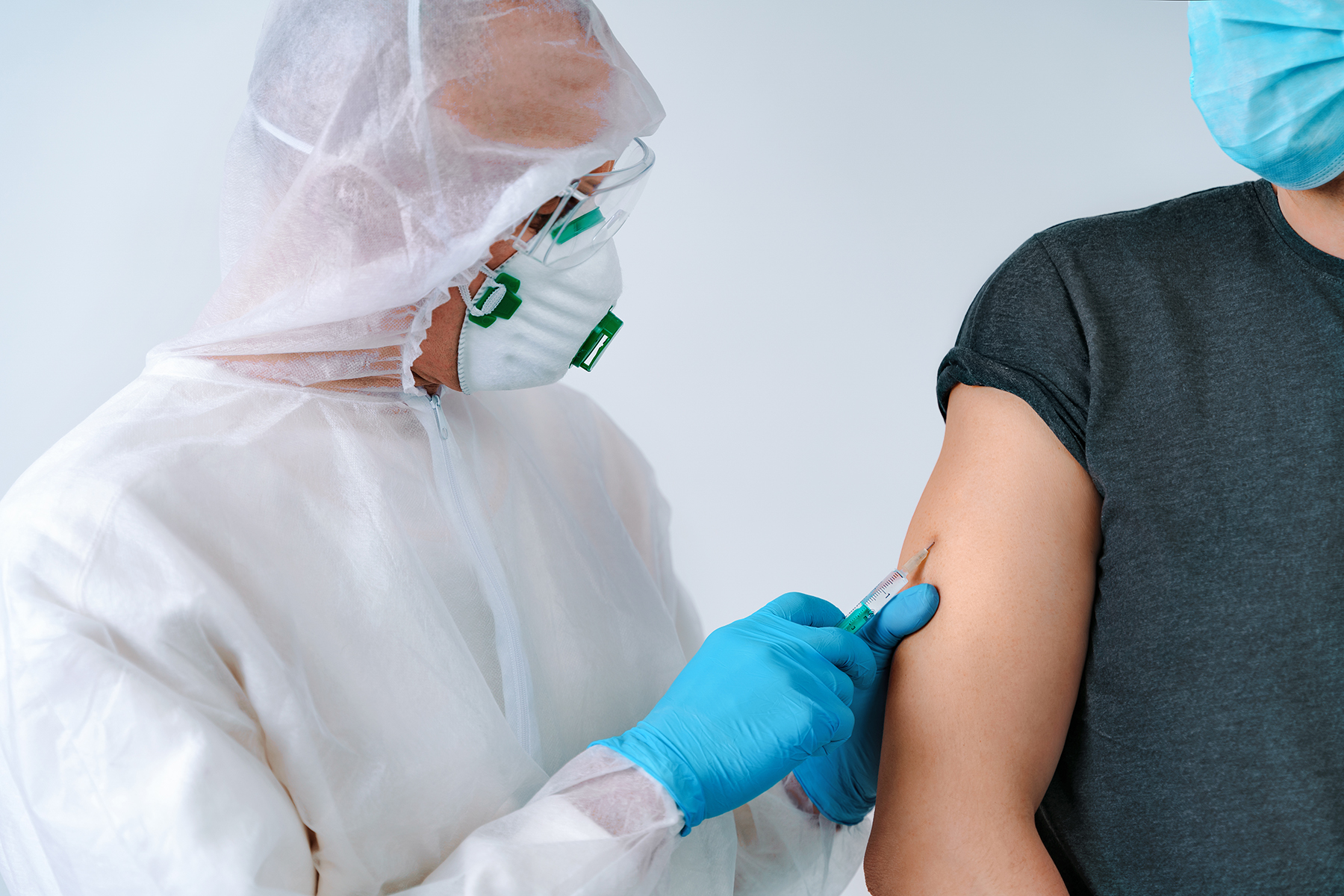
 It’s finally a new year. And as with every new year, it comes with new hope that we can leave the past behind us and usher in a better and brighter tomorrow. After the difficult year that was 2020, this has never been truer.
Luckily, leading the charge toward a happier and healthier 2021 is the COVID-19 vaccine, which, in recent weeks, has started being administered throughout the nation. The excitement for the vaccine is certainly palpable, with the belief that receiving it will mark a return to normal and the end of quarantining, social distancing and wearing masks. While that is a goal in the long run, it won’t be an instantaneous change.
“Even if you do receive the COVID-19 vaccine, you should continue to take precautions when it comes to protecting yourself and others from the disease,” says Dr. Chinh Vien Van of the White-Wilson Immediate Care Clinic. “It won’t be an on-and-off type of situation. Time is a necessary component as well.”
Vaccines work by stimulating your body’s immune system to develop antibodies used to fight virus.
“This process takes time,” explains Dr. Van. “It could be a week, it could be a month or longer, and during this time, it is possible that you may contract the virus and become sick. Further, both COVID-19 vaccines approved by the FDA require two doses to reach full effectiveness, administered either 21 days or 28 days apart. This also leaves time where you’re not fully protected you may become infected.”
Another aspect working against an instant fix is the vaccine’s level of effectiveness. Initial studies have shown high levels of effectiveness in the approved vaccines’ abilities to reduce/prevent severe illness. Less research has been done on the vaccines’ effectiveness in preventing a person from being able to transmit the disease. Scientists believe that it is likely for the vaccines to have some effectiveness at preventing transmission, but more study is necessary and even then, it is very unlikely that number will be 100%.
“There is always a chance that you or someone you know will fall into that percentage of exception,” says Dr. Van. “It is better to be safe than sorry and to use all the tools we have available to guard yourself and your loved ones from infection.”
“I have no doubt there will be a day that we can be rid of these increased restrictions,” he continues. “Whether it is in a few months or a year will, in part, depend on our willingness to continue taking protective measures while everyone waits to receive the vaccine. Until that time, we must all keep wearing our marks, social distancing and avoid gatherings to slow the spread of this virus.”
This myth is busted.
Dr. Chinh Vien Van is board-certified by the American Board of Family Medicine and practices at the White-Wilson Immediate Care Clinics in Crestview, Fort Walton Beach, Navarre and Niceville. White-Wilson Immediate Care Clinics are open seven days a week in Fort Walton Beach. Click here to learn more about Dr. Van and his approach to patient care, and view his video bio.
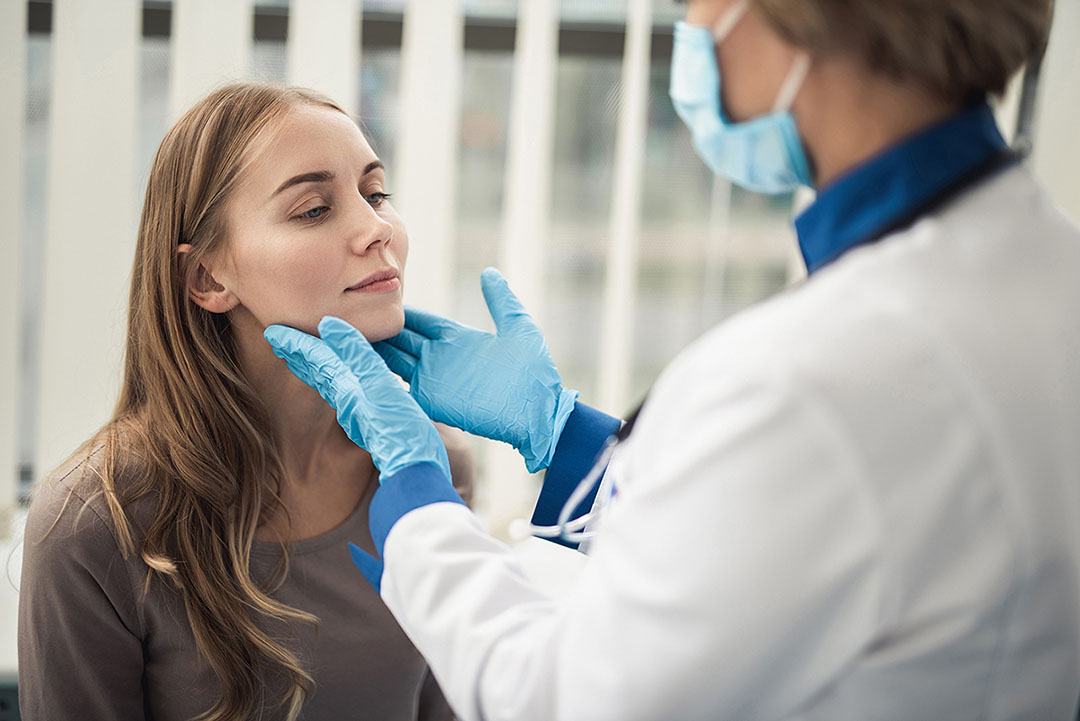
 Cold and flu season is well underway, and you may hear that, “you better make sure your hair is dry before going to sleep or outside, otherwise you’ll catch a cold.” This myth can be traced back for decades to when it was believed that wet sleeping conditions made people more susceptible to illness.
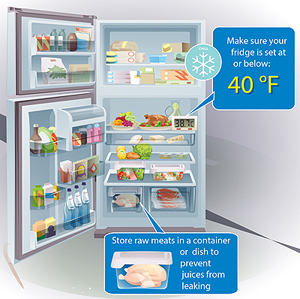 As the holidays approach, many of us are thinking about what we and our friends and family will be eating come the big day and, as leftovers are an inevitable part of any large meal, many days afterwards. No matter how much you plan and calculate, you will have more food than you and your guests can eat, so it is important to know how to keep your half-eaten casseroles, slices of turkey and delicious pies safe to consume after the celebration has come and gone.

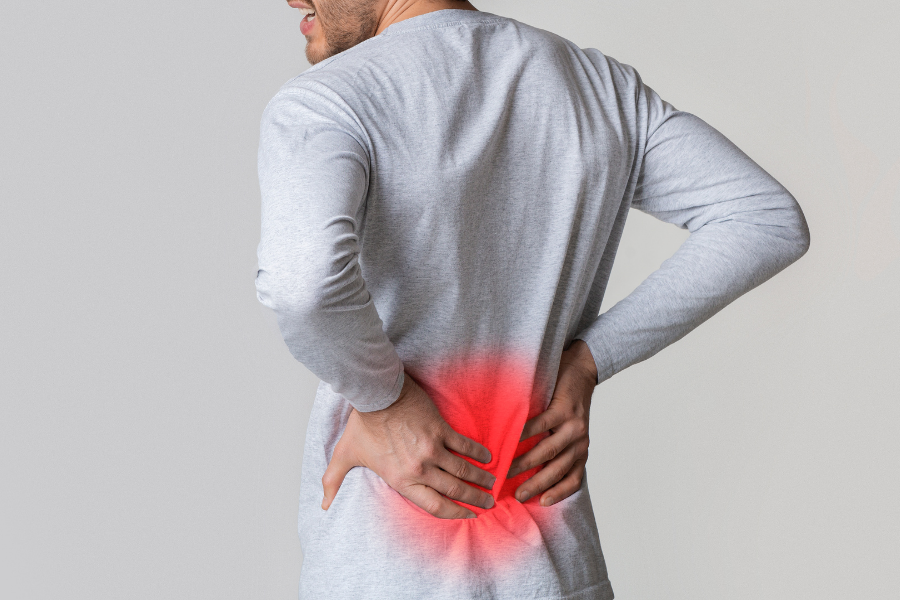
 Sometimes it seems like each birthday brings a new set of ailments or pains. Our knees may ache a little more than they used to, or we might squint a little harder when reading the score of Saturday’s game. Those are just a normal sign of aging. However, it is not as easy to see what effects aging may be having on other parts of our body. We know to be concerned with the function of our heart and lungs, but few stop to wonder how their kidneys are functioning.
 When we picture our lives, we all hope that we will grow old easily and peacefully, surrounded by our loved ones who remain healthy and happy right along with us. We never picture ourselves or someone we love struggling with a serious health issue. And so when it happens, it can be hard for us to know what to say or do. For someone going through a health challenge like a major illness or injury, it is possible that they will have a difficult time coping with the changes they are experiencing both mentally and physically. As a friend or family member, it can be tough to figure out how best to help your loved one through a hard time.
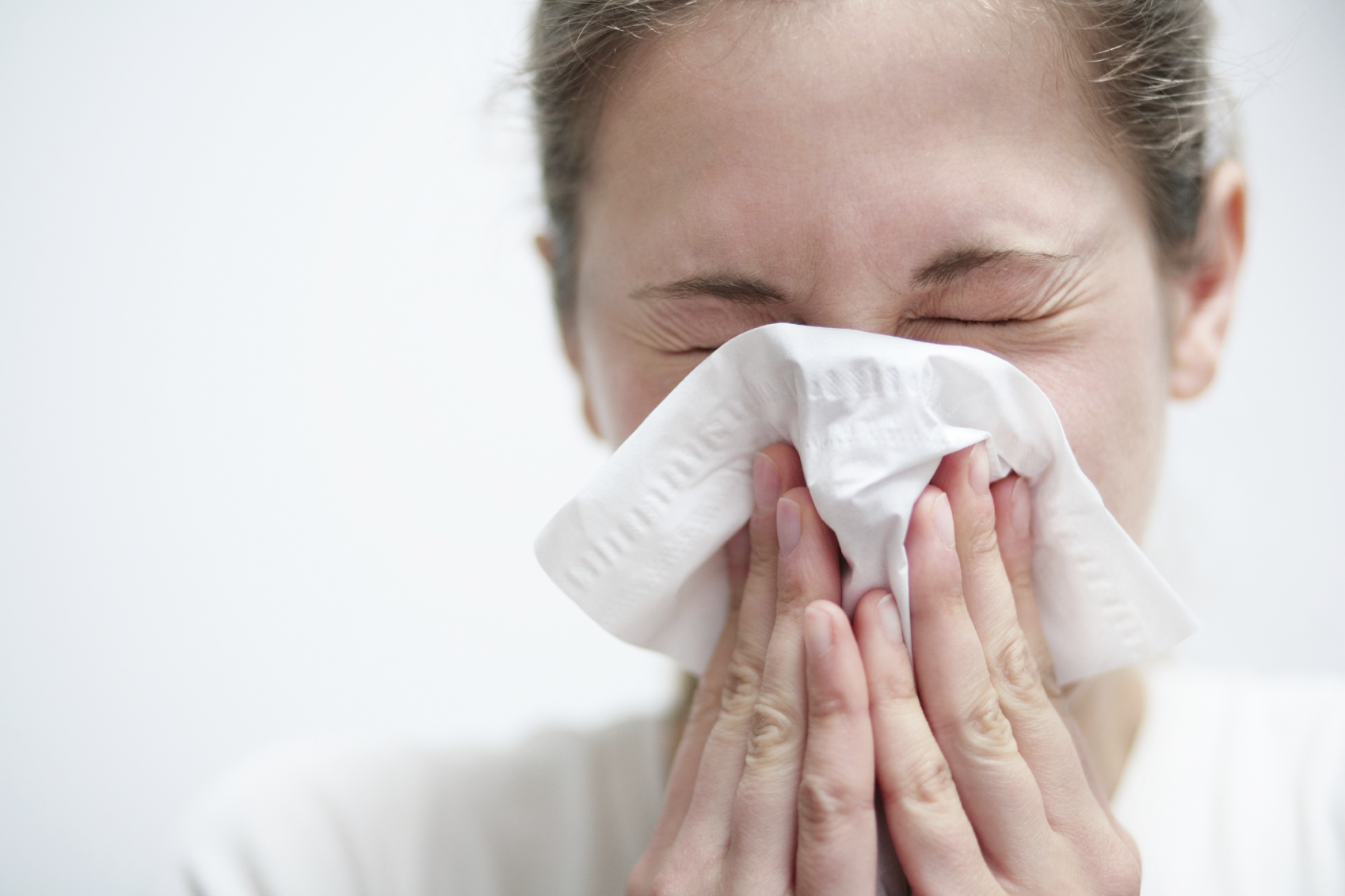 With springtime comes allergies, and for many, a nasty runny nose. But is that runny nose just allergies, or is there an underlying infection?