Category: Health Tips

  • Living with Prediabetes: Small Changes, Big Difference

    Hearing the word “prediabetes” can feel scary, but here’s the good news: prediabetes is not diabetes, and for many people, it’s reversible. With some lifestyle adjustments, you can lower your blood sugar levels and significantly reduce your risk of developing type 2 diabetes.

    What Does Prediabetes Mean

    Prediabetes means your blood sugar levels are higher than normal, but not yet high enough to be diagnosed as type 2 diabetes.

    Prediabetes is very common. Researchers estimate that 84 million adults in the United States have it. It affects more than 1 in 3 adults under age 65 and half of the people over 65.  Think of it as an early warning sign and a chance to take action before things progress.

    Monitoring Your A1C Matters

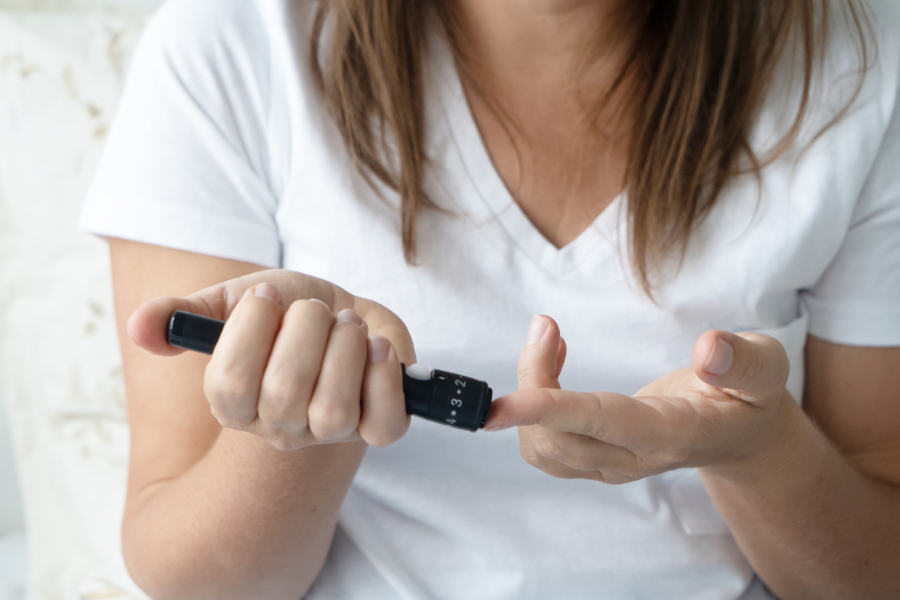
    Your A1C test measures your average blood sugar over the past two to three months. For most people, a normal A1C is below 5.7%, prediabetes falls between 5.7% and 6.4%, and 6.5% or higher indicates diabetes.

    Regular A1C checks, which are typically every 3–6 months, as recommended by your doctor, help you and your healthcare team track your progress. Seeing your numbers improve can be motivating, and catching an upward trend early gives you time to adjust your plan before it becomes a bigger problem. Speak with your primary care provider about screening for this condition.
    Dietary Tips That Make a Difference
    • Choose whole grains over refined carbs (brown rice instead of white rice, whole wheat bread instead of white bread).
    • Fill half your plate with vegetables at meals, which are nutritious and low in calories.
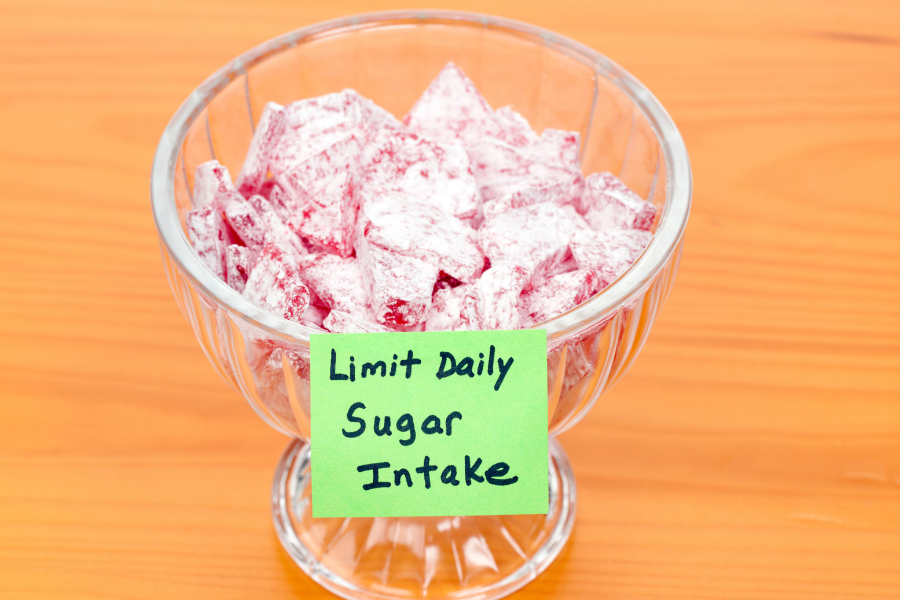
    • Limit sugary drinks and snacks, including soda, juice, and desserts. Try water, unsweetened tea, or sparkling water instead.
    • Eat lean proteins like chicken, fish, beans, and tofu to help you feel full longer.
    • Practice portion control using a smaller plate can naturally help reduce portion sizes.

    Lifestyle Habits to Build

    • Move your body daily – Aim for at least 30 minutes of moderate activity like brisk walking most days of the week.
    • Get enough sleep – Poor sleep can affect blood sugar regulation, so aim for 7–9 hours per night.
    • Manage stress – Chronic stress can raise blood sugar levels. Try deep breathing, stretching, or simple hobbies you enjoy.
    • Maintain a healthy weight – Even losing 5–7% of your body weight can make a meaningful difference in blood sugar control.

    Steps to Stay on Track

    • Schedule regular checkups with your doctor to monitor your A1C and overall health.
    • Keep a simple food and activity journal to spot patterns and areas to improve.
    • Set small, realistic goals rather than overhauling everything at once.
    • Building a support system or developing a diabetes prevention program can help keep you accountable.
    • Take medications as prescribed if your doctor recommends them.
    The Bottom Line

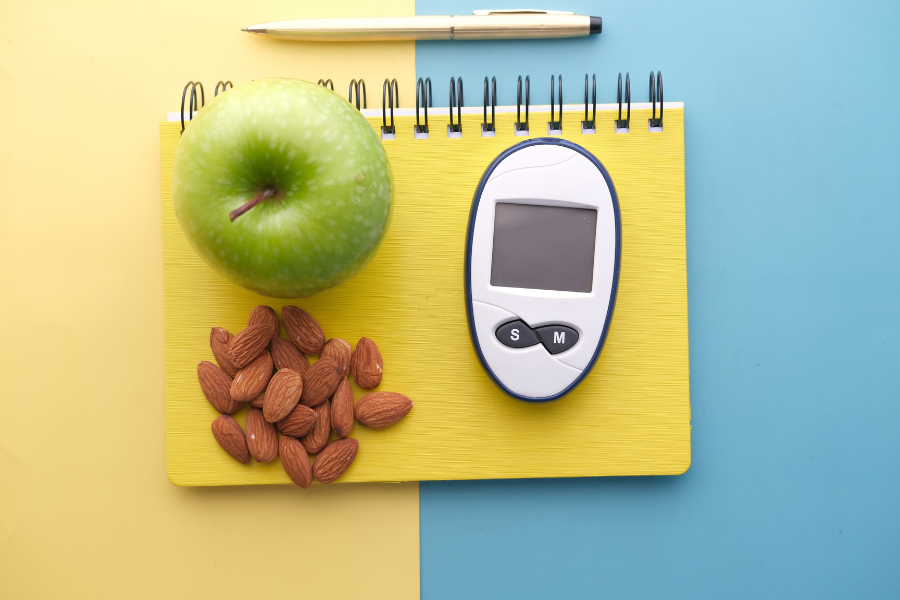
    With consistent, manageable changes to your diet, daily habits and regular A1C monitoring, you have real power to improve your health and prevent type 2 diabetes. Small steps today can lead to a healthier tomorrow.


    This article is intended for general informational purposes only and does not constitute medical advice. Always consult a qualified healthcare provider with questions about your health.
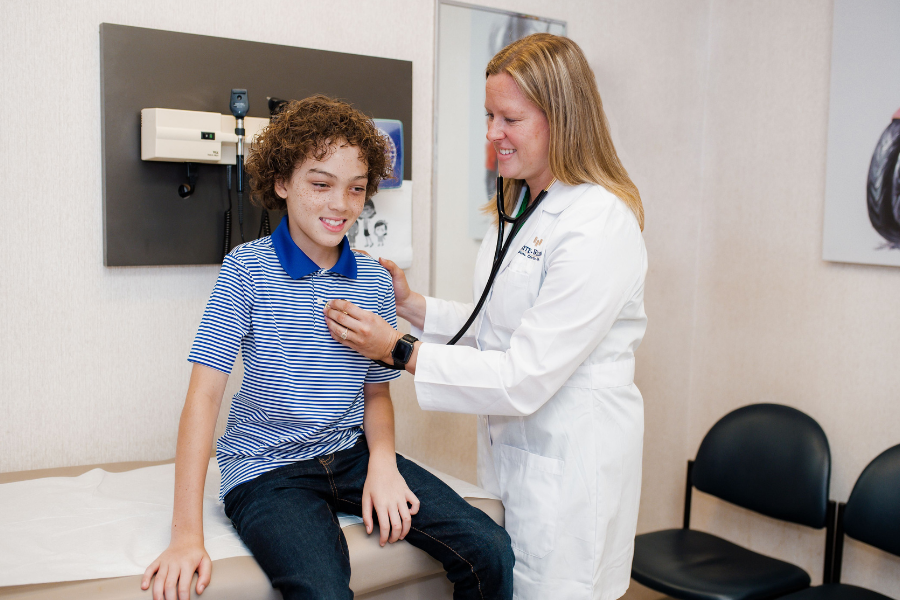

  • Why an Annual Well-Child Visit Matters for Pre-Teens and Teens

    As children grow into their pre-teen and teen years, an annual well-child visit remains an important part of their health and well-being. While many parents schedule regular checkups when their children are younger, an annual well-child visit is just as important during adolescence, as it is a time of rapid physical, emotional, and social development.

    Why is a Well-Child Visit important?

    Pre-teens and teens experience many changes between the ages of 10 and 18. An annual well-child visit helps pediatricians monitor growth, identify potential health concerns early, and support healthy habits that can help them in adulthood.

    The visit also provides an opportunity for teens to ask questions about their health in a safe and confidential environment. Topics such as nutrition, physical activity, mental health, sleep, and personal safety can all be discussed with their pediatrician.

    What to expect during a Well-Child Visit?

    A well-child visit is much more than a sports physical. During the appointment, your teen’s pediatrician may:

    • Measure height, weight, and blood pressure
    • Track growth and development
    • Review medical history and current medications
    • Ensure vaccinations are up to date
    • Discuss nutrition and healthy eating habits
    • Evaluate sleep patterns and physical activity
    • Screen for vision or hearing concerns
    • Assess emotional and mental well-being
    • Discuss safety topics such as driving, social media use, and substance avoidance

    For older teens, their providers may also discuss topics such as relationships, sexual health, and making healthy choices as they prepare for adulthood.

    What Parents Should Know

    Parents play a key role in supporting their teen’s health. Encourage your teen to go for their annual wellness visit, even if they seem healthy. Many health concerns, including anxiety, depression, high blood pressure, and nutritional deficiencies, may not have obvious symptoms.

    It is also common for the pediatrician to spend a few minutes speaking with your teen privately. This helps build trust and encourages honest conversations about health concerns they may be hesitant to discuss in front of others.

    Setting the Foundation for Lifelong Health

    An annual well-child visit helps your teen stay on track physically, emotionally, and socially. By making preventive care a priority, you can help your teenager develop healthy habits, address concerns early, and gain the confidence they need to navigate adolescence and adulthood.

    Schedule your teen’s annual well-child visit today and take an important step toward a healthier future for them.


    This article is intended for general informational purposes only and does not constitute medical advice. Always consult a qualified healthcare provider with questions about your health.

  • Kidney Infection vs. Urinary Tract Infection: When Should You Go to the ER?

    If you’ve ever felt that familiar burning sensation when you urinate, you know how uncomfortable a urinary tract infection (UTI) can be. But what happens when you start having a fever, chills, or sharp pain in your back? These could be a sign that an infection has spread to your kidneys.

    Understanding the difference between a urinary tract infection (UTI) and a kidney infection and knowing where to seek care can make a real difference in how quickly you recover.

    What’s the Difference?

    A urinary tract infection (UTI) starts in the lower part of your urinary system, most often the bladder. It’s extremely common, especially in women, and usually causes symptoms like a burning feeling when you urinate, a frequent urge to go, and cloudy or strong-smelling urine.

    A kidney infection (medically called pyelonephritis) happens when bacteria travel upward from the bladder into one or both kidneys. The kidneys are vital organs that filter your blood, so an infection is a much more serious matter. Left untreated, a kidney infection can spread into the bloodstream and become life-threatening.

    How to Tell Them Apart?

    A typical UTI usually involves some or all of these symptoms:

    • Burning or pain during urination
    • Feeling like you need to urinate frequently, even when little comes out
    • Cloudy, dark, or strong-smelling urine
    • Pressure or mild cramping in the lower abdomen or pelvis
    • Little to no fever

    A kidney infection includes those same symptoms, but with additional warning signs that signal something more serious is happening:

    • Fever of 101°F (38.3°C) or higher
    • Shaking chills or rigors
    • Persistent pain in your back, side, or flank
    • Nausea or vomiting
    • Fatigue or a feeling of being very unwell

    The key distinction: if you have urinary symptoms plus a fever, treat it as a kidney infection until a doctor tells you otherwise.

    Urgent Care or Emergency Room?

    Once you suspect a kidney infection, the next decision is where to go. Go to urgent care if:

    • Your symptoms are manageable, with a mild fever (below 101°F),
    • You have some back discomfort but can tolerate it,
    • You are not vomiting and are able to keep fluids down.

    Urgent care centers can diagnose a kidney infection with a urine test and prescribe the right antibiotic, often the same day. Go to the emergency room if:

    • Your symptoms are severe or escalating, with a high fever and shaking chills,
    • Intense pain in your back or abdomen,
    • Repeated vomiting, confusion, or an overall sense that something is seriously wrong.

    The ER can provide IV antibiotics, fluids, and monitoring that urgent care simply cannot. Always go to the ER if you are pregnant, over 65, under 2 years old, diabetic, or have a weakened immune system or kidney disease, even if your symptoms seem mild. These face a much higher risk of rapid deterioration.

    The Bottom Line

    Both UTIs and kidney infections are treated with antibiotics, but a kidney infection usually requires a longer course and sometimes IV treatment in a hospital setting. Do not wait to see if the symptoms improve on their own.

    If you’re asking yourself, “Should I go to the ER?” and you genuinely feel awful, the answer is yes. Kidney infections can escalate to sepsis, a dangerous, body-wide response to infection within hours. Getting checked out is always the right call.


    White-Wilson Immediate Care Clinic in Fort Walton Beach is open seven days a week with no appointment needed. If you’re experiencing a medical emergency, please call 911 or go to your nearest emergency room immediately.

    This article is intended for general informational purposes only and does not constitute medical advice. Always consult a qualified healthcare provider with questions about your health.

  • Why Nutrition Matters In Your Healthcare Outcomes

    March is National Nutrition Month, and it’s the perfect time to take a closer look at what’s on your plate. The food you eat isn’t just about taste or convenience. It’s one of the most powerful tools you have for protecting your health, supporting your body when it’s healing, and building habits that pay off for years to come.

    Food Is Medicine

    The nutrients in the foods you eat play a direct role in how well your body functions. Vitamins, minerals, fiber, healthy fats, and proteins all work together to keep your immune system strong, your energy levels steady, and your organs running smoothly.

    When your body is fighting an illness or recovering from a medical condition, good nutrition becomes even more critical.

    What Does a Balanced Diet Actually Look Like?

    A healthy eating pattern is simpler than most people think. Focus on filling your plate with a variety of whole, minimally processed foods throughout the day.

    • Fruits and vegetables should take up about half your plate. They’re packed with vitamins, antioxidants, and fiber that support digestion and reduce inflammation. Aim for a range of colors — each one signals a different set of nutrients.
    • Lean proteins like chicken, fish, beans, eggs, and nuts help your body build and repair tissue. They’re especially important when you’re recovering from an illness or procedure.
    • Whole grains like brown rice, oats, and whole wheat bread provide lasting energy and important B vitamins that support your nervous system and metabolism.
    • Healthy fats found in avocados, olive oil, and nuts help your body absorb fat-soluble vitamins and keep your heart healthy.

    Making Informed Food Choices

    Reading a nutrition label can feel overwhelming, but start with the basics. Look at serving sizes, check for added sugars, and pay attention to sodium levels, especially if you have a heart condition or high blood pressure. When in doubt, choose foods with shorter ingredient lists and names you can actually recognize.

    Don’t Forget to Stay Active

    Nutrition and physical activity go hand in hand. Even small amounts of movement, such as a 10-minute walk, some gentle stretching, or light housework, can improve your mood, boost circulation, and help your body use nutrients more effectively. You don’t need to hit the gym every day. The goal is simply to move a little more than you did yesterday.

    Small Steps, Big Impact

    You don’t have to overhaul your entire diet overnight. Start with one small change like an extra serving of vegetables, swapping a sugary snack for a handful of nuts, or drinking more water throughout the day. Over time, these small shifts add up to meaningful improvements in how you feel and how well your body heals.

    This National Nutrition Month, make it personal. Talk to your care team about what foods and habits are best for your specific health needs. The best diet is one that works for you.


    Always consult with your healthcare provider about your specific medical needs. This information is for educational purposes only.

  • Remote Patient Monitoring: Care Beyond the Clinic

    Imagine having your doctor keeping an eye on your health even when you are at home cooking dinner or watching TV. That’s exactly what Remote Patient Monitoring (RPM) makes possible.

    What Is Remote Patient Monitoring?

    Remote Patient Monitoring is a type of preventive care that uses technology to track your health from the comfort of your own home. Instead of waiting for your next appointment to find out how your heart, blood sugar, or blood pressure is doing, your care team can check in on you every single day, without you ever leaving the house.

    How Does It Work?

    Here’s what the process typically looks like:

    1. You receive a small device like a blood pressure cuff, pulse oximeter, or glucose monitor from your healthcare provider.
    2. You take your readings at home, just as you normally would.
    3. The device sends your data securely to your care team.
    4. Your provider reviews the information and reaches out if anything needs attention.

    What Are the Benefits?

    RPM puts you at the center of your own care, and the benefits are worth it.

    • Catch problems early. Because your health is being monitored regularly, your doctor can spot warning signs before they become serious, which is a key part of preventive care.
    • Fewer trips to the hospital. Many patients see a reduction in emergency room visits and hospital stays.
    • Stay in the loop. You become more aware of your own health trends, which helps you make better daily choices.
    • Peace of mind. Knowing someone is watching over your numbers brings comfort, especially for those managing chronic conditions like diabetes, heart disease, or COPD.
    • More connected care. Your provider can adjust your treatment plan quickly, without waiting weeks for an appointment.

    Is RPM Right for You?

    RPM is especially helpful for people managing long-term health conditions, recovering from surgery, or at risk for serious complications. Talk to your doctor about whether Remote Patient Monitoring could be a good fit for your care plan.

    Your health doesn’t take a day off, and neither does your care team.


    This article is for educational purposes only. Always consult your child’s healthcare provider for personalized medical advice.

  • Managing Childhood Asthma and Spring Allergies

    Spring is a season of blooming flowers and warmer days, but for children with asthma and allergies, the pollen in the air can trigger uncomfortable and sometimes serious symptoms. With proper planning, your child can enjoy spring just like any other kids.

    Here are effective strategies for managing childhood asthma and allergies and keeping your child safe and out of the emergency room.

    Know the Warning Signs

    Watch for these symptoms in your child:

    • Allergies: Runny or stuffy nose, itchy or watery eyes, sneezing, skin rashes
    • Asthma: Coughing (especially at night), wheezing, shortness of breath, chest tightness, fatigue during play.

    If your child has both conditions, one can make the other worse. Allergic reactions can trigger asthma attacks, so it’s important to treat both.

    6 simple tips that parents can do to prevent and manage symptoms.

    • Check the pollen count daily. On high-pollen days, limit outdoor time, especially in the morning when the counts peak. Many weather apps include pollen forecasts.
    • Keep windows closed. Letting the fresh spring air in seems like a good idea, but this also lets pollen in. Use air conditioning instead and remember to change filters regularly.
    • Shower after outdoor play. Pollen clings to hair, skin, and clothing. A quick rinse after outdoor activities or a shower before bed helps prevent symptom flare-ups.
    • Take medications as prescribed. Do not wait for symptoms to start. Antihistamines and controller inhalers work best when used consistently. Talk to your child’s pediatrician about starting medication before peak season.
    • Have an asthma action plan. Work with your pediatrician to create a written plan that outlines what to do during mild, moderate, and severe symptoms, including when to use a rescue inhaler and when to go to the ER.
    • Schedule a spring check-up. Before allergy season hits, visit your child’s pediatrician to review medications, update prescriptions, and ensure your child’s treatment plan is up to date.

    When to Call Your Doctor

    Seek medical attention if your child’s symptoms are not improving with medication. If breathing seems labored or if an inhaler is being used more than twice a week, these may be signs that the current treatment plan needs adjusting.


    This article is for educational purposes only. Always consult your child’s healthcare provider for personalized medical advice.

  • How to Find Relief for Strep Throat

    Feeling That Scratch in Your Throat?

    If you’ve been hit with strep throat recently, you know just how miserable it can be. There are plenty of ways to ease the discomfort and help your body heal, and most of them start right at home.

    First Things First: See Your Doctor

    Before diving into remedies, here’s an important reminder. Strep throat is a bacterial infection, which means antibiotics are often the most effective treatment. If you suspect strep, especially if you have a sudden sore throat, fever, or difficulty swallowing, it’s worth calling your doctor or visiting White-Wilson Immediate Care for a quick test. Antibiotics can shorten your illness and prevent it from spreading to others.

    While you wait for your appointment or recover alongside your medication, these remedies can make a real difference in how you feel.

    • Warm Liquids Are Your Best Friend

    Staying hydrated is one of the simplest and most effective things you can do. Warm water, herbal tea, and broth can all help soothe an irritated throat. Try sipping throughout the day rather than taking large gulps, and keep a glass nearby at all times. Warm liquids keep your throat moist and can loosen up congestion.

    • The Classic: Salt Water Gargle

    This one has been around forever and for good reason. Dissolving about half a teaspoon of salt in a glass of warm water and gargling for 30 seconds can help reduce swelling and kill bacteria on the surface of your throat. Do not swallow after gargling; spit it out, and repeat a few times a day.

    • Honey and Lemon

    A warm mug of water with honey and lemon can help to ease the discomfort. Honey has natural antibacterial properties and coats your throat, while lemon adds vitamin C and helps thin mucus. Together, they make a surprisingly effective combination for easing that scratchy feeling.

    • Rest and Sleep

    Your body does its best healing when you give it time to recover. Try to get plenty of sleep and take it easy for a day or two. Pushing through when you’re sick only delays recovery and makes symptoms linger longer.

    • Over-the-Counter Pain Relief

    Medications like acetaminophen or ibuprofen can help reduce both pain and fever. Be sure to follow the dosage instructions on the label, and check with your pharmacist if you’re unsure which option is right for you.

    • Cold Treats Can Help Too

    Ice chips, popsicles, and cold water can actually numb the throat and provide temporary relief from pain. If the idea of warm drinks doesn’t appeal to you, cold options are a perfectly valid alternative.

    When to Call Your Doctor Again

    Don’t wait if your symptoms get worse instead of better after a few days or if you develop a high fever, trouble breathing, or a rash. These could be signs of a complication that needs medical attention.

    Taking care of yourself when strep strikes doesn’t have to be complicated. A little rest, some warm drinks, and the right treatment can have you feeling better in no time.


    Always consult with your healthcare provider about your specific medical needs. This information is for educational purposes only.

  • Building Healthy Habits That Stick

    Many patients struggle to adhere to their treatment plan due to the new health habits they need to follow, even though they recognize the importance and necessity of these changes for managing their condition or preventing future health issues.

    If your treatment plan includes lifestyle changes, such as exercising more, taking your medication consistently, managing your diet, or improving your sleep, you may feel overwhelmed about how to effectively incorporate these habits into your daily routine.

    To assist you in managing these changes and improving your overall health and well-being, here are some helpful steps to consider.

    Start With One Small Change

    If your healthcare provider has given you several recommendations, choose just one to focus on first. Pick the change that feels most manageable, or that will have the biggest impact on how you feel day-to-day.

    For example, if you need to take medication, exercise, and change your diet, start with the medication routine. Once you are accustomed to taking your medication, add the next habit.

    Connect New Habits to Your Daily Routine

    The easiest way to remember a new healthy habit is to link it to something you already do every day. This keeps you consistent and sticks to other health routines. Think about where your new health behavior fits most naturally in your morning, afternoon, and evening routines, for instance:

    • Take your blood pressure medication when you start your coffee maker
    • Do your physical therapy exercises right after you shower
    • Check your blood glucose levels before each meal
    • Take your evening medication when you plug in your phone to charge

    Prepare Your Environment

    By setting up your environment, it will support making healthy routines easier, for instance:

    • Put medications in a visible spot where you’ll see them (not hidden in a cabinet)
    • Keep a water bottle at your desk if you need to drink more fluids
    • Lay out your walking shoes by the door
    • Pre-portion snacks if you’re managing diabetes or watching your diet
    • Set multiple phone reminders for time-sensitive medications

    Keep a Simple Record

    Keeping track of your schedule allows you to identify days when you don’t follow it. This helps you to recall if you took your prescription, spot patterns in your symptoms, share information with your doctor, and hold yourself accountable.


    Recording does not have to be complicated. Use whatever works best for you, such as a paper calendar, a note-taking tool, or a simple checkbox system.

    When You Miss a Day

    You will have days when you forget, feel too tired, or something disrupts your routine. This happens to everyone, even if you have been following good practices for years, don’t be hard on yourself, don’t be hard on yourself. Think how to avoid the stumbling block the next time and resume your regular routine as quickly as possible.

    If you find yourself consistently missing your health routine, speak with your doctor. There could be a simpler solution or additional support available.

    Questions to Ask Your Healthcare Team

    If you are having difficulty maintaining a new health behavior, discuss it with your doctor. Your physician wants you to be successful in following to your treatment plan, which may require altering the plan to meet your real situation.

    • What’s the most important change I should focus on first?
    • Can you help me figure out when to fit this into my day?
    • Is there a simpler version of this I could start with?
    • What support services do you have for patients working on this?

    Moving Forward

    New health habits require time to become routine in your daily life. Remember to be patient with yourself; little, consistent steps lead to significant improvements in your health over time. Your health is worth the effort, and you don’t have to do everything perfect.


    Need help implementing your treatment plan? Schedule an appointment with your primary care provider and discuss resources and ways to help you stay on track with your health journey.

  • Staying Healthy During Holiday Travel

    The holiday season brings joy, family gatherings, and unfortunately, an increased risk of getting sick. Whether you’re flying across the country or driving to visit relatives, winter travel presents unique health challenges. Understanding these risks and taking simple precautions can help ensure your celebrations aren’t derailed by illness.

    Why Holiday Travel Affects Your Health

    Winter travel creates a perfect storm for illness. Airports and rest stops expose you to crowds in enclosed spaces where viruses spread easily. Cold, dry air, especially in airplane cabins, dries out the protective mucous membranes in your nose and throat, making it easier for germs to take hold. In addition to disrupted sleep schedules and changes in diet, your immune system may struggle to keep up.

    The combination of holiday stress and travel fatigue can weaken your body’s defenses right when you need them most. Long hours sitting in cars or planes can also lead to dehydration, swollen legs, and general discomfort that makes you more vulnerable to illness.

    Essential Tips for Healthy Holiday Travel

    • Boost Your Immunity Before You Go

    Start preparing your body a week before travel. Get adequate sleep, aim for seven to nine hours nightly. Stay hydrated by drinking plenty of water and maintain a balanced diet rich in fruits and vegetables. Consider getting your flu shot and staying current on vaccinations if you haven’t already.

    • Master Hand Hygiene

    Your hands are the primary way germs enter your body. Wash them thoroughly and frequently with soap and water for at least 20 seconds, especially before eating and after touching public surfaces. Keep alcohol-based hand sanitizer with at least 60% alcohol in your carry-on or car. Avoid touching your face, particularly your eyes, nose, and mouth.

    • Stay Hydrated

    Airplane cabins have humidity levels around 10-20%, much lower than the comfortable 40-70% we’re used to. This extreme dryness can compromise your respiratory defenses. Drink water regularly throughout your journey, aim for about 8 ounces per hour when flying. Limit alcohol and caffeine, which can dehydrate you further.

    • Protect Your Airways

    Consider wearing a mask in crowded indoor spaces like airports, especially if you’re at higher risk for severe illness. Use a saline nasal spray to keep your nasal passages moist during flights. Some travelers find humidifying face masks helpful on long flights.

    • Move Your Body

    Whether flying or driving, prolonged sitting can cause circulation problems and increase your risk of blood clots. On flights, stand and walk every couple of hours. Do simple stretches or ankle circles while seated. During road trips, stop every two hours to walk around and stretch.

    • Pack a Travel Health Kit

    Bring essential medications in your carry-on, including any prescriptions, pain relievers, antacids, and remedies for common travel ailments. Include a thermometer, basic first aid supplies, and any medications you might need for allergies or stomach upset. Don’t forget your insurance card and a list of your medications.

    • Prioritize Sleep and Nutrition

    Try to maintain regular sleep schedules as much as possible. When crossing time zones, gradually adjust your sleep time a few days before departure. Pack healthy snacks like nuts, fruit, and granola bars to avoid relying solely on less nutritious travel food. Stay mindful of portion sizes during holiday meals.

    • Know When to Stay Home

    If you’re feeling ill before your trip, consider postponing travel if possible. Traveling while sick not only risks your health but also exposes others. Many airlines offer flexible rebooking policies, especially during flu season.

    Arriving Healthy

    Holiday travel doesn’t have to mean arriving at your destination exhausted and sick. By taking these preventive steps, you can protect your health and fully enjoy your time with loved ones. Remember, the best gift you can give yourself and your family this season is staying well enough to create lasting memories together.

    Safe travels and happy holidays!


  • The Importance of Summer Sleep for Kids

    Ah, summer! The days are longer, the sun shines brighter, and kids are buzzing with energy. But amidst all the fun, there’s one vital factor that often gets overlooked in the sunny chaos: sleep. While children may wish for endless playtime, sleep is their secret weapon for health and well-being.

    We talked to APRN Kimberly Litwiller, a nurse practitioner at White-Wilson Pediatrics Clinic in Niceville, about how sleep impacts children’s health during the summer months.

    Understanding Sleep’s Role in Development

    “Sleep is a vital component of children’s overall health and well-being. It helps their bodies grow, their brains work well, and their emotions stay balanced,” says APRN Litwiller.  “Longer daylight hours and changes in daily routines during summer can affect children’s sleep. This shift can be challenging and may impact their growth, learning, mood, and how they interact with others.”

    Understanding the significance of sleep during this time is essential for fostering healthy habits that ensure children thrive. “Sleep isn’t just a time for recharging—it’s a nightly upgrade for your child’s brain and body. It helps with everything from physical growth to emotional regulation.” Continues APRN Litwiller, “During deep sleep, your child’s body releases growth hormones that are vital for physical development. Without sufficient sleep, their bodies can’t build muscle, repair tissue, or grow properly.”

    Not all age groups are created equal when it comes to sleep. Infants, toddlers, and school-aged kids each have unique sleep needs. “While a newborn might snooze for a whopping 16 to 18 hours a day, school-aged kids typically require around 9 to 11 hours, and teenagers need about 8 to 10 hours. So, whether your child is practicing for a summer soccer tournament or binge-watching kids’ shows, understanding their sleep requirements is vital for their overall health,” explains APRN Litwiller.

    Let’s explore with APRN Kimberly Litwiller as she breaks down the impact of longer days on sleep patterns, and shares tips for maintaining healthy sleep routines for children during the summer months.

    Common Sleep Disorders in Children During Summer Months

    Natural Light and Circadian Rhythms

    Sunshine is great for playing, but it can also interfere with your child’s internal clock. Their circadian rhythms—those fancy biological processes that regulate sleep-wake patterns—are influenced by natural light. When those endless summer evenings roll around, the sun may still be shining brightly while your kids are supposed to be winding down. This can lead to late nights and cranky mornings.

    Common Sleep Disruptions During Summer

    Summer can often turn into a sleep sabotage operation. Late-night barbecues, firefly chasing, or an overly energized outdoor activity can disrupt even the most established bedtime routines. Not to mention the classic “Five more minutes, please!” plea you hear from your child.

    Sleep Deprivation on Physical Health

    Under-sleeping can lead to a whole host of physical issues, from weakened immune systems to increased risk of obesity. If your child is groggier like a bear emerging from hibernation, it’s not just their mood that suffers. Poor sleep can lead to a lack of energy for activities like sports or playing outside, which are crucial for their overall health.

    Tips for Maintaining Healthy Sleep Routines in Summer

    • Establishing Consistent Bedtimes

    With the sun blazing longer and the allure of evening adventures, maintaining a consistent bedtime can feel like herding cats. However, establishing a routine helps signal to your child’s body that it’s time to wind down. Aim for a consistent bedtime—it sets the stage for restorative sleep, which is essential for their health and mood. Make bedtime a fun ritual. Read a book, share stories, or play some soothing tunes while tucking them in, so they associate it with good feelings, rather than a sad end to summer fun.

    • Creating a Sleep-Friendly Environment

    When it comes to a great night’s sleep, the bedroom should be a sanctuary. Keep the lights dimmed and the noise level down. Consider blackout curtains to fight off the morning sun that tries to sneak in and disrupt dreamland. A cool and comfy room temperature will help your little one drift off to sleep. A sleep-friendly environment is your secret weapon in fighting the summer sleep struggles.

    • Encouraging Healthy Sleep Habits Year-Round

    While summer is the perfect time to instill healthy sleep habits, let’s not forget that this should carry over into the rest of the year. By making sleep a priority, establishing routines, and creating a sleep-friendly environment, we can help our children grow, laugh, and thrive—because a well-rested kid is ready to take on the world.

    • Limiting Screentime before bedtime

    Screens emit blue light, which disrupts the body’s natural sleep-wake cycle. This makes it harder to fall asleep and can delay sleep onset. The stimulation from screen content increases brain activity and arousal, making it difficult to relax and wind down. Additionally, frequent notifications and alerts can interrupt sleep and prevent deep, restorative rest.

    • Encouraging Teens to use Alarm clocks

    Using an alarm clock with teens promotes independence and accountability, encourages time management, builds confidence, and helps establish healthy social routines—preparing them for adulthood.

    By understanding the challenges that summer brings to sleep patterns and implementing effective strategies to maintain healthy routines, parents can help their children enjoy the benefits of restorative sleep. As we encourage our kids to embrace the joys of summer, let’s also remind them of the importance of a good night’s sleep for their physical, cognitive, and emotional well-being.


    APRN Kimberly Litwiller, FNP-C is a board-certified family nurse practitioner providing care for patients at White-Wilson Pediatrics in Niceville. Her specialty lies in pediatric care, including wellness care, preventive medicine, the diagnosis and treatment of acute and chronic illnesses, and physical exams. Learn more about APRN Litwiller and her approach to patient care here.