In the summer, there are numerous outdoor activities to enjoy with your family and friends. It is likely that insects and other creatures will join us as we spend time outside. Bug bites, like all other types of injuries, are common at the Immediate Care clinic.
Here are some tips to protect yourself from bug bites.
To protect yourself from being bitten by insects, we strongly recommend that you put on proper clothing, such as long sleeves, before stepping outside. When you are in a wooded area, wearing long, comfortable pants will help protect your legs.
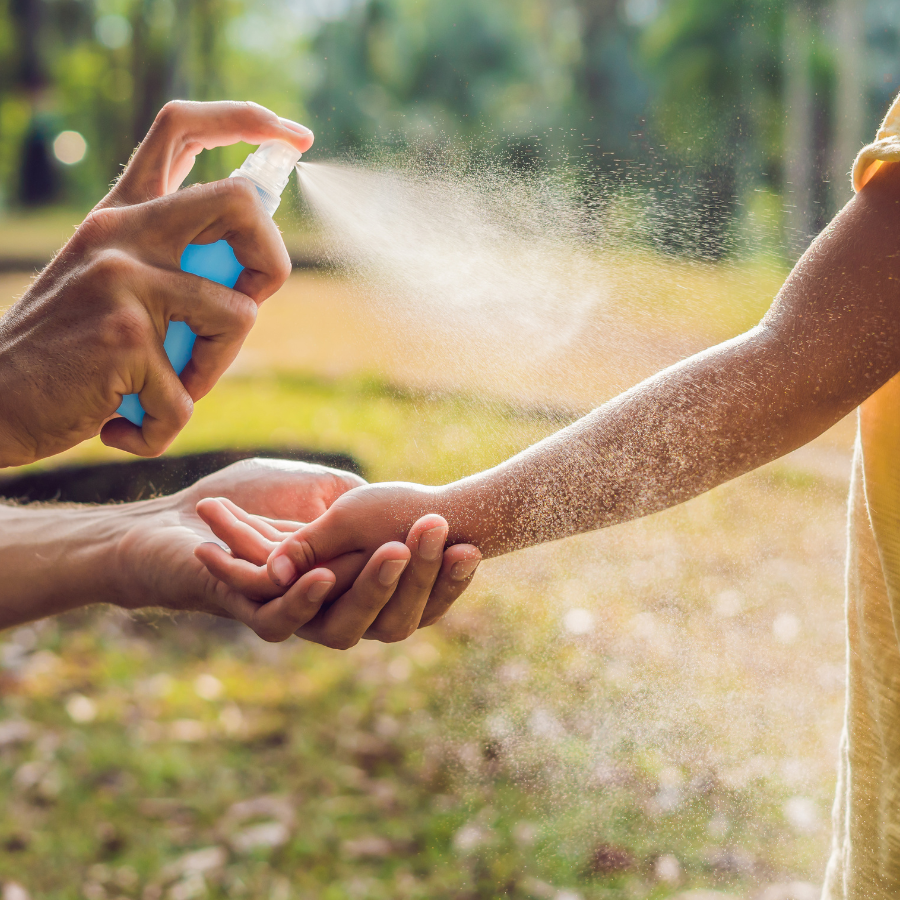
In addition to bug-resistant clothes, there are commercial products available that can repel insects such as mosquitoes, ants, beetles, and even ticks.
If you are also wearing sunscreen, apply your sunscreen first, let it dry, and then apply the insect repellent. Avoid using sunscreen that contains insect repellent, as you should apply sunscreen liberally and often and apply insect repellent sparingly.
Treating Bites
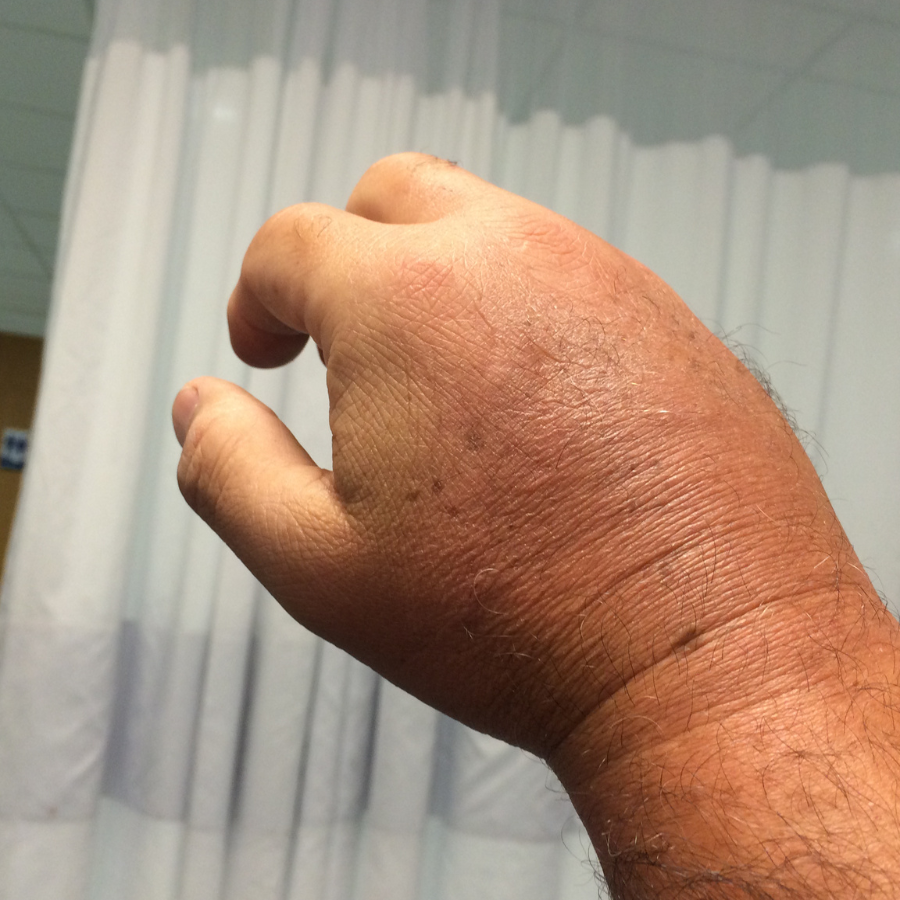
Regarding bites, do not be alarmed, as most of them are simply localized skin irritations. If you experience stings from bees, wasps, or other insects, it is critical to remove their stingers since they can attract other insects. Gently cleanse the bite area with soap and water.
You can reduce some of the pain by applying a cloth dampened with cold water or filled with ice to the affected skin. Keep it on for 10 to 20 minutes. This helps reduce pain and swelling. You can also take a tiny dose of Benadryl to alleviate the pain.
If the redness and swelling surrounding the bite mark deepen and become more inflamed, or if you have a fever, headache, or other similar symptoms, you should wait a day or two before seeking medical care. However, if the symptoms persist or you develop serious reactions such as hives, trouble breathing, vomiting, or diarrhea, seek treatment at White-Wilson Immediate Care.
The content of this article has been adapted and updated from our video library. If you wish to watch the video, click here.
Adult vaccinations play an important role in preventative health, yet many people believe they are only for children.
As flu season approaches, we recommend getting your influenza vaccine. It is a basic vaccination, relatively inexpensive, and quite efficient at avoiding influenza-like symptoms.
The second vaccine that most adults should have is the Tdap or tetanus shot, which requires a booster every ten years. The abbreviation Tdap stands for Tetanus, Diphtheria, and Pertussis. A single vaccine can protect you against all three bacteria.
MMR and the MMR vaccine are next on the list. If you were born before 1957, you should have received a booster. Before receiving any vaccines, talk with your primary care physician about these and other comparable vaccines.
We also strongly advise young adults to get the new human papillomavirus vaccine. This vaccine protects against the human papillomavirus, which causes cervical cancer in women. Unfortunately, males can carry the virus while completely asymptomatic and unaware of their infection.
If you were born after 1980, the varicella vaccine is beneficial. This vaccine will protect you against chickenpox if you have never had it before. However, if you have had the horrible chickenpox and are over the age of 50, the Centers for Disease Control and Prevention (CDC) recommend getting the shingles vaccine. Shin Griggs, a two-phase shingles vaccine, is the most effective.
We strongly recommend a pneumonia vaccine for individuals aged 65 and up, as it can prevent the onset of pneumonia and its associated comorbid illnesses. For people under 65 who smoke, have diabetes, or are immunocompromised, the pneumonia vaccine may be appropriate.
Vaccination teaches your immune system to produce antibodies that protect you from developing diseases. Compared to the alternative of catching and treating infections, vaccination provides a more beneficial learning experience for your immune system. In many cases, your immune system will be able to offer you long-term immunity once it has fully absorbed how to fight off a disease.
The rare but real possibility of death from vaccine-preventable diseases is why vaccinations is so important. Additionally, it prevents the infections from spreading to family members, friends, and the wider community.
The content of this article has been adapted and updated from our video library. If you wish to watch the video, click here.
When it’s cloudy outside, it may be tempting to skip the sunscreen. However, this would be a mistake.
It is considered that a light cloud cover allows more than 90% of ultraviolet (UV) radiation to pass through. That is why you can get sunburned even on a cloudy day. Therefore, you should continue to protect your skin in the same way as you would on a sunny day.
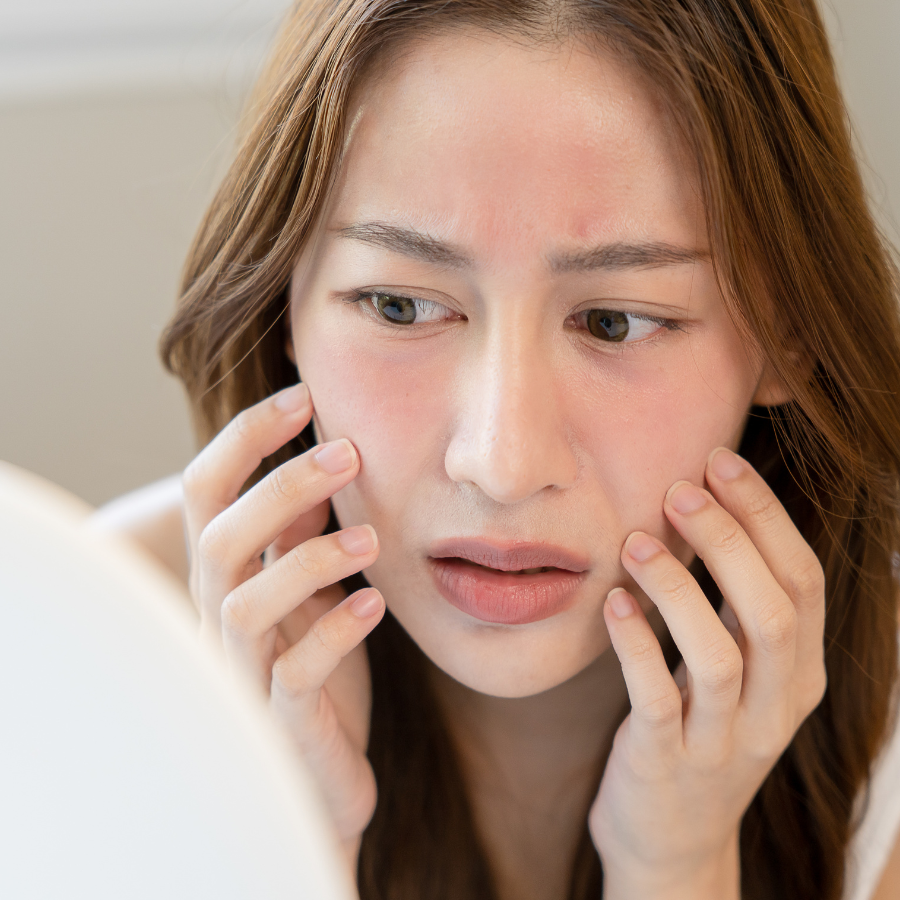
Sunburn is not the only concern. Long-term UV exposure is linked to an increased risk of skin cancer and skin damage, including skin aging. Keep in mind that tanned skin indicates skin irritation or damage. Skin tanning causes damage that accumulates over time.
Tanning, like sunburn, accelerates skin aging and raises the risk of skin cancer, especially dangerous malignant melanoma.
Here are some sun-protection tips.
Wear a broad-brimmed hat to shield your face.
Wear clothing with SPF protection.
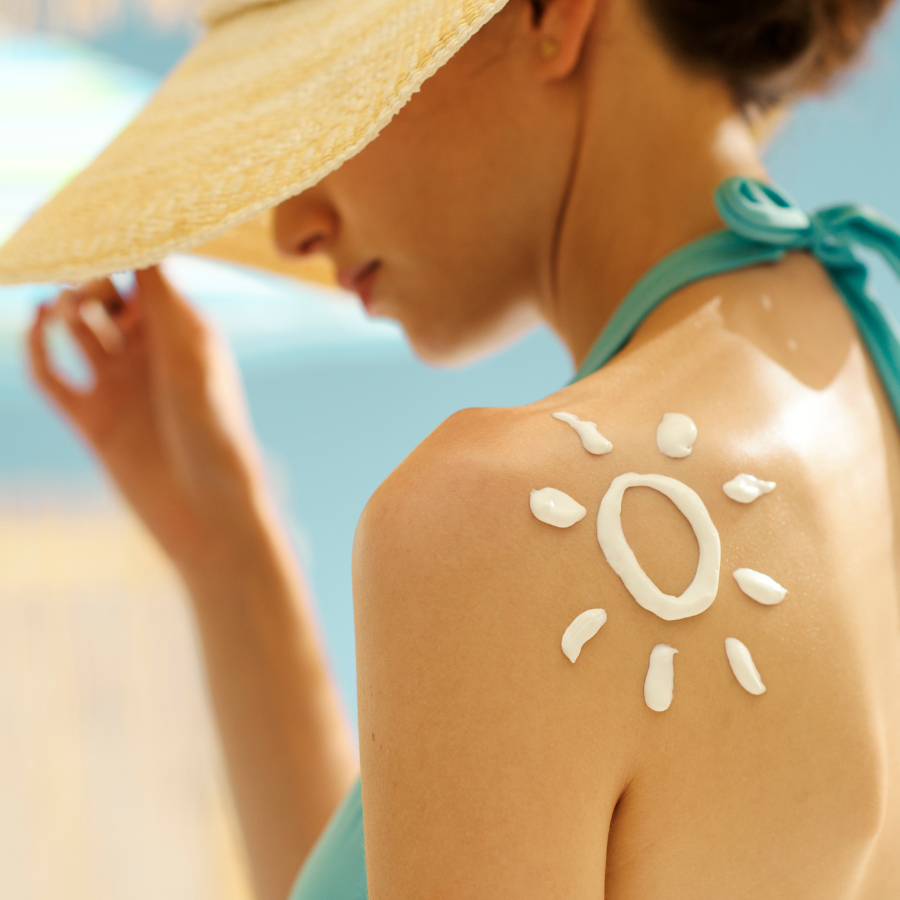
Use a broad-spectrum sunscreen with an SPF of 30 or higher and reapply every two hours.
Use water-resistant sunscreen when swimming or sweating in the sun.
Avoid being outside in the sun, especially between 10:00 a.m. and 4:00 p.m., when UV light is most intense.
It important to have a regular skin check every year, especially if you have fair skin. If you see any changes in your skin, consult your primary doctor, who may recommend you to a dermatologist.
You should protect your skin whenever you spend time outside, no matter how cloudy the weather is.
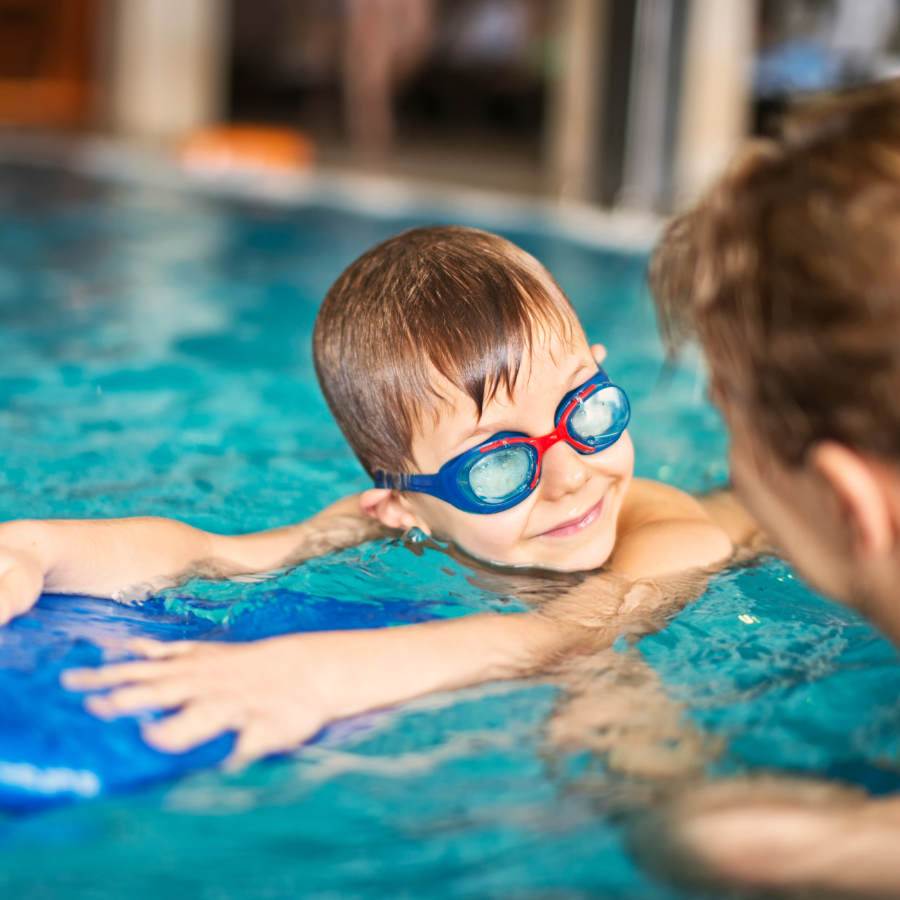
For many parents, summers means more days spent splashing around at the beach or in the pool. While we can all agree that splashing around in the water is a great way to keep kids active and cool during the summer, it can also be very dangerous.
Water safety is critical because drowning is the second greatest cause of death for children in the United States. According to the American Red Cross, for every child that drowns, another five receive emergency medical attention for nonfatal submersion injuries.
Here are some guidelines for keeping your kids safe in the water.
When your child is near water, always keep them within arm’s reach. We call this touch supervision. Never leave them unsupervised. When supervising children, a responsible adult should avoid distracting activities such as reading or talking on the phone because drowning happens quickly and quietly.
In addition, children should wear water wings or armbands or “floaties” while swimming at home. In 2022, approximately 85% of those who drowned while boating did not wear a life jacket. Wearing U.S. Coast Guard-approved life jackets that are well-fitted to their size and fully fastened provides the best safety for children and adults in or near open or natural water, whether on a boat or in the water.
A report by the American Red Cross, 87% of drowning deaths among children under the age of five occur in home pools or hot tubs, with pools accounting for most cases. If you have a pool in your backyard, it is recommended that you surround it with a four-sided fence with self-closing and self-latching gates. The fence and barrier should follow the residential pool safety guidelines.
Swimming classes are another way to ensure your child’s safety around water. The American Academy of Pediatrics suggests that children are ready for swimming lessons by the age of four, but they can begin as early as one year.
Making swimming lessons more accessible has the potential to save lives. Nonetheless, even children who have taken swimming lessons need close and constant supervision when in or around water.
If children are energetic, minimize roughhousing and running about the pool. This helps to prevent falls, tripping and unintentional falls in water. As a parent, you can also receive CPR training in case your child falls into a pool and hurts themselves. Knowing the proper CPR technique can be useful in the event of a swimming accident.
If your child falls into the pool and swallows more water than they expected, get them out as soon as possible. If they stop breathing, become blue, or appear to be having difficulties breathing, call 9-1-1 immediately.
It is typically normal if your child coughs for a few minutes and then recover. However, if they continue to cough for an extended period of time and the cough does not appear to go away after a few hours, contact your pediatrician to have their heart and lung function checked.
Following these guidelines and talking about safety precautions to your children is all it takes to ensure a fun and safe time. Setting swimming safety habits will allow you and your family to begin making summer memories that will last a lifetime.
The content of this blog has been adapted and updated from our video library. If you wish to watch the video, click here.
As we age, our balance, bone and muscle strength naturally deteriorate, increasing the likelihood of falling. Falls can result in serious injuries, including fractured bones and head or brain traumas. Common illnesses such as arthritis, diabetes, Parkinson’s disease, and anemia can also contribute to the risk.
According to the Okaloosa County Department of Health, over 17,000 people visited emergency departments for fall-related injuries, with falls being the leading cause of death among seniors 65 and older.
Lifestyle Changes
Falls, on the other hand, are not a normal part of aging and can be prevented by making lifestyle changes.
Gentle exercises, such as Tai Chi or yoga, or regular walks can be especially effective. Staying active can improve your physical and help you stay mobile and healthy.
Maintain regular interactions with family and friends. Supportive connections can help you minimize stress, boost your mental well-being and live a better life.
Consult your healthcare professional to get your eyes tested annually and update your glasses. Additionally, have your doctor assess your medications to see if there are any that may enhance your fall risk, and discuss issues such as depression, osteoporosis, or hypotension. It is also important to get your feet checked on a regular basis and wear proper footwear.
Steps you can take to prevent a fall at home
Avoid walking barefoot or with socks.
Stand slowly after sitting or lying down to avoid dizziness.
Reduce clutter and keep halls clear so that there are safe walking paths.
Improve lighting in all places, particularly the stairwells and bathrooms.
Consider using automated lighting at night.
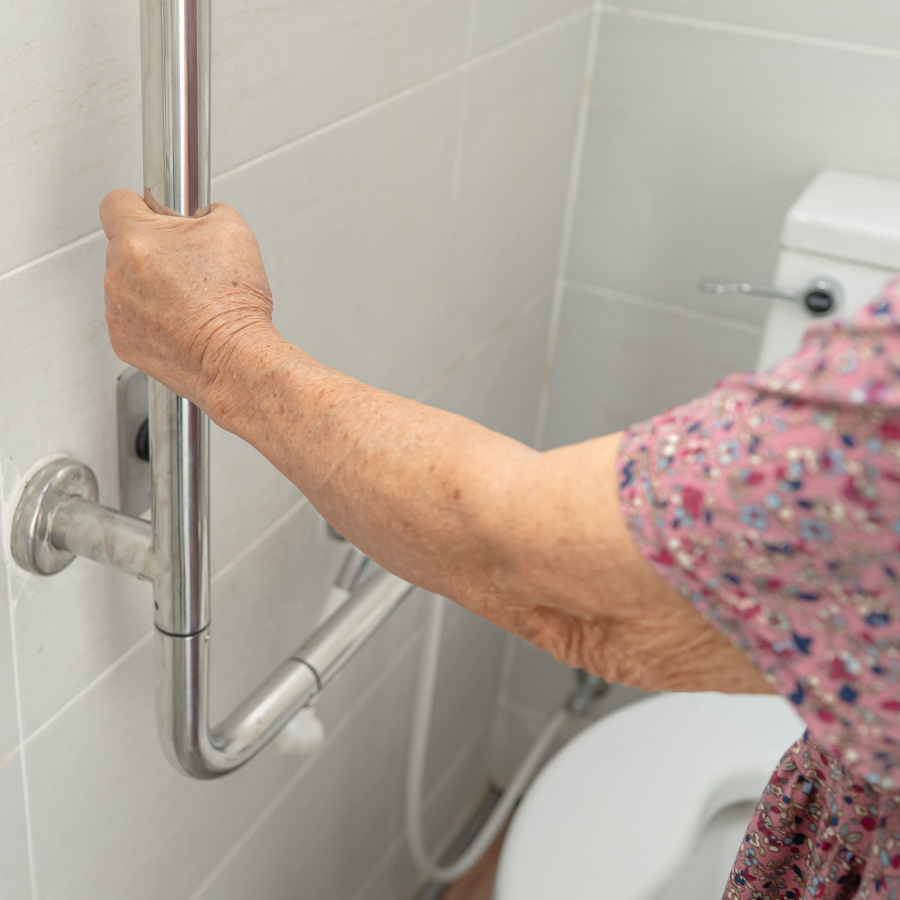
Install railings and grab bars in the bathroom and other essential places.
Make sure the carpets are firmly fastened and use no-slip strips. Avoid throw rugs and small area rugs.
Falls can result in serious physical injuries, but they can also have a huge emotional impact. The dread of falling again may keep you from returning to normal activities. Here are five steps you can take to regain confidence after a fall.
First thing you need to do is to prioritize physical healing and follow physician instructions.
Openly discussing the emotional impact of the fall can provide support.
Make sure that the home is frequently inspected for tripping hazards.
Create a schedule that will help you get back to regular exercise and social activities.
Consider getting a fall monitoring device for added security.
Falls are preventable, and taking on these measures can significantly reduce your risk of falling while maintaining an active, fulfilling lifestyle.
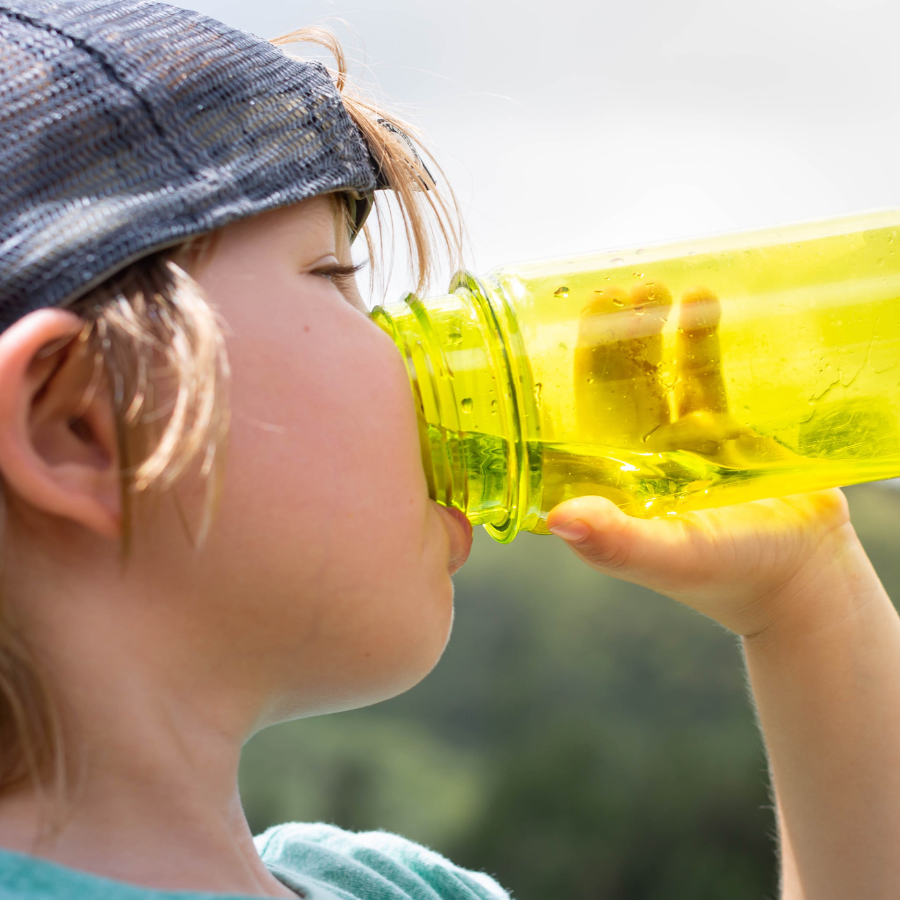
With summer bringing more physical activity, being outside, spending time with family and friends at the beach, and our children participating in physical activities such as sports camps and band camps, we want to make sure they are hydrated and understand the signs of dehydration, heat exhaustion, and heatstroke.
Why is hydration important?
Proper hydration helps the body regulate its temperature, often known as thermoregulation. It also improves digestion and bowel function. Hydration helps with cognitive function, moods, and athletic performance.
Certain groups of children are more prone to dehydration and heat exhaustion. Infants, for example, do not sweat in the same way that older children do.
Furthermore, overweight or obese children are more likely to experience health problems. Children who take specific medications, such as diuretics, laxatives, calcium channel blockers, thyroid antagonists, or benzodiazepines, are in greater risk of dehydration. In addition, children who are already ill or have symptoms of sunburn are more susceptible to get dehydrated, which can lead to heat exhaustion or heat stroke.
Signs and symptoms of heat exhaustion:
Your child may complain of a headache, dizziness, or feeling faint.
If you notice pale skin, goosebumps, excessive sweating, nausea, or vomiting, your child is suffering from heat exhaustion.
Some children, especially younger ones, are more irritable and may complain of muscle cramps.
If you notice these heat exhaustion signs in your child, here are some helpful home treatments to try.
Get your child to a cool, shady area, preferably indoors and air-conditioned.
Give your child plenty of fluids, especially those with salt, such as sports drinks.
To help cool your child’s body, place a cool towel on top of the head, between their arms, or between their legs.
If your child is suffering from leg cramps, massage and gently stretch out the muscular cramps.
What is heat stroke?
Heat stroke is the most severe type of hydration, may cause your children to lose consciousness. Look for the following substantial warning signs and symptoms:
Your child may experience dizziness or severe headaches. Some children may get nausea, vomiting, or diarrhea.
You may notice that your child’s skin appears pale and clammy, and they may not sweat at all.
Your child’s breathing and heart rate begin to increase.
You may witness some seizure activity. If you find yourself in that situation, it is always considered a medical emergency. Move your child to a cool, shady area as soon as possible and seek medical attention.
You will know your child is dehydrated when they have little to no urine in a 12-hour period, have a dry mouth, or have eyes that appear to have sunken into their head. If you see these symptoms, contact your pediatrician. A checkup ensures that your child only needs immediate hydration, instead of something more serious or urgent.
Tips for keeping children hydrated.
It might be challenging to encourage our children to stay hydrated on a daily basis. However, we must be diligent in ensuring that they remain hydrated when participating in outside activities. Here are a few tips for keeping them hydrated.
One of the things you can do for your younger children is make the experience enjoyable. To make it appealing than plain water, use tiny, cooled glasses with spiraling straws and add variations of fruits like berries, apples, cucumbers, lemons, and limes.
Encourage them by keeping a water cup on hand and take little sips more frequently with you.
Take breaks while they play outside. Remind them to come into the shade and drink to cool off for the day.
Another helpful tip is to encourage activity when the temperature is not at its peak, such as early in the morning or late in the evening.
To stay cool under the heat, have your child wear white or light-colored, moisture-wicking clothing.
If your child is participating in outdoor sports, ensure that he or she drink plenty of fluids and avoid strenuous physical activity the day before. Make sure your child stay hydrated throughout a sports game.
How much water should your child drink each day?
According to the American Academy of Pediatrics, babies require only 4-8 ounces per day until they are a year old, as most of their liquids come from breastmilk or formula.
Here are some guidelines for a child’s daily water intake on a “normal” day:
Kids 1-3 years old: approximately 4 cups of fluids each day, including water and milk.
4-8-year-olds: approximately five cups
Kids over 8 years old: 7-8 cups
If they have a more active day, increase their water consumption.
The content of this blog has been adapted and updated from our video library. If you wish to watch the video, click here.
As the summer heat rolls in, it becomes increasingly important to stay in tune with our bodies. The most common thought that comes to mind is wearing sunscreen and protective gear, such as hats and sunglasses, to shield our skin from harmful UV rays. However, many people forget that it is also necessary to prioritize lung health amid the sweltering season.
“The summer months can be challenging when it comes to lung health,” says White-Wilson Advance Practice Registered Nurse (APRN) Ashley “Nani” Cusson. “While those with respiratory conditions like asthma or chronic obstructive pulmonary disease need to be especially mindful, the effects of our environment can cause lung issues for anyone who isn’t taking the right precautions.”
During the scorching summer months, your body will utilize more oxygen than normal to regulate body temperature, explains APRN Cusson. Thus, you tend to breathe in large amounts of pollen, water vapor and pollution, all of which are in excess quantities anyway due to the hot temperatures causing plants to bloom, humidity levels to be higher and pollution to become more easily trapped in the ambient air.
“Breathing in an excess amount of these can cause irritation of the nasal cavity and lungs, as well increase the likelihood of coughing, breathing difficulties or shortness of breath,” continues APRN Cusson. “Thankfully, there are steps we can take to safeguard our lungs during this time of year.”
Stay Hydrated: Hot weather can make you sweat, causing dehydration. Ensure you’re drinking enough fluids, especially water, throughout the day to ensure your body is getting the hydration it needs to promote proper lung function.
Practice Sun Safety: Protecting yourself from UV rays will indirectly benefit your respiratory system because it will help regulate your body temperature and avoid the possibility of overheating. Apply board-spectrum sunscreen, wear protective clothing and avoid being out for long periods of time or during peak heat times.
Check the Weather: Daily weather forecasts typically show air quality indexes, including heat waves, pollen count and smog or pollution levels. Be sure to use this forecast to plan your activities for the day.
Keep the Inside Cool & Clean: Use air conditioners to help remove moisture and keep temperatures low but be sure to routinely replace filters to avoid circulating indoor air pollutants. Regularly clean and dust, keep windows and doors closed and consider using air purifiers or plants that naturally improve air quality.
Take Advantage of Indoor Activities: Engaging in indoor activities such as visiting a museum, library, store or gym will allow you to escape the heat and avoid overworking your lungs.
APRN Cusson emphasizes that, at the end of the day, taking action to minimize the potential for lung issues during this time of year is crucial. Although you should not feel that you must shelter inside during summer, it is nevertheless good to understand how to keep your lungs healthy while enjoying the weather. All in all, be sure to talk with your primary care provider for further explanation and guidance on your unique lung health needs and how your routines may be impacting your overall health and wellness.
Ashely Cusson, APRN provides comprehensive care with the White-Wilson Pulmonology, Critical Care & Sleep Medicine team in Fort Walton Beach. She believes that focusing on her patients’ health care needs and treatment plans, as well as making their visits with her comfortable and educational, allows her to provide the best care possible. Learn more about APRN Cusson and her approach to patient care here.
It’s finally summertime and you’ve been waiting all week for the perfect beach weekend! The cooler is packed, sunscreen has been applied, floaties have been inflated and your favorite swimsuit is on. Next stop: paradise.
But wait! You’ve lost your sunglasses (again!) and need to quickly get a pair before beginning your staycation. Not to worry – the gas station sells them, so you run in to buy a pair. Yet, as you make your selection from the rack, you pause and wonder: Do cheap sunglasses actually offer protection?
“The best way to differentiate good sunglasses from bad sunglasses is by first understanding what ultraviolet radiation is and how it can be harmful,” says White-Wilson Ophthalmologist Dr. Julian Tokarev.
Ultraviolet (UV) radiation is a type of radiation that is present in sunlight. “It is known for allowing the body to produce vitamin D, an important vitamin for human health,” explains Dr. Tokarev. While it certainly has its benefits, exposure only in small quantities is recommended. In fact, The World Health Organization recommends 5 to 15 minutes of sun exposure two to three times every week.
“People typically associate UV radiation with a sunburn, which is why sunscreen should be applied to the skin prior to going out into the sun,” continues Dr. Tokarev. “However, your eyes are also susceptible to damage from UV radiation, which means wearing sunglasses is just as important.”
Failing to protect your eyes from sunlight can lead to long-term problems and even potentially blinding eye diseases, so ensuring you select the right pair of sunglasses is essential. That being said, just because a pair is inexpensive does not mean they are “bad sunglasses,” just like an expensive pair does not guarantee they are “good sunglasses.”
“At the end of the day, what constitutes quality protection when it comes to sunglasses is the amount of UV rays that they block,” says Dr. Tokarev. “If you find a pair with a label that indicates UV 400 or 100% UV-blocking, this means it offers maximum defense and you will be good to go. It’s important not to settle for less because harm may occur.”
Dr. Tokarev emphasizes that there are many inexpensive sunglasses out there that offer full protection, but you just need to keep your eye out for a label and imprint that confirms this. Whether you are considering name brand or generic, be sure to check the level of UV protection and opt for the maximum. While you should also take into consideration additional features such as comfort, visibility and glare protection when making your selection, it shouldn’t be difficult to find a low-cost, adequate pair in a pinch.
Dr. Julian Tokarev leads the White-Wilson Medical Center Ophthalmology Clinic in Fort Walton Beach and cares for patients of all ages. He is a comprehensive ophthalmologist who is able to diagnose and treat a wide range of eye conditions in adults. Learn more about Dr. Tokarev and his approach to patient care here.
Catching a stomach bug, also called viral gastroenteritis, is never fun. The sickness is most often associated with vomiting, diarrhea, fever, cramps and nausea, and it is unfortunately very common, especially among young children. While the sickness typically lasts a few hours to a few days, it is nevertheless important to be prepared if or when you or a family member catches it.
There are several viruses that can cause a stomach bug, explains White-Wilson Nurse Practitioner (APRN) Julie Powell. Two of the most common ones are norovirus and rotavirus, and they both are spread through close interaction with infected individuals and from contact with contaminated objects or surfaces.
“One of the most effective ways to prevent catching a stomach bug is through washing your hands regularly,” says APRN Powell. “Before eating, after using the bathroom and once arriving home from an outing will help. These types of viruses can spread quickly through a household, particularly if you have children. In that case, your best defense is to thoroughly clean high touch surface areas and doorhandles, remotes, cell phones, and toys.”
If you or a family member does catch a stomach bug, APRN Powell recommends following these care tips:
Remain hydrated. Even if you are not able to keep solid foods down, be sure to frequently take small sips of water and an electrolyte solution, such as Gatorade or Pedialyte. Sucking on ice chips is another common way to help stay hydrated.
Avoid certain foods. Consuming foods such as caffeine, candy or ice cream may make symptoms like diarrhea worse. Instead, opt for soft and bland foods that are easy on the stomach such as chicken and vegetable soups and broths or plain crackers.
Stay home and rest up. Illnesses such as this one can make you feel weak and tired, so it is important to give yourself time to regain your energy. Additionally, be sure to avoid contact with others to mitigate the potential spread of the virus. The CDC recommends staying home for two days after symptoms stop.
“While stomach bugs are usually treatable at home, be sure to seek additional care if you become dehydrated or your symptoms persist beyond three days,” stresses APRN Powell. “Our Immediate Care team treats stomach bugs frequently, but be sure to seek emergency medical care as soon as possible if your symptoms become worse.”
Julie Powell, APRN is a registered nurse practitioner with White-Wilson Medical Center’s Immediate Care team. She prides herself on her attention to detail, being down-to-Earth and easy to talk to. Learn more about APRN Powell and her approach to patient care here.
For many women in their 20s, 30s and 40s, life is very demanding. Between working, caring for children and older family members, and tending to household needs, there seems to be little time for much else. When you are always focused on helping others, it quickly becomes easy to neglect your personal well-being.
“Women frequently disregard their own health for long periods of time because they tend to put others first such as their spouse, children, parents and friends,” says White-Wilson Advance Practice Registered Nurse (APRN) Mary Jean Middleton. “While proactively caring for yourself does consume precious time and energy, it is important to understand the benefits and how prioritizing your own needs can help you in the long-term.”
Women at every age are faced with a multitude of life changes and challenges, both of which can be positive and negative, explains APRN Middleton. The status of parenting, family roles, metabolism, work, interpersonal relationships and hormones all fluctuate throughout a women’s life, and ignoring the body’s needs can often lead to heightened levels of stress or depression, as well as cause more serious health issues down the road.
“Self-care looks different for everyone,” says Middleton. “For example, I have young children and work full-time, so taking a break with a paperback book or playing with my dog allows me some quiet time to myself and an opportunity to take stock of my physical and mental well-being. Making time for those activities helps me decompress and recharge so that I am ready to face whatever life throws my way next.”
The benefits of maintaining your physical and mental wellness can include decreasing the risk of anxiety and depression, improving sleep, bolstering brain health and cognitive function, and benefiting the overall quality of life, elaborates APRN Middleton. Finding what works best for you and then sticking with it will help you discover and fulfill your unique needs.
Here are some simple examples of how you can include self-care in your day-to-day life:
Get moving. Walking, practicing yoga or playing a game can bolster heart health and decrease blood pressure levels. Strive to get 30 minutes of moderate to intense exercise per day. This can be something as simple as a brisk walk.
Read a book. Taking a break from your phone or computer screen can increase productivity, learning and awareness.
Take a bath. Soaking in warm water before bed can elevate your mood and help you sleep better.
Get an annual check-up. An annual wellness exam is a time to address changes in your body and catch potential issues early. Putting these off will only lead to more stress and possibly more issues later.
APRN Middleton emphasizes that you should not underestimate the power of self-care. Always give yourself priority when divvying up your time and energy because doing so will ultimately strengthen your capacity to focus on those around you. Be sure to visit your primary care provider to receive your annual wellness exam as well as talk through any questions or concerns you may have about your overall health and wellness.
Mary Jean Middleton, APRN provides comprehensive care at White-Wilson Medical Center in Destin. She works with patients to treat and manage a wide range of urgent health conditions and offers same day appointments. Learn more about APRN Middleton and her approach to patient care here.