Category: Health Tips

  • Childhood Obesity – A Parent’s Guide to Prevention and Health

    Childhood obesity has become a growing concern, but the good news is that it’s largely preventable. White-Wilson Pediatrics specialist, Samantha Beard, APRN, shares important insights to help parents protect their children’s health and establish lifelong healthy habits.

    The Hidden Dangers

    Childhood obesity poses serious health risks, such as heart disease, joint problems, and mental health concerns. “Type 2 diabetes in children is preventable and reversible,” explains APRN Beard, stressing that this condition, once rare in children, is now affecting kindergarteners. The encouraging news? With proper diet and physical activity, it’s “100% reversible.”

    Aside from diabetes, obesity can affect orthopedic health, impacting knees, feet, and ankles, while also negatively influencing a child’s mental health and self-image. Regular well-child exams, including lab work are essential for early detection of obesity-related health issues.

    Making Better Food Choices

    The shift from home-cooked meals to processed convenience foods has significantly contributed to rising obesity rates. When reading food labels, APRN Beard recommends focusing on protein content over calories: “Protein is especially important for healthy growth, feeling full, and providing true energy for children.”

    Her shopping strategy is simple: shop the perimeter of grocery stores where whole foods like fresh produce, meats, and dairy are located, avoiding processed foods in the center aisles. She warns against processed foods that contain corn syrup, vegetable oils, and artificial dyes.

    “Addressing childhood obesity requires a family-wide approach,” emphasizes APRN Beard. Children model their caregivers’ behaviors, making it essential for the entire family to adopt good eating habits together.

    The Beverage Battle

    Sugary drinks are major contributors to weight gain. “Water should be the default drink for children,” APRN Beard advises, adding that even drinks marketed as healthy can be high in sugar. This includes soda, juice (even 100% juice), Gatorade, and sweet tea. Parents should model proper healthy hydration habits for their children and educate them on the benefits of water.

    Family-Centered Solutions

    Physical activity doesn’t need to be complicated. “Walking is super underrated,” she says, encouraging families to put down electronic devices and spend active time together such as walking, swimming, or biking. The increased use of devices and screen time has led to more sedentary lifestyles, making family-based physical activity even more crucial.

    Practical Tips for Parents

    Smart Snacking Strategies:

    • Offer variety in nutritious snack options and involve children in choosing and preparing them.
    • Avoid total restriction of treats, which can be counterproductive.
    • Focus on education about healthy choices rather than strict prohibition.
    • Give children several healthy options to increase the likelihood of nutritious choices.

    Portion Control Made Easy:

    • Pair less healthy foods with protein-rich options like chicken, cottage cheese, or Greek yogurt.
    • Include salads to boost nutritional value and satiety.
    • Avoid meals with high fat and carbohydrates but low in protein.

    Creating Healthy Habits:

    • Remove unhealthy options from the home environment.
    • Involve children in healthy food purchases and meal preparation.
    • Encourage outdoor activities like walking, swimming, and biking.
    • Set specific times for family walks or physical activities.
    • Use safety equipment like helmets and pads for active play.

    Managing Modern Challenges:

    • Address stress and boredom eating by encouraging physical activity.
    • Recognize that children may eat as a coping mechanism.
    • Make healthy foods more appealing and accessible.
    • Consider supplements like daily multivitamins with vitamin D and probiotics for gut health.

    Moving Forward Together

    “Remember, genetics and metabolism play a role, but lifestyle choices remain the most significant factors in preventing childhood obesity.” According to APRN Samantha Beard, the long-term health and well-being of your child can be significantly improved by making changes to diet and physical activity. “The key is making these changes as a family, creating an environment where healthy choices become natural and enjoyable.”


    Samantha Beard, APRN, CPNP-PC, is a board-certified pediatric nurse practitioner providing care for patients at White-Wilson Pediatrics in DeFuniak Springs. Her specialty lies in pediatric care, including wellness care, preventive medicine, the diagnosis and treatment of acute and chronic illnesses, and physical exams. Learn more about APRN Beard and her approach to patient care here.
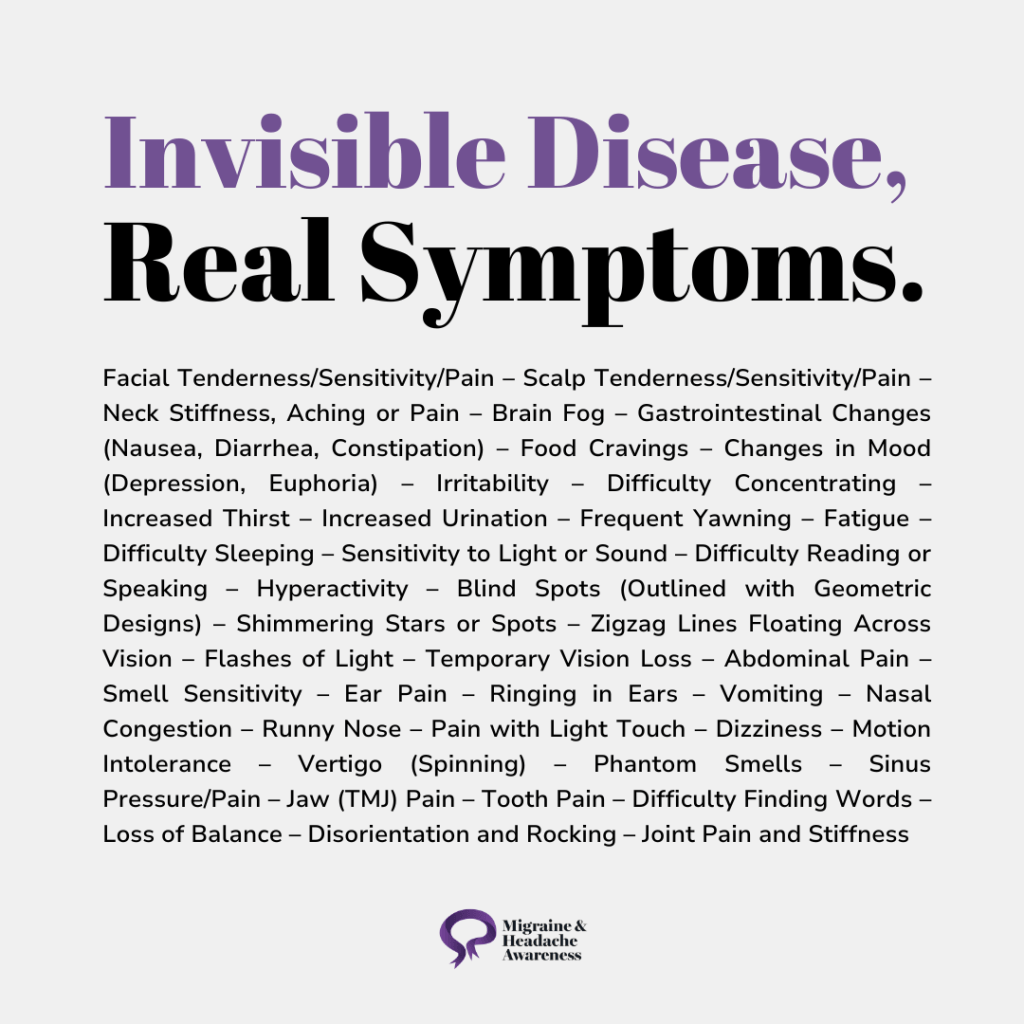

  • Migraine and Headache Awareness Month

    Migraines and headaches are common neurological conditions that affect millions of people worldwide. Over 37 million Americans are affected, disrupting daily life with intense pain, nausea, and sensitivity to light and sound.

    Migraines are more than “just headaches.” They are a neurological disorder, often chronic with symptoms lasting hours or days. Chronic migraines, affecting about 2% of the population, occur 15 or more days per month, challenging work, relationships, and mental health.

    There are more than 150 different types of headache diseases, with varying symptoms and treatments, but patients should not have to accept any level of pain as status quo. There are options.

    Your Path To Better Days

    Too many of us have lived with this debilitating disease for years. If you are struggling with migraines or headaches, know that treatments and support systems are available. Here are ways to get you started:

    1. Schedule a dedicated appointment with a healthcare provider
    2. Track and share your symptoms with your provider
    3. Get a correct diagnosis
    4. Get treatments that meet your personal goals
    5. Request a specialist referral if needed

    Every June is National Migraine and Headache Awareness Month. The initiative focuses on understanding these conditions, reducing stigma, and promoting effective treatments. Whether you’re dealing with occasional tension headaches or chronic migraines, identifying your triggers and working with a healthcare provider can make a significant difference. With the right treatment plan and lifestyle adjustments, it’s possible to reduce the frequency and severity of headaches and regain control of your daily routine.

    Click for more information about White-Wilson Neuroscience Center.

  • Your Child’s First Pediatrician Visit

    As a first time parent that initial visit to the pediatrician can be surrounded by some uneasiness. Between the sleep deprivation and many questions, where do you even start? Rest assured the pediatricians at White Wilson have your back. We will love you and your child well from the moment you step into our office. We are here to partner with you through the journey of parenting.   Typically, this first visit occurs 3-5 days after birth and it is an opportunity to get to know your pediatrician, understand your baby’s health, and address any concerns you may have. 

    What to Expect on the First Visit

    Rachel Couch, APRN, of White-Wilson Pediatrics in Fort Walton Beach, explains what a pediatrician will most likely do on your child’s first visit.

    • Weigh and measure your baby.
    • Check their heart, lungs, reflexes, and overall appearance.
    • Ask about feeding, bowel movements, and sleep.
    • Review hospital records (e.g., newborn screenings, birth complications).
    • Discuss vaccinations or schedule them (e.g., Hepatitis B if not given at birth).
    • Give you a heads-up about what’s normal. Yes, babies poop and sleep a lot! 

    Additionally, APRN Couch has provided a list of questions and discussion topics to help you prepare when speaking with your child’s pediatrician.

    • Growth and Development
      • Is my baby’s weight, length, and head circumference on track for their age?
      • What developmental milestones should I expect in the coming weeks/months?
      • What are the symptoms I should call about or visit the ER for? 
    • Feeding
      • Is my baby feeding well (whether breastfed, formula-fed, or both), and are there any concerns about their feeding habits?
      • How often should they be fed, and how do I know if they are getting enough?
      • If breastfeeding, any tips for latch issues, milk supply, or pumping?
      • If formula-feeding, how much and how often? Are there any specific brands or types to consider?
      • When and how should I introduce solid foods?
    • Sleep
      • What is a normal sleep pattern for my newborn, and how can I help establish healthy sleep habits?
      • Is it safe for my baby to sleep on their stomach, back, or side? (Spoiler: Back is safest.)
      • Any tips for dealing with frequent waking or fussiness at night?
    • Health and Immunizations
      • What vaccinations are recommended at this stage, and what is the schedule moving forward?
      • What are common newborn health issues (e.g., jaundice, rashes, reflux), and when should I call you?
      • Are there any screening tests (e.g., hearing, metabolic disorders) we need to follow up on?
    • Daily Care
      • How often should I bathe my baby, and what products are safe for their skin?
      • What is the best way to clean their eyes, ears, or nose?
      • How do I manage diaper rash or other skin irritations?
      • Any advice on nail trimming to avoid scratching?
    • Safety
      • What are the most important safety tips for a newborn (e.g., car seats, co-sleeping risks, SIDS prevention)?
      • How do I ensure a safe sleep environment?
      • Are there household hazards that I should be concerned about?
    • Parental Support
      • How do I recognize signs of postpartum depression or anxiety in myself or my partner?
      • Are there any resources you can recommend for first-time parents?
      • When should I call your office versus taking my baby to urgent care or the ER?
      • Are there specific symptoms or behaviors I should report before the next visit?

    “Track feeding, diaper changes, and any unusual patterns are information that would help the pediatrician to assess the health of your child,” says APRN Couch. “If you’re struggling, whether it’s with breastfeeding, sleep, or your own emotions, be honest and speak up. “We want to help you.” 

    “No question is too small, and your concerns are valid. I remember when I first became a parent and all the uneasiness about my daughter’s feeding and being so small etc. I had all the questions too. We expect first-time parents to have many questions,” continues APRN Couch.  “The goal is to leave the visit feeling informed and supported. If you think of questions later, most offices have a nurse line or portal for follow-ups.” Thank you so much for the privilege of taking care of your children. We cannot wait to meet you! 


    Rachel Couch, FNP-BC, is a board-certified family and pediatric nurse practitioner providing care for patients at White-Wilson Pediatrics in Fort Walton Beach. Her specialty lies in providing pediatric care, including wellness care, preventive medicine, the diagnosis and treatment of acute and chronic illnesses, and physical exams. Learn more about APRN Couch and her approach to patient care here. 

  • Why an Annual Wellness Visit is vital for you

    Imagine your body as a car. You wouldn’t drive it for years without a tune-up, right? Just like regular maintenance keeps your vehicle running smoothly, an Annual Wellness Visit (AWV) ensures your health stays on track. This often-overlooked appointment is a powerful tool for prevention, early detection, and personalized care. Let’s break down why your AWV is one of the smartest health moves you can make.

    An Annual Wellness Visit is a yearly check-in with your healthcare provider, typically covered by Medicare and many private insurance plans at no out-of-pocket cost. Unlike a standard physical exam, the AWV focuses on preventive care and long-term health planning. It’s not about addressing immediate problems (like a sore throat or a sprained ankle) but about assessing your overall health, identifying risks, and creating a roadmap to keep you thriving.

    During an AWV, your doctor will:

    • Review your medical history and medications.
    • Measure basics like height, weight, and blood pressure.
    • Assess your risk for conditions like diabetes, heart disease, or cancer.
    • Update vaccinations and recommend screenings (e.g., mammograms or colonoscopies).
    • Discuss lifestyle factors like diet, exercise, and mental health.
    • Develop a personalized prevention plan for the year ahead.

    Benefits of an Annual Wellness Visit

    • Catch Problems Early
      The earlier a health issue is detected, the easier it is to treat. An AWV can spot red flags—like slightly elevated blood pressure or irregular blood sugar—before they turn into serious conditions like heart disease or diabetes. For example, a simple conversation about family history might prompt a screening that catches cancer in its earliest, most treatable stage. Early detection saves lives, and the AWV is your first line of defense.
    • Prevention Is Better Than Cure
      The AWV is all about staying ahead of trouble. Your doctor might recommend a flu shot, a cholesterol check, or a bone density test based on your age and risk factors. These small steps can prevent big problems down the road. For instance, staying up-to-date on vaccinations can protect you from diseases like pneumonia, which can be life-threatening for older adults. By focusing on prevention, you’re investing in a healthier, longer life.
    • Personalized Health Guidance
      Your provider will tailor advice to your unique needs. Struggling with stress? They might suggest mindfulness techniques. Gained a few pounds? They’ll offer practical tips for healthy eating. This visit is your chance to ask questions and get expert guidance without the rush of a sick-visit appointment. It’s like having a health coach who knows your medical history inside and out.
    • Saves Time and Money
      Skipping your AWV might seem like no big deal, but neglecting preventive care can lead to costly, time-consuming health problems later. Treating advanced conditions like heart failure or cancer is far more expensive (and stressful) than managing risk factors early. Since AWVs are often fully covered by insurance, they’re a budget-friendly way to stay proactive about your health.

    Who Should Get an AWV?

    While AWVs are especially important for adults over 65 (thanks to Medicare coverage), anyone can benefit from annual preventive care. Younger adults, seniors, and even those managing chronic conditions should make this visit a priority. No matter your age or health status, an AWV keeps you one step ahead.

    How to Make the Most of Your Visit

    • Make a List: Jot down questions, symptoms, or lifestyle changes you want to discuss.
    • Bring Records: Share your medication list, vaccination history, or recent test results.
    • Be Honest: Open up about habits like smoking, drinking, or stress—your doctor’s there to help, not judge.
    • Follow Through: Act on your prevention plan, whether it’s scheduling a screening or starting a walking routine.


    Your Annual Wellness Visit isn’t just another appointment—it’s a gift to your future self. It’s a chance to catch issues early, prevent disease, and get personalized advice to live your healthiest life. In less than an hour, you can set the stage for a year of vitality. So, make your AWV a non-negotiable part of your routine, and schedule an appointment with your provider. Your body (and your future self) will thank you.

  • A Woman’s Guide to Health and Wellness

    Women’s health is a lifelong journey, and every step toward wellness counts. Margaret LaForge, APRN, White-Wilson Internal Medicine registered nurse practitioner, shares practical insights to help women thrive at any age. With a focus on empowerment, she offers guidance to support physical, mental, and emotional well-being.

    Reproductive Health


    From menstruation to menopause, a woman’s reproductive journey is unique. APRN LaForge encourages tracking cycles to spot irregularities early. For those navigating pregnancy, she emphasizes prenatal care for a healthy start. During menopause, when hot flashes or mood shifts arise, simple strategies like hydration and stress relief can ease the transition. “Understanding your body’s changes builds confidence,” APRN LaForge notes. Women unsure about fertility or cycle concerns can find answers through a quick discussion with their doctor, ensuring personalized care.

    Mental Health


    Mental well-being shapes every day. Stress, anxiety, or moments of self-doubt are common but manageable. APRN LaForge suggests small habits: five minutes of deep breathing, journaling, or connecting with a friend. Mental health is the foundation of overall wellness. For those feeling overwhelmed, professional support—whether therapy or a doctor’s visit—can make a difference. Building self-esteem starts with self-compassion, and every woman deserves that kindness.

    Physical Health


    A strong body fuels a vibrant life. APRN LaForge advises eating nutrient-rich foods such as leafy greens, berries, lean proteins, and calcium-packed dairy or alternatives. These choices support energy, heart health, and bones, especially as women age. Movement is just as vital. Whether it’s a brisk walk, a dance session in the living room, or a yoga flow, 30 minutes daily keeps muscles toned and spirits lifted. Sleep is often overlooked; it is essential to have seven to eight hours nightly to help the body repair and recharge.

    Preventive Care


    Screenings are a woman’s health superpower. APRN LaForge stresses the value of mammograms, Pap smears, and routine bloodwork to catch issues early. These quick visits, though sometimes daunting, offer peace of mind. A mammogram takes minutes but can detect breast changes years before symptoms appear. Pap smears, similarly, safeguard cervical health. “Prevention is about staying ahead,” APRN LaForge explains. “Scheduling these checks ensures you stay proactive, not reactive, about your health.”

    Aging and Longevity


    Aging is a privilege; APRN LaForge encourages embracing it with vitality. Hydration and sunscreen keep skin radiant, while activities like reading, puzzles, or learning a new hobby sharpen the mind. For joints that feel stiff, gentle stretches or swimming can restore ease. Nutrition plays a role too. Foods rich in omega-3s, like salmon, support brain health. Aging isn’t about slowing down; it’s about living fully. With small tweaks, women can feel vibrant at any age.

    Lifestyle Boosters


    Self-care weaves health together. APRN LaForge recommends starting small such as a five-minute meditation, a gratitude list, or a laugh-filled coffee date with friends. Staying hydrated by drinking eight glasses daily helps to keep energy steady. Social connections matter too as a supportive circle lifts mood and resilience.

    Take the Next Step


    Take small simple steps to start living healthier. Whether it’s adding a daily walk, scheduling a medical screening, or picking up a hobby, small actions lead to lasting results. Resources like local support groups or simply speaking to your primary care physician helps to stay on track with your health. The journey to wellness begins with a single step.


    Margaret LaForge, APRN is a registered nurse practitioner with White-Wilson Medical Center’s Internal Medicine team. Her approach to patient care is centered on compassionate, holistic, and evidence-based practice. She focuses on patient empowerment by helping patients to understand their health and make informed decisions. Learn more about APRN LaForge and her approach to patient care here.

  • Mental Health- The Warning Signs of Suicide for Adults and Teens

    Suicide remains a critical public health concern, affecting both adults and teens across diverse communities. It is often driven by complex factors, including mental health challenges, social pressures, and life stressors, making it essential to recognize the warning signs and offer support.

    For teens, navigating academic, social, and emotional challenges can heighten their vulnerability, while adults may face overwhelming responsibilities or feelings of isolation. Understanding the root causes, reducing stigma, and fostering open communication are vital steps toward prevention. Learn the impact of suicide, highlight warning signs, and emphasize the importance of seeking help to save lives.

    What are the warning signs for adults?

    Risk is greater if a behavior is new or has increased, and if it seems related to a painful event, loss or change.

    • Talking about or making plans for suicide
    • Acting anxious or agitated; behaving recklessly
    • Talking about being a burden to others
    • Talking about feeling trapped or in unbearable pain
    • Increasing the use of alcohol or drugs
    • Talking about feeling hopeless or having no reason to live
    • Sleeping too little or too much
    • Withdrawing or feeling isolated
    • Showing rage or talking about seeking revenge
    • Displaying extreme mood swings

    What are the warning signs for teens?

    • Talking about or making plans for suicide
    • Expressing hopelessness about the future
    • Displaying severe or overwhelming emotional pain or distress
    • Showing worrisome changes in behavior, particularly in combination with the warning signs above
    • Withdrawal from or changing social connections or situations
    • Changes in sleep (increased or decreased)
    • Anger or hostility that seems out of character or out of context
    • Recent increased agitation or irritability

    If you or someone you know is struggling and showing the above warning signs, help is available. Call 988 or visit 988lifeline.org, or reach out to a mental health professional. If you are a patient of White-Wilson Medical Center, speak with your primary care physician to get support and resources that you need.


  • Balance – Why Do We Fall?

    Every year, over two million Americans suffer serious injuries from falls, resulting in costs exceeding $3 billion. Falls and injuries are one of the biggest health concerns of the elderly. As our senior population continues to grow, the prevalence of falls and their associated consequences is expected to increase.

    Why Falls Happen

    Health-related causes: Medications for blood pressure, heart disease, allergies, and depression can affect your balance and alertness. Vision problems like cataracts or glaucoma reduce your ability to see obstacles. Conditions like arthritis, osteoporosis, and muscle weakness make movement more difficult and bones more fragile.

    Lifestyle factors: Lack of exercise, poor diet, and smoking contribute to muscle weakness, bone loss, and reduced balance over time.

    Environmental hazards: Loose rugs, poor lighting, clutter, and slippery surfaces create dangerous conditions in your home.

    Simple Steps to Prevent Falls

    Stay Active: Regular exercise strengthens muscles, improves balance, and maintains coordination. Even simple activities like walking can make a significant difference.

    Manage Your Health: Have your vision and hearing checked annually. Review all medications with your doctor—both prescription and over-the-counter drugs can affect balance. Manage chronic conditions like diabetes and high blood pressure.

    Move Safely: Stand up slowly to avoid dizziness. Use assistive devices like canes or walkers when needed. Wear sturdy, low-heeled shoes with non-slip soles.

    Make Your Home Safer:

    • Remove throw rugs and secure area rugs with tape
    • Keep walkways clear of furniture and electrical cords
    • Install adequate lighting in all areas, especially stairways
    • Add grab bars in bathrooms and non-slip mats in tubs
    • Place light switches near your bed and bedroom door
    • Use nightlights in bedrooms, hallways, and bathrooms
    • Never stand on chairs to reach high shelves

    If You’ve Already Fallen

    Don’t be discouraged—much can be done to prevent future falls. Work with your healthcare team to:

    • Evaluate your balance and identify any underlying causes
    • Review and adjust medications that might increase fall risk
    • Assess your mental function, as confusion can contribute to falls
    • Develop a personalized prevention plan

    Take Action Today

    Falls are not an inevitable part of aging. By staying active, managing your health conditions, and creating a safe home environment, you can significantly reduce your risk and maintain your independence. Start with one or two changes today—your future self will thank you.

    Remember: preventing falls is about staying safe while continuing to live the active, independent life you deserve.


  • Heathly Guidelines for Holiday Travels and Gatherings

    As the holidays approache, we wanted to share with you the guidelines for safe holiday celebrations and travel. As you prepare for your holiday plans, here are a few healthy tips to keep you safe over the holidays.

    Medications
    When making trip plans, do not forget to pack your medications. It is usually a good idea to keep a list of your medical diagnosis when traveling overseas. To ensure you have enough medication to get you through your trip and any unforeseen delays, and have your medications refills before traveling.

    Traveling 

    When traveling by car with the family, pack healthy snacks such as fruits, veggies, and nuts for convenience. If you are flying this holiday season, be sure to verify your destination’s travel restrictions. It is usually a good idea to have a game plan in place in case illness occurs along the journey. Whether traveling by air or road, make sure to stay hydrated, and when traveling by road, remember to include a first aid kit.

    Flu Vaccine
    Don’t forget to get the seasonal flu vaccine. Protect yourself and your loved ones with a flu vaccine to avoid having your holiday plans disrupted by an unexpected sickness.

    Hosting 
    If you are hosting holiday gatherings at your house this season, remember to spread out furniture to reduce overcrowding, as well as increase ventilation and take advantage of the great Florida weather. Make antibacterial hand soap and alcohol-based hand sanitizers available throughout your home and advise anyone who is feeling under the weather to skip the party.

    Holiday Food
    To avoid food contamination while preparing holiday dinners, keep raw meats apart from fresh veggies and other food products. Remember to wash your hands and counters frequently. Refrigerate foods within a few hours of serving, and discard leftovers after three to four days.

    Gatherings over the holidays allow you to reconnect with friends and family. These tips can help you enjoy your holiday season while remaining healthy and safe.


    The content of this article has been adapted and updated from our video library. If you wish to watch the video, click here.

  • Hearing Loss : Signs and Symptoms

    Do you struggle to hear when you are talking on the phone? Do you find it challenging to pick up conversations when you’re in a group setting?

    Hearing loss is a medical condition. Surgery can only correct hearing loss in a small percentage of people, whereas medical devices and rehabilitation can significantly decrease hearing loss in many patients who cannot benefit from surgery.

    The most common cause of hearing loss in children is otitis media. For the elderly, which is the largest and most vulnerable group affected, excessive noise, medications, toxins, and genetics are the greatest contributing factors. 

    Dr. Tim Skinner, an audiologist at White Wilson Medical Center, explains the warning symptoms of hearing loss. The following are various indicators that you may be experiencing hearing loss.

    • Even with a minor hearing loss, the most common difficulty is understanding speech, especially in noisy situations or when multiple people are talking. Observe how you interact at the next family dinner and note any complaints you have about people mumbling.
    • The next sign is having difficulties hearing on the phone. You may frequently respond by requesting the person on the other end to speak louder or repeat themselves. Another clue could be the need to raise the TV’s volume above its normal level.
    • When you have hearing loss, you will find it more difficult to enjoy social interactions. When a person withdraws from activities they normally like and lacks confidence in social contacts, it indicates a more serious loss.

    If you or your elderly loved ones are experiencing any of these symptoms, contact your primary provider or visit the White-Wilson Audiology service for a hearing health evaluation. For more information, click here.


    The content of this article has been adapted and updated from our video library. If you wish to watch the video, click here.

  • Healthy Aging

    Maintaining a healthy lifestyle becomes increasingly important for optimal aging. The things we do to keep our body and mind healthy, such as a nutritious diet, physical activity, and social connections, can help promote health and wellness.

    Healthy aging is about maintaining physical, mental, and social well-being as we grow older. Regular exercise helps keep muscles strong and joints flexible, while a balanced diet rich in fruits, vegetables, and lean proteins supports overall health. Staying mentally active—whether through reading, puzzles, or learning new skills—can help preserve cognitive function.

    Social connections also play a vital role in aging well. Engaging with friends, family, and community activities can combat loneliness and enhance emotional well-being. It is also important to schedule regular health check-ups to catch potential issues early.

    Healthy aging isn’t about avoiding aging altogether but embracing it with vitality and resilience. Small lifestyle adjustments can lead to a longer, healthier, and more fulfilling life.

    Here are some things you can do to age healthily:

    1. Eat well and healthy.
    2. Exercise and stay physically active.
    3. Manage your weight.
    4. Learn new things and make time for hobbies.
    5. Get enough sleep.
    6. Be mindful of your medications.
    7. Avoid substance abuse, stop smoking and limit alcohol.
    8. Maintain social relationship.
    9. Manage stress levels.
    10. Engage your brain to improve cognitive functions.
    11. Know your blood pressure and schedule regular medical checkups.

    Whatever your age, the time to make healthy changes is now. You will get the greatest benefits from starting early, but it is never too late to make healthy changes now.