
Category: Health

  • The Path to Herd Immunity

    Over the last month, vaccines tasked with arming us against COVID-19 have begun arriving around the country, bringing with it much excitement that we might soon be rid of the global pandemic that has plagued us. While it may be a while before the public-at-large is able to receive the vaccine, the topic is hot among dinner tables and water cooler conversations.

    One popular term making its way around these discussions and onto the news is ‘herd immunity.’  Also known as ‘population immunity,’ herd immunity occurs when a large percentage of a community becomes immune to a disease, inhibiting its ability to spread to the point where the whole community, even those within it who are not immune, are protected from the disease. This is especially beneficial in cases where a community consists of people who are at increased risk from a disease, such as newborns and the immunocompromised.

    It is easy to see why ‘herd immunity’ is an exciting prospect. After almost a year of restrictions and precautions, we are all ready for things to get back to normal, but it won’t be an easy path.

    “For herd immunity to occur a large percentage of the community’s population needs to be immune, either through vaccination or previous infection,” explains Dr. Gregory Stepp of the White-Wilson Family Medicine Clinic. “This percentage varies by disease with the more contagious diseases having a higher percentage to meet.  For example, measles, a highly contagious disease, requires approximately 94% of a population to be immune for herd immunity to occur. It is a tall order, but as we have seen in the case of measles, polio, mumps and chickenpox, it is possible through vaccination programs.”

    Because the virus that causes COVID-19 was previously unheard of and scientists continue to learn about it, the threshold for herd immunity (HIT) that needs to be met is unknown at this time. Many experts anticipate that number to fall somewhere between 50% and 90%, meaning the majority of people in a community will need to be immunized against the virus for herd immunity to be achieved.

    “If we all get on board, this is doable,” says Dr. Stepp, “especially with the vaccine becoming available.”

    The availability of a vaccine often makes a huge difference when it comes to achieving herd immunity.  Without a vaccine, we would have to rely on a large number of the population becoming sick with and recover from COVID-19. Depending on the disease, that can be extremely risky.

    “It is very clear to us that COVID-19 can cause severe illness and even death in certain instances,” Dr. Stepp elaborates. “Waiting to meet the HIT through natural infections will result in more suffering and death than is necessary, not to mention, the increased strain it will put on our already overstressed health care system. Vaccines are a way to circumvent these issues.”

    There is also the hurdle of vaccine hesitancy. As is the case of any vaccination, some segment of the population will be opposed to it, whether it’s for ethical or religious reasons or because people are uncomfortable with the speed at which this vaccine was developed. According to Pew Research Center, approximately 60% of the U.S. population reports that they will or probably will receive a COVID-19 vaccination once it becomes available. And while this does fall within the range of the estimate HIT, it leaves little room for error.

    “I understand that the idea of a vaccine can be scary, especially one that has been created so quickly,” says Dr. Stepp. “However, it is important to know that everything the research tells us is that this vaccine is safe. While getting control over the virus is the ultimate goal, safety is and has always been at the forefront of the discussion. We have proof of this. Millions of people around the country have received the vaccine and of those million and very few instances of severe side effects have been reported. “

    “There is a lot of misinformation out there and it can be hard to know what is correct,” he continues. “But don’t just take my word for it. Ask your doctor and the medical professionals in your life. Get multiple opinions from people who know the science and not just your peer group. That way you are making the most informed decision one way or another.”

    “Herd immunity would be an excellent way to fight back against COVID-19,” Dr. Stepp explains, “but there is still the chance that it may not happen. That is why it is important to continue taking precautions like the ones we have been. This disease is still very new to everyone and while we know more than we did in March, there is much yet to learn. As scientists and doctors continue to do their part, I urge you to continue to do yours as a show of support.”

    Dr. Gregory Stepp is a board-certified family medicine practitioner at White-Wilson Medical Center in Fort Walton Beach. Click here to learn more about Dr. Stepp and his approach to patient care.
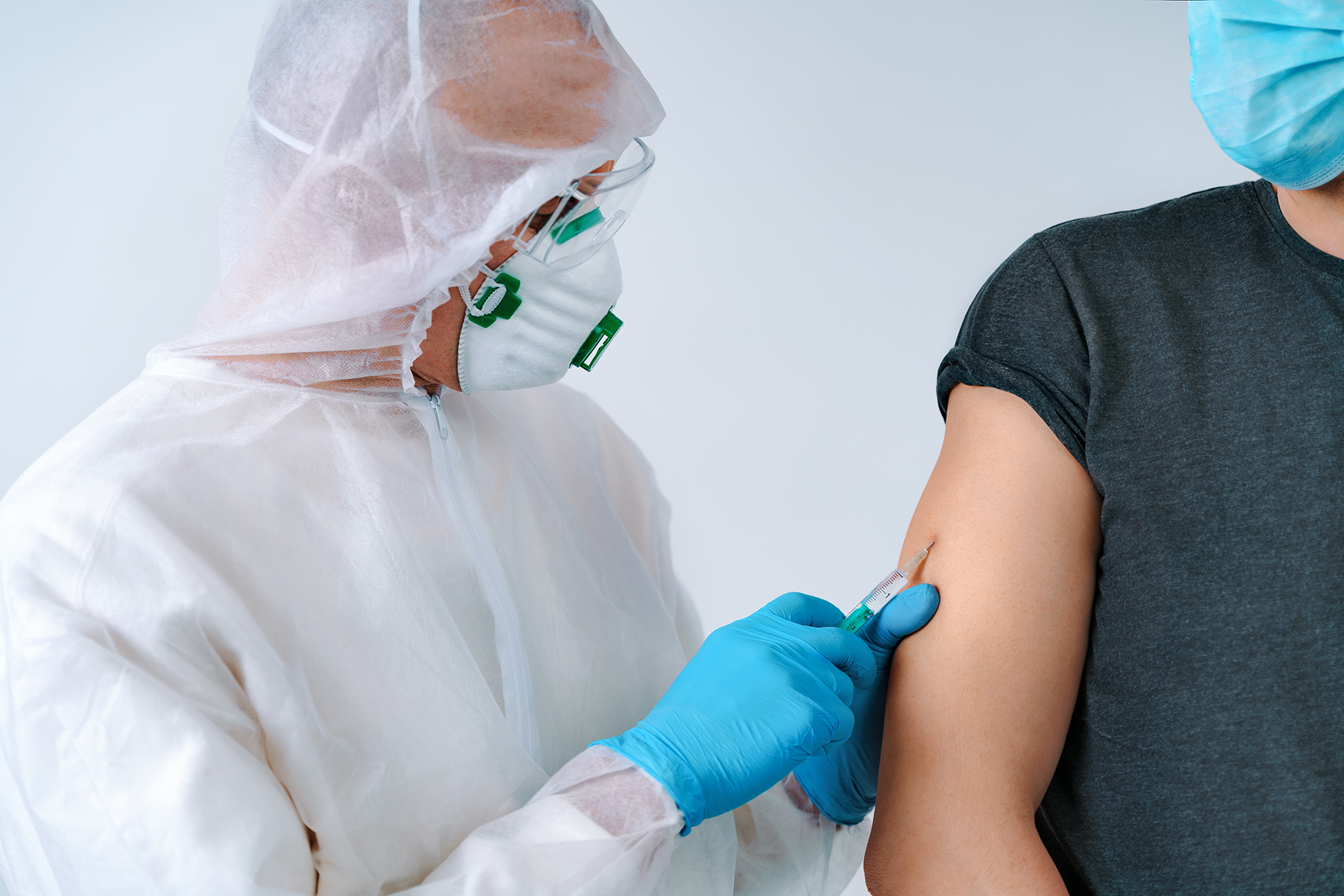
  • Myth Busters: If I Receive My COVID-19 Vaccine, I No Longer Have to Wear a Mask.

    It’s finally a new year. And as with every new year, it comes with new hope that we can leave the past behind us and usher in a better and brighter tomorrow. After the difficult year that was 2020, this has never been truer.

    Luckily, leading the charge toward a happier and healthier 2021 is the COVID-19 vaccine, which, in recent weeks, has started being administered throughout the nation. The excitement for the vaccine is certainly palpable, with the belief that receiving it will mark a return to normal and the end of quarantining, social distancing and wearing masks. While that is a goal in the long run, it won’t be an instantaneous change.

    “Even if you do receive the COVID-19 vaccine, you should continue to take precautions when it comes to protecting yourself and others from the disease,” says Dr. Chinh Vien Van of the White-Wilson Immediate Care Clinic. “It won’t be an on-and-off type of situation. Time is a necessary component as well.”

    Vaccines work by stimulating your body’s immune system to develop antibodies used to fight virus.

    “This process takes time,” explains Dr. Van. “It could be a week, it could be a month or longer, and during this time, it is possible that you may contract the virus and become sick. Further, both COVID-19 vaccines approved by the FDA require two doses to reach full effectiveness, administered either 21 days or 28 days apart. This also leaves time where you’re not fully protected you may become infected.”

    Another aspect working against an instant fix is the vaccine’s level of effectiveness. Initial studies have shown high levels of effectiveness in the approved vaccines’ abilities to reduce/prevent severe illness. Less research has been done on the vaccines’ effectiveness in preventing a person from being able to transmit the disease. Scientists believe that it is likely for the vaccines to have some effectiveness at preventing transmission, but more study is necessary and even then, it is very unlikely that number will be 100%.

    “There is always a chance that you or someone you know will fall into that percentage of exception,” says Dr. Van. “It is better to be safe than sorry and to use all the tools we have available to guard yourself and your loved ones from infection.”

    “I have no doubt there will be a day that we can be rid of these increased restrictions,” he continues. “Whether it is in a few months or a year will, in part, depend on our willingness to continue taking protective measures while everyone waits to receive the vaccine. Until that time, we must all keep wearing our marks, social distancing and avoid gatherings to slow the spread of this virus.”

    This myth is busted.

    Dr. Chinh Vien Van is board-certified by the American Board of Family Medicine and practices at the White-Wilson Immediate Care Clinics in Crestview, Fort Walton Beach, Navarre and Niceville. White-Wilson Immediate Care Clinics are open seven days a week in Fort Walton Beach. Click here to learn more about Dr. Van and his approach to patient care, and view his video bio.

  • A Guide to Preventing Teen Vaping

    Source: National Institute on Drug Abuse

    While there is still a lot to be learned about the effects of vaping, one thing is clear, its popularity is on the rise. Sitting at a red light you will see white clouds billowing out of cracked windows and gas station counters are cluttered with liquids, pens, chargers and other vaping paraphernalia. Over the last decade, vaping and e-cigarettes have become engrained in our culture.

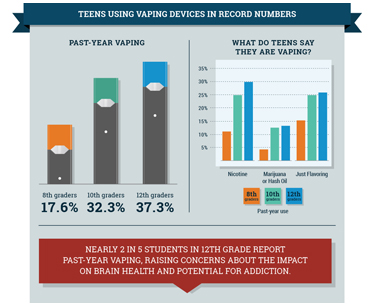
    Unfortunately, the group taking to the trend most quickly is teens. According to the National Institute of Health, in 2018, 37.3 percent of 12th graders reported vaping within the past 12 months. That number rose almost 10 percent from just the year prior. Throughout the country, teens are vaping both tobacco and marijuana products. After relatively short periods of time some are also finding themselves hospitalized with symptoms such as cough, shortness of breath, vomiting, diarrhea, fever and weight loss. These are all symptoms of vaping-related illness.

    Throughout the country hundreds of teens have fallen ill as a result of vaping. The easy access to the products, enticing flavors such as cotton candy, donuts, Fruit Loops and mint, paired with the lack of state and federal regulations, makes the products popular among teens.

    Dr. Richard Reno, a pediatrician at White-Wilson’s Destin Clinic, offers some tips for helping adults understand the issue and prevent the children in their lives from engaging in this dangerous behavior.

    1. Familiarize yourself with how these products are sold and what they look like. Many popular devices look like USBs, pens and car keys. A little research will help you know what to look for and how these products are hidden and disguised.
    2. Talk with kids before they begin vaping. It is important to have conversations before they are faced with the choice to experiment with tobacco, drugs or alcohol. Age-appropriate conversations should be had throughout a child’s life, not just when you suspect they are engaging in something they shouldn’t.
    3. Encourage children to think critically not to just listen to their friends. They should always do their own research before making risky choices.
    4. Understand your child’s brain. This may seem like a challenge, but adults should understand that a child’s brain develops throughout the teen years and into the early 20s. This time of development means that teens are more prone to impulsive behaviors and addiction. Tobacco, drugs and alcohol have greater effect on the teen brain than that of an adult.
    5. Be vigilant. You should be alert to any changes a child’s mood, appearance or behavior that might be warning signs and talk with your child’s pediatrician if you have concerns.

    While the long-term health effects of vaping are yet to be understood, this risky behavior is one that adults should not take lightly. Parents, teachers, physicians and loved ones must work together to help prevent the spread of vaping and educate teens on the negative health consequences of using these products.

    Dr. Richard Reno is a board-certified pediatrician with more than 25 years of experience. He cares for pediatric patients at the White-Wilson Pediatric Clinic in Destin and is now accepting new patients.

  • Myth Buster: Wet Hair Can Result in a Cold


    Cold and flu season is well underway, and you may hear that, “you better make sure your hair is dry before going to sleep or outside, otherwise you’ll catch a cold.” This myth can be traced back for decades to when it was believed that wet sleeping conditions made people more susceptible to illness.
    This logic is applied today to going to bed with wet hair, but is there any truth behind a warning that has been passed down from one generation to the next? White-Wilson Family Medicine PA, Gary Mousseau provides insight on the issue.

    “While colds and flus circulate during colder weather seasons, you must actually be exposed to a virus to contract it,” said Gary Mousseau, PA-C. “Fortunately the common cold cannot be conjured up by a cold, wet head. The viruses that cause colds are spread from close contact with infected people or surfaces.”

    How to fight off the common cold?
    While your hair helps keep your head warm, wet hair cannot make you contract a virus you have not been exposed to. You will simply feel chilly or uncomfortable. PA Mousseau adds that you can help your immune system fight off viruses by staying hydrated, eating a healthy diet and getting plenty of rest and exercise.

    What are the symptoms of the common cold?

    • Sore throat
    • Runny nose
    • Coughing
    • Sneezing
    • Headaches
    • Body aches

    When to seek treatment for a cold?
    While most people recover from the common cold on their own in seven to 10 days, people with a weakened immune system may develop complications. In most cases the common cold simply must run its course, however, PA Mousseau recommends seeking medical care if you or your child have any of the following symptoms:

    • Symptoms that persist for 10 or more days
    • Severe or unusual symptoms
    • Fever
    • A child younger than three months and has a fever or is acting lethargic

    If you are unsure, your health care provider is the best person to determine if you have the cold or flu and to recommend treatment.

    Takeaway:
    PA Mousseau concludes that while you will be may be more comfortable with a warm head, you cannot get sick from it. Remember to wash your hands frequently and make sure your body has the rest and nutrition it needs to fight off viruses. Stay away from people that are sick and avoid touching your eyes, nose and mouth with unwashed hands.

    This Myth is BUSTED.

    Gary Mousseau, PA has more than 40 years of health care experience and is accepting new patient at the White-Wilson Medical Center Family Medicine Clinic

  • Storing Holiday Leftovers Safely

    As the holidays approach, many of us are thinking about what we and our friends and family will be eating come the big day and, as leftovers are an inevitable part of any large meal, many days afterwards. No matter how much you plan and calculate, you will have more food than you and your guests can eat, so it is important to know how to keep your half-eaten casseroles, slices of turkey and delicious pies safe to consume after the celebration has come and gone.

    According to Dr. Ana May Manuel of the White-Wilson Family Medicine Clinic in Fort Walton Beach, storing your leftovers in appropriate conditions is one of the best ways to prevent foodborne illness. This year alone, one in six Americans will get sick from food poisoning and this holiday season, you don’t want to be one of them.

    “Food storage is not something a lot of people think about,” she explains, “but there are rules to follow in order to keep your food safe and prevent illness. Food-related illnesses are always unpleasant but in some cases, they can even become life-threatening.”

    The first way to make sure your leftovers are safe to eat, according to Dr. Manuel, is to cook them properly to begin with and as per United States Department of Agriculture Food Safety and Inspection Service recommendations.

    “The US Department of Agriculture offers recommendations that range from cleanliness of a cooking space to temperature at which you should cook meat and are the perfect place to start when it comes to cooking safely,” she says.

    After safely cooking your meals and enjoying them with your friends and family, it’s important to start thinking about leftover storage as soon as possible.

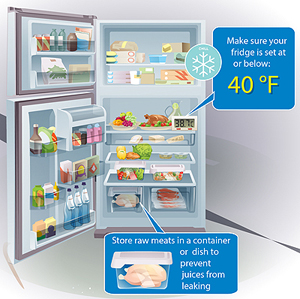
    “Most dishes should be refrigerated within two hours of being cooked, unless you are keeping them at a safe temperature through a warming or cooling technique,” Dr. Manuel says. “As a general rule of thumb, hot food should be kept above 140°F and, cold food should remain below 40°F. If you do not adhere by these guidelines, you risk the chance of bacteria growing, making the food unsafe to eat.”

    Dr. Manuel also recommends storing food in many smaller, airtight containers before refrigerating, which enables the dishes to cool faster and also keeps bacteria from growing.

    “Finally,” Dr. Manuel says, “no matter how much you love your leftovers, they should only be kept in the refrigerator for 3 to 4 days before being thrown out. To keep them any longer, I recommend freezing them, which allows them to keep for 3 to 4 months. That way you can enjoy all that Thanksgiving goodness well into the New Year!”

    Dr. Ana May Manuel is a Family Medicine physician at White-Wilson Medical Center in Fort Walton Beach. She currently offers same day appointments and is now accepting new patients. Learn more about Dr. Manuel and her approach to patient care here.


  • Myth Buster: Swimming in Saltwater is Good For Wounds

    If you have lived on the coast for long, you have probably heard about the healing properties of swimming at the beach. After all, there has been plenty of historical evidence of people using saltwater to clean and treat wounds. So it’s pretty lucky for us that we live within minutes of a huge source of this miracle healing solution, right?

    Not so fast.

    “While it is true that medical professionals sometimes use a saline solution to clean wounds,” said White-Wilson Family Medicine Physician Dr. Christopher Cave, “this solution is very different from the saltwater you would find in the Gulf of Mexico.”

    As Dr. Cave explains, the saline solution you find in your doctor’s office or at the drugstore has been sterilized and contains only salt and water meaning you aren’t introducing any other bacteria or harmful material to the wound that may result in infection.

    “That is definitely not the case when it comes to large open bodies of water such as an ocean or the Gulf. In fact, it is well documented that seawater, especially warmer water, is a popular host of bacteria and viruses,” said Dr. Cave. “In most cases, these are harmless. However, there is an exception when you have an open wound.”

    Dr. Cave explains that swimming in the ocean with an open wound can be dangerous. “You no longer have the protection of your skin to keep out harmful materials and bacteria and thus, you have a greater chance of developing an infection.”

    Though it makes cooling off in this August heat more of a challenge, Dr. Cave recommends skipping the beach if you have an open wound. “It will benefit you more in the long run if you wait until a wound is healed to swim,” he said. “If you do swim with an open wound and later experience any signs of an infection, including pain or itching, visit a doctor as soon as possible.”

    This myth is BUSTED!

    Dr. Christopher Cave is a Family Medicine physician at White-Wilson Medical Center in Navarre, Florida. He is now accepting new patients. Learn more about Dr. Cave and his approach to care here.

  • Is My Kidney Function Declining?

    Is My Kidney Function Declining?

    Sometimes it seems like each birthday brings a new set of ailments or pains. Our knees may ache a little more than they used to, or we might squint a little harder when reading the score of Saturday’s game. Those are just a normal sign of aging. However, it is not as easy to see what effects aging may be having on other parts of our body. We know to be concerned with the function of our heart and lungs, but few stop to wonder how their kidneys are functioning.

    Kidneys play a very big part in your day to day life. Their hard work filtering your blood is often overlooked. Unfortunately, the same goes for their gradual decline.

    “Over time, your kidney, or renal function, will decline. That is an inevitable part of aging,” says White-Wilson Medical Center Nephrologist Dr. Brad Arbogast. “What we have to watch is their rate of decline. The decline can go undetected until after major damage is done. This can result in kidney disease and a major change in quality of life.”

    In addition to regular old wear and tear, there are many risk factors that can contribute to declining kidney function. These include your age and sex – males and African American and Latino populations are at far greater risk for kidney disease. Other influencers include high blood pressure and cardiovascular disease and even long-term medication use.

    So how do you know if your kidney function is declining?

    “This is something that your primary care physician should work with you to monitor,” advises Dr. Arbogast. “Blood and urine tests will tell us what we need to know. These tests measure your estimated glomerular filtration rate or GFR. This is a telltale sign of just how well your kidneys are doing their job.”

    Measuring a person’s GFR and then tracking changes is the best way to determine how well the kidneys are filtering and alert your physician to possible decline or disease. When a person’s GFR indicates decline, that is where a kidney specialist, also known as a nephrologist, comes in.

    “Kidney disease is a major issue and without treatment can even lead to death,” warns Dr. Arbogast. “The earlier we are alerted to a decline the more options you have. Sometimes that means just watching more closely and other times it means medication or treatment. It really depends on the individual and their unique situation, and a nephrologist is specially trained to help you navigate your choices and maintain your quality of life.”

    Advances in treatment options mean that patients who are diagnosed with kidney disease have more options than ever before. Medications can help declining kidneys and dialysis can even do the work for your kidneys. Today’s treatment options allow for more flexibility and greater outcomes than ever before. However, early intervention is key.

    Dr. Arbogast recommends that everyone, no matter their age, talk with their physician about their kidney function.

    “Every day, I see patients who could have prevented or stopped damage to their kidneys but waited too late,” says Dr. Arbogast. “Be your biggest advocate, see your primary care physician regularly and talk with him or her about your test results and your concerns.”

    Dr. Charles “Brad” Arbogast is currently accepting new patients at the White-Wilson Nephrology Clinic in Fort Walton Beach. Learn more about Dr. Arbogast and his approach to care here.

  • Being There – Tips For Supporting a Loved One With Health Challenges

    When we picture our lives, we all hope that we will grow old easily and peacefully, surrounded by our loved ones who remain healthy and happy right along with us. We never picture ourselves or someone we love struggling with a serious health issue. And so when it happens, it can be hard for us to know what to say or do. For someone going through a health challenge like a major illness or injury, it is possible that they will have a difficult time coping with the changes they are experiencing both mentally and physically. As a friend or family member, it can be tough to figure out how best to help your loved one through a hard time.
    “The best thing that you can do for a loved one who is facing a health challenge is to be there,” says Dr. Gregory Stepp of the White-Wilson Family Medicine Clinic in Fort Walton Beach. “I think people often underestimate the power of a listening ear or a shoulder to lean on, but for those who are sick, it may make all the difference.”

    Being there for someone, often referred to as “social support,” has been the subject of numerous research articles in terms of its relation to health outcomes. Almost all of these studies point to the findings that having social support can greatly improve life expectancy and even act as a buffer against psychological and physical illness.

    “We also know that social support plays a huge role after the occurrence of an illness or injury,” Dr. Stepp explains. “People who have someone to talk to or help them along the way experience fewer of the depressive symptoms that often accompany a major health challenge. This can play an important role in the recovery process.”

    Beyond serving as a listening ear for someone facing a health challenge, Dr. Stepp outlines other ways someone can offer support to a loved one.
    “For example, you can offer to do mundane tasks like running errands, cooking or cleaning. This will take things off the patient’s plate and allow them to focus more of their energy on recovery.”

    Dr. Stepp also recommends:

    • Taking your loved one out to do something they enjoy and help them get their mind off their health
    • Taking into account their limitation and finding other ways to spend time with them
    • Researching what he/she is facing so you are better informed of what they may be experiencing
    • Remaining a source of optimism for them
    • Refraining from offering advice on how to cure/treat their illness
    • Confirming that their emotions are valid and encouraging them to seek additional help if needed

    “This list is not exhaustive,” Dr. Stepp reminds. “And everybody is different. What works for one person, won’t necessarily work for the next person. That’s why it is important for you, as their loved one, to be in the support role, you know them best.”

    Dr. Gregory Stepp is a Family Medicine physician at White-Wilson Medical Center in Fort Walton Beach. He currently offers same-day appointments and is now accepting new patients. Learn more about Dr. Stepp and his approach to patient care here.

  • Myth Busters: Green Nasal Mucus means it’s Time for Antibotic

    Green Nasal Mucus Means It’s Time for Antibiotics. Or Does It?

    With springtime comes allergies, and for many, a nasty runny nose. But is that runny nose just allergies, or is there an underlying infection?

    The color of our nasal mucus is not something we tend to dwell on… until of course it’s dripping like a leaky faucet. But does green or yellow nasal mucus, also known as purulent nasal discharge, mean you have a bacterial infection?

    Although this is a common myth (even amongst health care professionals), purulent nasal discharge is not a sure sign of a bacterial infection. According to the Mayo Clinic, both viral and bacterial upper respiratory infections can cause similar changes to nasal mucus.

    “When our mucus changes color, it could indicate that we have come down with anything from the common cold, allergies, a bacterial infection, like sinusitis, or another underlying illness altogether,” said White-Wilson Immediate Care physician, Dr. Chinh Vien Van.

    While the common belief is that green or yellow mucus is a sign that you have a bacterial infection and need antibiotics, that is simply not the case. Dr. Van encourages patients to pay attention to the other symptoms present.

    “It is possible to have clear mucus and a terrible sinus infection, as well as dark green mucus and the common cold,” said Dr. Van. “If you have a bacterial infection, you will likely have other symptoms such as a fever, headache, congestion or chronic discharge.”

    If you have worsening symptoms and purulent nasal discharge for more than a four days, Dr. Van recommends seeing a health care provider.

    The moral of the story? Don’t jump to any conclusions when you see green or yellow mucus.

    This myth is BUSTED.

    Dr. Chinh Vien Van is board-certified by the American Board of Family Medicine and practices at the White-Wilson Immediate Care Clinics in Destin, Fort Walton Beach, Navarre and Niceville. White-Wilson Immediate Care Clinics are open seven days a week in Fort Walton Beach. Click here to learn more about Dr. Van and his approach to patient care, and view his video bio.

  • Understanding Heart Disease and its Long-Term Effect

    Every February we honor heart month, and it is a good yearly reminder to assess the health of our hearts and understand our risk for heart disease. With February seemingly long behind us, it’s all too easy to put our healthy heart choices on the back burner and resume our normal, busy lives. As we move into the bustling spring season, we encourage you to pause and take a pulse on your heart’s health and the health of those you care for.

    According to the Centers for Disease Control and Prevention, approximately one in every four deaths is attributed to heart disease, and heart disease is the leading cause of death for both men and women in the United States. In this article, White-Wilson cardiologist, Dr. Rodney Powell, shares how healthy lifestyle choices can make a huge impact on your overall heart health and help reduce your risk for a heart complication.

    The term heart disease or cardiovascular disease refers to a wide range of conditions that affect a person’s heart. The term is frequently used to convey damage to the heart or blood vessels caused by plaque build up in the arteries. A heart attack or heart failure is essentially obstructed blood flow and a diminished oxygen supply to the heart muscle, resulting in the heart muscle tissue dying. Heart disease conditions include coronary artery disease, arrhythmias, congenital defects and many other conditions and diseases affecting heart health.

    “Many people report symptoms prior to a heart complication but heart disease can also sneak up on us completely unexpected,” said White-Wilson cardiologist, Dr. Rodney Powell. “It is so important to work with your physician to assess your risk factors and know your blood pressure and cholesterol levels. These are red flags that can indicate risk of major issues like a heart attack. This becomes increasingly important as we age and our risk for heart disease increases.”

    According to the Centers for Disease Control and Prevention, approximately half of Americans with heart disease have one of the three primary risk factors below:

    1. Smoking
    2. High Blood Pressure
    3. High LDL Cholesterol levels

    Additional risk factors for heart disease include:

    • Being overweight or obese
    • Physical inactivity
    • Diabetes
    • Poor diet
    • Excessive alcohol use

    Age, gender, stress, family history and poor hygiene leading to infection are additional risk factors for heart disease.

    “It is important to understand the risk factors for heart disease and to make positive lifestyle choices to improve your risk of a heart complication,” said Dr. Powell. “Healthy lifestyle choices can include a low fat, low sodium diet rich in fruits and vegetables, regular exercise, maintaining a healthy weight and avoiding smoking.”

    While we cannot undo damage to our hearts from heart disease, we can reduce the risk of future complications by managing blood pressure and cholesterol. Dr. Powell recommends adapting these four lifestyle changes to mitigate the long-term effects of heart disease.

    4 Steps to a Healthier Heart:

    1. Quit smoking – it’s never too late
    2. Exercise for at least 30 minutes a day, 4 times a week
    3. Maintain a healthy weight
    4. Eat a low fat, low sodium diet rich in fruits and vegetables

    “When there has been damage to one area of the heart, the other areas of the heart have to work harder,” said Dr. Powell. “Heart issues, when left untreated, can lead to life threatening issues like a heart attack, heart failure, stroke, aneurysm, cardiac arrest or peripheral artery disease (PAD).”

    If lifestyle changes are not enough to manage your heart disease, your physician may recommend medications or even a medical procedure or surgery.

    “Keeping your risk factors in check and making positive lifestyle changes are the first steps and most effective ways to prevent future complications and to live with your optimal heart health,” said Dr. Powell.

    Dr. Rodney Powell is a board-certified cardiologist at the White-Wilson Medical Center Cardiology Clinic in Fort Walton Beach, FL. Dr. Powell is accepting new patients. Click here to learn more about Dr. Powell’s approach to patient care, and watch his video bio.