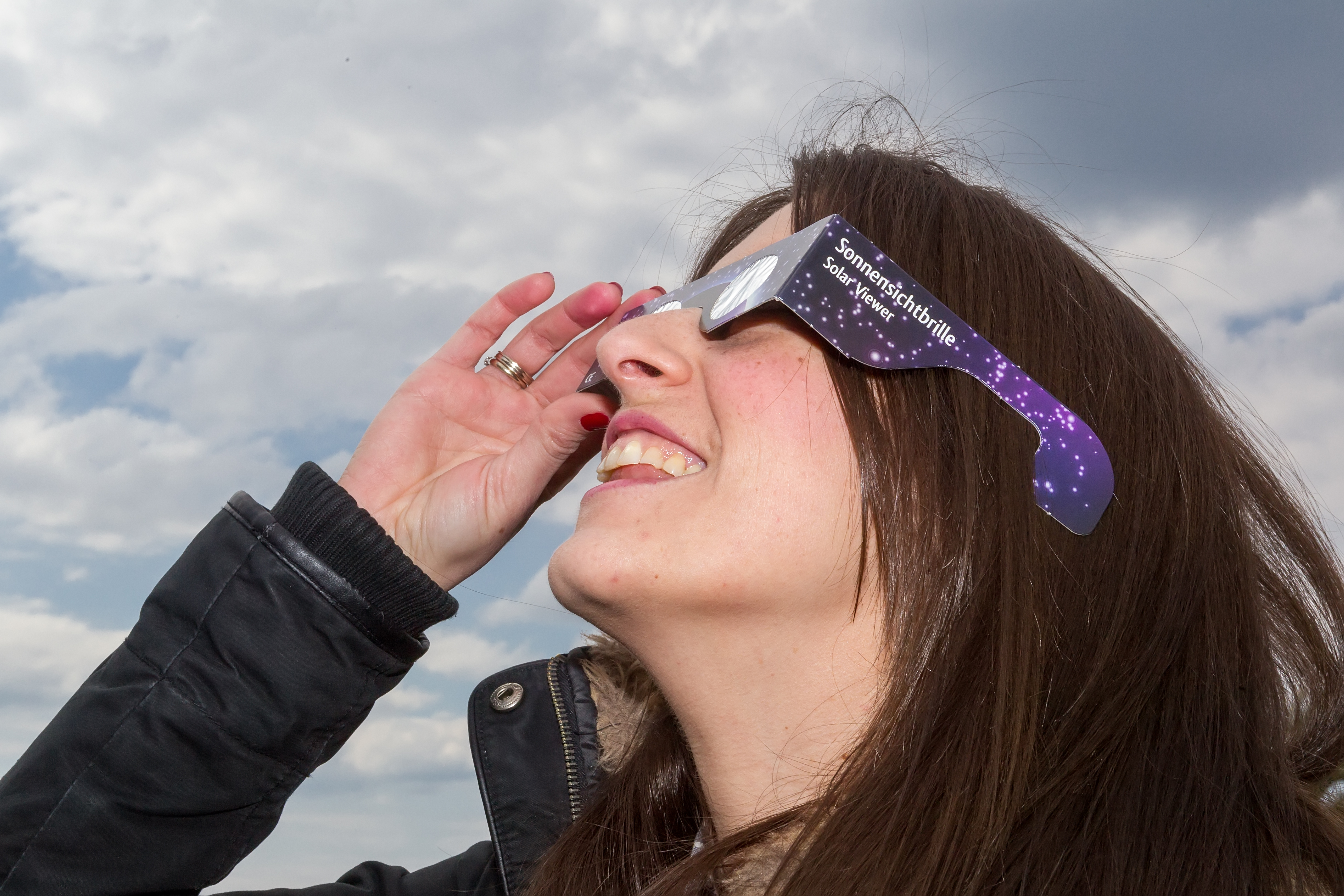
Category: Health

  • Enjoying the Eclipse While Protecting Your Eyes

    Viewing the solar eclipse without proper protection can result in eye damage.
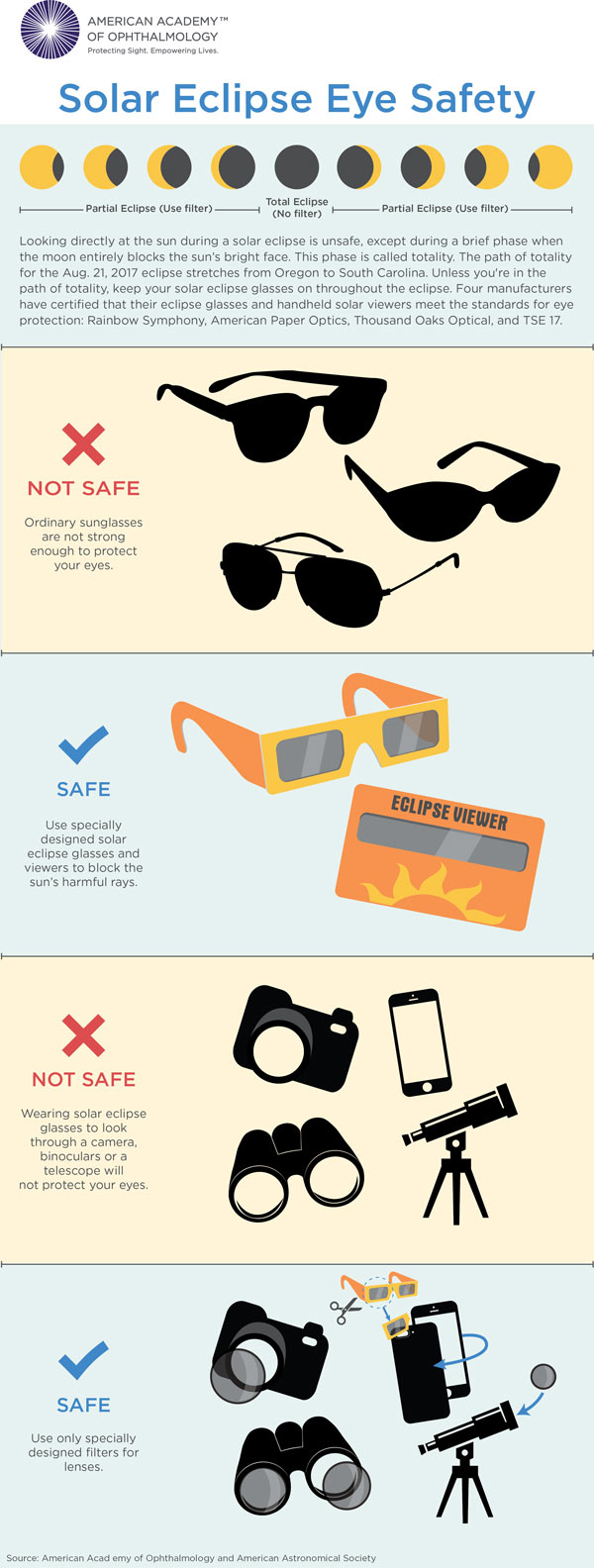
    Men, women and children from across the country have eclipse fever! Many are counting down the days until this rare phenomenon takes place and plan to head outdoors to watch as the Earth, sun and moon align.

    Before peering up at the sky on Monday, August 21, White-Wilson Ophthalmologist Dr. Andrew Mohammed warns that viewing the eclipse can pose risks to your vision.

    “A solar eclipse is a very exciting and rare event,” said Dr. Mohammed. “However, it is important to take steps to protect your eyes while viewing the eclipse. Without proper protection, your retinas could become permanently damaged.”

    Dr. Mohammed warns that sunglasses, binoculars, cameras or homemade viewers do not offer ample protection from the sun’s rays.

    “Viewing the eclipse without taking appropriate safety measures can cause serious damage,” warned Dr. Mohammed. “It is important to take steps to protect your vision and know what may cause harm.  Never look directly at the sun when it is not fully covered by the moon, and only view the partial eclipse when using the appropriate protective eyewear”

    Dr. Mohammed recommends viewing the solar eclipse through specialized glasses that have an ISO rating of 12312-2. These glasses meet internationally accepted safety standards and provide ample protection. They are available at local retail stores and cost as little as a dollar or two. For those who wear eyeglasses, you should wear specialized glasses over your everyday eyeglasses, not behind them.

    Dr. Mohammed also recommends keeping a close watch on curious children.

    “Viewing a solar eclipse is exciting for children and adults,” said Dr. Mohammed. “Parents and teachers should take extra care to ensure that children have appropriate eye wear that fits properly and that they do not take them off.”

    Damage can be done after only a few seconds exposure. While it may not be painful, damage to the retina can result in seeing black spots, blurred or distorted vision and loss of vision. This damage may be permanent and can have life-changing effects.

    Communities from coast to coast will have the chance to catch a glimpse of this very rare phenomenon. Those along the Emerald Coast should grab their glasses and head outside just after 1 p.m. on Monday. For a full listing of times, you can visit NASA.gov to see an interactive map of the sun’s rotation.

    Dr. Andrew Mohammed is a member of the American Academy of Ophthalmology board-certified ophthalmologist at White-Wilson Medical Center in Fort Walton Beach.

  • Five Tips to Help You Make Your Health a Priority

    For many of us, the good intentions and resolutions that came with the New Year are a distant memory by now. Many of us have slowly moved away from making health conscious decisions and have fallen back into our old habits.

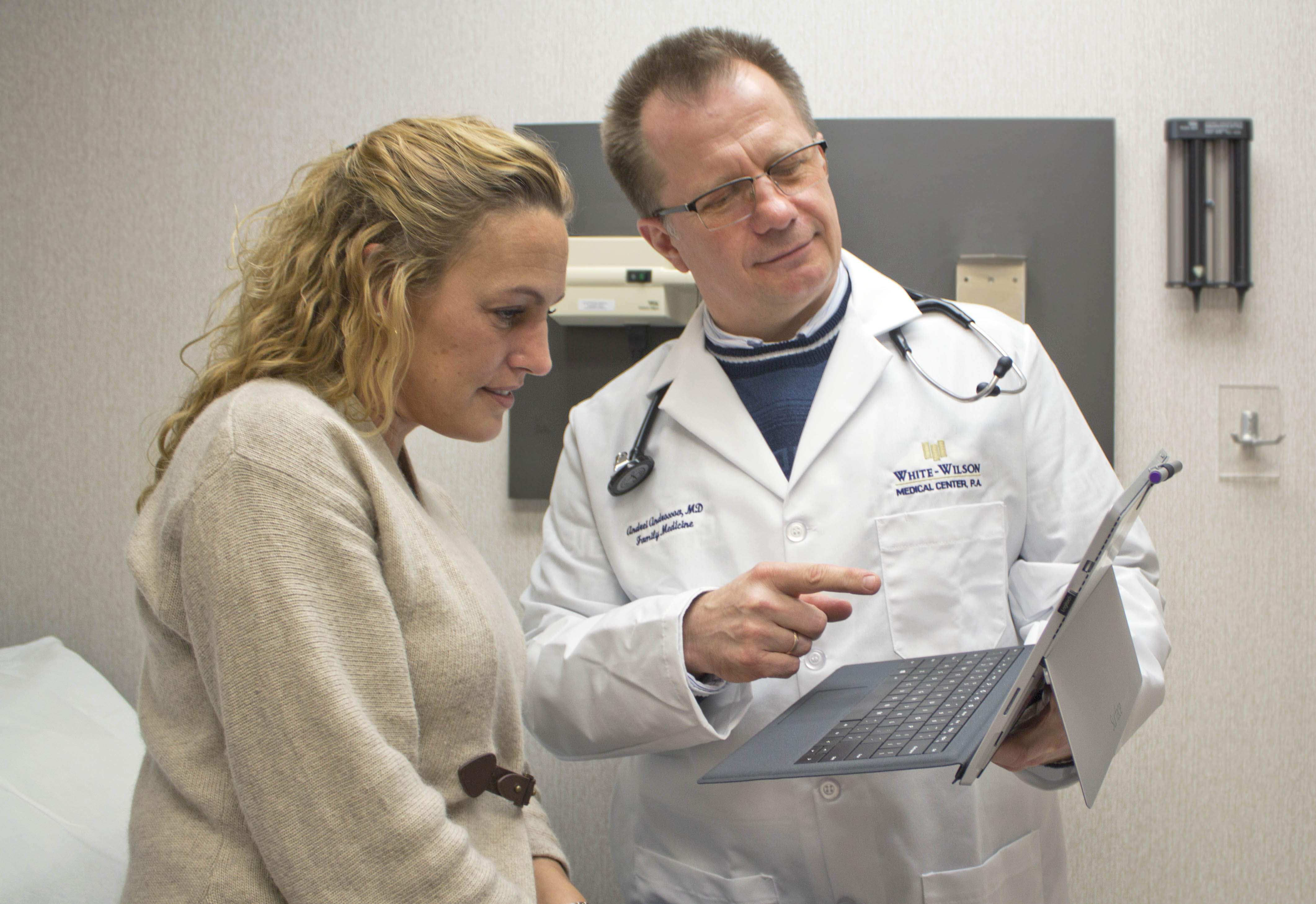
    Old habits die hard, and it can be difficult to find ways to get back on track. Family medicine physician, Dr. Andrei Androssov, offers 5 tips to help you make your health a priority.

    1. Go the extra mile – A few extra steps here and there can have a big impact on your health. Try working them in throughout your day.
      • Go for a parking spot that is a little further away.
      • Take the stairs instead of the elevator.
      • Walk to the mailbox instead of driving.
      • Take a sunset stroll along the beach.
      • Use a fitness device to monitor your progress and motivate you with a little friendly competition!
    2. Make time for what you love – When we are busy and stressed, it can be difficult to take time to slow down and enjoy the things you love. However, when stress levels are high, it is most important to find time to relax. Whether it is going to the beach, working in your garden, doing yoga, or making art, it is important to schedule a dedicated time for your favorite activity and stick to it–your physical and mental health will thank you!
    3. Cut the sugar – Today’s foods are packed with unnecessary sugars and it can be tricky to determine what is healthy and what is loaded with sugar. We all know that cookies and cakes are unhealthy, but products like oatmeal, snack bars and salad dressings can contain just as much sugar as grandma’s homemade pie. Read your labels and don’t be fooled by products that are disguised as healthy.
    4. Learn to say no – Saying no can be hard, but it empowers you to focus on your priorities—like your health. Say no to that piece of birthday cake. Say no to that second glass of wine. Say no to commitments that will over extend you or take away from the time designated to your health and wellness.
    5. Give yourself a break – If you make poor choices and fall behind on your health goals, don’t beat yourself up. Becoming disappointed will only increase your likelihood of falling further behind. Cut yourself some slack, and reprioritize what needs to change to make your health a priority again. Set small obtainable goals, and go from there!

    As always, be sure to consult your primary care physician prior to starting a new exercise program or making changes in your nutrition. Your primary care physician can provide additional suggestions on getting and staying healthy.

  • Recognize the Signs of Parkinson’s Disease

    Parkinson’s disease is a debilitating condition that affects up to 1 million people in the U.S.[i] The average onset age of the disease is 60 years old[ii], but it can affect people much younger, even those in their teens or 20s.White-Wilson neurologist, Dr. Raymond Capps, has been caring for patients with Parkinson’s disease for over 30 years. He understands the effects of this progressive, neurodegenerative disorder and works with patients to manage its symptoms.

    “Parkinson’s disease can be frightening,” said Dr. Capps. “However, by recognizing the signs, understanding your risk factors and working with a neurologist to develop a treatment plan, you can change the course of the disease.”

    Spotting signs of the disease early is key. Dr. Capps offers insights on how to recognize early symptoms:

    • Tremors or shaking in you finger, thumb, hand, chin or lip
    • A sudden change in handwriting, particularly small or cramped lettering
    • Partial or complete loss of smell
    • Masked face, a blank or expressionless stare
    • Trouble walking, less arm movement or trouble lifting feet

    “Advancements in treatment options are astonishing,” said Dr. Capps. “Today, patients with Parkinson’s disease are able to manage the symptoms and maintain their quality of life.”

    Parkinson’s disease is a slow progressing disease, and its symptoms can be managed for decades.

    “Until there is a cure for Parkinson’s disease, my goal is to diagnose the disease early and work with patients to find treatment options that work for them,” said Dr. Capps. “This is how we can best manage the symptoms and ensure that patients continue to enjoy doing the things they love.”

    Dr. Raymond Capps is a board-certified neurologist at White-Wilson Medical Center. He recently relocated from Tennessee to enjoy the beautiful Emerald Coast. He is certified by the American Board of Psychiatry and Neurology, and has over 30 years of experience.

    Dr. Capps is accepting new patients at the White-Wilson Neurology Clinic in Fort Walton Beach. To learn more about Dr. Capps or to schedule an appointment, call 850-863-8169.

    [i] Source: Parkinson’s Disease Foundation

    [ii] Source: Parkinson’s Disease Foundation

  • Myth Busters: You Can Predict the Weather Based on Joint Pain

    We have all heard a friend or family member say that there is going to be a change in weather, because they can “feel it in their bones.” Many claim to know that it is going to rain based on a feeling in their knee, elbow, ankle or shoulder; but is that just an old wives’ tale?

    “Patients with arthritis often claim to experience increased swelling as the weather changes,” says Dr. Samuel Capra, an orthopaedic surgeon at White-Wilson Medical Center. “While we don’t have any hard and fast research to tell us why this is so common, the belief is that the changes in barometric pressure that come before a storm allows for additional swelling in problem areas.”

    While we may not know the exact reason that these aches and pains occur, it may not be a bad idea to grab an umbrella the next time that you knee is feeling a little stiff.

    This myth is plausible!

  • Prevention is Key: Dr. Vergil Brown Weighs in on the Importance of Annual Wellness Exams

    Prevention is Key: Dr. Vergil Brown Weighs in on the Importance of Annual Wellness Exams

    The old adage by Benjamin Franklin is still true today—“an ounce of prevention is worth a pound of cure.” However, according to the Center for Disease Control and Prevention, Americans use preventive services at about half of the recommended rate. Much of the time, individuals forgo these important screenings due to financial concerns, or time constraints.

    Health insurance benefits can be confusing, and many people are unclear about what exams and screenings their health plan(s) may cover. Fortunately, most major health insurance plans pay for annual wellness exams and screenings.

    “Routine annual visits serve many purposes for overall health,” said American Board of Internal Medicine certified physician, Vergil Brown, MD, PhD. “They provide continuity of care with your provider, and they allow your provider an opportunity to review your records and provide the most up to date vaccinations and screenings. They also allow an opportunity to address some conditions at an early stage, before they become more difficult to treat.”

    Taking full advantage of the screenings and exams that your insurance plan will cover plays a big part in maintaining your overall health. Here is a list of the screenings and exams covered by most major insurance companies.

    “As people age, these exams generally become more and more important. Accordingly, Medicare provides for the Medicare Annual Wellness Visit,” said Dr. Brown. “These visits allow your health care team to address your overall health needs and obtain the necessary screenings and exams to improve or maintain your health.”

    The Care Coordination team at White-Wilson Medical Center works with your primary care physician to manage your overall health and conduct your yearly Medicare Annual Wellness Visit. These exams are covered in full by Medicare.

    During these exams, your Care Coordination provider will work with you to ensure you are taking advantage of your benefits and getting disease-specific management and screenings. They serve as your partners in health.

    “By taking a proactive approach to your health, you have an opportunity to find or prevent diseases and illnesses before they are life threatening,” said Dr. Brown.

    Patients may contact our Care Coordination team at (850) 863-8244 to schedule a Medicare Annual Wellness Visit. Appointments are available at each White-Wilson Medical Center Clinic location.

  • Five Ways to Avoid the Flu

    womanblowingnose-background removed v2

    While the leaves may not exactly change color along the Emerald Coast, we can count on more than college football to make a debut each Fall. Every year, millions fall victim to the annual flu. In fact, The Centers for Disease Control and Prevention estimates that between 5 and 20 percent of the U.S. population will get the flu each year—that results in about 200,000 hospitalizations and thousands of deaths.

    Although many recover after a few days or weeks, its important to note the flu can be life threatening—especially for the elderly, young children, pregnant women and those with certain chronic health conditions. The best way to fight the flu is to avoid it altogether.

    Dr. Vien Van, a physician at White-Wilson’s Immediate Care Clinic, shares 5 ways to avoid the flu this season.

    1. Get Vaccinated!The number one way to avoid the flu is by getting your flu shot—If you have not already been vaccinated, do so now. The flu hits as early as late fall and your body needs about two weeks to form protective antibodies. Make sure children (6 months or older) and the elderly receive their shots too, since they are at greatest risk.
    2. Close Contact = Flu Spreading.Its not rocket science, but avoiding contact with people that are sick can protect you from getting sick too. When you are sick, try to stay home from work, school and other errands to help prevent your illness from spreading to others. And don’t forget to cover your mouth and nose when coughing or sneezing to help keep germs from spreading.
    3. Keep Clean. Cleaning your hands often will help protect you from germs that can lead to flu. It is a good idea to keep hand sanitizer close by during flu season, although warm soap and water is always the best way to wash your hands. Be sure to also clean and disinfect surfaces frequently touched—especially when someone in your home or office environment is sick.
    4. Avoid Eyes, Nose & Mouth—Flu germs can make their way into your system when you touch your eyes, nose or mouth after you’ve touched something contaminated with germs.
    5. Practice Good Health—By staying healthy, you can help your body fight off the flu. Maintain a well balanced diet, drink plenty of fluids, be physically active, watch your stress levels and get plenty of rest.

    Don’t “flu around” with your health this fall. Follow these 5 simple suggestions to help avoid the flu.


    Chinh Vien Van, M.D. is board-certified by the American Board of Family Medicine and practices at the White-Wilson Medical Center’s Immediate Care Clinic in Fort Walton Beach. He specializes in all aspects of Immediate Care, including urgent care for illnesses such as flu, strep throat, non-life-threatening illnesses, and injuries, as well as adult vaccinations. For more information about Dr. Van, click here.

  • Tips to Keeping Kids Happy & Healthy this Summer

    By now, kids have put their schoolbooks away and are taking full advantage of the lazy days of summer. However, White-Wilson Pediatrician Dr. Kyle Simmers warns that the lack of routine can be detrimental to a child’s development and overall health.

    “During the summer months, it is easy to fall out of routine,” says Dr. Simmers. “Some children become less and less active, spending hours indoors and in front of TVs, video games and cell phones.”

    Dr. Simmers suggests setting boundaries for the amount of screen time children indulge in each day and sticking to them. The American Academy of Pediatrics suggests that children should be limited to only one to two hours of screen time per day. Instead, children should engage in activities such as reading, writing, making crafts, playing games or doing household activities.
    Summer Heat
    It is also important that children get outside and are active. The American Academy of Pediatrics recommends that children ages two and older engage in a minimum 60 minutes of moderate to vigorous activity daily. While most know that physical activity is key in development and weight reduction, many don’t realize its important psychological effects. Regular physical activity is linked to increased self-esteem and to decreased anxiety and depression, helping keep children happy and healthy.

    One way to ensure that children are receiving ample physical activity is to set aside time for family activities that get everyone moving. Evening walks, pick-up games of basketball or kickball, swimming and bike rides can be enjoyed by the whole family. They also make exercise a fun bonding experience. Parents will be happy to learn that activities like mowing the lawn, raking leaves and washing cars are qualify as physical activity.

    “Families should make the most of their summers,” says Dr. Simmers. “Taking precautionary measures will ensure that children return to school happy and healthy.”

    Dr. Kyle Simmers is certified by the American Board of Pediatrics and is currently accepting new patient at the White-Wilson Pediatric Clinic in Niceville.

  • Allergy Season Survival Guide

    Little cute girl blowing dandelion seeds on chalkboard - Hope an

    Flowers are blooming, the weather is warming up and spring is here! We were fortunate to have a mild flu season this year, but if you’re one of the 50 million people in the United States who suffer from nasal allergies, you are not in the clear just yet.

    According to White-Wilson Medical Center ENT Specialist, Dr. William Gross, “Seasonal allergies begin early on the Emerald Coast with tree pollens being the first allergens.”

    Dr. Gross_Jan 2016_Cropped
    Dr. William Gross, ENT Clinic

    Dr. Gross adds that we can become sensitized or allergic to many things other than pollen, including foods, house dust, pet dander and mold spores. Mold spore allergy is a major cause of many sinus problems.

    The most common allergy symptoms include sneezing, itchy nose, watery eyes or wheezing.  Occasionally, rashes, food sensitivities, headaches or severe swelling can be allergy related. Allergy symptoms are often mistaken for the common cold.

    “While the common cold may mimic allergy symptoms, the symptoms of a cold usually do not last more than 10 days,” said Dr. Gross. “Some people describe their allergy and sinus problems as the cold that never went away. You should seek medical attention when your symptoms are affecting everyday life.”

    According to the Asthma & Allergy Foundation of America, allergies are one of the country’s most common, but overlooked, diseases. Although there is no cure for allergies, they can be managed with prevention and treatment.

    “Allergies are treatable with allergy avoidance, medication and immunotherapy, such as allergy shots and drops,” said Dr. Gross. “You can also anticipate allergy season and begin treatment yourself with over the counter antihistamines and nasal sprays, such as Flonase or Nasacort, at the start of your allergy season

    For many on the Emerald Coast, allergies are a fact of life. Dr. Gross encourages individuals not to prolong suffering from seasonal or perennial allergies. Today’s medical treatment options can be very helpful and effective.

    “Surgery may be helpful for allergy and sinus problems, and endoscopic sinus surgery is available to help relieve chronic sinus problems,” said Dr. Gross. “There are now less invasive treatment options that can be done in a doctor’s office and require little or no downtime.”

    You do not have to suffer with allergy and sinus problems. Pay attention to when your allergies flare up, and be proactive in seeking medical treatment when avoidance or over the counter medications are not effective. Once you get your allergies under control, be sure to stop and smell the roses this spring!

    KKUZX97AQN

    To learn more about the White-Wilson ENT Clinic or to schedule an appointment with Dr. Gross, call (850) 863-8275.

  • What’s Your Reason?

    My Reasons Ribbon_pink

    Everyone has a reason to get their mammogram… What’s yours? Chances of recovery from breast cancer have significantly increased due in part to earlier detection through mammograms. In celebration of Breast Cancer Awareness month and in honor of those who have lost their fight with the disease, women are encouraged to schedule their annual mammogram and in turn encourage others to get theirs.

    Blog PostDo you or someone you know need a screening mammogram? White-Wilson Medical Center is giving away 10 free mammograms in the month of October! Simply share your reason for getting your mammogram on our facebook post (click here)! See official contest rules below.

    October is set aside as a time to celebrate those who are fighting, remember those who have been affected and raise awareness about breast cancer.  #MyReason #WWMCforLife

    White-Wilson Mammogram Giveaway Official Contest Rules:

    No purchase necessary. Enter to win at facebook.com/WhiteWilsonMedicalCenter or by sending your name and contact information to info@white-wilson.com. Contest sponsored by White-Wilson Medical Center, 1005 Mar Walt Dr., Fort Walton Beach, FL 32547. Ten winners drawn at random will receive one screening mammogram from The White-Wilson Center for Women’s Imaging (valued at $189) valid until November 1, 2016. All winners will be solely responsible for any additional expenses that may or may not be incurred as a result of test results, including but not limited to additional exams, physician appointments, resulting medical or hospital fees. Odds will depend on the number of entries received.

    Contest is open only to legal residents of Okaloosa, Walton and Santa Rosa Counties. Contest starts on Thursday, October 1, 2015 and ends on Saturday, October 31, 2015 at midnight. Mammogram certificates will be awarded on November 2, 2015 and announced on the White-Wilson Medical Center Facebook mammogram contest post and the White-Wilson Medical Center Facebook page/timeline. Winners will be notified via a private Facebook message and must respond with a mailing address within 14 days to receive the mammogram certificate. Mammograms are valid only at the White-Wilson Center for Women’s Imaging at 1005 Mar Walt Dr., Fort Walton Beach, FL 32547

    – – – – – – – – – – – – – – – – – – – – – – – – – – – – – – – – – – – – – – – – – – – – – – – – –

    November 2, 2015: Winner Update!

    Thank you all for sharing your reasons for staying healthy and getting your mammogram! Ten winners have been chosen at random: Donna Braden, Patricia Seagraves Dixon, Katherine Tarbox, Tonia Parkerson-Turner, Marie Wartenbe, Hannah Kettle Mitchell, Marsha West Stokes, Candace Jean Spencer, Vikki Brand, and Mindy Jones!

    If your name is listed, please check your Facebook messages (be sure to check the “other” tab) or email your contact information to: info@white-wilson.com. Please respond within 14 days to receive your mammogram certificate.

  • Spotting the Signs of Ovarian Cancer

    transparent_ribbonAn estimated one in 70 women will develop ovarian cancer in her lifetime and more than 15,000 American women are expected to lose their lives this year as a result. To raise awareness about the risks and signs of ovarian cancer, The Ovarian Cancer Coalition has named September Ovarian Cancer Awareness Month.
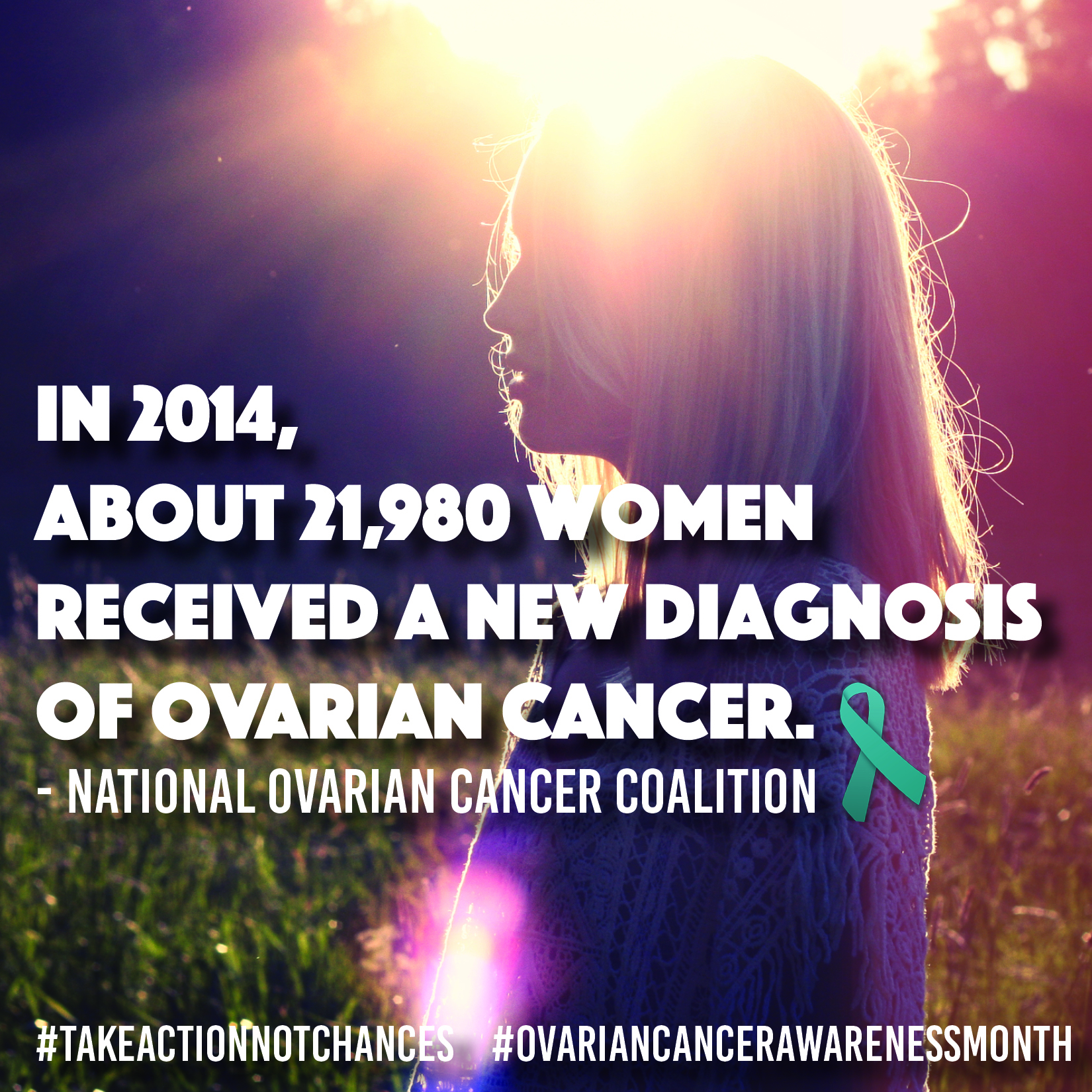
    Throughout the month, women are encouraged to learn the signs of ovarian cancer and take action should they experience them. Dr. David Stoneking is an OB/GYN at the White-Wilson Center for Women’s Health and warns of the risk to women in our community.

    Ovarian Cancer Diagnosis Post“Ovarian cancer is the 5th leading cause of cancer deaths in women and affects many in our community,” says Dr. Stoneking. “Its signs often go overlooked, so it is vital that women of all ages know what to look for and take action should they experience warning signs.”

    Signs of ovarian cancer include:

    • Discomfort in the pelvis
    • Abormal bleeding
    • Pain in the abdomen
    • Pain during intercourse
    • Unexplained indigestion, gas or bloating

    “Staying attuned to changes in your body, talking with you doctor about your concerns and receiving annual exams are key in protecting yourself,” advises Dr. Stoneking. “If you are suspicious of any unexplained gastrointestinal symptoms, it is important to discuss those symptoms with your physician right away. Early detection drastically increases your chances of winning the fight against this aggressive form of cancer.”

    While ovarian cancer can happen at any age, it is most common in women ages 50 – 75 and may be detected through pelvic exams or ultrasound. Once detected, treatment plans may include surgical staging, removal of the ovaries, fallopian tubes or uterus and chemotherapy.

    Information about the National Ovarian Cancer Coalition and Ovarian Cancer Awareness Month can be found at www.ovarian.org. For more information about Dr. David Stoneking and the White-Wilson Center for Women’s Health or to schedule an appointment, call 850-863-8264. Information on all White-Wilson health care providers is available at www.white-wilson.com