
Category: Health

  • How Sick is Too Sick For School

    It’s one of parenting’s many dilemmas – is my child well enough to go to school?  We all want our children to be resilient, but it is not uncommon for kids and teens to pretend to be ill in order to avoid something unpleasant at school like a test or a boring assembly.  So how is a parent to know when to send him versus when to keep him home?

    “Everyone, especially children, will experience illness from time to time. As parents, we not only want to do what is best for our children but also help minimize the spread of illness to others,” explains White-Wilson Medical Center Niceville Pediatrician Dr. Kyle Simmers. “Even once the symptoms have passed, it may still be best to keep your child at home.”

    According to Dr. Simmers, there are specific symptoms to look for when deciding whether or not your child should stay home from school or daycare.  These symptoms include:

    • A fever of 100.4° F or above – Many times, a fever means your child is fighting some kind of illness. A fever may also mean your child is contagious. Keeping them home until 24 hours after the fever breaks will make sure your child is on the mend and reduce the risk of spreading illness to other kids.
    • Vomiting or diarrhea – Multiple instances of vomiting or diarrhea within a short period of time usually mean something is up. While it could be something innocuous, consistent bouts of vomiting and/or diarrhea are a warning sign and can be very contagious. As is the case of a fever, a child should go 24 hours without an occurrence before returning to school.
    • Pain such as a headache, ear pain, abdominal pain or sore throat, especially when accompanied by other symptoms – Pain and discomfort can keep your child from concentrating during class, but more importantly, when accompanied by other symptoms like a fever, may be a sign of something bigger. Parents should monitor a child complaining of pain and visit a doctor immediately if you become concerned.
    • Uncontrolled coughing – As with some of the previous symptoms, uncontrolled coughing can make it difficult for a child to pay attention in class and may disrupt the classroom environment. Furthermore, an uncontrolled cough, or any other symptom that may affect your child’s breathing, should be watched closely in case something more serious is going on.
    • Rashes and red eyes – While a child may not complain about these symptoms, they could be a sign of something contagious. A pediatrician should always examine unexplained rashes and red eyes. They may not be particularly uncomfortable for a child at first, but they may worsen or spread.
    • Head lice – Lice can be transferred from child to child. Once lice are spotted it is important to treat your child with approved over the counter or prescription medications as soon as possible and to monitor lice activity. The Center for Disease Control offers guidelines on how to treat your family and home for lice and you should check with your child’s school regarding their policy for when a child may return after treatment.

    If you are unsure if your child should stay home or not, Dr. Simmers suggests contacting your pediatrician’s office. They can provide advice, and in many cases, see you the same day. It is best to work with your pediatrician to determine the appropriate steps to help your child feel better and to stop the spread of illnesses.

    Dr. Simmers is board-certified by the American Board of Pediatrics and practices at the White-Wilson Pediatric Clinic in Niceville, Florida. He is now accepting new patients. The White-Wilson Pediatric Clinic in Niceville is open 8 a.m. to 5 p.m. Monday through Friday and Saturday from 8 a.m. to noon. Same day appointments are available.


  • Immediate Care Can Fix That!

    Confused about when to go to Immediate Care versus the ER? You are not alone. Most of know that Immediate Care is prepared to help when we have a sore throat or a bout of the flu, but White-Wilson Immediate Care Clinics are also equipped to handle many minor injuries that you may equate with an emergency room visit, like needing stitches. 

    “We are in the business of getting people treated and back to their daily activities as quickly as possible,” White-Wilson Immediate Care Physician, Dr. Kurt Eppley, explains. “Our team is trained to treat most minor injuries in clinic. This includes lacerations that may require stitches, movement-related injuries such as sprains and strains, broken bones, sports-related injuries and worksite injuries.”

    “People may automatically think the emergency room is their only option. The truth is, however, we are able to meet the needs for most minor injuries, get you in and out quickly and save you money,” advises Dr. Eppley. “We have expanded our weekend hours, are accustomed to caring for children and adults and, for many, the out of pocket expense for an Immediate Care visit is far less than a visit to the ER.”

    Each of White-Wilson’s Immediate Care Clinic locations provides lab and imaging services. This helps to ensure that patients can get their results quickly and they don’t have to go offsite for additional testing. White-Wilson also provides a network of specialists that may be consulted as needed.

    “In instances where additional care from a specialist is needed, we have the ability to consult the vast network of White-Wilson specialists,” explains Dr. Eppley. “For issues such as an injury that requires an orthopaedic surgeon or an ophthalmologist, we can offer referrals and work with you to get the care you need. With our electronic medical record, all White-Wilson health care providers have access to notes and test results from your visits.”

    White-Wilson Immediate Care can offer assistance in the case of many injuries and illnesses; however, an emergency department is better equipped to address major injuries such as traumatic wounds, bones protruding through the skin or suspected heart attacks and strokes. When this is the case, patients are advised to call 9-1-1 or go to the nearest emergency room.

    “In Immediate Care, we are here for almost anything life throws your way,” says Dr. Eppley. “If your weekend hike or your fishing trip don’t go as planned, if you take a fall at work or if you are just feeling under the weather, we are here for you.”

    White-Wilson Immediate Care Clinics in Fort Walton Beach, Destin Navarre and Niceville offer same-day appointments and accept walk-ins. For more information about hours and locations, visit white-wilson.com.

  • Myth Busters: Cracking Your Knuckles Causes Arthritis

    Many of us are guilty of it. Tension builds up in our hands and to bring relief, we mindlessly bring our fingers together and “pop, pop, pop!”
    Knuckle cracking is a common habit that gets a bad rap. Many believe that cracking your joints, specifically your knuckles, can cause swelling or arthritis. Is there truly any scientific backing for the claim that cracking your knuckles is bad for your joints?

    According to Dr. Samuel Capra of the White-Wilson Medical Center Orthopaedic and Sports Medicine Clinic, this is simply a common misconception.

    “Because of the popularity of this belief,” Dr. Capra explains, “there has been quite a bit of research into the matter. The majority of studies find that there is no link between knuckle cracking and osteoarthritis or joint swelling.”

    As Dr. Capra describes, the “pop” that sounds when you crack your knuckles occurs when you stretch the space between your finger joints. This, in turn, causes gas bubbles in the synovial fluid located around the joints to burst, resulting in the cracking sound.

    “This is the reason you are generally unable to crack the same knuckle twice in a row,” Dr.Capra adds. “It takes time for the gas bubbles to form again after you pop them.”

    This myth is BUSTED!

    Dr. Samuel Capra is board-certified by the American Board of Orthopaedic Surgery and practices at White-Wilson Medical Center in Fort Walton Beach. Dr. Capra has over 30 years of experience in orthopaedics and sports medicine and is now accepting new patients.

  • What to Expect During Your First Pre-Natal Visit

    Being pregnant can be a very exciting time. From finding out your baby’s gender to deciding on a name and decorating the nursery, there are many wonderful milestones you will experience during this process. But before these can come to pass, there is a vital step you must take first – scheduling a pre-natal appointment.
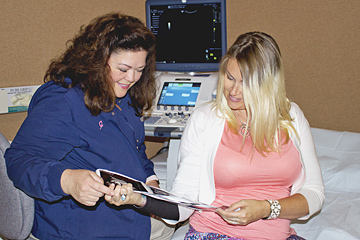
    Luckily, White-Wilson OB/GYN Dr. Matthew Reynolds is here with what to know for your first pre-natal visit.

    “The first and most important thing to do if you believe or know you are pregnant is to see a obstetrician within your first 7 to 8 weeks of pregnancy,” Dr. Reynolds explains. “Pre-natal care is one of the most important factors of a successful and healthy pregnancy.”

    According to Dr. Reynolds, the first pre-natal visit is especially important because it is when your OB/GYN will gather relevant information regarding your health and that of your baby. Therefore, it is important to come prepared.

    “You will be asked a lot of questions during your initial pre-natal visit about your medical history, as well as that of your partner and your respective families,” says Dr. Reynolds. “Having this information ready will help your doctor get a better overall picture of your health and anticipate any complications that may arise during your pregnancy.”

    During your first visits, your physician will discuss your medical history, conduct a general health exam, run a series of tests and perform an ultrasound. These initial tests are used to confirm your pregnancy and check for diseases and genetic carrier status.

    “These tests will also help your doctor calculate the fun part, your due date,” Dr. Reynolds adds.

    Finally, your pre-natal visits are a time for you to ask your obstetrician any and all questions you may have about your baby and the upcoming months. You will work closely to develop an individulalized plan that is best for your and your family.

    “Whether you are a first time mother or you have done it all before, you will have questions,” Dr. Reynolds explains. “We are here to support you along the way and to be your partner during this special time.”

    Dr. Matthew Reynolds is certified by the American Board of Obstetrics and Gynecology. He is a father of four daughters and has more than 15 years of experience. Dr. Reynolds is currently accepting new patients at the White-Wilson Center for Women’s Health in Fort Walton Beach.

  • Myth Busters: The Best Way to Remove a Tick is With Heat

    Long summer days are not only great for hitting the beach but also for exploring trails and wooded areas. Floridians are not the only ones who enjoy these lush areas – mosquitoes, yellow flies and gnats are rampant but there is another pest to watch out for: the tick.
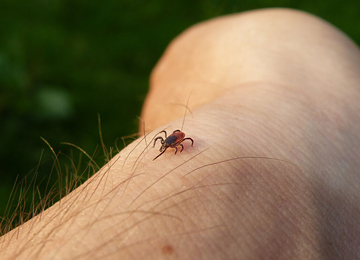
    The Florida Department of Health warns that ticks are typically found in wooded areas or those with long grass. They feed off the blood of animals and can spread diseases through their bites.

    “Most tick-bites will not cause you harm,” White-Wilson Family Medicine provider Melissa McComak, ARNP, FNP, explains.

    “However, in Florida, they may result in well known illnesses such as Lyme disease or Rocky Mountain spotted fever or lesser known ones such as, ehrlichiosis and anaplasmosis. That means, it is important to remove ticks as soon as possible.”

    You may have heard that one sure way to remove ticks is to use heat from a match. But before you start carrying a matchbook around with you at all times, you should know that this is simply an old wives tale.
    “There is no scientific evidence to suggest that heat should be used to remove ticks,” Mrs. McComak says. “The goal is to remove the tick as quickly as possible, not to wait for them to detach.”

    She suggests checking yourself and children when returning from time outdoors. If a tick is spotted, the most efficient way to remove a tick is to use a pair of fine-tipped tweezers.

    “You’ll want to grab the tick as close to the skin as possible and pull upwards steadily, so as to not break off the mouth-parts of the insect.” Mrs. McComak explains. “If you do break off the mouth-parts and they remain in the skin, you can try to remove them with the tweezers or leave it and let the skin heal itself. After the tick is removed, you should thoroughly clean the bite area and your hands with soap and water or rubbing alcohol.”

    Following a tick bite, keep an eye on the bite area for a few weeks to see if you develop a rash or fever. If this occurs, visit your primary care provider as soon as possible and let him or her know about the bite.

    This myth is BUSTED!

  • The Importance of Back-to-School Physicals

    School is out for summer! Although it may seem like the break has just begun, summer goes by in the blink of an eye and it is not too early to start planning for the school year ahead. From gathering supplies to meeting your child’s new teacher, there are many things for you to do before the year starts. One of the most importantis to schedule your child’s back-to-school physical and wellness visit.

    “Back-to-school physicals are an important part of your child’s health care,” White-Wilson pediatrician Dr. Irina Smith says.  “Getting a physical annually will help ensure your child stays healthy and starts off the school year off right.”

    Dr. Smith recommends that all school-age children visit their pediatrician for their back-to-school physical every year.

    “Pediatricians use these visits to measure your child’s growth and development,” she explains. “An annual physical is a time dedicated to tracking your child’s development and discussing any concerns. It is a time for pediatricians to work with parents to plan for the year ahead and discuss strategies for things like asthma control, ADHD management, vaccinations and sports readiness.”

    Other than a general health check-up, the back-to-school physicals also consist of a review of your child’s immunization records. In Florida, like many states, students are required to have specific vaccines before they begin kindergarten and others as they age. Failure to complete these immunizations may result in your child being unable to enroll. At your back-to-school appointment, your pediatrician can discuss vaccination requirements and answer any questions about them.

    “If your child does need a vaccination,” Dr. Smith says, “we will be able to administer it during the same visit and provide you with an updated record for your child’s school.”

    In short, back-to-school visits are essential because they prepare you and your child for the next year and help them put their best foot forward. It is a time to partner with your child’s pediatrician, to celebrate milestones and to create a plan that is best for your family.

    “Being active and attentive in school is an extremely important part of your child’s development,” Dr. Smith concludes. “Just like you, we want to see them succeed and it all starts with their health.”

    As the school year approaches, appointments do fill quickly. Beat the rush by scheduling your appointment now. Dedicated appointment spots are available each day in Fort Walton Beach, Destin, Navarre and Niceville. Call 850.863.8100 today to schedule.

  • Myth Busters: You Can Sweat Out The Flu

    This busy cold and flu season, many are willing to try anything to help them get feeling better fast. We are often told that one of the best ways to beat the flu is to sweat it out; but is this true or just another tall tale?

    We are sorry to disappoint you, but there is no research backing the belief that you can sweat out the flu or a cold. There are, however, a few tested and proved tips you can follow to make your time with the flu a tad bit easier.

    “Staying hydrated and getting plenty of rest are the best things you can do to help your body fight the illness,” says Dr. Lee Barnes, a family medicine physician at the White-Wilson Niceville Clinic. “Anything that prevents you from resting or hydrating can actually slow down your recovery.”

    Dr. Barnes urges anyone who thinks they may have the flu to visit their doctor as soon as possible—especially those with pre-existing medical conditions and those most likely to experience complications from the flu, such as children, pregnant women and the elderly.

    “What is most important during a bout with the flu is making yourself as comfortable as you can,” said Dr. Barnes. “A visit to your doctor will help get you on your way to feeling better.”

    So if snuggling up under the blankets makes you feel better, we say go for it! Just don’t expect the heat to beat the flu for you.

    THIS MYTH IS BUSTED.

  • 6 Things to Discuss with Your Pediatrician

    Dr. Irina Smith sees herself as both your pediatrician and a partner in your health care. In her practice, she has the opportunity to work alongside parents and children to provide the best care possible for her patients.

    “Just like any relationship, communication is key,” says Dr. Smith. “I am here to not only treat illnesses and injuries, but to also help parents and children navigate the ups and downs of childhood. Consistent and open communication allows us to work together closely and ensure the best outcomes.”

    Every parent knows, a visit to the pediatrician’s office can be hectic—especially with other children in tow! It is often long after the appointment that the parents remember the things they meant to ask the doctor.

    Below is a checklist Dr. Smith offers parents and caregivers to help get the most out of their next visit:

    1. Be sure to Discuss Over the Counter Medications – There can be serious side effects from prolonged or misuse of over the counter medications. Even though many over the counter drugs are approved for use in adults and children, your pediatrician can offer recommendations for the most effective medications as well as the most appropriate dosages.
     
    2. Supplements and Alternative Medications – While these drugs may be seen as low risk and even healthy, they aren’t without side effects and may counteract with medications. Always discuss supplements like vitamins, probiotics, herbal supplements and topical treatments your child is taking with your pediatrician.
     
    3. Healthy Weight – Your pediatrician can discuss recommended weight ranges for your child and provide you with healthy eating guidelines and recommendations that will work for your family’s needs.
     
    4. Changes in Behavior – At some point, most children will show changes in behavior and even experience issues at school. Your pediatrician can help put your mind at ease or discuss possible causes for the behavior, such as depression, abuse or mental health issues. Talking with your pediatrician about your concerns will allow you to address these changes and move forward confidently.
     
    5. Vaccinations –Talking with your pediatrician about the vaccinations and how they will protect your child will help you to feel confident about your decisions and your child’s health.
     
    6. Where to Get Information – These days our newsfeed is filled with “experts” promoting one thing or bashing another. This makes it hard for parents to know what to believe. Your pediatrician will point you to trusted sources, like the American Academy of Pediatrics, that offer scientifically backed information and tools.

    “It is important not to just bring your child to the doctor’s office when he or she is sick,” advises Dr. Smith. “By scheduling a wellness visit, you are setting aside a time to be proactive about your child’s health and taking time to track their development. This is how we can be true partners in health and work together to ensure your child’s health and wellness.”

    Dr. Irina Smith is board-certified by the American Board of Pediatrics with over 20 years of experience. She cares for pediatric patients ages 18 and under at the White-Wilson Pediatric Clinic in Destin where she is currently accepting new patients. Learn more about Dr. Smith here.

  • What New Blood Pressure Guidelines Mean For You

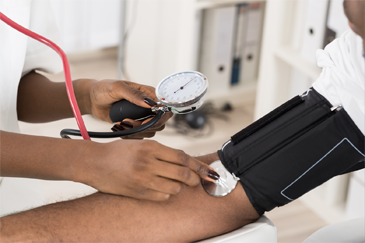
    The leading cause of death for both men and women in our country is heart disease. It is paramount that we take steps to make sure our heart is healthy. That means that we must routinely break out the blood pressure cuffs and assess our heart health. Before you do, there are a few changes that you should know.


    For the first time since 2003, the American College of Cardiologist and the American Heart Association have announced new blood pressure guidelines that alter the way we determine high blood pressure.

    It is possible that some confusion may occur when considering how these changes will affect you. To help you understand the new guidelines, White-Wilson Cardiologist, Dr. Rodney Powell, explains these changes and what they mean for you.

    “Understanding blood pressure guidelines can be confusing,” Dr. Powell said. “However, these guidelines are an important tool to measure your heart health.”

    Here are the new guidelines offered by the American Heart Association:

    • Normal – Systolic under 120 and diastolic under 80
    • Elevated – Systolic of 120-129 and diastolic under 80
    • Stage 1 Hypertension – Systolic of 130-139 or diastolic of 80-89
    • Stage 2 Hypertension – Systolic of at least 140 or diastolic of at least 90
    • Hypertensive Crisis – Systolic of at least 180 and/or diastolic of at least 120

    “We are learning more and more about the effects of elevated blood pressure,” explained Dr. Powell.

    “The new standards emphasize the importance of these levels and encourage patients and physicians to intervene earlier, before damage to the heart and cardiovascular system occurs.”

    By knowing the guidelines and monitoring your numbers, you can better understand your risk for heart disease, hypertension, kidney disease and the many other disorders brought about as a result of high blood pressure.

    “Finally,” reminded Dr. Powell, “it is important to speak with your cardiologist or primary care physician about how these new guidelines specifically relate to you.”

    Dr. Rodney Powell M.D., FACC, FSCAI is a board-certified cardiologist at White-Wilson Medical Center. He is board-certified by the American Board of Internal Medicine with subspecialty certification in Cardiovascular Disease.

    Dr. Powell is accepting new patients at the White-Wilson Cardiology Clinic in Fort Walton Beach. To learn more about Dr. Powell or to schedule an appointment, call 850-863-8294.

    1 http://www.acc.org/latest-in-cardiology/articles/2017/11/08/11/47/mon-5pm-bp-guideline-aha-2017

  • Seven Tips for a Healthy School Year

    Seven Tips for a Healthy School Year

    Another summer sailed by, and back to school came and went! We reluctantly said goodbye to the long, lazy days of summer and set the alarm clocks for the school year’s early mornings.

    Unfortunately, back to school often means exposure to all sorts of germs for kids, teachers, parents and grandparents. Many kids find themselves catching colds and feeling run down at the start of the new school year.

    White-Wilson Destin Clinic Pediatrician, Dr. Irina Smith, shares seven tips to help kids stay healthy as we pack the backpacks and head for the bus stop!

    Medical Exams and Vaccinations

    Since your child will be exposed to all sorts of new germs and viruses, it is important to make sure they are up to date on medical exams, vaccines and medications at the start of each school year.

    While most schools make sure children have their annual physicals and updated vaccines, it is also important to remember to test your child’s eyes and ears each school year to ensure they are able to thrive in their new classroom. Additionally, children six months and up should receive the flu vaccine each year.

    Your child should have the following at the beginning of each school year:

    • Annual physical
    • Sports physical (for athletes)
    • Immunizations if applicable
    • Eye exam
    • Hearing test
    • Flu vaccine

    Remember to stock up on any special medications your child may need, and ensure there is enough for school and home.

    Questions about what vaccinations your child should receive? Click here for the Centers for Disease Control and Prevention recommended immunization schedule.

    Rest and Routine

    Rest and routine are important to your child as they adapt to their school routine. You can help your child adjust by easing into the school year schedule with a consistent bedtime and meal times. Remember, school age children need nine to 12 hours of sleep each night. Your child may also need a nap or quiet time after school for the first few weeks to help him adjust.

    Click here for Centers for Disease Control and Prevention’s recommended hours of sleep.

    Encourage a Healthy Diet

    As parents, we can pack our kids a healthy lunch, but can’t really ensure they will eat it once the school bell rings. Don’t stress out too much if your child’s nerves are sending him home with an untouched lunchbox. You can help fuel your child for the school day with protein, such as eggs or Greek yogurt, for breakfast. Also, now is a good time to remind your child not to trade the carrot sticks for cream puffs!

    Give a Hygiene Crash Course

    Review the checklist below with your kids to make sure they are doing their parts to stop the spread of germs.

    • Are they washing their hands after using the restroom and before meals?
    • Keep hand sanitizer in their backpack or desk and remind them to use it when they are not able to wash their hands.
    • Are they covering coughs and sneezes with their elbows?
    • Do they know to keep their hands away from their mouths and eyes? This is how germs spread.
    • Remind them not to share water bottles or anything else that goes in their mouths!

    Have a Sick Day Plan

    Nothing spreads sickness faster than sending your kids to school when they’re sick. Keep them home if they’re sick so they can rest and recover, and keep the sick germs to themselves. It’s important to have a plan for back up childcare if you are not available to care for your children on unexpected sick days.

    Work in Some Exercise

    Often times, kids do not get the exercise they need during the school day, and can spend gym class waiting for their turn to swing the bat. Be sure that your child is active 60 minutes each day. You can help make physical activity fun for your kids with after school sports or family bike rides!

    Click here for the Centers for Disease Control and Prevention’s list of physical activities to enjoy with your kids.

    Talk to Your Kids

    A new school, classroom, friends and environment can be overwhelming to your children. Talk to them about their fears, and help them feel confident about the new school year.